
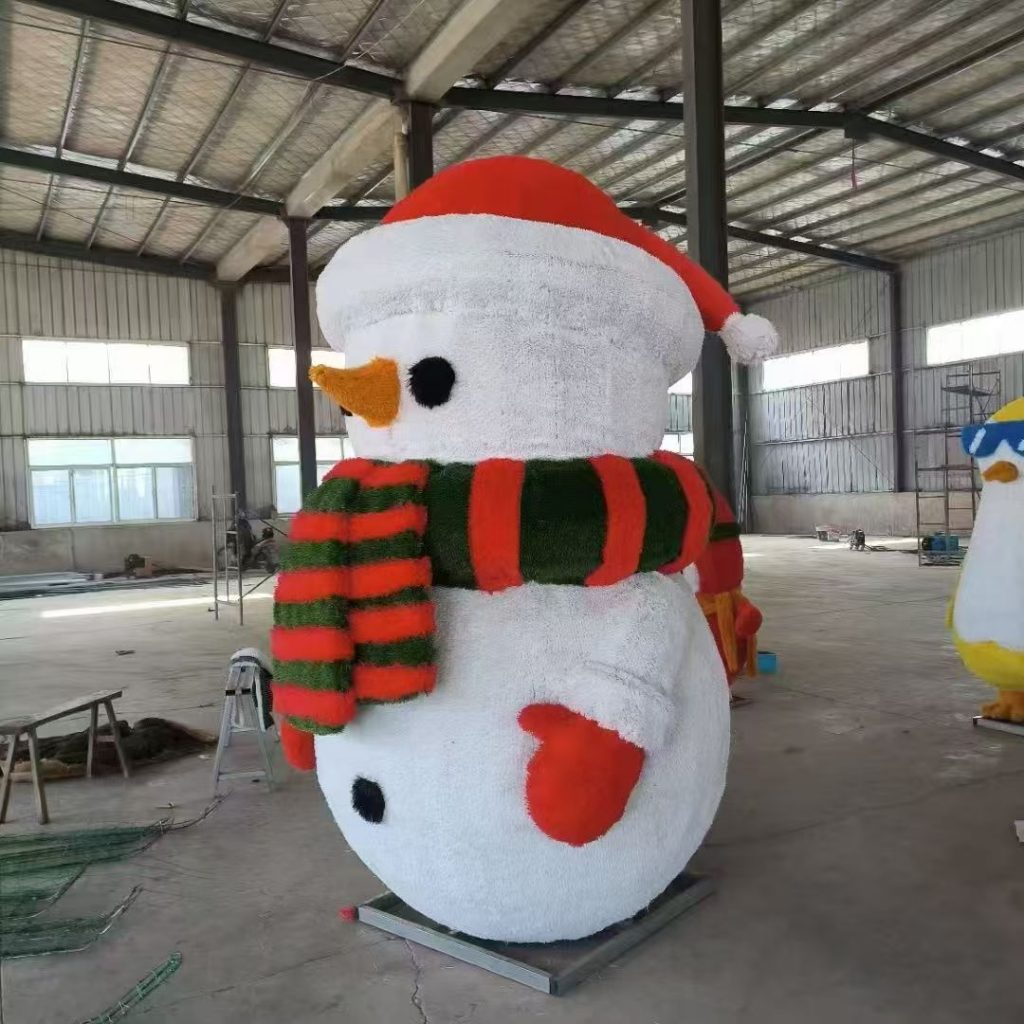
For Christmas ornament importers, product quality directly affects customer satisfaction, brand reputation, and future sales. A beautiful Christmas decoration that arrives damaged, has poor painting quality, or does not match the approved sample can lead to customer complaints, returns, and financial losses.
Because Christmas ornaments are seasonal products with limited selling periods, quality problems discovered after shipment can be difficult and expensive to solve. Therefore, implementing a professional quality control process before shipment is essential.
This guide explains how to inspect Christmas ornaments, what quality standards buyers should consider, and how to work with manufacturers to ensure reliable products.
Why Quality Control Is Important for Christmas Ornaments
Christmas ornaments are often purchased as decorative, gift, and seasonal products. Customers expect attractive designs, safe materials, and good craftsmanship.
A proper quality control system helps buyers:
- Reduce defective products
- Prevent customer complaints
- Protect brand reputation
- Avoid costly returns
- Improve customer satisfaction
- Maintain consistent product quality
- Build long-term supplier relationships
For wholesalers and retailers ordering thousands of pieces, even a small defect rate can create significant losses.
1. Confirm Product Specifications Before Production
The first step in quality control is creating a clear product specification sheet.
Important details include:
- Product design
- Size and dimensions
- Material requirements
- Color standards
- Logo position
- Surface finish
- Packaging requirements
- Quantity
- Safety requirements
A detailed specification helps manufacturers understand exactly what the buyer expects.
2. Inspect Raw Materials
Product quality starts with the materials used.
Before production, manufacturers should inspect:
Main Materials
Depending on the ornament type:
- Glass quality
- Resin consistency
- Plastic strength
- Wood condition
- Acrylic transparency
- Metal finishing
- Fabric quality
Decorative Materials
Check:
- Paint quality
- Glitter adhesion
- Printing accuracy
- Ribbons
- Hanging strings
- Decorative accessories
Poor-quality materials can affect the appearance and durability of the final product.
3. Check Product Appearance
Visual inspection is one of the most important quality checks.
Inspect for:
- Scratches
- Cracks
- Uneven painting
- Color differences
- Glue marks
- Surface defects
- Incorrect patterns
- Missing decorations
- Poor finishing
Christmas ornaments are decorative products, so appearance quality is extremely important.
4. Verify Size and Shape Accuracy
Buyers should compare finished products with approved samples.
Check:
- Product dimensions
- Weight
- Shape accuracy
- Thickness
- Hanging hole position
- Component placement
Small differences can affect packaging, display, and customer expectations.
5. Test Material Strength and Durability
Different ornament materials require different tests.
Examples:
Hanging Strength Test
Check whether:
- Hooks are firmly attached
- Strings can support the product weight
- Hanging accessories are durable
Drop Resistance Test
For plastic, resin, or acrylic ornaments, test whether products can withstand normal transportation conditions.
Surface Durability Test
Check whether:
- Paint stays attached
- Printing does not fade easily
- Decorative elements remain secure
6. Inspect Painting and Printing Quality
Many Christmas ornaments include detailed colors and patterns.
Quality inspectors should check:
- Color accuracy
- Printing position
- Pattern clarity
- Paint coverage
- Metallic finishes
- Glitter application
Common problems include:
- Uneven colors
- Missing paint areas
- Incorrect designs
- Fading colors
7. Check Packaging Quality
Proper packaging is essential, especially for fragile ornaments.
Inspect:
- Individual packaging
- Protective materials
- Product labels
- Gift boxes
- Export cartons
- Barcode information
Good packaging helps prevent damage during international transportation.
8. Perform Final Pre-Shipment Inspection
Before goods leave the factory, conduct a final inspection.
A pre-shipment inspection usually checks:
- Product quantity
- Appearance quality
- Product specifications
- Packaging
- Carton markings
- Shipping documents
Many buyers use random sampling methods based on AQL quality standards.
9. Use Third-Party Inspection Services
For large orders or new suppliers, third-party inspections provide an independent quality assessment.
Inspection companies can help with:
- Factory audits
- Production inspections
- Pre-shipment inspections
- Loading supervision
- Quality reports
This reduces risks when buyers cannot visit the factory personally.
Common Quality Problems with Christmas Ornaments
Buyers should pay attention to common defects:
Glass Ornaments
Possible issues:
- Cracks
- Uneven coating
- Poor painting
- Weak hanging parts
Resin Ornaments
Possible issues:
- Surface bubbles
- Rough edges
- Color differences
- Broken details
Wooden Ornaments
Possible issues:
- Splinters
- Poor cutting
- Incorrect engraving
- Uneven painting
Plastic Ornaments
Possible issues:
- Scratches
- Deformation
- Weak connections
- Low-quality materials
Understanding common defects helps buyers create better inspection standards.
How to Choose a Reliable Christmas Ornament Manufacturer
A professional manufacturer should have:
- Experienced production teams
- Quality control procedures
- Skilled workers
- Stable material suppliers
- Export experience
- Sample approval process
- Transparent communication
Before placing a large order, buyers should request:
- Factory photos
- Production videos
- Previous product samples
- Quality inspection reports
- Customer references
Tips to Improve Product Quality
Buyers can improve quality by:
- Providing detailed product requirements
- Approving samples before mass production
- Maintaining regular communication
- Inspecting during production
- Conducting final inspections
- Working with experienced manufacturers
Quality should be managed throughout the entire production process, not only at the end.
Conclusion
Ensuring the quality of Christmas ornaments before shipment requires careful planning, professional inspection, and cooperation with a reliable manufacturer.
From raw material selection and production monitoring to final inspection and packaging checks, every step affects the final product quality.
By choosing an experienced Christmas ornament manufacturer and implementing a complete quality control system, importers can reduce risks, deliver better products to customers, and build a successful seasonal decoration business.
FAQ
Q1: What should I check before shipping Christmas ornaments?
Buyers should inspect appearance, materials, colors, dimensions, durability, packaging, quantity, and product consistency before shipment.
Q2: Should I inspect samples before mass production?
Yes. Sample approval helps confirm design, quality, and specifications before large-scale manufacturing begins.
Q3: Can a factory provide quality inspection reports?
Professional manufacturers can usually provide internal inspection reports, and buyers can also arrange third-party inspections.
Q4: What are common defects in Christmas ornaments?
Common defects include scratches, cracks, uneven painting, incorrect colors, weak hanging parts, and damaged packaging.
Q5: How can I reduce quality problems when importing Christmas ornaments?
Choose experienced manufacturers, confirm samples, define clear specifications, inspect production, and perform pre-shipment quality checks.


No reply content