
China Glass Packaging Supplier
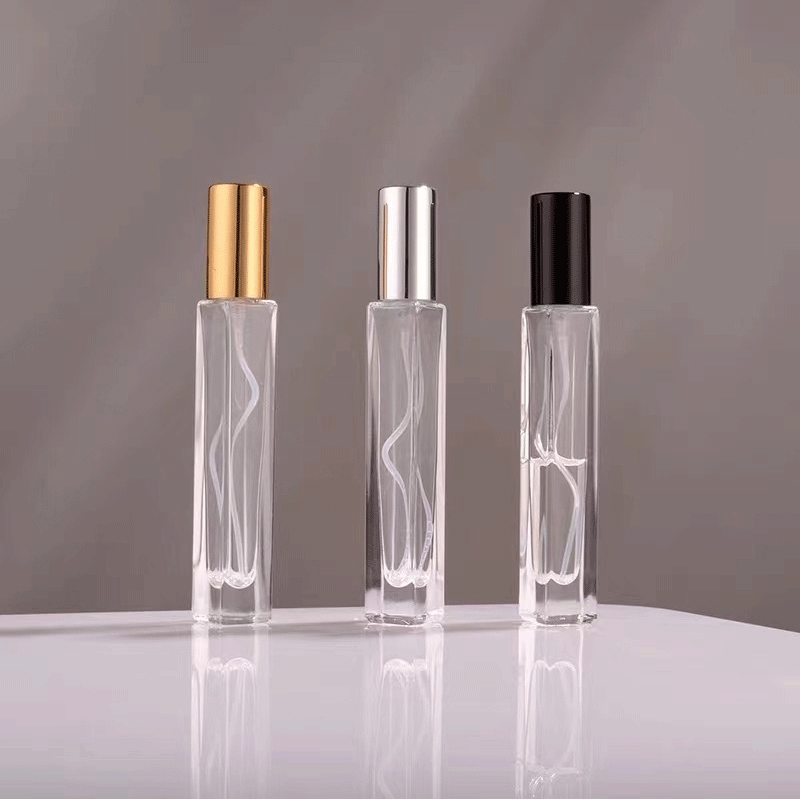
Quality control is one of the most important parts of custom glass bottle packaging. A bottle may have an attractive appearance, but it must also be strong enough for filling, storage, transportation, and everyday use.
For importers, brands, wholesalers, and manufacturers, quality problems can result in leakage, breakage, rejected shipments, customer complaints, and additional replacement costs.
This guide explains the main quality factors buyers should evaluate when purchasing custom glass bottles, including glass thickness, dimensional consistency, sealing performance, impact resistance, appearance, and inspection procedures.
1. Start With Clear Quality Requirements
Before production begins, the buyer and manufacturer should agree on measurable quality requirements.
A useful specification should include:
-
Bottle capacity
-
Bottle dimensions
-
Bottle weight
-
Glass color
-
Neck finish
-
Closure requirements
-
Surface finish
-
Printing requirements
-
Acceptable cosmetic defects
-
Dimensional tolerances
-
Packaging requirements
-
Inspection standards
Without clear specifications, it can be difficult to determine whether a product is defective or simply different from the buyer’s expectations.
For custom projects, the approved sample should also be retained as a reference for mass production.
2. Why Glass Thickness Matters
Glass thickness affects the mechanical performance and weight of the bottle.
However, there is no single thickness that is suitable for every application.
The required glass structure depends on:
-
Bottle size
-
Bottle shape
-
Product type
-
Internal pressure
-
Filling process
-
Transportation conditions
-
Closure design
-
Intended usage
-
Bottle geometry
A bottle with uneven glass distribution may be weaker even if some areas appear thick.
Therefore, quality control should evaluate the overall glass structure rather than looking only at one wall measurement.
3. Check Glass Distribution
Uniform glass distribution is an important consideration in bottle manufacturing.
During production, glass needs to be distributed appropriately throughout:
-
Side walls
-
Shoulders
-
Neck area
-
Base
-
Corners
-
Transitions
Uneven distribution can create areas that are more vulnerable to mechanical stress.
This is particularly important for custom bottles with:
-
Sharp corners
-
Deep embossing
-
Unusual curves
-
Narrow necks
-
Large shoulders
-
Heavy bases
A professional manufacturer should evaluate the bottle design during mold development to reduce potential weak points.
4. Bottle Weight Should Be Consistent
Bottle weight is a useful quality-control indicator.
If individual bottles have significant weight variations, this may indicate variation in glass distribution or production conditions.
For bulk orders, buyers should establish an acceptable weight tolerance.
Quality inspection may include randomly sampling bottles from different production batches and checking their weight.
The objective is not necessarily to make every bottle weigh exactly the same, but to ensure that production remains within the agreed specification.
5. Dimensional Accuracy Is Critical
Custom glass bottles must maintain appropriate dimensional consistency.
Important dimensions may include:
-
Overall height
-
Maximum diameter
-
Base diameter
-
Neck diameter
-
Neck height
-
Opening diameter
-
Shoulder dimensions
-
Label area
Dimensional variation can cause problems with:
-
Filling machines
-
Capping machines
-
Labeling equipment
-
Cartons
-
Closures
-
Automated production lines
For this reason, buyers using automated equipment should provide the manufacturer with the relevant equipment requirements before finalizing the bottle design.
6. Neck Finish and Closure Compatibility
The neck is one of the most critical areas of a glass bottle.
Even if the bottle body is perfect, an incorrect neck finish can cause sealing problems.
Quality inspection should verify:
-
Neck diameter
-
Neck height
-
Thread profile where applicable
-
Opening dimensions
-
Finish geometry
-
Closure fit
The bottle should be tested together with the actual closure whenever possible.
This is particularly important for:
-
Screw caps
-
Pumps
-
Sprayers
-
Droppers
-
Crimp closures
-
Cork closures
The final packaging system should be evaluated as a complete bottle-and-closure assembly.
7. How to Check Sealing Performance
Sealing performance is essential for products that must remain contained during transportation and storage.
A suitable sealing system should prevent:
-
Leakage
-
Product evaporation
-
Contamination
-
Moisture entry
-
Unwanted air exchange where relevant
The exact sealing test depends on the closure system and product.
Possible checks may include:
-
Visual inspection
-
Inversion testing
-
Leakage testing
-
Closure fit testing
-
Pressure or vacuum-related testing where appropriate
For export orders, testing should ideally be performed using production-equivalent bottles and closures.
8. Leakage Can Come From More Than the Bottle
When a package leaks, the bottle itself may not necessarily be the cause.
Potential sources include:
-
Incorrect closure
-
Damaged gasket
-
Poor cap fit
-
Incorrect neck finish
-
Insufficient sealing force
-
Bottle cracks
-
Surface defects
-
Incorrect assembly
This is why leakage investigation should examine the entire packaging system.
Manufacturers and buyers should test the bottle, closure, and sealing components together.
9. Impact Resistance Is Important
Glass bottles may experience impacts during:
-
Filling
-
Conveyor transportation
-
Carton packing
-
Pallet handling
-
Truck transportation
-
Container loading
-
Unloading
-
Retail handling
-
Consumer use
A bottle that cannot tolerate normal handling conditions may suffer from chips, cracks, or complete breakage.
Impact-related performance depends on many factors, including bottle geometry, glass distribution, defects, packaging protection, and handling conditions.
10. The Base Requires Special Attention
The bottom of the bottle is exposed to significant mechanical stress during production and transportation.
Quality inspection should examine the base for:
-
Cracks
-
Chips
-
Uneven surfaces
-
Sharp edges
-
Structural irregularities
The base should also provide adequate stability.
A bottle that does not sit correctly may be more difficult to fill, label, package, and display.
11. Inspect the Bottle for Visible Defects
Cosmetic appearance is also important, especially for premium packaging.
Common visual defects may include:
-
Bubbles
-
Stones or inclusions
-
Scratches
-
Cracks
-
Chips
-
Black spots
-
Uneven color
-
Surface marks
-
Mold lines
-
Distortion
Not every visual imperfection necessarily makes a bottle unusable. Acceptance criteria should be defined according to the product’s intended market.
Premium cosmetic or perfume packaging may require stricter appearance standards than industrial packaging.
12. Check for Cracks and Chips
Cracks and chips are particularly important because they can affect both appearance and structural integrity.
Pay special attention to:
-
Bottle mouth
-
Neck
-
Shoulder
-
Base
-
Corners
-
Embossed areas
Small chips around the neck can interfere with closure installation.
Damage around the base can affect stability and potentially increase breakage risk.
Any bottle with unacceptable structural damage should be separated during inspection.
13. Check the Bottle Mouth
The bottle opening must be properly formed to ensure compatibility with the closure.
Inspection may include:
-
Opening diameter
-
Finish height
-
Surface condition
-
Circularity
-
Thread condition where applicable
The mouth should be free from unacceptable chips or cracks.
This is particularly important for bottles used with pumps, droppers, and other precision closures.
14. Test the Actual Product
A bottle should ideally be tested with the actual product whenever possible.
Different products can interact with packaging differently.
For example, factors such as:
-
Acidity
-
Alcohol content
-
Essential oils
-
Fragrance ingredients
-
Solvents
-
Viscosity
-
Temperature
may influence packaging performance.
A bottle that performs well with water may not necessarily be suitable for every formulation.
For new products, compatibility testing should therefore be considered before large-scale production.
15. Consider Temperature Conditions
Temperature changes can affect packaging performance.
Bottles may encounter temperature variation during:
-
Filling
-
Storage
-
Transportation
-
Container shipping
-
Air freight
-
Retail storage
For products involving significant temperature changes, buyers should discuss appropriate thermal performance requirements with the manufacturer.
The exact test method depends on the product and intended application.
16. Check the Bottle After Decoration
Decoration processes can change the appearance and surface characteristics of a bottle.
Common decoration methods include:
-
Screen printing
-
Spraying
-
Frosting
-
Coating
-
Hot stamping
-
Labeling
Quality inspection should verify:
-
Logo position
-
Color consistency
-
Printing clarity
-
Adhesion
-
Surface uniformity
-
Scratch resistance where applicable
The decoration should also remain intact during normal handling and packaging.
17. Quality Control During Production
Quality inspection should not happen only after production is finished.
A stronger approach is to control quality at several stages.
Stage 1: Raw Material Control
Check the glass material and production inputs.
Stage 2: Mold Inspection
Verify that the mold matches the approved technical design.
Stage 3: First Article Inspection
Inspect initial production bottles before continuing full-scale production.
Stage 4: In-Process Inspection
Monitor bottle dimensions, weight, appearance, and production consistency.
Stage 5: Final Inspection
Inspect finished bottles before shipment.
This multi-stage approach can identify problems earlier and reduce large-scale defects.
18. Use a Sampling Inspection Plan
For large orders, inspecting every bottle individually may not be practical.
A statistical sampling approach can be used depending on the buyer’s quality requirements.
A sampling plan may define:
-
Sample quantity
-
Inspection frequency
-
Critical defects
-
Major defects
-
Minor defects
-
Acceptable quality limits
-
Rejection criteria
The exact inspection standard should be agreed before production.
Buyers should avoid assuming that every supplier uses the same inspection criteria.
19. Separate Critical, Major, and Minor Defects
Not all defects have the same importance.
A useful quality system can classify defects into three levels.
Critical Defects
These may create serious safety or functional problems.
Examples may include:
-
Dangerous glass damage
-
Serious cracks
-
Severe sealing failure
-
Structural defects
Major Defects
These may affect product performance or usability.
Examples may include:
-
Significant dimensional errors
-
Poor closure fit
-
Excessive leakage
-
Serious decoration problems
Minor Defects
These may affect appearance without significantly affecting function.
Examples may include:
-
Small cosmetic marks
-
Slight printing variation
-
Minor surface imperfections
The exact acceptance criteria should be defined for each project.
20. Packaging Quality Is Part of Bottle Quality
Even a high-quality bottle can arrive damaged if it is poorly packed.
Export packaging should protect bottles against:
-
Movement
-
Vibration
-
Impact
-
Compression
-
Moisture
-
Handling damage
Common protective solutions include:
-
Corrugated dividers
-
Individual sleeves
-
Paper separators
-
Inner boxes
-
Protective inserts
-
Strong export cartons
-
Palletization
The appropriate packaging depends on the bottle shape, weight, shipping method, and destination.
21. Transportation Testing Should Not Be Ignored
International transportation can expose glass bottles to significant handling and vibration.
Before mass shipment, consider testing the complete packaged unit rather than only the individual bottle.
The test should reflect the expected transportation environment as closely as practical.
For example, evaluate:
-
Bottle breakage
-
Closure leakage
-
Carton damage
-
Internal movement
-
Label damage
-
Pallet stability
This can help identify packaging weaknesses before a large shipment is sent.
22. Request a Pre-Production Sample
Before mass production, buyers should approve a physical sample.
The approved sample should represent the final production specification as closely as possible.
Check:
-
Bottle dimensions
-
Weight
-
Capacity
-
Shape
-
Glass color
-
Neck finish
-
Closure
-
Decoration
-
Surface quality
-
Packaging
Keep the approved sample or an agreed reference record for future comparison.
23. Ask the Manufacturer for Quality Documentation
Depending on the project, buyers may request documentation such as:
-
Product specifications
-
Inspection reports
-
Material information
-
Test reports
-
Production records
-
Packaging specifications
The exact documents required depend on the product and destination market.
For regulated or sensitive applications, additional compliance documentation may be necessary.
24. Questions to Ask a Glass Bottle Manufacturer
Before placing a large order, ask:
-
What quality standards do you use?
-
How do you control bottle weight?
-
How do you control dimensions?
-
How do you inspect bottle mouths and neck finishes?
-
How do you test sealing performance?
-
How do you manage glass defects?
-
What inspection process is used during production?
-
Can you provide a pre-production sample?
-
Can you provide a final inspection report?
-
How are bottles protected during export transportation?
-
What is your procedure for handling defective bottles?
-
Can you support third-party inspection if required?
A reliable supplier should be able to explain the quality-control process clearly.
25. Quality Checklist for Buyers
Before approving a production shipment, check:
-
[ ] Bottle capacity meets specification
-
[ ] Bottle dimensions are within tolerance
-
[ ] Bottle weight is consistent
-
[ ] Glass distribution is acceptable
-
[ ] Neck finish is correct
-
[ ] Closure fits properly
-
[ ] No unacceptable cracks or chips
-
[ ] Cosmetic defects meet agreed standards
-
[ ] Decoration is correctly positioned
-
[ ] Printing quality is acceptable
-
[ ] Leakage testing is satisfactory
-
[ ] Packaging is secure
-
[ ] Cartons are undamaged
-
[ ] Pallets are stable
-
[ ] Final inspection has been completed


No reply content