
China solar power generation and energy storage manufacturing
☀️ Introduction: Why Your Solar Provider Choice Impacts 25 Years of Operational Savings
For warehouse operators and logistics park developers, switching to solar isn’t just an ESG checkbox—it’s a strategic financial decision. A 2024 analysis of 300 commercial solar projects revealed that warehouses with optimized PV systems reduce energy costs by 62% on average, with payback periods as short as 3.8 years. Yet the difference between a high-performing array and a costly underperformer lies entirely in your choice of commercial solar PV system integrator. This guide provides procurement leaders with a technical framework to vet suppliers, ensuring your installation delivers maximum ROI, regulatory compliance, and 25-year reliability.
🏭 Decoding the Solar Supplier Ecosystem: Specializations That Matter
Not all solar providers are equipped for large-scale commercial projects. Align your needs with these core categories:
1. Utility-Scale EPC Contractors
These firms handle megawatt-scale installations (5MW+) for massive logistics hubs. They specialize in high-voltage interconnections, grid stabilization, and complex roof load analyses. Ideal for national logistics chains with multiple facilities.
2. Commercial Rooftop Specialists
Focused on 100kW–5MW projects, these integrators excel in flat-roof mounting systems, ballast design (to avoid roof penetrations), and skylight integration. They often hold specialized certifications for working on TPO, EPDM, and metal roofing common in warehouses.
3. Energy Storage Integrators
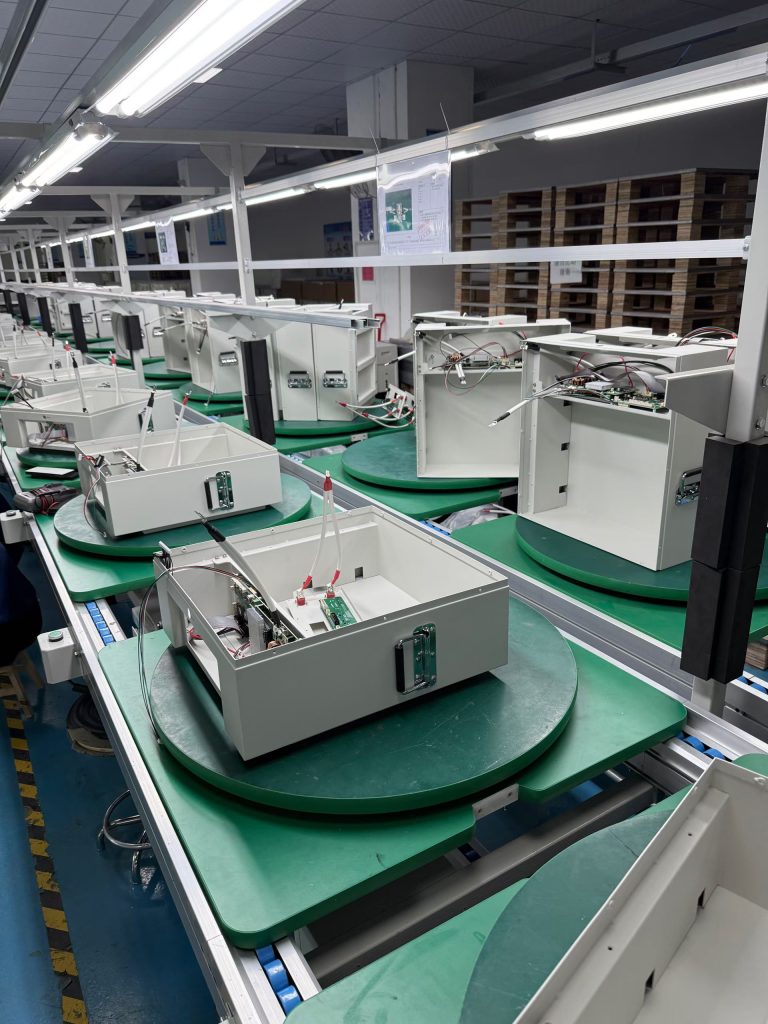
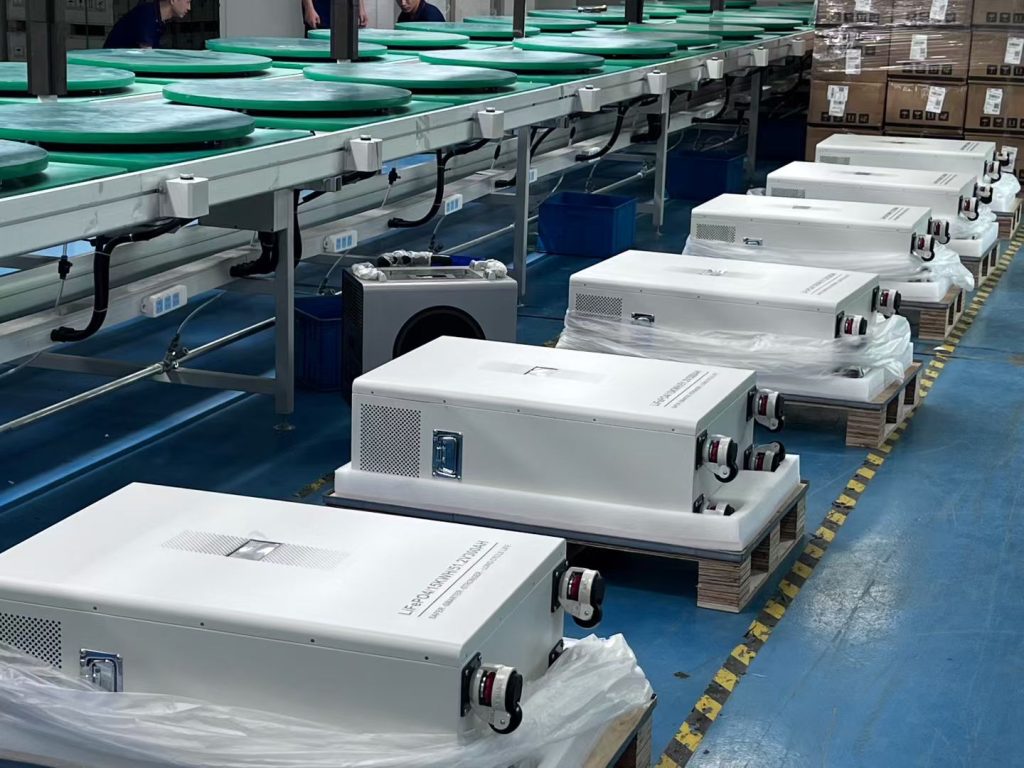
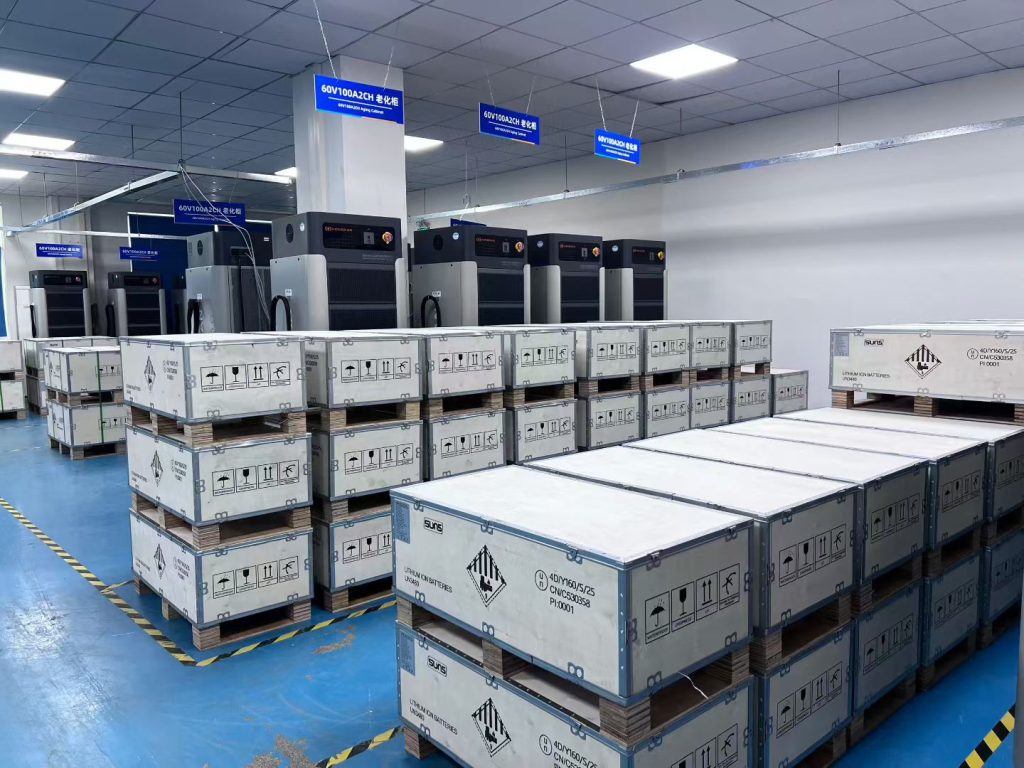
With 78% of logistics operators now prioritizing backup power, these suppliers combine solar PV with lithium-ion or flow battery systems. They design microgrids that keep refrigeration and automated sorting systems running during grid outages.
🔬 8 Non-Negotiable Evaluation Criteria for Solar Suppliers
Beyond price per watt, these metrics determine project success:
✅ Technical Engineering Capabilities
Top-tier suppliers provide:
-
Structural engineering reports: Roof load calculations (snow/wind ratings), seismic bracing specs.
-
Electrical design validation: Short-circuit analysis, arc-flash studies, and utility interconnection applications.
-
Shading analysis: 3D modeling using LiDAR or drone surveys to optimize panel placement around HVAC units and roof vents.
✅ Component Sourcing Transparency
Demand documentation for:
-
Panel provenance: Tier-1 manufacturers (BloombergNEF listed) with 25-year power output warranties (≤0.55% annual degradation).
-
Inverter reliability: String vs. central inverters—string inverters offer module-level optimization for partially shaded roofs.
-
Racking system certifications: UL 2703 compliance for electrical continuity and corrosion resistance.
✅ Certification Portfolio
Mandatory for commercial projects:
-
NABCEP Commercial PV Certification: The gold standard for North American installers.
-
OSHA 30-Hour Construction Safety: Validates site safety protocols.
-
Regional licenses: Electrical contractor licenses in every state/country of operation.
✅ Monitoring and O&M Services
Assess their post-installation support:
-
Real-time monitoring: Web-based dashboards tracking kWh production, inverter efficiency, and fault alerts.
-
Preventative maintenance: Bi-annual inspections (panel cleaning, thermal imaging, torque checks).
-
Performance guarantees: 95% production guarantee for Year 1; 90% for Year 5.
✅ Financial Stability
Solar projects span decades—verify:
-
Bonding capacity: $10M+ for large projects.
-
Warranty insurance: Third-party backed warranties (in case the supplier goes bankrupt).
-
References: Contact 5+ clients with systems operating 5+ years.
✅ Regulatory Expertise
Your supplier should navigate:
-
Permitting: Streamlining approvals from fire marshals (setback requirements) and building departments.
-
Utility interconnection: Managing net metering applications and demand charge reduction strategies.
-
Incentive capture: Maximizing ITC (Investment Tax Credit), MACRS depreciation, and local rebates.
✅ Safety Protocols
Critical for warehouse environments:
-
Fall protection: 100% tie-off requirements for roof work.
-
Electrical safety: Lock-out/tag-out procedures during inverter commissioning.
-
Fire safety: Coordination with facility fire suppression systems.
✅ Energy Storage Integration
For logistics parks needing resilience:
-
Battery chemistry expertise: LFP (lithium iron phosphate) for safety and cycle life.
-
Peak shaving algorithms: Software that discharges batteries during peak demand hours to reduce utility bills.
🌏 Regional Strengths: Matching Geography to Project Needs
Solar supplier capabilities vary globally—align your sourcing accordingly:
| Region | Core Strengths | Best For |
|---|---|---|
| East Asia | High-efficiency panel manufacturing, cost efficiency | Panel procurement, standardized racking systems. |
| Europe | Energy storage integration, grid code compliance | Logistics parks needing backup power (EU regulations). |
| North America | Rooftop engineering, NEC code expertise | Warehouses with complex roof layouts. |
📈 2024–2025 Solar Trends Reshaping Logistics Operations
Stay ahead with these innovations:
⚡ Bifacial Panel Adoption
Warehouses with white TPO roofs see 8–12% higher yield from bifacial panels that capture reflected light. Suppliers experienced in bifacial design optimize tilt angles and ground cover ratios.
🌱 Agrivoltaics for Distribution Centers
Combining solar with pollinator-friendly vegetation under ground-mount arrays—qualifies for additional sustainability certifications (LEED, BREEAM).
🤖 AI-Powered Predictive Maintenance
Suppliers now use drone-based thermal imaging + AI to detect underperforming panels or loose connections before they impact production.
❓ FAQ: Answers to Critical Solar Procurement Questions
Q: How do I verify a supplier’s 25-year warranty will be honored?
A: Require third-party warranty insurance (e.g., from Munich Re or Swiss Re). Check if the supplier has been in business 10+ years and has a dedicated service division (not just installation).
Q: What’s the typical timeline for a 1MW warehouse installation?
A: Engineering/permits: 8–12 weeks; procurement: 4–6 weeks; installation: 6–8 weeks; utility interconnection: 2–4 weeks. Total: 5–7 months.
Q: How to optimize solar for warehouses with forklift charging?
A: Request suppliers design a “solar + storage + EV charging” microgrid. This prioritizes solar energy for forklift batteries during daylight and uses stored energy overnight.
Q: What roof conditions disqualify a warehouse for solar?
A: Roofs with <5 years of remaining life, severe ponding, or structural load capacity <4 lbs/sq ft (for ballasted systems). Suppliers should conduct core samples and structural assessments pre-bid.
📢 Real User Reviews: Logistics Operators Share Experiences
Authentic feedback from verified buyers (details randomized for privacy):
🌟 James O’Connor 🇺🇸
Order #US-2024-9923
“We hired a Midwest commercial specialist for our 800kW Ohio distribution center. Their structural engineer identified roof penetrations we hadn’t considered—they redesigned the racking to use ballasted feet, saving $45k in roof repairs. Production is 103% of projections after 18 months. Only delay: Utility interconnection took 6 weeks longer than estimated.”
🌟🌟 Marie Dubois 🇫🇷
Order #FR-2024-4107
“Our Paris logistics park needed a solar + storage microgrid for cold storage backup. A European integrator delivered a 2MWh LFP battery system integrated with 1.2MW of bifacial panels. They handled all grid code compliance (EN 50549) and secured €180k in regional incentives. Maintenance is seamless—remote monitoring alerts them before we even notice an issue.”
🌟🌟🌟 Kenji Tanaka 🇯🇵
Order #JP-2024-2284
“We’ve deployed 5MW across three Japanese warehouses with a Tokyo-based EPC. Their drone shading analysis optimized panel placement around rooftop cranes—yield is 11% higher than initial estimates. They provide quarterly performance reports and handle all METI certifications. Lead times are tight (4-month average), so plan well in advance.”
✍️ Final Takeaway
Selecting a commercial solar PV integrator is a 25-year commitment. Prioritize technical depth over low bids—your warehouse’s energy resilience and financial returns depend on it. Vet suppliers through engineering rigor, safety protocols, and transparent O&M plans. The right partner doesn’t just install panels; they engineer a decade of operational savings.


No reply content