
How to Evaluate Shoe Samples Before Mass Production
Evaluating shoe samples before mass production is an essential step when sourcing footwear from China. A shoe may look attractive in photos, but problems with sizing, materials, stitching, sole bonding, comfort, or branding may only become apparent after a physical inspection.
For footwear brands, wholesalers, importers, and private-label businesses, a structured sample evaluation process helps identify problems before they affect an entire production order.
This guide explains how to inspect shoe samples, what to discuss with an OEM footwear manufacturer, and how to approve a sample before bulk production begins.
1. Why Shoe Sample Evaluation Matters
A footwear sample allows buyers to assess whether the manufacturer’s interpretation of the design matches the original requirements.
Sample evaluation is particularly important for:
- Private-label sneaker development
- OEM and ODM footwear projects
- New shoe designs or materials
- Changes to existing products
- Orders involving multiple sizes or colors
- Products with specific durability or performance requirements
A sample approval should not be based on appearance alone. Buyers should also consider construction, measurements, materials, workmanship, functionality, and compliance with the agreed specifications.
2. Check the Overall Appearance and Design
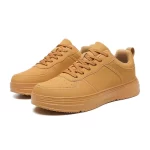
Begin by comparing the physical sample with the approved design drawings, reference images, and color specifications.
Inspect the following areas:
- Overall shoe shape and proportions
- Left and right shoe symmetry
- Panel placement and alignment
- Stitching lines and decorative details
- Logo position, size, and color
- Surface finish and visible marks
- Color consistency between components
Pay attention to small differences that may become more noticeable during mass production.
For example, a logo that is slightly misplaced on a sample may indicate that its positioning requirements need to be clarified before the factory prepares production instructions.
Record any discrepancies with photographs and written comments so the manufacturer can make the necessary corrections.
3. Inspect Materials and Workmanship
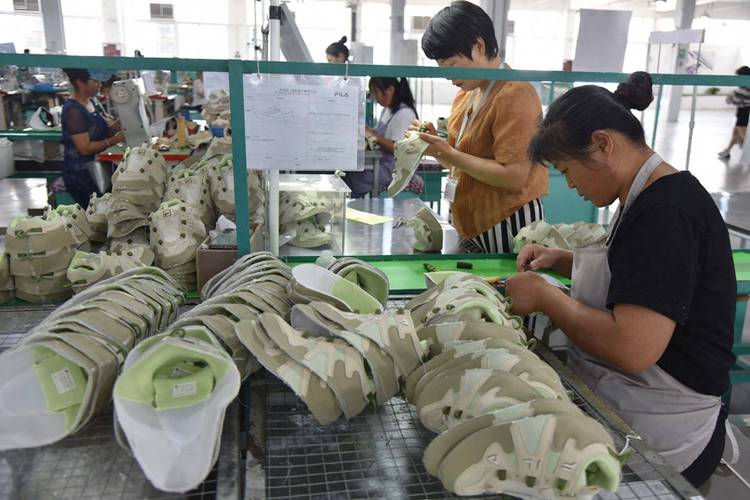
Material quality and workmanship can influence the appearance, durability, comfort, and perceived value of footwear.
Upper Materials
Check whether the upper material matches the agreed specification. Look for uneven textures, visible defects, inconsistent colors, damaged surfaces, and poorly finished edges.
For leather, synthetic leather, mesh, or canvas shoes, the inspection criteria should reflect the material’s characteristics.
Stitching and Seams
Examine stitching for loose threads, skipped stitches, uneven spacing, inconsistent tension, and poorly finished seam ends.
Inspect high-stress areas, including the toe, heel, eyelets, and areas where different panels meet.
Sole Attachment
Check the connection between the upper and the sole. Look for visible gaps, uneven bonding, excessive adhesive residue, and signs of separation.
A visual inspection cannot establish every aspect of bond strength. Where required, agree on an appropriate adhesion test and acceptance criteria with the manufacturer.
Insoles and Internal Finishing
Inspect the insole position, internal seams, lining, heel area, and edges that may affect comfort.
Check for rough surfaces, loose components, or protruding materials that could cause discomfort during use.
4. Verify Shoe Size and Fit
Sizing is one of the most important aspects of footwear sample approval.
A shoe can match the expected appearance but still be unsuitable if its fit differs from the intended size specification.
Review the following:
- Size label and sizing system
- Insole or outsole measurements where specified
- Toe-box shape and available space
- Heel fit and stability
- Width and overall fit
- Left and right shoe consistency
- Relevant measurements against the approved size chart
Specify whether the product follows US, UK, EU, or another sizing system. Do not assume that the same labeled size will fit identically across different brands or shoe designs.
If the order includes a broad size range, ask the manufacturer how the design will be graded across sizes. Depending on the project, additional samples or measurements may be necessary.
For products intended for particular activities, such as running or hiking, assess fit and function under suitable conditions before approving the design.
5. Test Functionality and Durability Requirements
The appropriate tests depend on the footwear category, materials, intended use, and destination market.
Potential evaluation areas include:
| Test area | What to evaluate |
|---|---|
| Sole adhesion | Whether the upper-to-sole bond meets agreed requirements |
| Flexibility | Whether the shoe flexes as intended for its design |
| Abrasion resistance | Whether relevant materials withstand the specified abrasion test |
| Slip resistance | Whether the product meets the required test method and performance criteria |
| Colorfastness | Whether materials meet applicable color-transfer requirements |
| Fasteners | Whether eyelets, buckles, hooks, or other components remain secure |
| Comfort and fit | Whether the sample meets the intended fit and use requirements |
Not every shoe needs every test. Agree on applicable methods and acceptance criteria before testing, and use qualified testing facilities when formal performance or compliance evidence is required.
Avoid relying only on a quick hand-pull or short walking test to establish long-term durability.
6. Check Colors, Logos, and Packaging
For private-label footwear, branding and packaging are part of the product specification.
Compare the sample against the approved requirements for:
- Upper and sole colors
- Logo artwork and placement
- Tongue labels and heel branding
- Insole printing
- Shoelaces and decorative accessories
- Shoe boxes and product labels
- Barcodes and carton markings, where applicable
For important brand colors, use approved physical references and an agreed evaluation process rather than relying exclusively on computer screens or mobile-phone photographs.
Packaging samples should also be reviewed if box dimensions, retail presentation, labeling, or shipping protection are important to the order.
7. Create a Sample Evaluation Checklist
A standardized checklist helps buyers communicate feedback clearly and consistently.
Use the following checklist during the sample review:
- [ ] Design matches the approved drawings
- [ ] Colors and materials match the specification
- [ ] Stitching and seams meet the agreed workmanship criteria
- [ ] Sole attachment shows no unacceptable visible defects
- [ ] Measurements match the approved size chart and tolerances
- [ ] Branding is correct and positioned properly
- [ ] Internal finishing meets the agreed standard
- [ ] Required functionality and performance checks are completed
- [ ] Packaging and labeling requirements are satisfied
- [ ] All defects and requested changes are documented
Classify each finding according to its severity and the agreed acceptance criteria. Critical safety or compliance concerns should be resolved before approval.
8. How to Give Clear Feedback to a Chinese Shoe Manufacturer
When a sample needs revision, avoid vague comments such as “the quality is not good” or “please improve the design.”
Instead, identify the exact problem and the required correction.
For example:
Unclear feedback: The logo position is wrong.
Better feedback: The logo is positioned too close to the rear edge of the specified panel. Please revise the placement according to the approved drawing and submit a corrected sample for review.
A useful feedback report should include:
- The relevant component or location.
- A clear photograph showing the issue.
- The applicable drawing, measurement, or specification.
- The required correction.
- Whether a new sample or additional evidence is needed.
Keep all feedback in a written record and assign a revision number to each new sample. This reduces the risk of confusion when several versions are being developed.
9. What to Confirm Before Approving Bulk Production
Before giving final approval, confirm that the manufacturer and buyer are referring to the same product version.
Review these items together:
- Final approved sample
- Current technical specification and drawings
- Materials, colors, and components
- Size range and measurement tolerances
- Logo artwork and packaging
- Agreed quality-control requirements
- Production quantity and order details
- Inspection arrangements and acceptance criteria
Record approval in writing and identify the approved sample version.
If any important specification changes after approval, document the change and determine whether a revised sample or additional testing is necessary.
Sample approval does not replace production inspection. Bulk production should still be checked against the approved reference and agreed quality requirements.
10. Common Mistakes Buyers Should Avoid
Approving a Sample Based Only on Photographs
Photographs may not reveal fit, internal finishing, material texture, or construction problems.
Better approach: Inspect a physical sample whenever practical, particularly for new designs or significant orders.
Ignoring Measurement Tolerances
Measurements can vary, and different measurement methods may produce inconsistent results.
Better approach: Agree on measurement points, methods, and acceptable tolerances before evaluating the sample.
Changing Requirements Without Updating Documents
Informal changes can result in the factory manufacturing to an outdated specification.
Better approach: Maintain a revision-controlled technical package and confirm every approved change in writing.
Skipping Production Quality Control
A good sample does not guarantee that every unit in a bulk order will be identical.
Better approach: Establish an appropriate production inspection plan and communicate the acceptance criteria before manufacturing starts.
11. Frequently Asked Questions
Why should I inspect a shoe sample before placing a bulk order?
Sample inspection helps identify design, material, sizing, construction, and branding problems before they affect a larger production quantity.
What should I do if the sample does not match my requirements?
Document the discrepancy with photographs and written feedback. Refer to the approved specification, request the necessary correction, and evaluate a revised sample when appropriate.
How many shoe samples should I request?
There is no universal number. The quantity depends on the design complexity, size range, number of colorways, materials, testing needs, and whether revisions are required.
Does an approved sample guarantee mass-production quality?
No. Sample approval establishes a reference for the product, but production materials, workmanship, and measurements still need to be checked during manufacturing.
Should I test every shoe for durability?
The testing plan depends on the product and the risks involved. Buyers should define suitable tests and acceptance criteria for the intended use, and use qualified laboratories when necessary.
What documents should I keep after approving a sample?
Keep the approved technical pack, sample photographs, revision records, measurement results, applicable test reports, written approval, and agreed production inspection requirements.
12. Find the Right OEM Footwear Manufacturing Partner
A structured shoe sample evaluation process helps footwear buyers communicate specifications, identify defects, and reduce avoidable production risks.
When assessing a potential Chinese footwear manufacturer, ask about its sample-development process, material sourcing, quality-control procedures, production inspection arrangements, and experience with your footwear category.
Before requesting a quotation, prepare a technical specification, reference images, target quantity, required sizes, branding details, and target delivery date. This information gives suppliers a clearer basis for evaluating your project.
If you are developing a new private-label footwear line, start with a detailed technical package and confirm the sample approval process before proceeding to bulk production.
Related guide: How to Create a Shoe Tech Pack for OEM Manufacturing in China
Use this guide alongside your technical specifications to create a more consistent process for evaluating footwear samples and preparing for OEM production in China.


No reply content