
Dongguan PremiumGift BoxPackaging
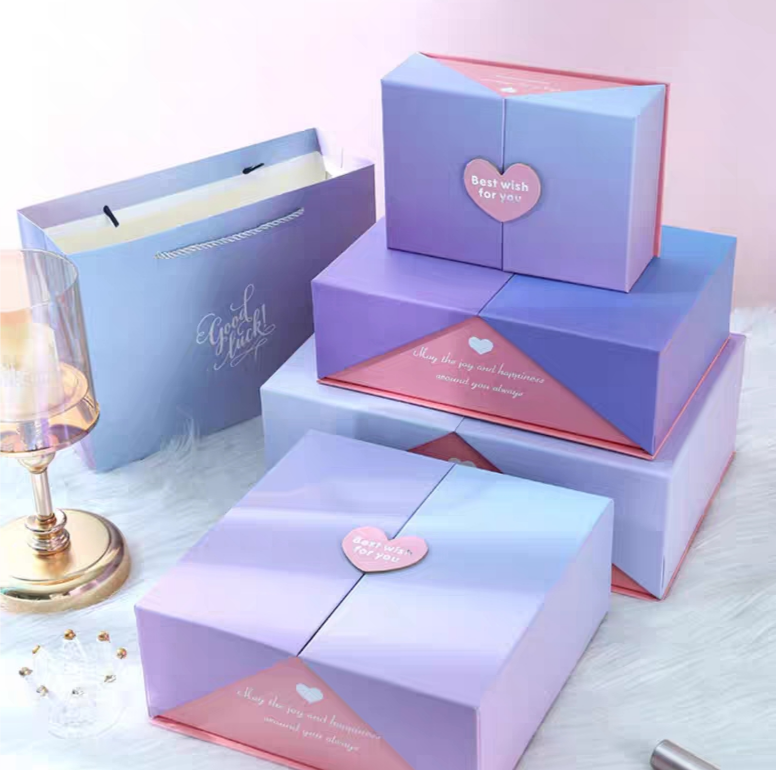
In the global e-commerce and retail landscape, high-quality gift box packaging is more than just a container—it’s a brand statement, a customer experience enhancer, and a critical differentiator. For businesses looking to source cost-effective, customizable, and reliable packaging, China remains a top destination. With its vast manufacturing ecosystem, advanced production capabilities, and competitive pricing, China offers unparalleled opportunities for finding the right gift box packaging factory. However, navigating this market requires strategy, due diligence, and a clear understanding of what to look for. This guide will walk you through every step of the process, from defining your needs to finalizing a partnership, ensuring you find a factory that aligns with your business goals.
Why China? The Advantages of Sourcing Gift Box Packaging from China
Before diving into the “how,” it’s essential to understand why China is a preferred choice for gift box packaging.
1. Unmatched Production Capacity and Variety
China is home to over 500,000 packaging manufacturers, many specializing in custom gift boxes. From luxury rigid boxes to eco-friendly kraft paper options, Chinese factories can produce nearly any design, size, or material. Whether you need a minimalist matte-finish box for cosmetics or an ornate embossed box for premium jewelry, the variety of options is staggering.
2. Cost Efficiency Without Compromising Quality
Labor and material costs in China are significantly lower than in Western countries, allowing for cost savings of 30–50% on average. However, this doesn’t mean quality is sacrificed. Many Chinese factories adhere to international standards (e.g., ISO 9001) and use advanced machinery (e.g., digital printing, automatic die-cutting) to ensure precision.
3. Agility and Customization Capabilities
Chinese manufacturers are known for their flexibility. They can handle small-batch orders (as low as 500 units) and scale up to large volumes (100,000+ units) with ease. Additionally, they often provide end-to-end services, including design support, prototyping, and logistics, streamlining the supply chain.
4. Established Supply Chain Networks
From raw materials (paper, cardboard, ribbons) to auxiliary components (magnets, foam inserts), China has a well-integrated supply chain. This reduces lead times and ensures consistent availability of materials, even for complex designs.
Step 1: Define Your Packaging Requirements
The first and most critical step is to clearly outline your needs. A vague request will lead to miscommunication, delays, and subpar results. Here’s how to structure your requirements:
1.1 Product Type and Use Case
-
Product: What will the box contain? (e.g., cosmetics, electronics, food, apparel)
-
Use Case: Is it for retail, e-commerce, gifting, or events? (E-commerce boxes need durability; luxury gifts require premium finishes.)
-
Target Audience: Are you targeting budget-conscious consumers, luxury buyers, or eco-aware customers?
1.2 Design Specifications
-
Dimensions: Length, width, height, and thickness (e.g., 20x15x5 cm).
-
Material: Cardboard (e.g., 300gsm, 350gsm), kraft paper, corrugated board, or specialty materials (e.g., velvet, wood veneer).
-
Printing: CMYK, Pantone colors, or special effects (foil stamping, embossing, debossing, UV coating).
-
Closure: Magnetic, ribbon, tuck-top, or snap-lock.
-
Inserts: Foam, EVA, or custom-molded plastic to secure the product.
1.3 Quantity and Lead Time
-
Order Volume: Small (500–5,000 units), medium (5,000–50,000), or large (50,000+).
-
Lead Time: How quickly do you need the boxes? (Standard lead time: 20–30 days; rush orders may take 10–15 days but incur extra costs.)
1.4 Budget
Set a realistic budget, considering both unit cost and hidden expenses (e.g., tooling fees, shipping, customs duties). Be transparent with potential factories to avoid surprises.
Step 2: Research Potential Factories
With your requirements in hand, it’s time to identify potential suppliers. Avoid relying solely on search engines; instead, use a multi-pronged approach to find reputable factories.
2.1 B2B Platforms: Alibaba, Made-in-China, Global Sources
These platforms are the go-to for sourcing in China. They host thousands of verified factories, but not all are equal. When using them:
-
Filter by Certifications: Look for Gold Suppliers, Trade Assurance, and certifications like ISO 9001, FSC (for sustainable materials), or BSCI (social compliance).
-
Check Reviews and Ratings: Read buyer feedback, focusing on comments about communication, quality, and on-time delivery.
-
Request Quotes: Contact 5–10 factories with your detailed requirements. Compare their prices, MOQs (Minimum Order Quantities), and lead times.
Pro Tip: Use Alibaba’s “Verified Supplier” badge as a starting point, but don’t stop there—verify further.
2.2 Industry Directories and Trade Shows
-
Directories: Websites like Kompass, Thomasnet, or the China Packaging Federation list specialized packaging manufacturers.
-
Trade Shows: Attend major events like the China International Packaging Industry Exhibition (Sino-Pack) or the Hong Kong International Printing and Packaging Fair. These shows allow you to meet factory representatives, see samples, and build relationships.
2.3 Referrals and Networking
Reach out to industry peers, import/export agents, or trade associations (e.g., the American Chamber of Commerce in China) for recommendations. Word-of-mouth referrals often lead to trusted partners.
2.4 Social Media and Online Communities
LinkedIn groups (e.g., “China Sourcing Professionals”) and forums (e.g., Reddit’s r/Chinabusiness) are great for asking for factory recommendations. You can also follow Chinese manufacturers on WeChat or Facebook to stay updated on their latest capabilities.
Step 3: Evaluate Factories: Key Criteria to Consider
Not all factories are created equal. To narrow down your list, evaluate each candidate based on the following criteria:
3.1 Experience and Specialization
-
Years in Business: A factory with 5+ years of experience is more likely to have stable processes and problem-solving skills.
-
Specialization: Does the factory focus on gift boxes, or do they produce other packaging types? A specialist is often better equipped to handle custom requests.
-
Client Portfolio: Ask for case studies or references. Do they work with brands similar to yours?
3.2 Quality Control Processes
-
In-House QC: Does the factory have a dedicated quality control team? Look for details on how they inspect materials, print quality, and finished products.
-
Certifications: As mentioned earlier, ISO 9001 (quality management) and FSC (sustainable materials) are strong indicators of reliability.
-
Sample Policy: Can they provide free or paid samples? A good factory will send a sample for approval before mass production.
3.3 Communication and Language Skills
-
Responsiveness: How quickly do they reply to emails or messages? A delay in communication during the initial phase is a red flag.
-
Language Proficiency: Do they have English-speaking staff? Misunderstandings can derail projects, so clear communication is non-negotiable.
-
Transparency: Will they share production updates, photos, and videos? A factory that keeps you in the loop builds trust.
3.4 Production Capabilities
-
Machinery: Do they have modern equipment (e.g., Heidelberg printing presses, automatic folder-gluers)? Outdated machines can lead to inconsistent quality.
-
MOQ: Is their minimum order quantity compatible with your needs? Some factories cater to small businesses with low MOQs (e.g., 200–500 units), while others require 1,000+ units.
-
Customization Support: Can they help with design? A good factory will offer DFM (Design for Manufacturability) advice to optimize your design for production.
3.5 Pricing and Payment Terms
-
Unit Cost: Compare prices, but be wary of extremely low quotes—they may indicate poor quality or hidden fees.
-
Additional Costs: Ask about tooling fees (for custom dies or molds), setup charges, and shipping costs.
-
Payment Methods: Most factories require a 30–50% deposit upfront, with the balance due before shipment. Use secure methods like Alibaba Trade Assurance to protect your payment.
Step 4: Communicate Effectively and Request Samples
Once you’ve shortlisted 2–3 factories, it’s time to engage in detailed communication.
4.1 Initial Contact: The First Email
Your first email should be concise and professional. Include:
-
A brief introduction of your business.
-
A summary of your packaging requirements (use bullet points for clarity).
-
Questions about their experience, MOQ, lead time, and pricing.
-
A request for a catalog or portfolio.
Example:
Dear [Factory Name] Team,I am [Your Name] from [Your Company], a [industry] brand looking to source custom gift boxes. We need boxes for [product type] with dimensions [X x Y x Z cm], made of [material], and printed with [color specs]. Our target MOQ is [number] units, and we need delivery within [timeframe]. Could you please share your experience with similar projects, your MOQ, lead time, and a quote? We would also appreciate a sample if possible.Best regards,[Your Name]
4.2 Requesting and Evaluating Samples
Samples are the best way to assess a factory’s quality. When requesting samples:
-
Specify Details: Mention exact materials, colors, and printing effects.
-
Pay for Samples: If the factory charges for samples, it’s a sign of seriousness. The cost is often refundable against your first order.
-
Inspect Thoroughly: Check for:
-
Print quality (no smudges, color accuracy).
-
Material strength (does it hold its shape?).
-
Closure mechanism (is it easy to open/close?).
-
Consistency (if you order multiple samples, are they identical?).
-
If a sample doesn’t meet your standards, provide specific feedback and ask for revisions. A factory that is willing to iterate is a good partner.
Step 5: Conduct Due Diligence: Verify Credibility
Before placing a large order, verify the factory’s credibility to avoid scams or low-quality suppliers.
5.1 Check Business Licenses and Certifications
-
Business License: In China, all companies must have a valid business license. You can ask the factory to provide a copy (in English or with translation).
-
Certifications: As mentioned earlier, look for ISO, FSC, BSCI, or SEDEX (social compliance) certifications. These are often listed on the factory’s website or Alibaba profile.
5.2 Verify Physical Address and Factory Visits
-
Google Maps: Search the factory’s address to confirm it’s a real location.
-
Virtual Tours: Ask for a video tour of the factory, showing production lines, storage areas, and QC stations.
-
In-Person Visit: If possible, visit the factory. This allows you to see their operations firsthand, meet the team, and build a personal relationship.
5.3 Check for Red Flags
-
Unrealistic Promises: A factory that guarantees “the lowest price” or “perfect quality” without evidence is likely untrustworthy.
-
Lack of Transparency: If a factory refuses to share information (e.g., business license, production process), walk away.
-
No Online Presence: A legitimate factory will have a website, social media profiles, or listings on B2B platforms.
Step 6: Negotiate Terms and Place an Order
Once you’re confident in a factory, it’s time to negotiate terms and place your order.
6.1 Negotiation Points
-
Price: If the quote is too high, ask for a breakdown of costs (materials, labor, overhead) and negotiate based on volume.
-
MOQ: If the factory’s MOQ is higher than your needs, ask if they can make an exception for a first order.
-
Lead Time: Discuss potential delays (e.g., holidays, material shortages) and agree on a buffer period.
-
Payment Terms: Try to negotiate a lower deposit (e.g., 20% instead of 30%) or a payment schedule tied to milestones (e.g., 30% on order confirmation, 40% on production start, 30% on shipment).
6.2 Sign a Contract
A written contract is essential to protect your interests. It should include:
-
Detailed product specifications (dimensions, material, printing, etc.).
-
Quantity, price per unit, and total cost.
-
Lead time and delivery date.
-
Payment terms and method.
-
Quality standards and inspection process.
-
Return/exchange policy for defective products.
-
Dispute resolution clause.
Pro Tip: Hire a local lawyer or use a service like Alibaba’s Trade Assurance to review the contract.
6.3 Place the Order
After signing the contract, pay the deposit and provide the final design files (in vector format, e.g., AI, PDF). Confirm the production timeline and set up regular check-ins with the factory.
Step 7: Monitor Production and Ensure Quality
Even after placing the order, you need to stay involved to ensure everything goes smoothly.
7.1 Pre-Production Meeting
Schedule a call with the factory to review the design, discuss any last-minute changes, and confirm the production plan.
7.2 In-Process Inspections
-
First Article Inspection (FAI): Once the first batch of boxes is produced, request photos or a video to check for quality.
-
During Production: Ask for updates (e.g., “50% complete”) and photos of key stages (printing, assembly, QC).
-
Pre-Shipment Inspection (PSI): Hire a third-party inspection company (e.g., SGS, Intertek) to check a random sample of the finished products. This is especially important for large orders.
7.3 Address Issues Promptly
If you find defects (e.g., misaligned prints, weak material), notify the factory immediately. A good factory will offer to rework the order or provide a partial refund.
Step 8: Logistics and After-Sales Support
The final step is getting your boxes delivered and ensuring ongoing support.
8.1 Shipping Options
-
Sea Freight: Cheapest option for large orders (lead time: 20–40 days).
-
Air Freight: Faster (3–7 days) but more expensive.
-
Courier: Best for small orders (DHL, FedEx, UPS; 3–5 days).
Work with a freight forwarder to handle customs clearance, documentation, and insurance.
8.2 After-Sales Support
-
Warranty: Ask the factory about their warranty policy for defective products.
-
Future Orders: Maintain a good relationship with the factory for future collaborations. They may offer discounts for repeat business.
Common Pitfalls to Avoid
-
Skipping Due Diligence: Rushing to place an order without verifying the factory can lead to scams or low-quality products.
-
Ignoring Communication: Poor communication is a leading cause of project failure. Set clear expectations and use tools like WhatsApp or WeChat for quick updates.
-
Overlooking Quality Control: Don’t assume the factory will handle quality on their own. Regular inspections are key.
-
Focusing Only on Price: The cheapest option is rarely the best. Balance cost with quality, reliability, and service.
Conclusion
Finding a gift box packaging factory in China is a strategic process that requires research, due diligence, and clear communication. By defining your needs, evaluating factories based on key criteria, and staying involved throughout production, you can find a partner that delivers high-quality, cost-effective packaging tailored to your brand. Remember, the goal is not just to find a factory—it’s to build a long-term relationship that supports your business growth.
With China’s vast manufacturing ecosystem and your careful planning, you’ll be well on your way to creating packaging that delights your customers and elevates your brand.


No reply content