
China Professional Hair Clipper Manufacturing Co., Ltd.
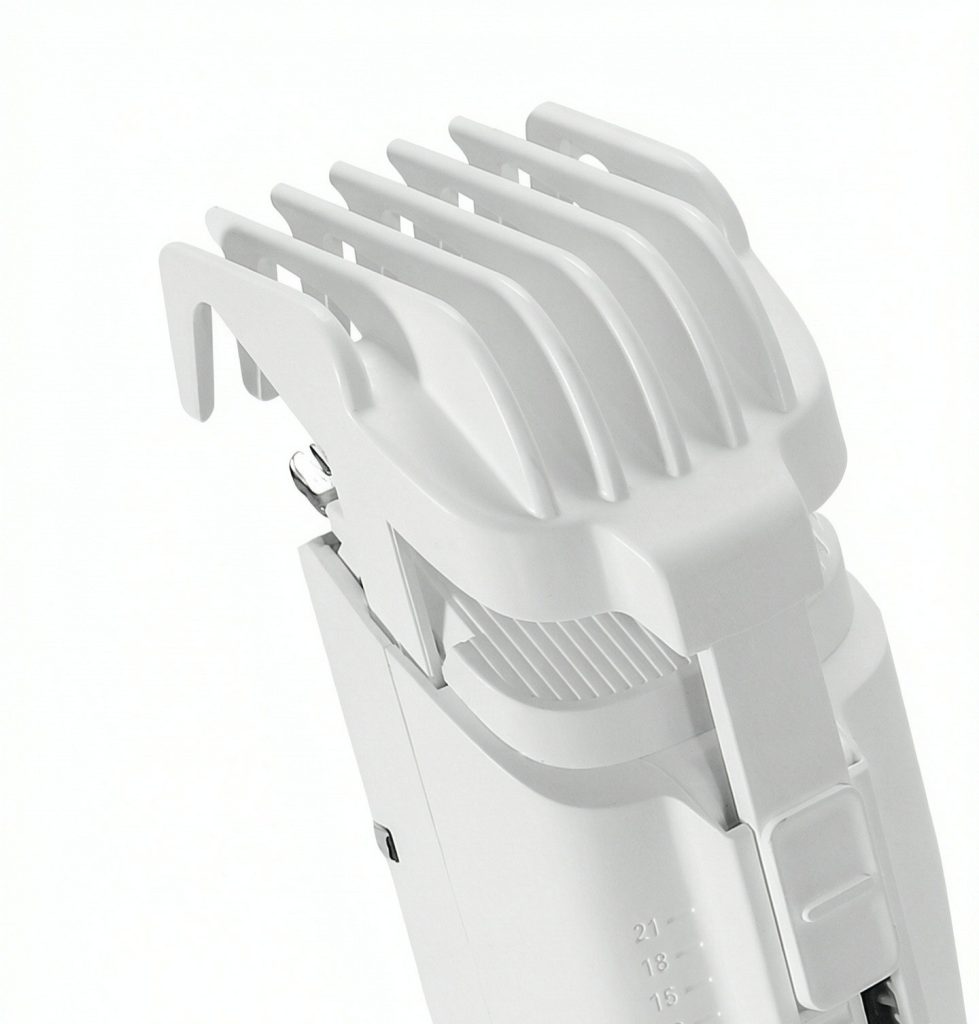
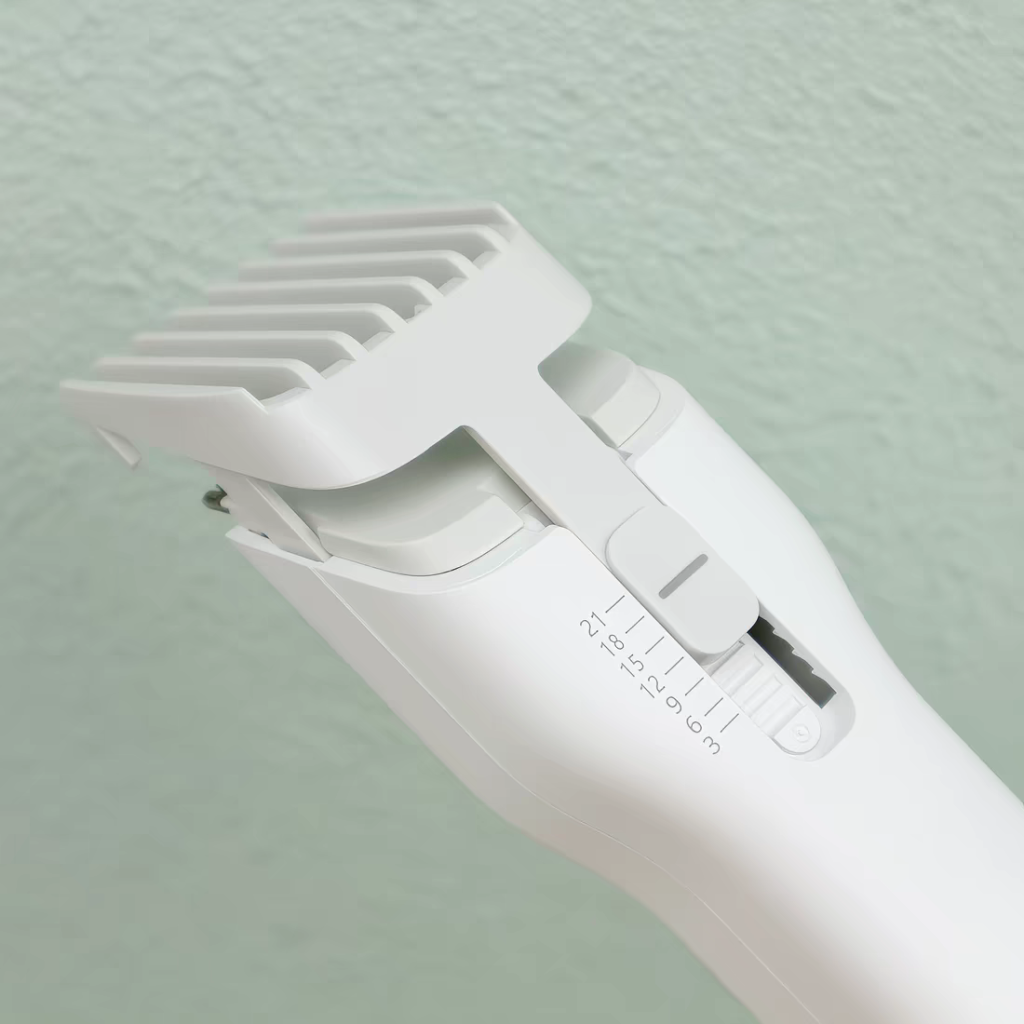
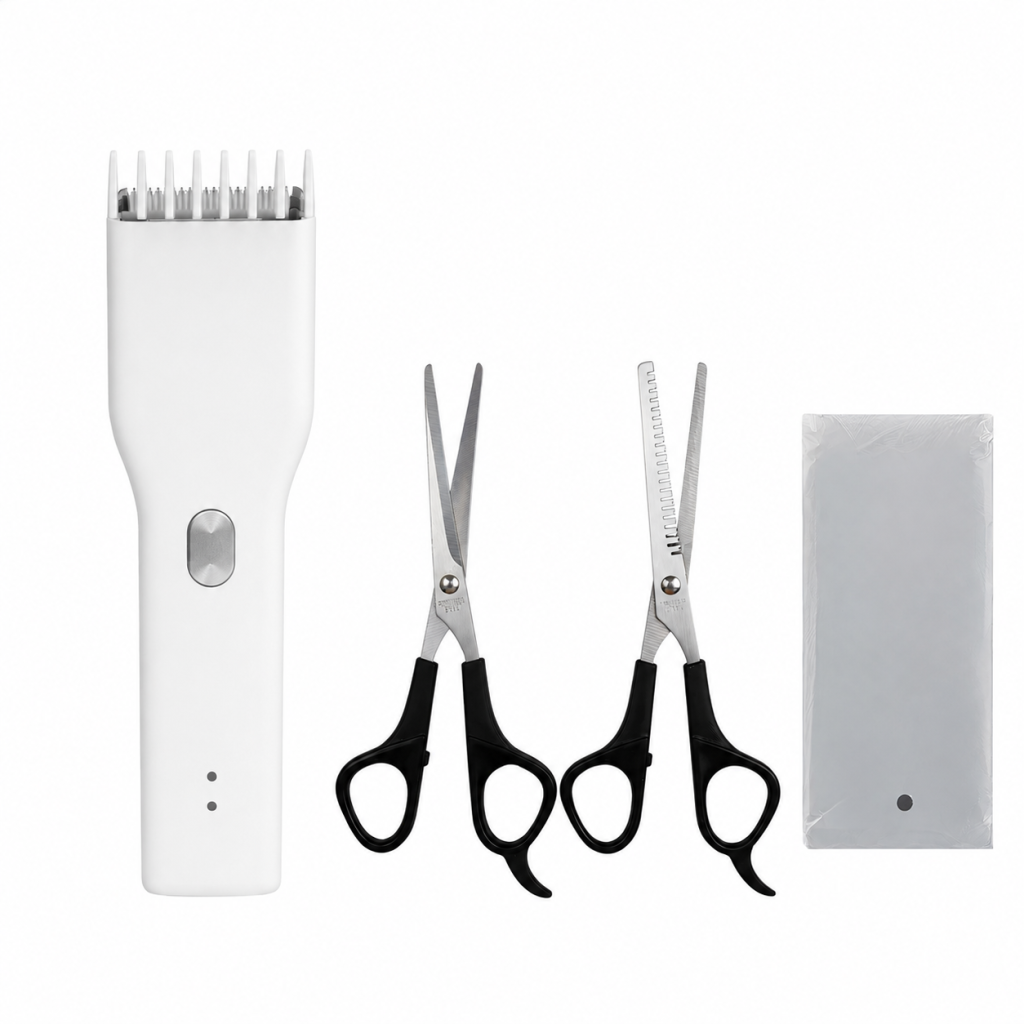
Finding a reliable Chinese hair clipper manufacturer can be a good option for importers, distributors, barbershop suppliers, online retailers, and private-label brands. China has a large manufacturing base for electric hair clippers, cordless trimmers, beard trimmers, professional barber equipment, and personal grooming products.
However, finding a supplier is easy. Finding a manufacturer that consistently delivers the quality you need is much more difficult.
A supplier may offer an attractive price and professional-looking catalog, but that does not automatically mean the factory is suitable for long-term cooperation.
This guide explains how buyers can evaluate a Chinese hair clipper manufacturer before placing a commercial order.
1. Define Your Hair Clipper Requirements First
Before contacting factories, determine exactly what you want to buy.
A manufacturer cannot provide a useful quotation if the product requirements are unclear.
Consider the following specifications:
-
Professional or household use
-
Corded or cordless operation
-
Motor type and performance
-
Blade material
-
Adjustable or fixed blade
-
Battery type and capacity
-
Charging method
-
Operating time
-
Charging time
-
Product dimensions
-
Product weight
-
Accessories
-
Packaging
-
Logo requirements
-
Target market
-
Expected order quantity
For example, a professional barber clipper and a low-cost household clipper may look similar but have very different internal components and performance requirements.
The clearer your requirements are, the easier it becomes to compare manufacturers.
2. Search for Manufacturers That Actually Produce Hair Clippers
When searching for Chinese suppliers, do not immediately choose the company with the lowest quotation.
Look at the manufacturer’s product range.
A factory that has been producing hair clippers and trimmers for years will usually have more experience with:
-
Motor assembly
-
Blade production or sourcing
-
Battery integration
-
PCB assembly
-
Product testing
-
Plastic housing
-
Charging systems
-
Packaging
-
Export orders
-
OEM/ODM production
A supplier that sells dozens of unrelated products may be a trading company rather than a specialized manufacturer.
That does not automatically make it unreliable, but you should understand the supply chain before making a decision.
3. Verify the Company’s Basic Information
Once you find a potential supplier, collect basic company information.
Ask for:
-
Full legal company name
-
Business registration information
-
Factory address
-
Production facility location
-
Main products
-
Years in business
-
Main export markets
-
Production capacity
-
Number of employees
-
OEM/ODM experience
The information should be reasonably consistent across the supplier’s website, quotation, product catalog, company documents, and communication.
If the company gives different factory names or addresses at different stages of negotiation, ask for clarification before proceeding.
4. Ask for a Factory Video or Factory Tour
A factory video can provide useful information, although it should not be treated as complete proof of manufacturing capability.
Ask the supplier to show:
-
Production lines
-
Assembly areas
-
Testing equipment
-
Packaging areas
-
Warehouses
-
Quality-control stations
-
Finished-product storage
For larger orders, an on-site factory visit or independent factory inspection can provide much stronger evidence.
If visiting China is not practical, a third-party inspection company can sometimes conduct a factory audit on your behalf.
5. Examine the Manufacturer’s Product Range
A professional hair clipper manufacturer should normally understand the technical differences between its products.
Ask questions such as:
Which model is designed for professional barbers?
Which model is better for home users?
Which model has the strongest motor?
Which model has the longest operating time?
Which blade is suitable for coarse or thick hair?
Which model is your most commonly exported product?
The quality of the answers can tell you whether the supplier understands the product or is simply repeating information from a catalog.
6. Request Product Samples
Never judge a manufacturer solely from photographs.
Request samples before making a large order.
When the sample arrives, test it carefully.
Motor performance
Check whether the motor starts smoothly and maintains stable performance during use.
Cutting performance
Test different hair types and observe whether the clipper cuts cleanly or pulls hair.
Heat
Run the clipper continuously for a reasonable period and check whether the housing becomes excessively hot.
Noise
A professional clipper should not have unnecessarily high mechanical noise or abnormal sounds.
Vibration
Excessive vibration can make long-term professional use uncomfortable.
Blade
Check the blade’s sharpness, adjustment mechanism, alignment, and finishing quality.
Battery
Measure actual operating time instead of relying only on the supplier’s specification.
7. Compare the Actual Battery Performance
Battery claims deserve special attention when buying cordless hair clippers.
A supplier may advertise a large battery capacity, but buyers should distinguish between the stated battery specification and actual usable performance.
Ask for:
-
Battery chemistry
-
Rated voltage
-
Rated capacity
-
Charging time
-
Expected operating time
-
Charging cycles
-
Battery protection functions
-
Charger specifications
If the product is intended for export, also confirm whether the charger is suitable for the destination market.
For example, electrical requirements can differ between markets, so the correct plug, voltage, and applicable compliance documentation should be confirmed before production.
8. Check Blade Quality
Blade performance has a direct impact on customer satisfaction.
Ask the manufacturer about:
-
Blade material
-
Blade coating
-
Blade manufacturing process
-
Blade hardness
-
Blade adjustment
-
Replacement blades
-
Maintenance requirements
A supplier should also be able to explain how customers should clean and maintain the blade.
For professional products, replacement blades and spare parts can be particularly important because barbers may use their equipment heavily.
9. Evaluate OEM and Private-Label Capability
If you plan to sell the clipper under your own brand, check the manufacturer’s OEM capability early.
Potential customization may include:
-
Brand logo
-
Product color
-
Housing design
-
Retail packaging
-
User manual
-
Accessories
-
Labels
-
Gift boxes
-
Product stickers
Ask the manufacturer whether the customization is done in-house or outsourced.
Also ask about:
-
MOQ
-
Sample charges
-
Logo setup costs
-
Packaging costs
-
Mold charges
-
Production lead time
-
Artwork requirements
Do not assume that a factory offering OEM automatically provides unlimited customization.
10. Understand the MOQ
MOQ can vary considerably between manufacturers.
For example, a factory may accept a relatively small order for an existing model but require a larger quantity for:
-
Custom colors
-
Custom packaging
-
New housing
-
New molds
-
Special accessories
-
Customized electronics
If you are a new brand, tell the factory your expected first-order quantity.
Some manufacturers may recommend an existing platform rather than developing a completely new product for a small initial order.
11. Check Quality-Control Procedures
A reliable factory should have a systematic quality-control process.
Ask how it checks products during:
Incoming inspection
Components such as motors, batteries, blades, switches, chargers, and plastic parts should meet defined requirements.
Assembly inspection
Workers should verify that components are installed correctly.
Functional testing
Finished clippers should be tested for basic operation, charging, switching, and motor performance.
Final inspection
Appearance, accessories, labels, packaging, and product operation should be checked before shipment.
For larger orders, buyers may establish their own inspection criteria.
12. Verify Documentation for Your Target Market
The documentation required depends on the destination country and product configuration.
Before ordering, tell the manufacturer where you intend to sell the products.
Then ask which relevant documents are available for the exact model.
Do not assume that documentation for one model automatically applies to another model.
This is particularly important when the product contains:
-
Rechargeable batteries
-
Chargers
-
Electronic control boards
-
Wireless functions
The manufacturer should be able to identify the applicable documentation rather than simply sending a generic certificate.
13. Compare More Than Three Suppliers
One supplier is not enough for a meaningful comparison.
A practical approach is to shortlist several manufacturers and request similar information from each one.
Compare:
Factor |
Supplier A |
Supplier B |
Supplier C |
|---|---|---|---|
Product model |
|||
MOQ |
|||
Sample price |
|||
Unit price |
|||
Motor |
|||
Blade |
|||
Battery |
|||
OEM |
|||
Packaging |
|||
Lead time |
|||
Warranty |
|||
Quality control |
This makes price differences easier to understand.
A cheaper quotation may simply contain fewer accessories, lower-grade components, simpler packaging, or different specifications.
14. Look at Communication Quality
Communication is an underrated factor when choosing a manufacturer.
Pay attention to whether the supplier:
-
Answers questions directly
-
Understands technical specifications
-
Provides complete quotations
-
Responds consistently
-
Explains problems honestly
-
Provides documents when requested
-
Keeps track of changes
If communication becomes difficult before the order, it may become even more difficult after you have paid a deposit.
A good supplier should be able to communicate clearly about both good news and problems.
15. Discuss Warranty and After-Sales Service
Before placing an order, ask what happens when customers receive defective products.
Important questions include:
-
What is the warranty period?
-
What defects are covered?
-
How are defective units handled?
-
Are replacement parts available?
-
Can the factory supply replacement batteries?
-
Can replacement blades be purchased separately?
-
Who pays the cost of replacement shipping?


No reply content