
China Professional Hair Clipper Manufacturing Co., Ltd.
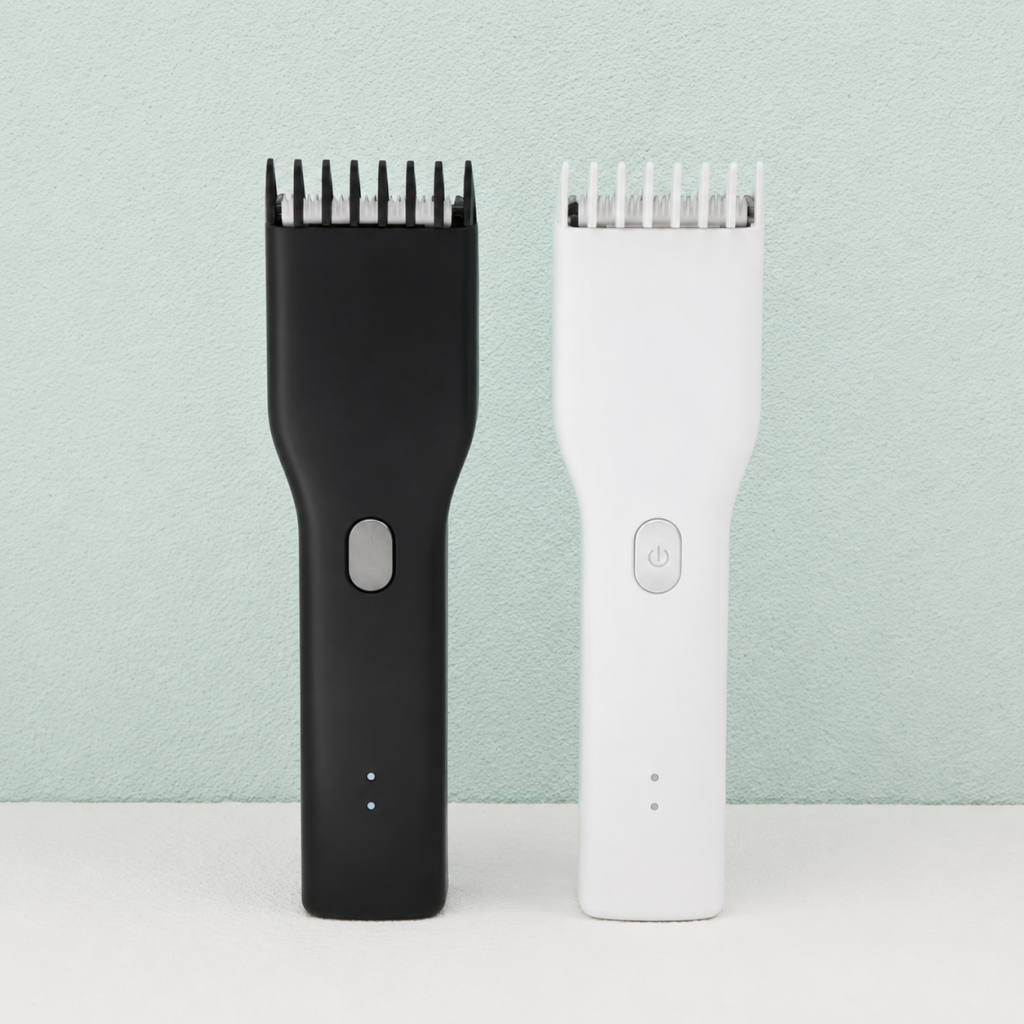
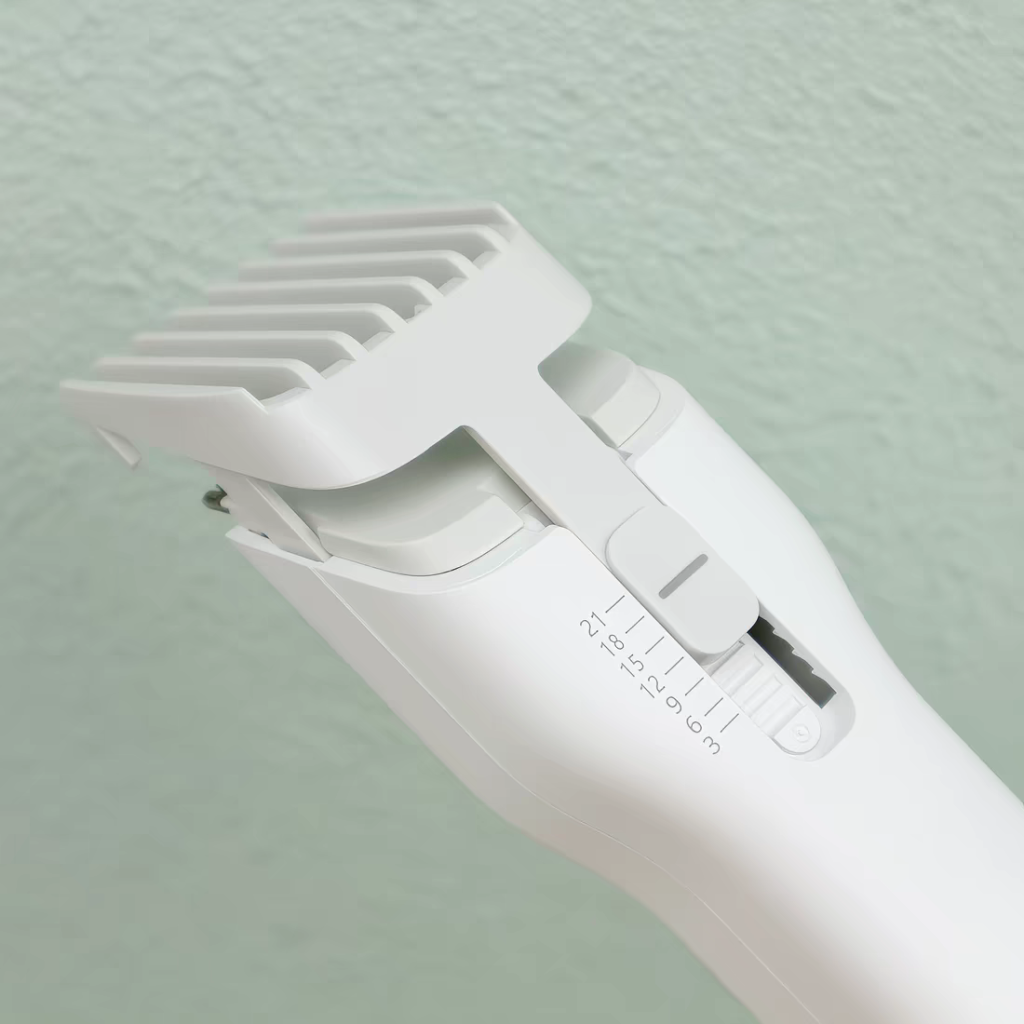
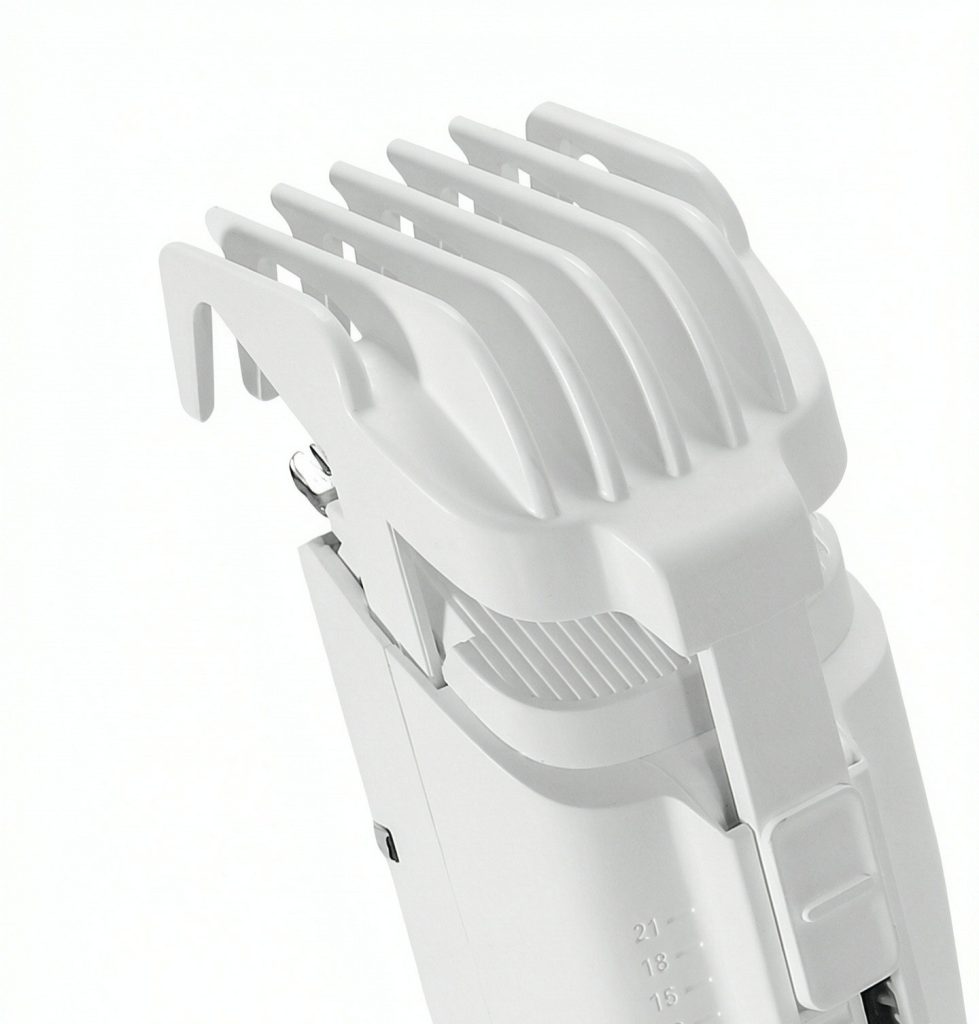
Finding a hair clipper manufacturer in China is relatively easy. The difficult part is finding a supplier that can consistently provide the right quality, price, specifications, customization, and delivery time for your business.
Whether you are a barber equipment distributor, retailer, salon supplier, importer, or building your own private-label brand, choosing the right manufacturer can have a major impact on your product quality and profit margin.
This guide explains what buyers should check before placing an order with a Chinese hair clipper manufacturer.
1. Define the Hair Clipper You Need
Before contacting manufacturers, clearly define the product.
Hair clippers can differ significantly in design and application.
You may be looking for:
-
Professional hair clippers
-
Cordless hair clippers
-
Electric hair clippers
-
Hair trimmers
-
Beard trimmers
-
Barber clippers
-
Rechargeable clippers
-
Heavy-duty salon clippers
-
Lightweight consumer clippers
-
Corded hair clippers
You should also define important specifications such as:
-
Motor type
-
Motor speed
-
Blade material
-
Blade width
-
Battery capacity
-
Charging method
-
Working time
-
Charging time
-
Voltage
-
Power
-
Product weight
-
Accessories
-
Packaging
-
Logo requirements
The more specific your requirements are, the easier it becomes to compare manufacturers.
2. Check Whether the Supplier Is a Real Manufacturer
One of the first things to determine is whether you are dealing with a factory or a trading company.
A trading company is not necessarily bad, but if your goal is long-term OEM production, direct communication with a manufacturer can be beneficial.
Ask the supplier for:
-
Factory location
-
Production workshop information
-
Main products
-
Production capacity
-
Manufacturing experience
-
Quality-control process
-
OEM experience
-
Export markets
-
Product catalog
You can also request recent production photos or videos.
Don’t choose a manufacturer simply because its website looks professional.
The real question is whether it has the production capability to meet your requirements.
3. Check the Motor
The motor is one of the most important components of an electric hair clipper.
Ask the manufacturer about:
-
Motor type
-
Motor speed
-
Torque
-
Operating noise
-
Heat generation
-
Expected service life
-
Motor supplier
-
Performance under continuous use
A clipper designed for professional barbers may have different motor requirements from a basic household product.
If your target customers are professional barbers, test the clipper under realistic working conditions rather than relying only on the manufacturer’s specifications.
4. Check the Blade Quality
The blade directly affects cutting performance.
Ask what material is used and how the blade is manufactured.
Common considerations include:
-
Stainless steel
-
Carbon steel
-
Ceramic components
-
Titanium-coated surfaces
-
Fixed blade
-
Moving blade
-
Blade gap
-
Blade adjustment
-
Corrosion resistance
The exact material is less important than whether the finished blade performs consistently and maintains its cutting performance.
For your first order, test several samples rather than only one unit.
5. Check the Battery
For cordless hair clippers, battery performance is critical.
Ask about:
-
Battery type
-
Battery capacity
-
Rated voltage
-
Charging time
-
Operating time
-
Battery protection
-
Charging interface
-
Battery replacement options
A manufacturer may advertise a long operating time, but actual performance depends on motor load, battery capacity, operating conditions, and product design.
Test the actual product before placing a large order.
For international sales, battery transportation and documentation requirements should also be considered.
6. Ask for Samples
A sample is one of the best ways to evaluate a hair clipper manufacturer.
Don’t place a large order based only on photographs.
Test the sample for:
-
Cutting performance
-
Motor power
-
Noise
-
Vibration
-
Heat
-
Battery life
-
Charging
-
Blade adjustment
-
Switch operation
-
Housing quality
-
Ergonomics
-
Accessories
-
Packaging
If you are developing your own brand, ask the manufacturer to produce the sample with your proposed logo or packaging if possible.
7. Compare Manufacturers Using the Same Specification
Suppose you contact five manufacturers and simply ask:
“How much is your hair clipper?”
You may receive completely different quotations.
This doesn’t necessarily mean one factory is expensive.
The products may have different:
-
Motors
-
Batteries
-
Blades
-
Materials
-
Accessories
-
Chargers
-
Packaging
-
Quality standards
Instead, send every manufacturer the same specification.
For example:
Product: Professional cordless hair clipper
Motor: High-speed motor
Battery: Rechargeable lithium battery
Working time: Target specification
Blade: Stainless steel
Charging: USB-C
Logo: Private label
Packaging: Custom box
Quantity: 1,000 units
This makes price comparisons much more meaningful.
8. Check OEM and Private-Label Capability
If you are creating your own hair clipper brand, OEM capability is important.
Ask whether the manufacturer can customize:
-
Logo
-
Housing color
-
Product design
-
Blade configuration
-
Battery
-
Accessories
-
Packaging
-
User manual
-
Labels
-
Barcode
-
Gift box
Some factories only print a logo on an existing product.
Others can modify the product itself.
These are very different levels of OEM capability.
9. Understand the Manufacturing Price
Hair clipper prices vary widely depending on specifications.
As a broad factory-level planning reference:
Hair Clipper Type |
Approximate Factory Price |
|---|---|
Basic electric clipper |
US$8–18 |
Standard cordless clipper |
US$12–30 |
Professional barber clipper |
US$20–45 |
Premium private-label clipper |
US$30–60+ |
Advanced customized model |
US$40–80+ |
These are indicative manufacturing ranges, not fixed quotations.
Actual pricing depends on:
-
Motor
-
Battery
-
Blade
-
Housing
-
Accessories
-
Quantity
-
Customization
-
Packaging
-
Quality requirements
A quotation should always be evaluated together with the actual specification.
10. Check the Accessories
A hair clipper may be sold with:
-
Guide combs
-
Cleaning brush
-
Blade oil
-
Charging cable
-
Charger
-
Protective cap
-
Storage bag
-
Stand
-
User manual
When comparing suppliers, make sure you are comparing the same accessory package.
A supplier offering a US$12 clipper may not actually be cheaper if another supplier’s US$15 quotation includes substantially more accessories.
11. Check Packaging
If you are selling the product under your own brand, packaging is part of the product.
Check:
-
Box material
-
Printing quality
-
Logo
-
Product information
-
Barcode
-
Warning information
-
User manual
-
Inner protection
-
Carton packaging
For export orders, ask about master carton dimensions and gross weight.
This information is also useful when calculating international shipping costs.
12. Check Quality Control
A reliable manufacturer should have a defined quality-control process.
Ask how the factory checks products during:
Component inspection → assembly → functional testing → charging test → appearance inspection → final inspection → packaging
For rechargeable products, quality control should pay particular attention to:
-
Battery
-
Charging system
-
Motor
-
Blade
-
Switch
-
Electrical connections
For large orders, consider arranging a pre-shipment inspection.
13. Check Production Capacity
A manufacturer may be suitable for a 100-piece order but unable to handle 10,000 units consistently.
Ask about:
-
Monthly production capacity
-
Current production schedule
-
Lead time
-
Peak-season capacity
-
Backup production arrangements
If you are building a growing brand, choose a supplier that can potentially scale with your business.
14. Ask About Certifications and Compliance
The certifications and regulatory requirements depend on your destination market and product configuration.
Before ordering, ask the manufacturer what documentation is available for your target market.
Depending on the destination and product, buyers may need to consider requirements related to:
-
Electrical safety
-
Electromagnetic compatibility
-
Battery transportation
-
Product labeling
-
Charger requirements
-
Packaging and environmental regulations
Do not simply accept a statement such as “all certificates available.”
Ask to review the actual documentation relevant to your specific model.
15. Check Communication
Good communication can make international sourcing much easier.
Pay attention to whether the manufacturer:
-
Answers technical questions clearly
-
Understands your specifications
-
Provides detailed quotations
-
Responds consistently
-
Explains production problems
-
Provides samples on time
-
Gives realistic lead times
-
Supports after-sales issues
If a supplier avoids detailed questions before the first order, it may become difficult to manage a larger OEM project later.
16. Start With a Small Trial Order
If this is your first cooperation with a factory, a small trial order can reduce risk.
A practical process is:
Supplier verification → sample → testing → trial order → quality inspection → larger order
During the trial order, evaluate:
-
Product consistency
-
Defect rate
-
Packaging
-
Delivery time
-
Communication
-
After-sales support
If the supplier performs well, you can gradually increase the order quantity.
17. Don’t Choose the Cheapest Manufacturer
Price is important, but it should not be your only selection criterion.
Imagine three quotations:
Supplier |
Price |
Quality |
OEM |
Production |
|---|---|---|---|---|
A |
US$10 |
Basic |
Limited |
Medium |
B |
US$18 |
Good |
Good |
Strong |
C |
US$30 |
Premium |
Extensive |
Strong |
For a discount retailer, Supplier A may be suitable.
For a professional barber brand, Supplier B or C may provide better overall value.
The right manufacturer depends on your target market.
18. Questions to Ask Before Placing an Order
Before choosing a Chinese hair clipper manufacturer, ask:
-
Are you a factory or trading company?
-
How long have you manufactured hair clippers?
-
What motor options do you provide?
-
What blade materials are available?
-
What battery options are available?
-
How long can the clipper operate?
-
How long does charging take?
-
Can you provide samples?
-
Can you provide OEM/private-label services?
-
What is the MOQ?
-
What is the factory price at different quantities?
-
What accessories are included?
-
Can you customize the packaging?
-
What is the production lead time?
-
What quality-control procedures do you use?
-
What compliance documents are available for my market?


No reply content