
China Surfboard and Snowboard Manufacturer Co., Ltd.
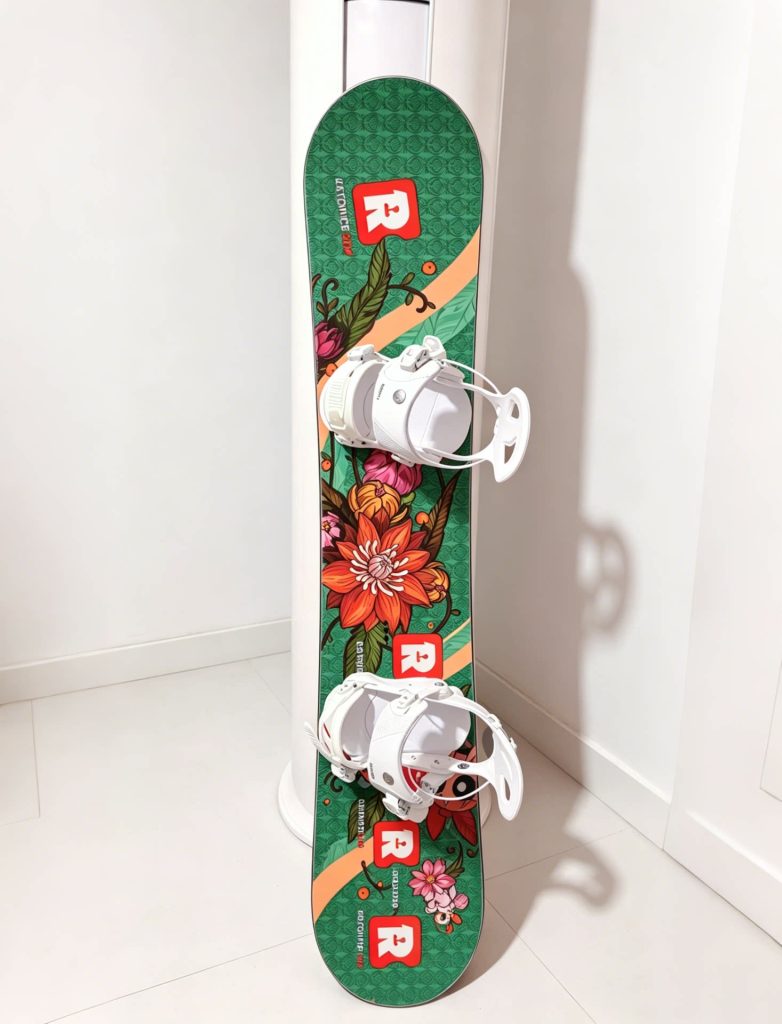
Finding a suitable snowboard factory in China is an important step for brands, distributors, sporting-goods retailers, ski shops, and e-commerce businesses that want to launch their own snowboard products.
China can offer competitive manufacturing costs and flexible OEM and private-label options. However, not every supplier has the same production capability. Some suppliers manufacture snowboards themselves, while others are trading companies working with different factories.
If you need custom snowboards, the supplier’s engineering capability, material quality, production consistency, and experience with international orders are often more important than the initial quotation.
This guide explains how to find and evaluate a Chinese snowboard factory for custom and private-label production.
1. Decide Between Private Label and Custom OEM
Before searching for a factory, determine what type of production you need.
Private Label Snowboards
Private label usually means selecting an existing snowboard model and adding your own branding.
Typical customization includes:
-
Brand logo
-
Graphics
-
Topsheet design
-
Base artwork
-
Packaging
-
Product labels
-
User manual
-
Accessories
This is usually a simpler option for startups because development costs and lead times can be lower.
Custom OEM Snowboards
OEM production allows deeper customization.
Depending on the factory, you may be able to customize:
-
Board shape
-
Length
-
Width
-
Camber
-
Flex
-
Core construction
-
Base
-
Fiberglass
-
Resin
-
Edge configuration
-
Inserts
-
Graphics
-
Packaging
A completely new snowboard design may require engineering, prototypes, and tooling.
2. Search for the Right Type of Manufacturer
Use specific search terms instead of simply searching for “snowboard supplier.”
Useful keywords include:
-
China snowboard manufacturer
-
China snowboard factory
-
snowboard OEM manufacturer China
-
private label snowboard manufacturer
-
custom snowboard factory China
-
snowboard supplier China
-
snowboard production factory
You can search through manufacturer websites, B2B platforms, industry exhibitions, business directories, and professional sourcing channels.
Try to create a shortlist of at least several potential suppliers rather than choosing the first company you find.
3. Verify That the Supplier Is a Real Factory
This is one of the most important steps.
Ask the supplier:
-
Where is the factory located?
-
How many years have you manufactured snowboards?
-
What is your annual production capacity?
-
How many production lines do you have?
-
What snowboard types do you manufacture?
-
Do you have an engineering department?
-
Do you manufacture molds internally?
-
Which production processes are outsourced?
You can also request:
-
Factory photos
-
Production videos
-
Product catalogs
-
Company information
-
Sample products
-
Factory audit information
For larger orders, consider an independent factory inspection.
4. Check the Factory’s Snowboard Experience
A general sporting-goods manufacturer is not necessarily a good snowboard manufacturer.
Snowboards require specialized knowledge of:
-
Wood cores
-
Fiberglass layup
-
Resin systems
-
Base materials
-
Metal edges
-
Inserts
-
Pressing
-
Camber
-
Flex
-
Grinding
-
Finishing
Ask the supplier how many years it has produced snowboards and what types of customers it serves.
A factory with long-term experience in snowboard manufacturing may be better prepared to control product consistency.
5. Check OEM and ODM Capabilities
If you need a custom snowboard, determine whether the factory can actually develop one.
Ask if they can provide:
-
Product engineering
-
Board design
-
CAD drawings
-
Prototypes
-
Custom molds
-
Custom flex
-
Material selection
-
Sample testing
-
Production testing
Some suppliers use the term “OEM” simply because they can print a customer’s logo on an existing product.
That is private-label customization, not necessarily full product development.
6. Request a Product Catalog
A manufacturer’s catalog can help you understand its capabilities.
Look for different categories such as:
-
All-mountain snowboards
-
Freestyle snowboards
-
Freeride snowboards
-
Powder boards
-
Beginner boards
-
Youth snowboards
-
Custom boards
Check whether the factory offers multiple construction options.
If every product looks almost identical, the supplier may have limited development capabilities.
7. Request Samples
Samples are essential before placing a large order.
You can request:
-
Existing factory model
-
Private-label sample
-
Custom graphic sample
-
OEM prototype
Inspect:
Board Construction
Check the topsheet, sidewalls, edges, base, and overall finishing.
Dimensions
Measure the actual:
-
Length
-
Width
-
Thickness
-
Insert positions
Flex
Compare the sample against the agreed specification.
Camber
Check whether the profile matches the design.
Base
Inspect the surface and finishing quality.
Edges
Look for consistent installation and clean finishing.
Graphics
Check printing quality and alignment.
8. Test the Snowboard in Real Conditions
Visual inspection is not enough.
If possible, test the sample on snow.
Evaluate:
-
Stability
-
Flex
-
Edge control
-
Turning response
-
Speed
-
Vibration
-
Landing behavior
-
Durability
-
Overall riding feel
Professional riders or experienced snowboarders can provide more useful feedback than a simple visual inspection.
For an OEM brand, sample testing can prevent major problems during mass production.
9. Ask About Materials
A good factory should be able to explain the materials used in the snowboard.
Ask about:
Core
-
Wood type
-
Core construction
-
Thickness
-
Flex profile
Base
-
Extruded or sintered
-
Base material
-
Finishing
Fiberglass
-
Type
-
Weight
-
Layer configuration
Edges
-
Material
-
Thickness
-
Installation
Inserts
-
Thread specification
-
Position accuracy
-
Installation method
Do not accept vague descriptions if you are developing a performance-oriented product.
10. Compare Factory Prices
For preliminary planning, indicative Chinese factory prices may be approximately:
Product |
Approximate Factory Price |
|---|---|
Basic snowboard |
US$35–60 |
Standard snowboard |
US$50–90 |
Private-label snowboard |
US$50–120+ |
Professional snowboard |
US$70–130+ |
Custom OEM snowboard |
US$60–150+ |
Premium custom snowboard |
US$100–180+ |
These are broad planning ranges, not fixed market prices.
The final quotation depends on:
-
Quantity
-
Board size
-
Core
-
Base
-
Fiberglass
-
Resin
-
Edge
-
Inserts
-
Graphics
-
Packaging
-
Tooling
-
Testing
-
Customization
Always request a detailed quotation based on your exact specification.
11. Compare MOQ
Minimum order quantity can vary significantly.
For example:
-
Existing model + logo: lower MOQ
-
Custom graphics: medium MOQ
-
Custom colors: medium MOQ
-
Custom construction: higher MOQ
-
New mold: usually higher investment
If you are a startup, consider using an existing model with private-label branding to test the market.
Once sales volume increases, you can move toward deeper OEM customization.
12. Ask About Custom Mold Costs
If you want a completely different snowboard shape, tooling may be required.
Ask:
-
Is a new mold required?
-
What is the tooling fee?
-
Who owns the mold?
-
How long does mold production take?
-
How many boards can the mold produce?
-
Who pays for maintenance?
-
Can the mold be transferred?
Put ownership terms in writing.
This is especially important for brands investing in their own snowboard designs.
13. Check Production Lead Time
Ask the manufacturer to provide a production schedule.
Typical planning ranges may be:
Production Type |
Approximate Lead Time |
|---|---|
Existing model |
15–30 days |
Private label |
20–40 days |
Custom graphics |
25–45 days |
Custom OEM |
45–90+ days |
New mold + development |
60–120+ days |
These are general estimates.
Winter sports products are often seasonal, so production scheduling should be planned well before your target selling season.
14. Evaluate Quality Control
Ask how the factory controls production quality.
Potential inspection points include:
-
Core material
-
Base material
-
Fiberglass
-
Dimensions
-
Flex
-
Camber
-
Edge installation
-
Insert position
-
Graphics
-
Surface finish
-
Packaging
For larger orders, you can arrange third-party inspection before shipment.
The inspection standard should be agreed before production.
15. Check Private-Label Packaging
If you are building your own brand, packaging is part of the product.
Ask whether the factory can provide:
-
Custom carton
-
Custom snowboard bag
-
Brand stickers
-
Product labels
-
Barcode
-
User manual
-
Warranty card
-
Custom graphics
Request a digital packaging proof before mass printing.
16. Check Export Experience
International export experience can make the sourcing process easier.
Ask whether the factory has shipped to:
-
United States
-
Canada
-
European countries
-
United Kingdom
-
Japan
-
South Korea
-
Australia
-
New Zealand
-
Other target markets
However, previous export experience does not automatically mean that your product meets the current requirements of your destination market.
Confirm applicable import requirements independently.
17. Calculate the Full Landed Cost
The factory quotation is not the final cost.
Your total landed cost may include:
Factory price + packaging + inspection + domestic transportation + international freight + insurance + customs duty + import taxes + destination charges
For example:
Factory price: US$70
International logistics and other import costs: US$15
Estimated landed cost:
US$85 per snowboard
This is only an example. Actual costs depend heavily on destination, order volume, shipping method, and tax structure.
Because snowboards are relatively long and bulky, freight should be considered carefully.
18. Discuss Payment Terms
Before placing the order, confirm:
-
Company legal name
-
Bank information
-
Product specification
-
Quantity
-
Unit price
-
Total order value
-
Deposit
-
Balance
-
Production lead time
-
Inspection terms
-
Warranty
The payment information on the contract and commercial documents should be consistent.
For larger orders, independently verify bank-account changes.
19. Protect Your Custom Design
If you provide your own snowboard design, make ownership clear.
Your agreement should cover:
-
Product drawings
-
Graphics
-
CAD files
-
Mold ownership
-
Brand logo
-
Packaging artwork
-
Technical specifications
-
Confidential information
Register your trademarks and other relevant intellectual-property rights in your target markets.
20. Use a Supplier Evaluation Scorecard
A simple scoring system can make supplier comparison easier.
Factor |
Suggested Weight |
|---|---|
Product quality |
20% |
Manufacturing capability |
15% |
OEM/ODM capability |
15% |
Price |
15% |
MOQ |
10% |
Quality control |
10% |
Lead time |
5% |
Communication |
5% |
After-sales service |
5% |


No reply content