
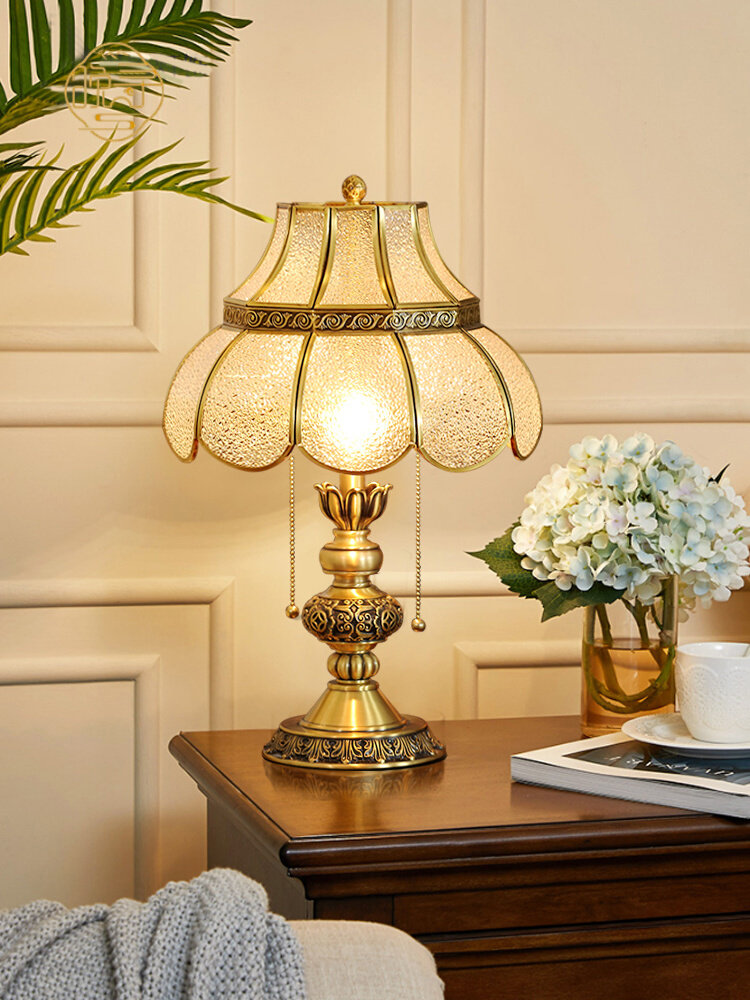
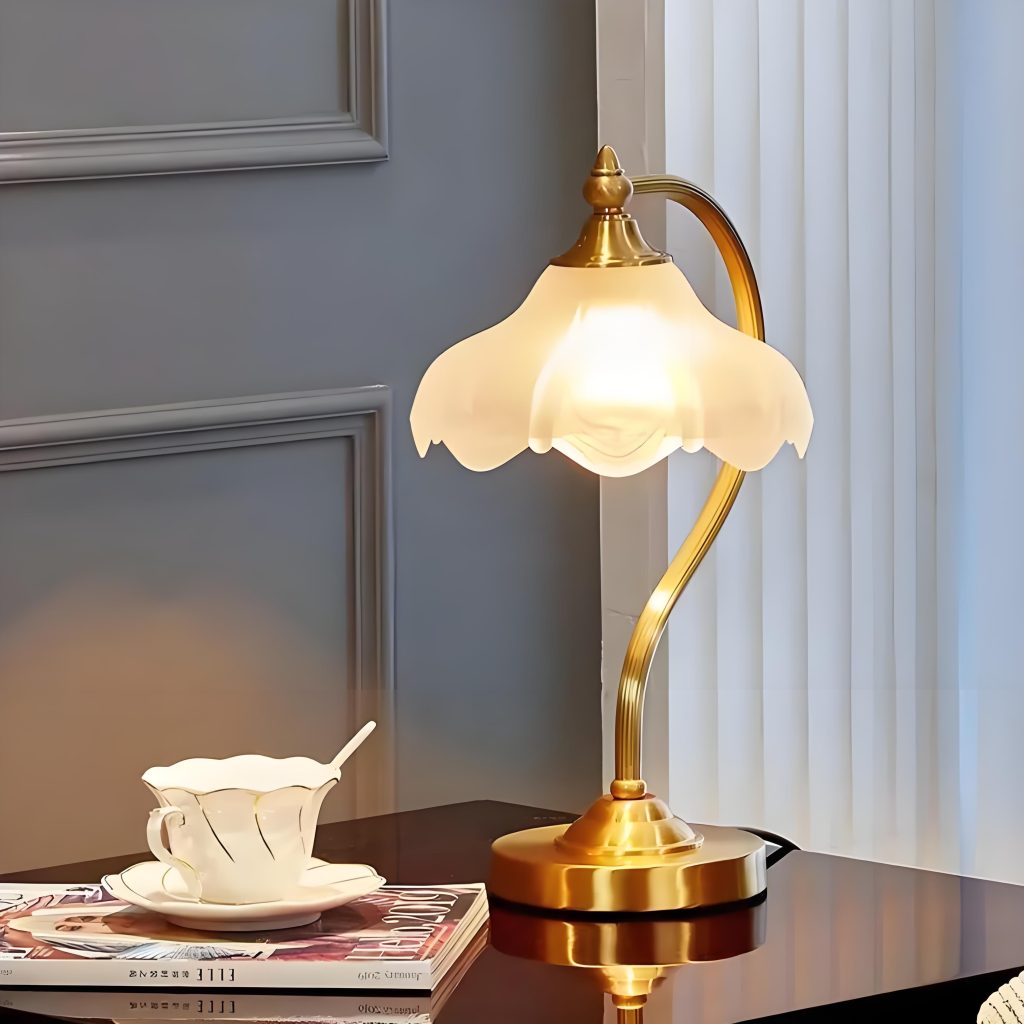
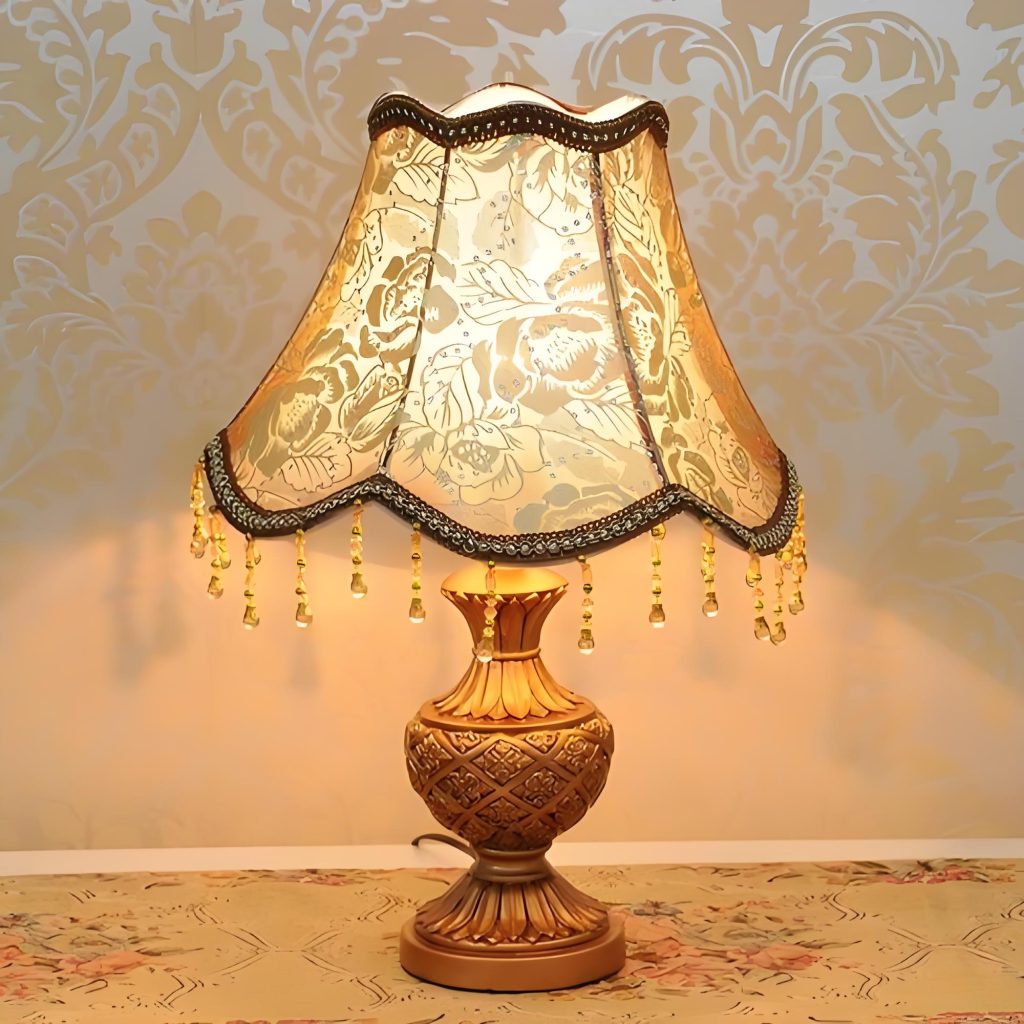
Sourcing custom wholesale table lamps from China can help importers, retailers, interior design companies, hospitality businesses, and e-commerce brands develop lighting products that match their own market requirements.
However, choosing a suitable table lamp factory involves more than comparing product prices. Buyers should also evaluate design capabilities, materials, lighting components, electrical specifications, customization options, packaging, quality control, and export requirements.
This guide explains how to work with a China custom wholesale table lamp factory and how to prepare for a successful private-label or OEM lighting project.
What Is a Custom Wholesale Table Lamp Factory?
A custom wholesale table lamp factory manufactures table lamps according to a buyer’s requirements instead of offering only standard products.
Depending on the factory’s capabilities, buyers may customize:
- Lamp design
- Size and dimensions
- Materials
- Colors
- Lampshades
- Light sources
- Switches
- Power systems
- Brand logos
- Packaging
Custom table lamps may be used in homes, hotels, restaurants, offices, bedrooms, living rooms, retail stores, and other commercial environments.
What Types of Table Lamps Can Be Customized?
A professional manufacturer may produce different types of table lamps for different applications.
Decorative Table Lamps
Decorative lamps are commonly used in:
- Bedrooms
- Living rooms
- Hotels
- Restaurants
- Interior design projects
Their appearance, shape, material, and lighting effect are often important design considerations.
LED Table Lamps
LED table lamps can offer energy-efficient lighting and may include features such as:
- Adjustable brightness
- Different color temperatures
- Touch controls
- Rechargeable batteries
- USB charging
- Wireless operation
Bedside Lamps
Bedside lamps are designed for residential and hospitality applications. Buyers may customize the base, lampshade, switch, light output, and overall style.
Portable Table Lamps
Portable lamps may be suitable for:
- Outdoor dining
- Hotels
- Restaurants
- Camping
- Portable home lighting
Battery capacity, charging method, waterproof performance, and operating time may be important requirements.
Commercial Table Lamps
Commercial lighting products may be designed for hotels, restaurants, offices, and other projects. These products may require special colors, materials, branding, and packaging.
Why Work with a China Table Lamp Manufacturer?
China has a developed supply chain for lighting products, including metal parts, plastic components, glass, wood, electronic components, LED modules, packaging, and assembly.
Working directly with a suitable factory may provide several advantages.
Flexible Product Customization
Buyers can develop products based on their own brand style, market requirements, and target customers.
OEM and Private Label Support
A manufacturer may produce table lamps with:
- Custom logos
- Brand labels
- Custom packaging
- Product manuals
- Customized colors
Wholesale Production
Factories can support different order sizes depending on the product design, materials, and production requirements.
Integrated Supply Chain
A complete supply chain can help coordinate multiple production processes, including:
- Component production
- Lamp assembly
- Electrical testing
- Quality inspection
- Packaging
- Export preparation
What Parts of a Table Lamp Can Be Customized?
Lamp Body
The lamp body can be customized in terms of:
- Shape
- Size
- Color
- Material
- Surface finish
Common materials may include metal, plastic, glass, wood, ceramic, and other decorative materials.
Lampshade
The lampshade can affect the appearance and lighting effect of the final product.
Possible options include:
- Fabric
- Glass
- Metal
- Acrylic
- Plastic
- Natural materials
Lighting Components
Depending on the product design, buyers may specify:
- LED modules
- Bulb sockets
- Light color
- Brightness
- Color temperature
- Dimming functions
Control Method
Different products may use:
- Push-button switches
- Pull switches
- Touch controls
- Remote controls
- App-based controls
Power Supply
The power system may include:
- AC power
- USB charging
- Rechargeable batteries
- Replaceable batteries
The correct power system depends on the intended market and product application.
How Does the Custom Table Lamp Manufacturing Process Work?
Step 1: Define Your Product Requirements
Before contacting a factory, prepare the basic product information.
Useful details include:
- Product type
- Target market
- Product dimensions
- Preferred materials
- Lighting requirements
- Logo requirements
- Estimated order quantity
- Packaging requirements
Step 2: Submit Designs or References
You can provide:
- Product drawings
- 3D designs
- Product images
- Existing samples
- Inspiration references
The factory can review your requirements and determine the feasibility of production.
Step 3: Receive a Product Proposal and Quotation
The factory may recommend suitable materials, components, and production methods.
The quotation may depend on:
- Product design
- Material selection
- Electronic components
- Order quantity
- Customization requirements
- Packaging
- Testing requirements
Step 4: Develop a Sample
For a new custom lamp, a sample is strongly recommended.
The sample can be used to evaluate:
- Appearance
- Size
- Lighting effect
- Materials
- Stability
- Switch operation
- Charging performance
Step 5: Confirm the Final Specifications
Before mass production, confirm:
- Final product design
- Material
- Color
- Dimensions
- Electrical specifications
- Logo
- Packaging
- Quality standards
This step helps prevent misunderstandings during production.
Step 6: Begin Mass Production
After approval, the factory arranges the production of components and final assembly.
The process may include:
- Component manufacturing
- Surface finishing
- Electrical assembly
- Lamp assembly
- Functional testing
- Visual inspection
- Packaging
Step 7: Quality Inspection and Shipment
Before shipment, finished products may be checked for:
- Appearance
- Lighting function
- Switch operation
- Charging function
- Structural stability
- Packaging condition
After inspection, the goods can be prepared for international transportation.
How to Choose a Suitable Table Lamp Factory in China
Review Product Development Capability
If you need a completely new design, choose a factory that can support product development rather than only selling standard products.
Check Material and Component Quality
The quality of the lamp body, lampshade, wiring, LED components, switches, and power supply can affect product performance and customer satisfaction.
Ask About Customization Options
Confirm whether the factory can provide the specific customization you need, including:
- Shape
- Color
- Material
- Logo
- Packaging
- Electrical functions
Request Samples
A sample provides a better understanding of the actual product than photographs alone.
Confirm Production Capacity
If you plan to place repeat orders, ensure that the factory can maintain stable production and consistent quality.
What Should You Include in a Table Lamp Inquiry?
When requesting a quotation, provide as much information as possible.
A complete inquiry may include:
- Product images or drawings
- Product dimensions
- Material requirements
- Lighting specifications
- Power supply requirements
- Estimated quantity
- Logo requirements
- Packaging requirements
- Delivery destination
Clear information can help the factory provide a more accurate quotation and production plan.
How Can You Reduce Custom Table Lamp Costs?
Simplify the Product Design
Complex structures and multiple materials may increase production costs.
Select Materials Carefully
Different materials have different costs. The best option should balance appearance, performance, durability, and budget.
Plan the Order Quantity
Larger production quantities may improve manufacturing efficiency.
Use Standard Components When Suitable
Using commonly available components may help reduce development time and sourcing costs.
Optimize Packaging
Good packaging should protect the product without creating unnecessary material and transportation costs.
Common Problems When Importing Custom Table Lamps
Incomplete Product Specifications
Missing information about dimensions, materials, or electrical requirements can lead to misunderstandings.
Not Testing the Sample
A sample should be checked carefully before bulk production.
Ignoring Electrical Requirements
Different markets may have different requirements for plugs, voltage, power systems, and product compliance. Buyers should confirm the requirements of their target market before production.
Changing the Product During Production
Late changes may result in delays, additional costs, or production problems.
Choosing Only Based on Price
A low price does not always mean the best overall value. Product quality, service, production consistency, and after-sales communication are also important.
Frequently Asked Questions (FAQ)
1. Can I customize the design of a table lamp?
Yes. Depending on the factory’s capabilities, you may customize the shape, dimensions, materials, colors, lampshade, lighting components, switches, and packaging.
2. Can I add my own brand logo?
Yes. Logos may be applied through different methods depending on the product material and design.
3. Can I request a sample before placing a wholesale order?
Yes. A sample is recommended for custom products so you can check the appearance, materials, lighting performance, and overall quality.
4. What materials can be used for custom table lamps?
Common materials include metal, glass, wood, ceramic, plastic, acrylic, and fabric. The best choice depends on the design and application.
5. Can table lamps include rechargeable batteries?
Yes. Some portable table lamps can use rechargeable battery systems. The battery capacity, charging method, and operating time should be confirmed during product development.
6. Can I customize the packaging?
Yes. Custom packaging may include branded boxes, product labels, manuals, stickers, protective materials, and customized cartons.
7. What information is needed to get a quotation?
You should provide the product design or reference image, dimensions, material, lighting requirements, estimated quantity, branding requirements, packaging details, and delivery destination.
8. Can a factory produce table lamps for hotels or commercial projects?
Yes. Custom table lamps can be developed for hotels, restaurants, offices, retail stores, and other commercial projects.
9. Can I order different colors in one wholesale order?
In many cases, multiple colors may be possible. The available options depend on the product design, materials, and production quantity.
10. How do I start a custom table lamp project?
Prepare your design, product requirements, estimated quantity, target market, and customization details. The factory can then evaluate the project, develop a sample if needed, and provide a production quotation.
Final Thoughts
Choosing the right China custom wholesale table lamp factory can help brands and importers develop unique lighting products for residential, commercial, hospitality, and retail markets.
A successful custom project begins with clear product specifications. Buyers should carefully define the design, materials, lighting functions, electrical requirements, branding, packaging, and quality standards before mass production.
Whether you need a small batch of customized lamps or regular wholesale production, working with a suitable manufacturer can help you develop products that better match your target market and brand positioning.
If you are planning to source custom wholesale table lamps from China, prepare your product requirements and contact a suitable factory for design evaluation, sample development, and a customized quotation.


No reply content