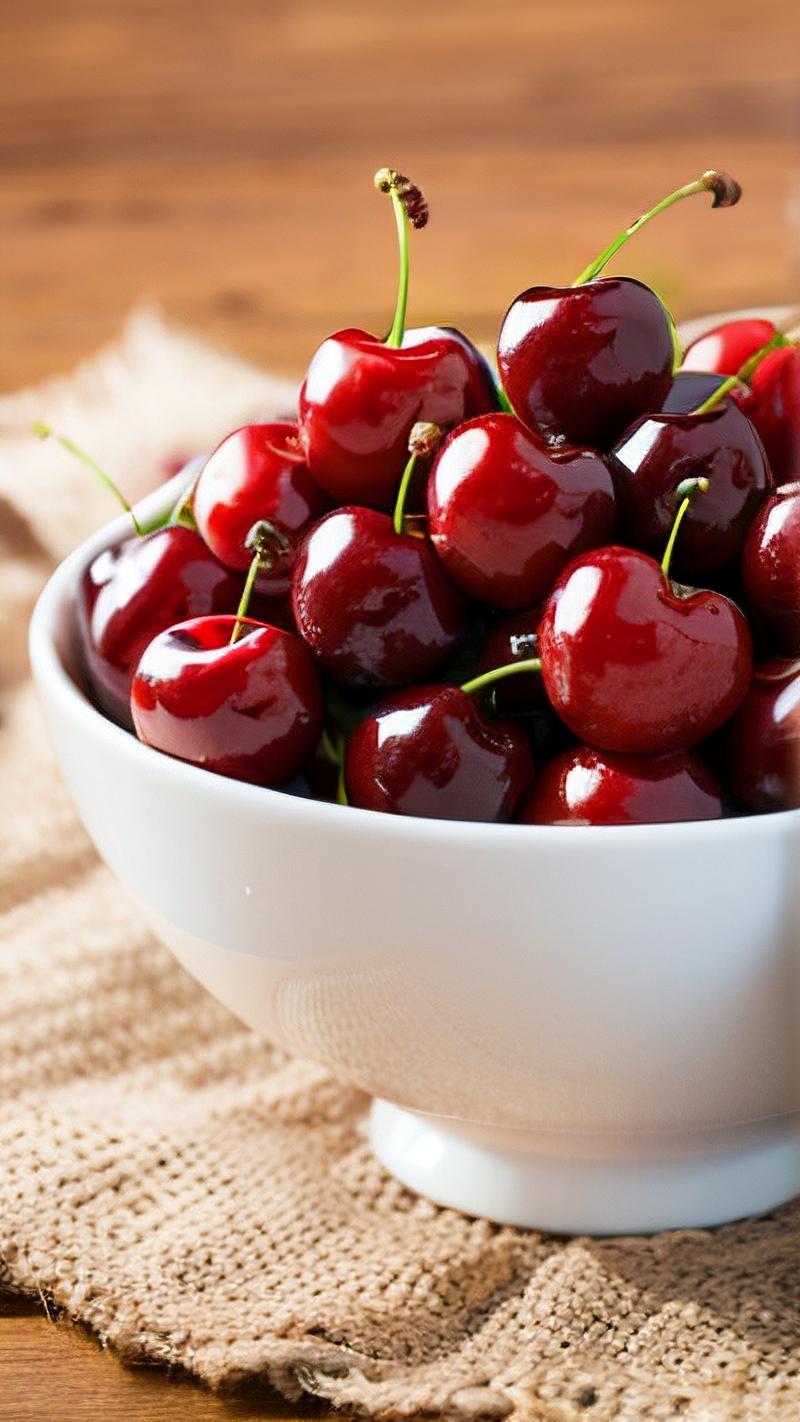
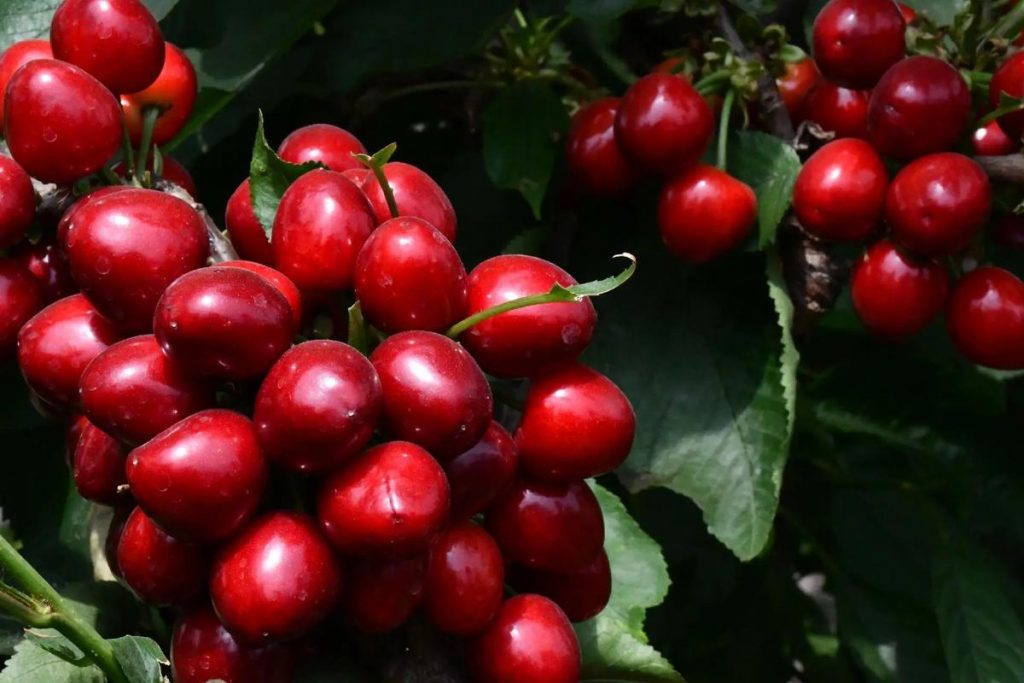
China is one of the world’s largest producers and exporters of cherries, supplying fresh, frozen, and processed cherries to international markets. Importing cherries from China is cost-effective and reliable for wholesalers, retailers, and food manufacturers. This guide provides detailed information on sourcing, quality standards, packaging, shipping, certifications, and choosing a trusted supplier to help you import cherries efficiently and build a long-term business relationship.
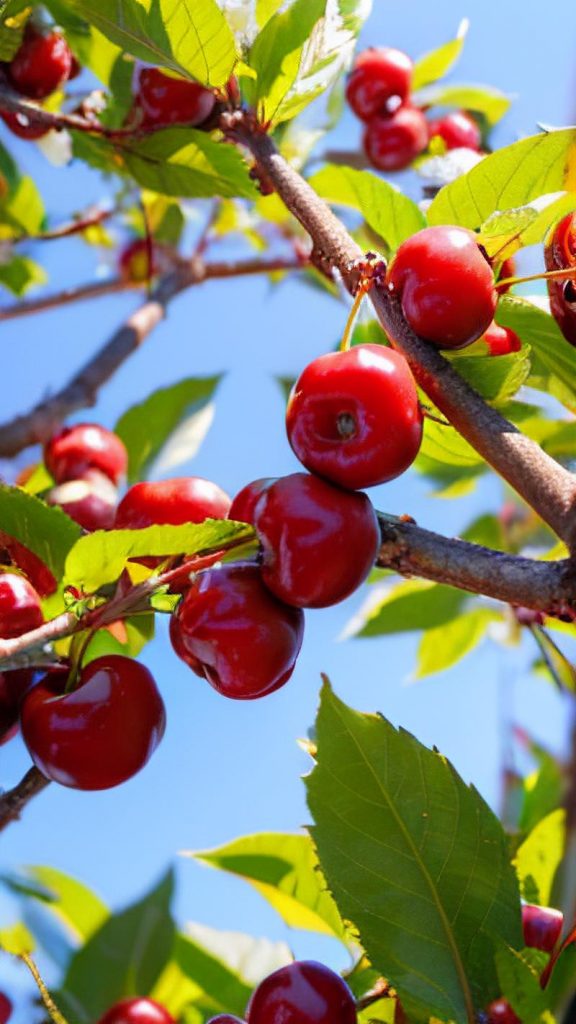
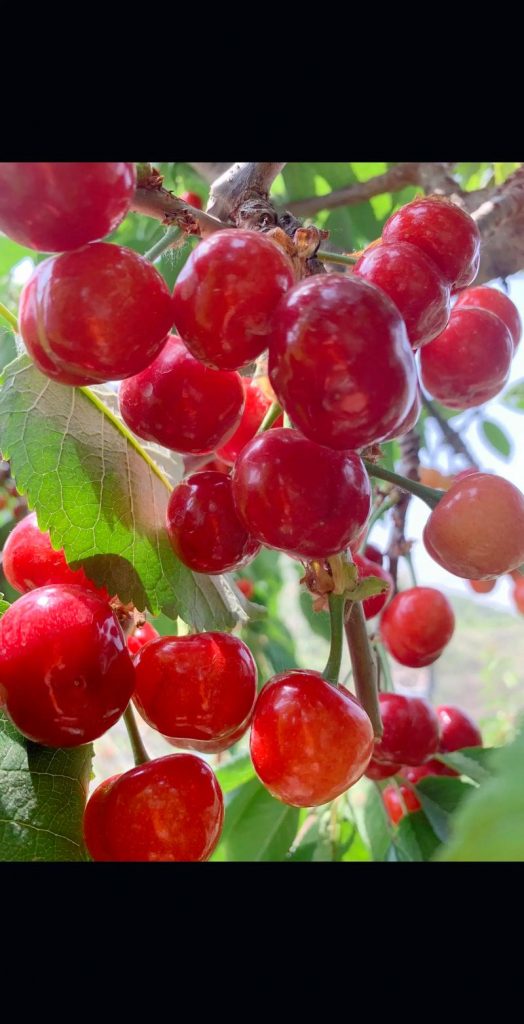
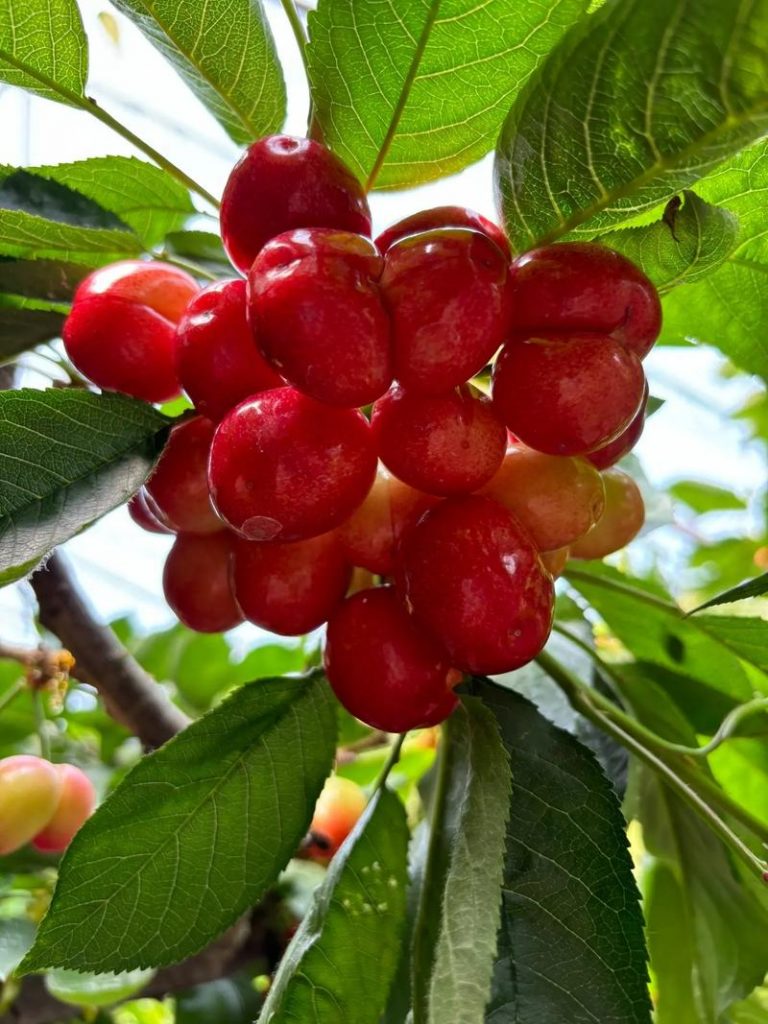
1. Why Import Cherries from China?
China has a long history of cherry cultivation and is one of the world’s leading exporters. Advantages include:
- Large-scale and stable production
- Competitive pricing
- Wide variety of cherry types: sweet, sour, organic, and processed
- Flexible packaging and private label options
- Experienced exporters familiar with international regulations
Importing cherries from China allows buyers to balance quality, cost, and reliability and access both fresh and value-added products for multiple markets.
2. Main Cherry-Producing Regions in China
| Region | Key Features |
|---|---|
| Shandong | Sweet cherries, large farms, high export capacity |
| Liaoning | Cold-resistant varieties, firm texture, long shelf life |
| Hebei | Premium cherries, smooth skin, suitable for fresh markets |
| Yunnan | Organic and high-altitude cherries, high sugar content |
| Shaanxi | Rich flavor, suitable for both fresh and frozen exports |
Different regions produce cherries with varying sweetness, size, and firmness, enabling buyers to select cherries suitable for their market.
3. Types of Cherry Products
3.1 Fresh Cherries
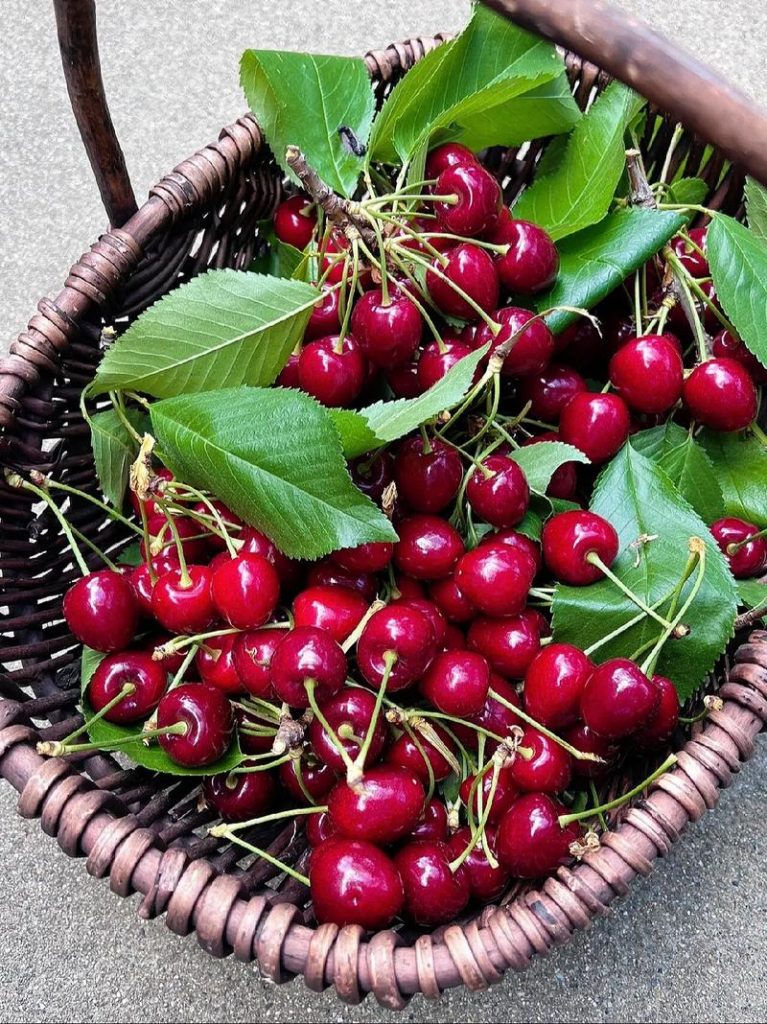
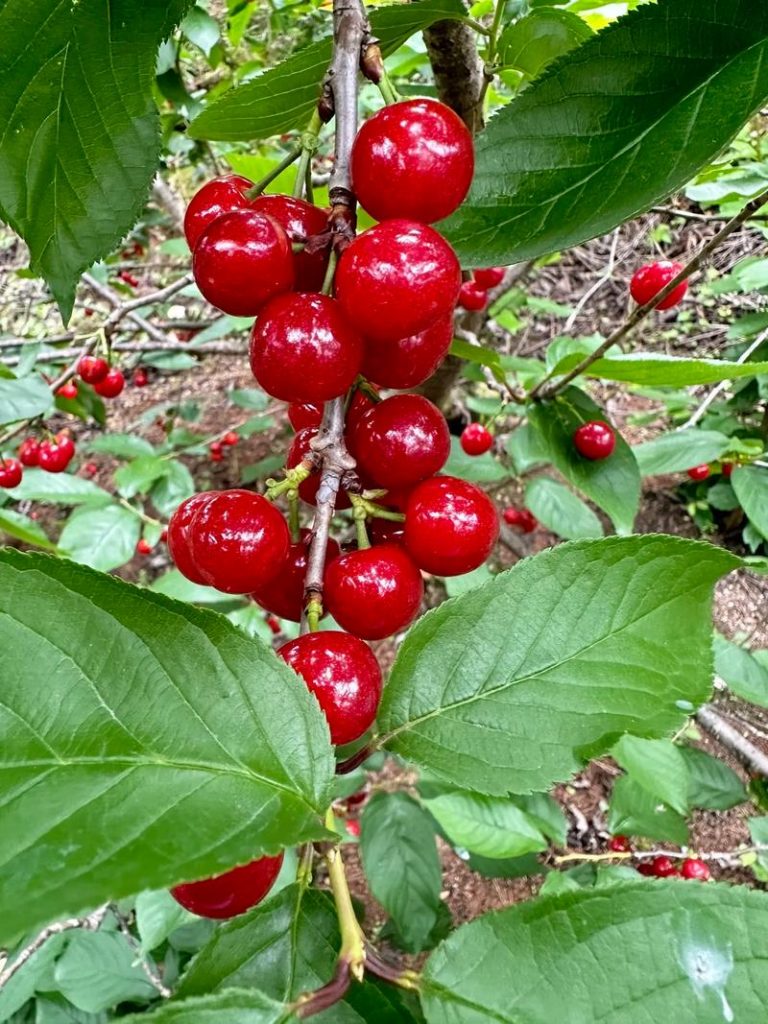
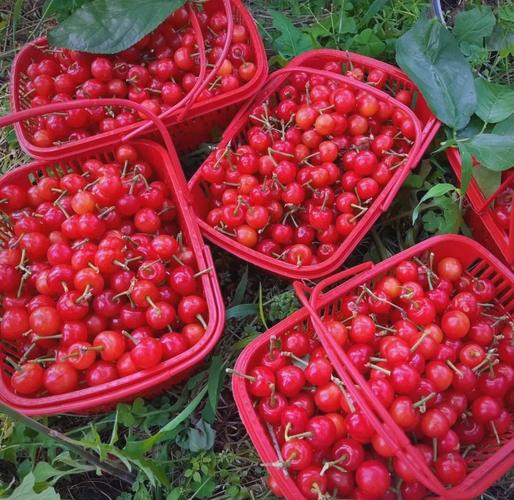
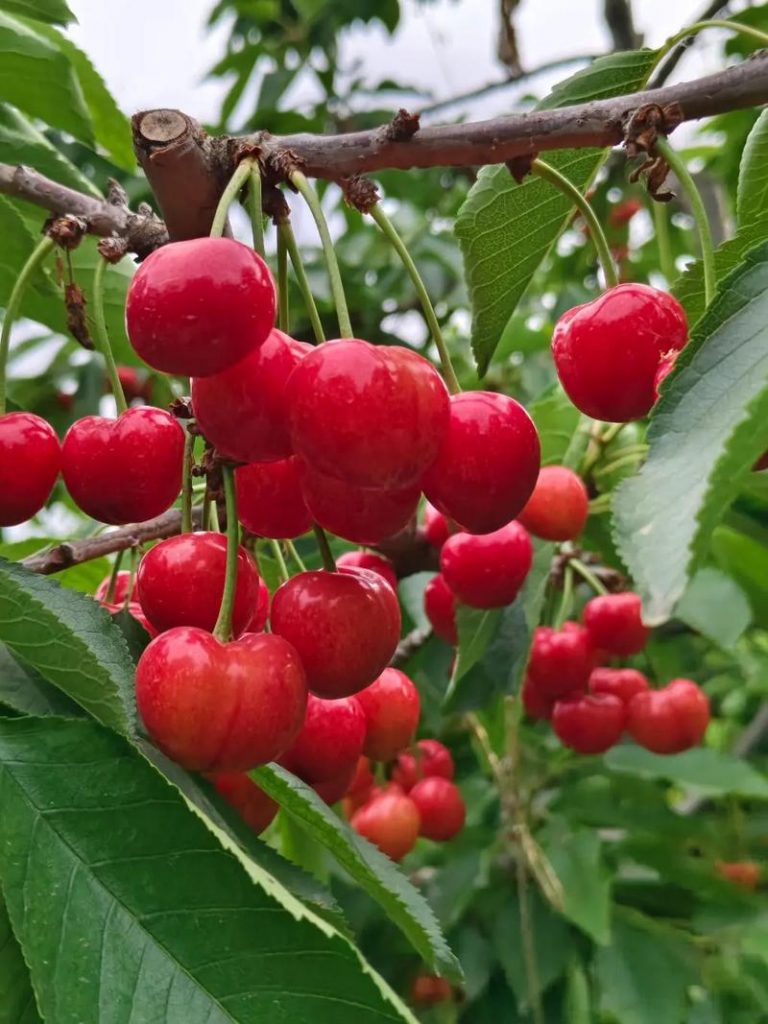
- Naturally sweet and juicy
- Seasonal availability: May–July
- Require cold storage
- Ideal for supermarkets, retail, and restaurants
3.2 Frozen Cherries
- Peeled or unpeeled
- Long shelf life up to 12–18 months
- Suitable for bakeries, ice cream, and food processing
3.3 Processed Cherries
- Canned cherries, cherry puree, cherry juice concentrate
- Used in beverages, desserts, confectionery, and bakery products
3.4 Organic Cherries
- Grown without synthetic pesticides
- High-end retail and organic markets in the US, EU, and Japan
4. Harvest Season
| Region | Harvest Time |
|---|---|
| Shandong | May – June |
| Liaoning | June – July |
| Hebei | May – June |
| Yunnan | April – June |
| Shaanxi | June – July |
Peak export season: May to July, though frozen and processed products are available year-round.
5. Quality Standards for Export Cherries
High quality is crucial for international markets. Key aspects include:
Physical Standards
- Uniform size and color
- Firm texture and smooth skin
- Free from bruises, cracks, or decay
Taste & Sweetness
- Naturally sweet and slightly tart
- Juicy and flavorful
Food Safety
- Pesticide residue and heavy metal testing
- Microbiological safety
- Proper cold-chain logistics
Certifications
- Phytosanitary Certificate
- Certificate of Origin
- HACCP, ISO 22000
- Organic Certification (if required)
6. Packaging Options
Retail Packaging
- Clamshells: 250g, 500g, 1kg
- Vacuum-sealed bags
- Branded boxes and trays
Bulk Packaging
- 5kg / 10kg / 20kg cartons
- PE liners for moisture protection
- Palletized shipments for sea freight
OEM & Private Label
- Custom logos
- Multilingual labels
- Nutrition facts panels and barcodes
- Custom cartons and designs
7. Export Markets
Chinese cherries are exported globally to:
- United States – fresh and frozen cherries
- European Union – organic and premium fresh cherries
- Japan – high-quality fresh and frozen cherries
- Middle East – fresh and processed cherries
- Southeast Asia – retail and wholesale
- Australia & New Zealand – supermarkets and wholesalers
8. Export Process
- Supplier Selection – Verify production capacity, quality control, and export experience
- Sample Request – Evaluate size, color, taste, and packaging
- Confirm Specifications – Grade, size, sweetness, and color
- Negotiate Terms – Price, MOQ, payment terms, delivery schedule
- Harvest & Sorting – Harvesting, grading, and initial quality inspection
- Quality Inspection – Optional third-party inspection
- Packing – Retail, bulk, or OEM packaging
- Shipping – Sea freight, air freight, or refrigerated containers for fresh cherries
- Customs Clearance – Provide invoices, packing list, bill of lading, and certificates
9. Shelf Life
| Product Type | Shelf Life |
|---|---|
| Fresh Cherries | 7–14 days (cold storage) |
| Frozen Cherries | 12–18 months |
| Processed Cherries | 12–24 months (canned or puree) |
Proper storage and cold-chain logistics are essential to maintain quality.
10. Applications of Cherries
Chinese cherries are used in:
- Supermarkets and retail chains
- Restaurants and catering
- Bakeries and confectioneries
- Beverages and juices
- Ice cream and dessert production
- Health food and organic markets
11. Common Challenges & Solutions
- Short Shelf Life: Use refrigerated transport and cold chain
- Size & Color Variation: Require strict grading and inspection
- Packaging Damage: Use PE liners, strong cartons, and pallets
- Customs Regulations: Ensure certificates meet importing country requirements
- Seasonal Availability: Frozen and processed cherries provide year-round supply
12. Choosing a Reliable China Cherry Supplier
- Own farms or contracted orchards
- Export experience and references
- Transparent pricing
- Quality inspection reports
- Cold storage and processing facilities
- OEM and private label capabilities
Questions to Ask:
- What is your annual production volume?
- Can I order samples?
- What certifications do you have?
- What is your MOQ?
- How do you ensure consistent quality?
13. Frequently Asked Questions (FAQ)
Q1: Can I order samples?
A1: Yes, samples are available before bulk orders.
Q2: Do you provide private labeling?
A2: Yes, OEM and custom packaging are available.
Q3: What documents are required for import?
A3: Commercial invoice, packing list, bill of lading, certificate of origin, phytosanitary certificate, and COA.
Q4: How long is shipping?
A4: Sea freight: 15–30 days; Air freight: 3–7 days depending on destination.
14. Customer Reviews
⭐⭐⭐⭐⭐ Michael R. – USA 🇺🇸
“Excellent fresh cherries. Sweet, juicy, and perfectly packed.”
⭐⭐⭐⭐⭐ Anna K. – Germany 🇩🇪
“Consistent quality and smooth communication.”
⭐⭐⭐⭐⭐ James P. – UK 🇬🇧
“Packaging was strong and ideal for retail distribution.”
⭐⭐⭐⭐⭐ Hiroshi T. – Japan 🇯🇵
“High-quality cherries with uniform size, perfect for premium customers.”
⭐⭐⭐⭐⭐ Carlos M. – Spain 🇪🇸
“Reliable long-term supplier.”
⭐⭐⭐⭐⭐ Liam O. – Australia 🇦🇺
“Organic cherries arrived fresh and perfectly handled.”
⭐⭐⭐⭐⭐ Fatima A. – UAE 🇦🇪
“Custom packaging was done as requested.”
⭐⭐⭐⭐⭐ Noah S. – Canada 🇨🇦
“Frozen cherries maintain excellent taste and texture.”
⭐⭐⭐⭐⭐ Sophie L. – France 🇫🇷
“Professional service with prompt response.”
⭐⭐⭐⭐⭐ Daniel W. – Netherlands 🇳🇱
“Stable supply even during peak season.”
15. Final Thoughts and Contact
Importing cherries from China can be highly profitable if you work with a trusted supplier. Understanding product types, quality standards, packaging, logistics, and risk management ensures smooth sourcing and long-term success.
Contact us today for samples, pricing, and detailed specifications. Our team is ready to help you import high-quality Chinese cherries efficiently and safely.


No reply content