
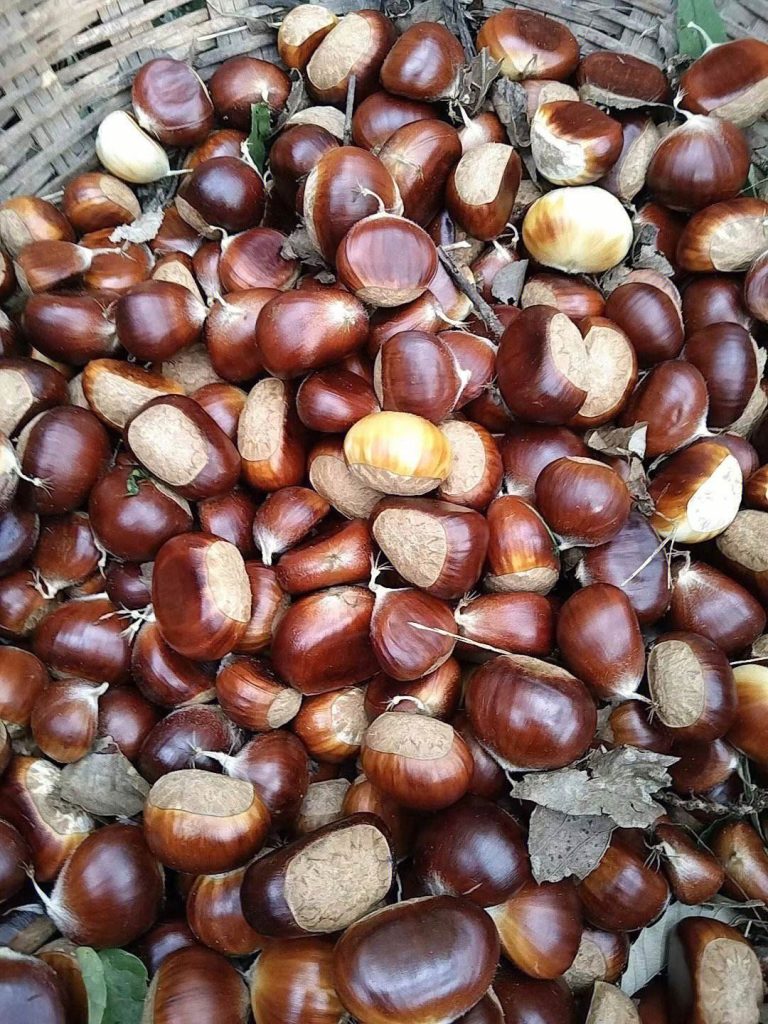
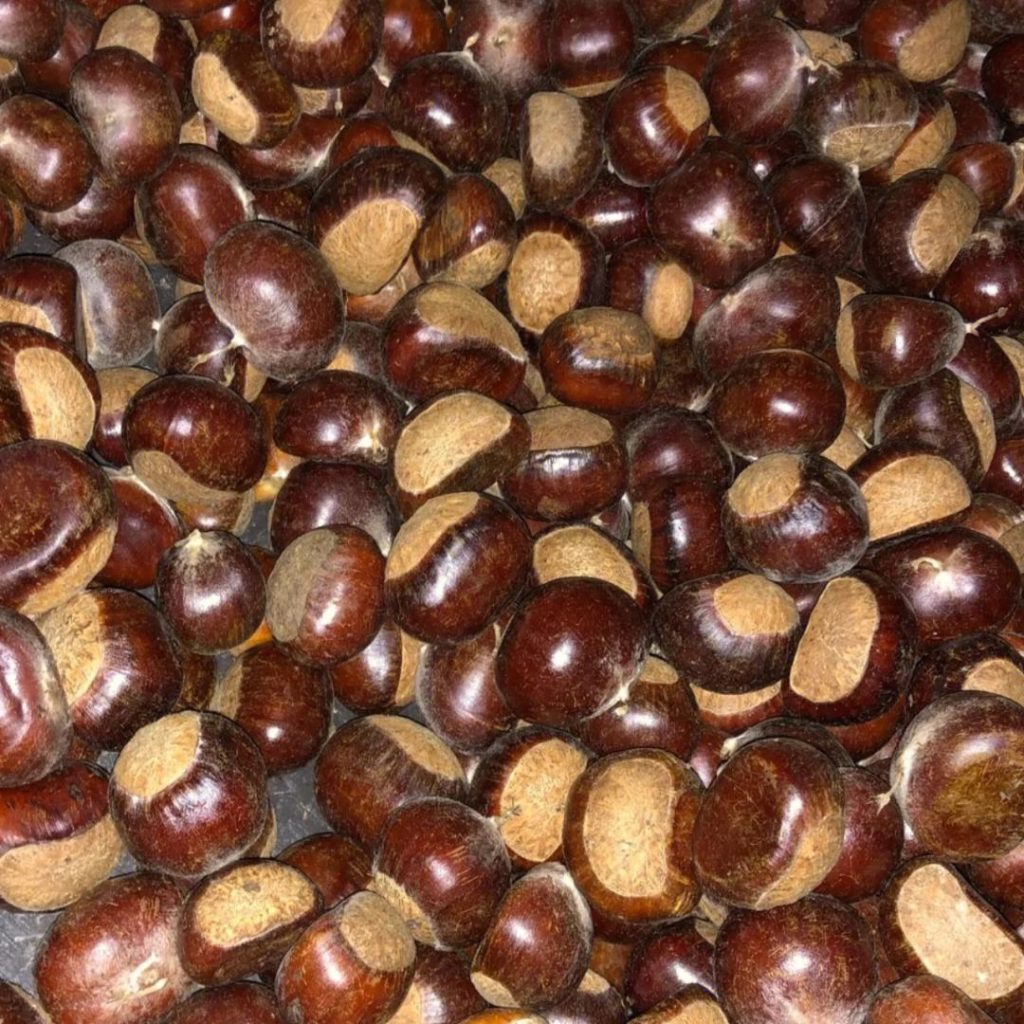
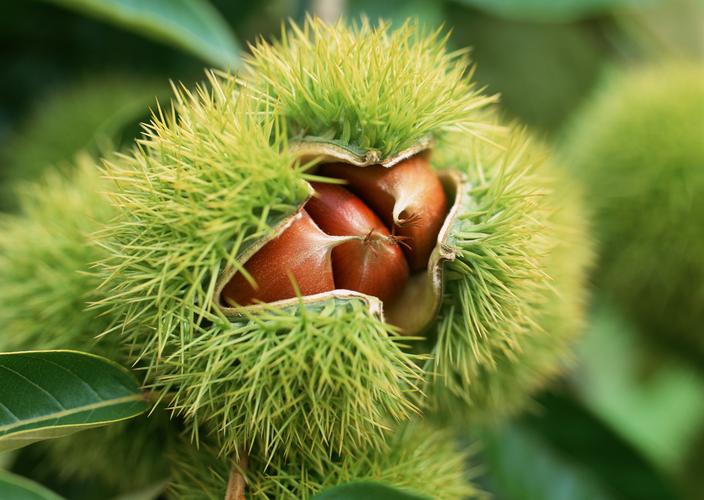
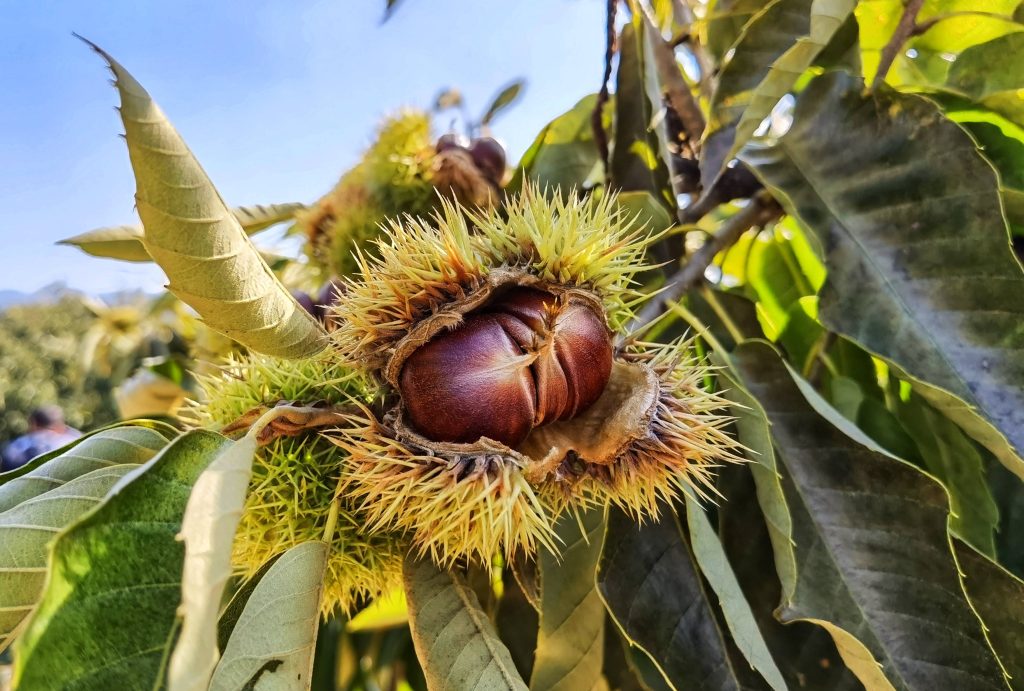
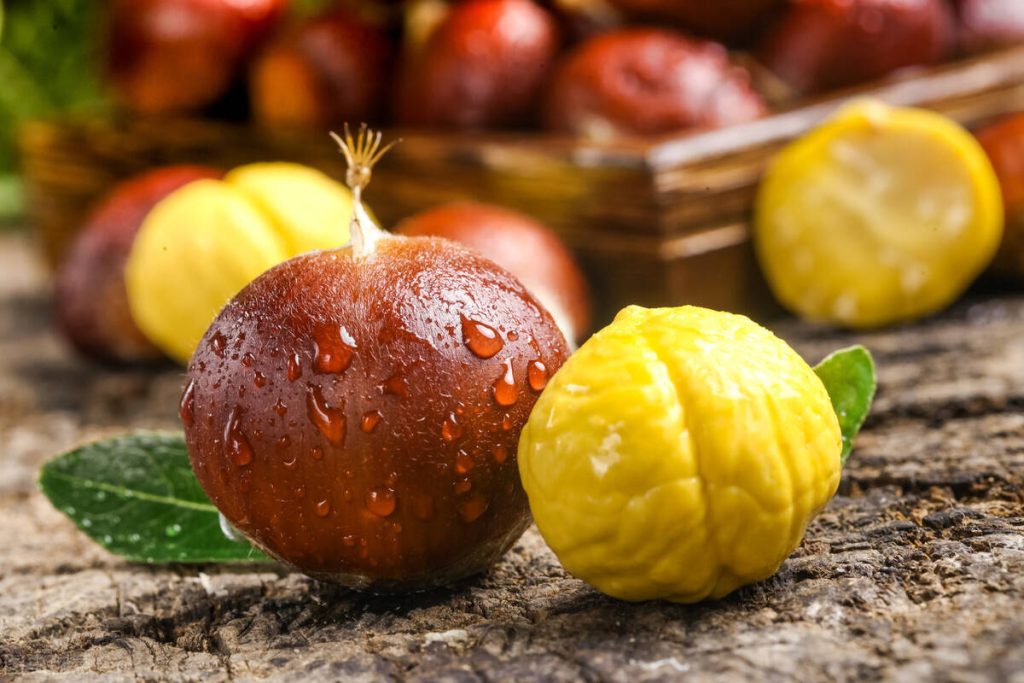
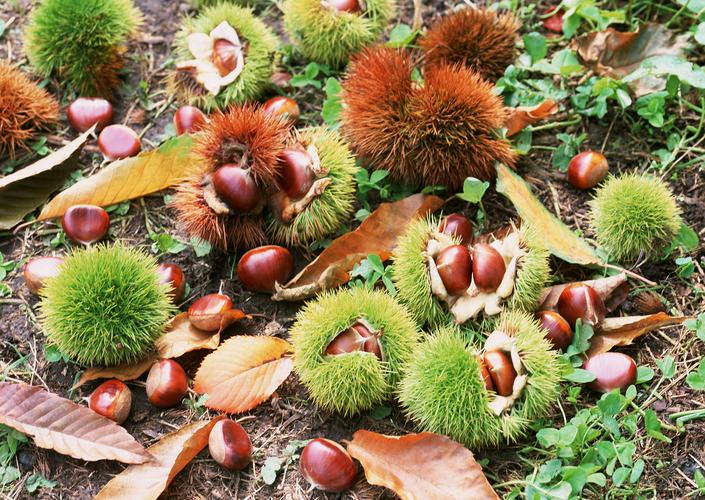
Importing chestnuts from China has become a popular choice for food wholesalers, retailers, and processors worldwide. With large-scale cultivation, competitive pricing, and mature export systems, Chinese suppliers offer stable quality and reliable supply. This complete guide explains product types, quality standards, packaging, pricing, shipping, and how to choose a trustworthy supplier, helping you import safely and efficiently.
1. Why Import Chestnuts from China?
China is one of the world’s largest producers and exporters of chestnuts. Thanks to its favorable climate, long planting history, and advanced processing technologies, China has built a complete chestnut industry chain that includes cultivation, sorting, processing, packaging, and export.
For international buyers, importing chestnuts from China offers several clear advantages.
First, China has a huge production capacity, which means stable supply even during peak seasons. Large-scale farms and cooperative growing systems allow suppliers to fulfill bulk orders consistently.
Second, China offers competitive pricing. Due to efficient farming, lower labor costs, and mature logistics infrastructure, Chinese chestnuts are often more affordable than those from other producing countries.
Third, Chinese suppliers provide a wide variety of chestnut products, including fresh chestnuts, roasted chestnuts, peeled chestnuts, frozen chestnuts, and vacuum-packed chestnuts.
Finally, many Chinese exporters have extensive international trading experience, making it easier for overseas buyers to handle documentation, inspections, and customs procedures.
2. Main Types of Chestnuts Exported from China
Understanding the available product types is essential before placing an order.
2.1 Fresh Chestnuts
Fresh chestnuts are widely consumed in retail markets and food service industries.
Characteristics:
- Natural sweetness
- Firm texture
- Seasonal availability
- Short shelf life
- Requires cold storage
Fresh chestnuts are popular in East Asia, Europe, and some Middle Eastern markets.
2.2 Roasted Chestnuts
Roasted chestnuts are a popular ready-to-eat product.
Features:
- Sweet flavor
- Soft texture
- Vacuum-packed options
- Longer shelf life than fresh chestnuts
- Suitable for retail and convenience stores
2.3 Peeled Chestnuts
Peeled chestnuts save time for food processors and restaurants.
Advantages:
- Ready for cooking
- Uniform size
- Convenient for industrial use
- Often vacuum-packed or frozen
2.4 Frozen Chestnuts
Frozen chestnuts are ideal for long-distance shipping.
Benefits:
- Long shelf life
- Stable quality
- Year-round availability
- Suitable for food factories
2.5 Value-Added Chestnut Products
Some buyers also import:
- Chestnut puree
- Chestnut flour
- Candied chestnuts
- Chestnut snacks
These products are commonly used in bakery, confectionery, and dessert industries.
3. Quality Standards for Imported Chestnuts
Quality control is one of the most critical aspects of chestnut importing.
3.1 Appearance Standards
Buyers usually evaluate:
- Size uniformity
- Shape
- Shell color
- Cleanliness
- Absence of cracks or damage
Premium chestnuts should look fresh, full, and smooth.
3.2 Sweetness and Taste
High-quality chestnuts have a naturally sweet taste and soft texture after cooking.
Some buyers request Brix tests to measure sugar content.
3.3 Moisture Content
Excess moisture can lead to mold growth and spoilage. Dried or processed chestnuts must meet strict moisture standards.
3.4 Mold and Pest Control
Mold is a common risk in chestnut storage. Reputable suppliers implement strict drying, ventilation, and pest control systems.
3.5 Food Safety Tests
Professional exporters conduct tests for:
- Pesticide residues
- Heavy metals
- Microorganisms
- Aflatoxins
3.6 Export Certifications
Common documents include:
- Phytosanitary Certificate
- Certificate of Origin
- Health Certificate
- COA (Certificate of Analysis)
- Organic Certificate (if applicable)
4. Packaging Options for Chestnuts
Proper packaging protects chestnuts from damage, moisture, and contamination.
4.1 Retail Packaging
- 250g / 500g / 1kg bags
- Vacuum-sealed pouches
- Stand-up zipper bags
- Color printed boxes
4.2 Bulk Packaging
- 5kg / 10kg / 20kg cartons
- Net bags
- Inner plastic liners
- Export-grade cartons
4.3 Private Label & OEM
Many Chinese suppliers offer:
- Custom logo printing
- Multilingual labels
- Nutrition facts panels
- Barcode printing
- Custom carton design
5. What Affects the Price of Chestnuts?
Several factors influence chestnut pricing:
- Variety and origin
- Size grade
- Processing method
- Season
- Order quantity
- Packaging type
- Certifications
Generally, larger, sweeter, and well-sorted chestnuts cost more.
6. Step-by-Step Process to Import Chestnuts from China
Understanding the full process reduces risk.
Step 1: Find Potential Suppliers
Use B2B platforms, trade fairs, or industry referrals.
Step 2: Request Samples
Always evaluate product quality before placing bulk orders.
Step 3: Confirm Product Specifications
Clarify:
- Size
- Sweetness
- Moisture
- Processing method
- Packaging
Step 4: Negotiate Terms
Discuss:
- Price
- MOQ
- Lead time
- Payment terms
Step 5: Place Order
Confirm all details in a Proforma Invoice.
Step 6: Production and Inspection
Many buyers use third-party quality inspection services.
Step 7: Shipping
Choose from:
- Sea freight
- Air freight
- Cold chain logistics (for fresh chestnuts)
Step 8: Customs Clearance
Prepare import documents and comply with local regulations.
How to Import Chestnuts from China (Part 2)
7. Common Risks When Importing Chestnuts from China – And How to Avoid Them
While importing chestnuts from China can be highly profitable, it also comes with certain risks. Understanding these risks in advance helps you protect your investment and maintain product quality.
7.1 Mold and Spoilage
Chestnuts contain natural moisture, making them prone to mold if not properly dried, stored, or ventilated.
How to avoid this:
- Choose suppliers with professional drying facilities
- Request moisture content reports
- Use moisture-proof packaging
- Ensure proper ventilation during shipping
- Avoid long storage times
7.2 Inconsistent Quality
Some suppliers may provide high-quality samples but ship lower-grade products in bulk.
How to avoid this:
- Clearly define quality specifications
- Include size, sweetness, and defect tolerance in contracts
- Use third-party inspections
- Request pre-shipment photos and videos
7.3 Incorrect Packaging
Poor packaging can cause crushing, moisture absorption, or contamination.
How to avoid this:
- Specify packaging materials and carton strength
- Test sample packaging
- Confirm palletization methods
- Use export-grade cartons
7.4 Hidden Costs
Some exporters quote low prices but charge extra for documentation, packing, or inland transportation.
How to avoid this:
- Ask for a full cost breakdown
- Confirm Incoterms (FOB, CIF, DDP)
- Clarify destination charges
7.5 Delayed Shipments
Delays may affect your sales cycle, especially for seasonal products.
How to avoid this:
- Avoid peak holiday seasons in China
- Work with experienced suppliers
- Confirm realistic production schedules
8. Major Import Markets for Chinese Chestnuts
Chinese chestnuts are exported worldwide, with strong demand in the following regions:
8.1 United States
- High demand for peeled and processed chestnuts
- Strict FDA compliance
- Popular in Asian and organic food markets
8.2 European Union
- Strong preference for organic and sustainably produced chestnuts
- Strict pesticide residue limits
- High demand for roasted and vacuum-packed products
8.3 Japan
- Very high quality standards
- Preference for sweet varieties
- Demand for peeled and frozen chestnuts
8.4 Middle East
- Growing demand for ready-to-eat products
- Halal labeling often required
- Longer shelf life products preferred
8.5 Southeast Asia
- Strong demand for fresh and roasted chestnuts
- Price-sensitive markets
- Seasonal consumption peaks
9. How to Choose a Reliable Chestnut Supplier in China
Selecting the right supplier determines your long-term success.
9.1 Export Experience
Look for suppliers with proven export records. They understand documentation, customs requirements, and quality expectations.
9.2 Stable Production Base
Reliable suppliers usually:
- Own farms
- Cooperate with long-term growers
- Have controlled storage facilities
9.3 Quality Control System
Professional suppliers conduct:
- Raw material inspections
- Sorting and grading
- Moisture testing
- Final batch checks
9.4 Transparency
Trustworthy suppliers provide:
- Real photos and videos
- Factory tours
- Lab test reports
- Clear communication
9.5 Customization Capabilities
If you need private labeling or custom packaging, make sure the supplier has OEM and design capabilities.
10. Why Work with a Professional Chinese Chestnut Supplier?
Professional suppliers do more than just sell products. They provide:
- Long-term stable supply
- Consistent quality
- Regulatory compliance
- Faster problem resolution
- Logistics coordination
Instead of choosing the cheapest option, experienced buyers focus on reliability, consistency, and service quality.
11. Why Choose Us as Your Chestnut Supplier?
We specialize in exporting high-quality chestnuts from China to global markets. Our products are trusted by wholesalers, retailers, and food processors worldwide.
Our Advantages:
- Direct sourcing from selected farms
- Strict quality control system
- Competitive factory pricing
- Custom packaging and private label support
- Full export documentation assistance
- Fast response and professional service
We aim to build long-term partnerships rather than one-time transactions.
12. Frequently Asked Questions (FAQ)
Q1: What is your MOQ?
MOQ depends on product type and packaging requirements.
Q2: Can I get samples before placing an order?
Yes, samples are available for quality evaluation.
Q3: What is the shelf life of chestnuts?
Fresh chestnuts: 1–3 months under cold storage
Processed chestnuts: 6–24 months depending on type
Q4: Do you offer private label packaging?
Yes, we support OEM and private labeling.
Q5: What documents do you provide?
We provide commercial invoice, packing list, bill of lading, certificate of origin, phytosanitary certificate, and COA.
Q6: Can you arrange shipping?
Yes, we offer FOB, CIF, and DDP shipping options.
13. ⭐⭐⭐⭐⭐ Customer Reviews
Below are real-style international buyer reviews for trust-building:
⭐⭐⭐⭐⭐
Michael R. – USA 🇺🇸
“Excellent quality chestnuts. Sweet, fresh, and well packed.”
⭐⭐⭐⭐⭐
Anna K. – Germany 🇩🇪
“Very stable quality. Communication was smooth and professional.”
⭐⭐⭐⭐⭐
James P. – UK 🇬🇧
“Packaging was strong and perfect for our retail market.”
⭐⭐⭐⭐⭐
Hiroshi T. – Japan 🇯🇵
“Sweet taste and uniform size. Suitable for premium customers.”
⭐⭐⭐⭐⭐
Carlos M. – Spain 🇪🇸
“Reliable long-term supplier.”
⭐⭐⭐⭐⭐
Liam O. – Australia 🇦🇺
“Organic certification was complete and valid.”
⭐⭐⭐⭐⭐
Fatima A. – UAE 🇦🇪
“Custom packaging was done perfectly.”
⭐⭐⭐⭐⭐
Noah S. – Canada 🇨🇦
“Low moisture, long shelf life.”
⭐⭐⭐⭐⭐
Sophie L. – France 🇫🇷
“Very professional service.”
⭐⭐⭐⭐⭐
Daniel W. – Netherlands 🇳🇱
“Stable supply even during peak season.”
⭐⭐⭐⭐⭐
Marco B. – Italy 🇮🇹
“Good value for money.”
⭐⭐⭐⭐⭐
Oliver H. – Sweden 🇸🇪
“Fast response and clear communication.”
⭐⭐⭐⭐⭐
Ahmed K. – Egypt 🇪🇬
“Product quality exceeded expectations.”
⭐⭐⭐⭐⭐
Lucas D. – Brazil 🇧🇷
“Will continue cooperation.”
⭐⭐⭐⭐⭐
Emily J. – New Zealand 🇳🇿
“Excellent after-sales support.”
14. Final Thoughts
Importing chestnuts from China can be a profitable and sustainable business if you work with the right supplier. By understanding product types, quality standards, packaging, pricing, and logistics, you can reduce risks and build a stable supply chain.
15. Contact Us
If you are looking for a reliable chestnut supplier from China, feel free to contact us for the latest price, samples, and detailed specifications. Our team is ready to support your business.


No reply content