
China Guangzhou custom curtains OEM
China



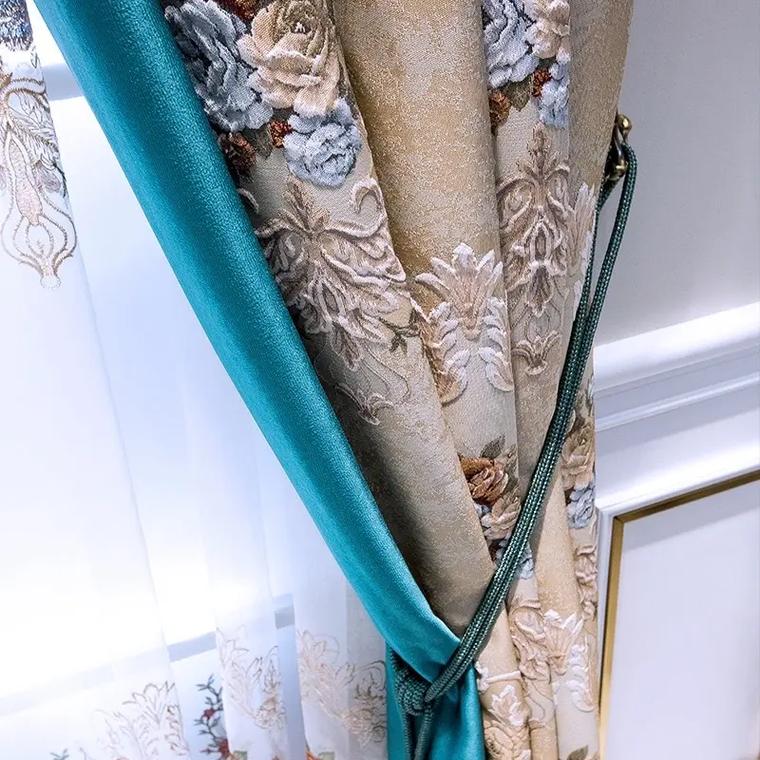
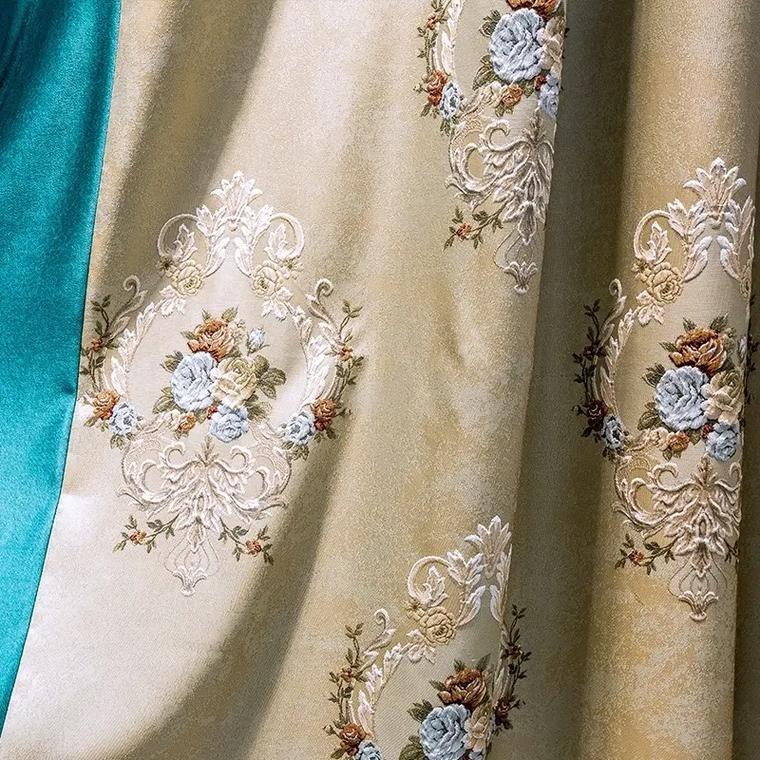
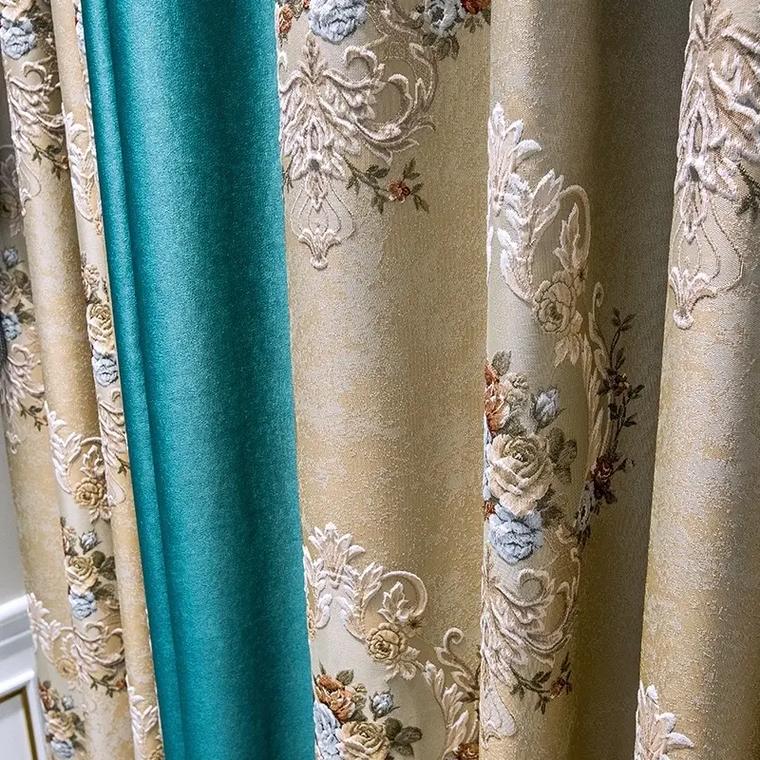
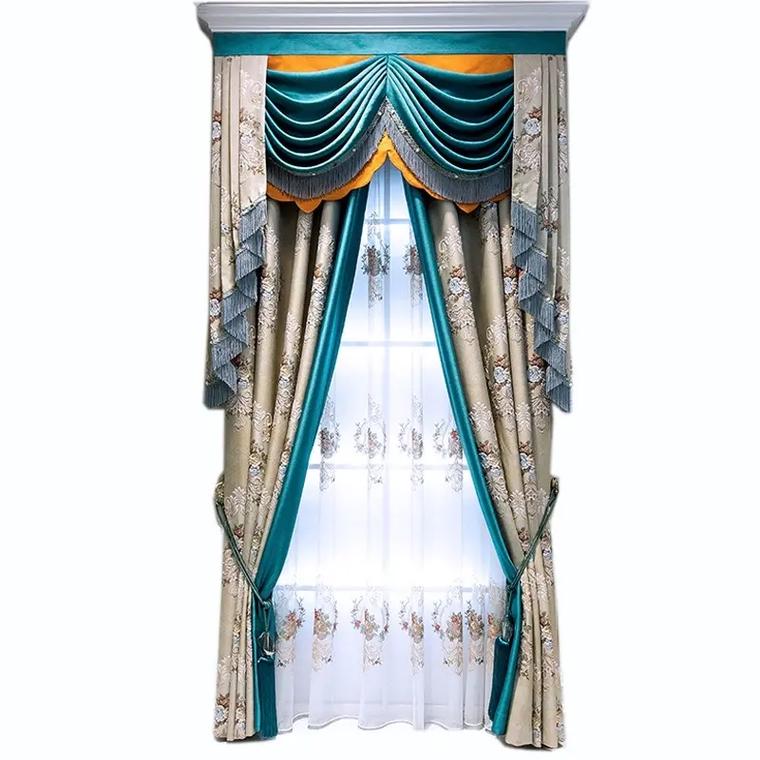
Importing curtains from China has become a popular choice for wholesalers, retailers, interior designers, hotels, and e-commerce sellers worldwide. Chinese curtain manufacturers offer a wide range of designs, competitive factory prices, and flexible customization options.
However, successful importing requires careful planning. Buyers need to understand supplier selection, product requirements, shipping costs, and quality control to achieve the best value.
This guide explains how to import curtains from China while controlling costs and maintaining product quality.
Why Import Curtains from China?
China is one of the world’s largest home textile manufacturing centers, offering many advantages for international buyers.
Key benefits include:
-
Competitive factory prices
-
Large production capacity
-
Wide fabric selection
-
OEM and private label services
-
Custom design capabilities
-
Professional export experience
-
Flexible order quantities
Whether you need ready-made curtains or customized products, Chinese manufacturers can provide suitable solutions.
Step 1: Define Your Curtain Requirements
Before contacting suppliers, clearly define your product specifications.
Important details include:
-
Curtain type
-
Fabric material
-
Size and dimensions
-
Color
-
Pattern design
-
Blackout requirements
-
Curtain header style
-
Lining options
-
Packaging requirements
-
Order quantity
Clear requirements help suppliers provide accurate quotations and prevent production mistakes.
Step 2: Find the Right Curtain Supplier
Choosing the right manufacturer directly affects your product quality and profit margin.
Look for suppliers with:
-
Professional curtain production experience
-
Modern manufacturing facilities
-
Export experience
-
OEM capabilities
-
Quality certifications
-
Positive customer feedback
-
Stable production capacity
A factory with strong manufacturing ability can provide better prices and more reliable delivery.
Step 3: Request Samples Before Bulk Orders
Samples allow you to evaluate product quality before investing in a large order.
Check:
-
Fabric quality
-
Color accuracy
-
Sewing workmanship
-
Curtain size
-
Stitching strength
-
Hanging effect
-
Packaging quality
Approving samples before production helps avoid costly quality problems.
Step 4: Compare Supplier Prices Correctly
When comparing quotations, consider more than just the unit price.
The total cost may include:
-
Fabric cost
-
Manufacturing cost
-
Packaging cost
-
Customization fees
-
Shipping cost
-
Import duties
-
Inspection fees
A supplier offering a lower price may use lower-quality materials or provide fewer services.
Step 5: Choose Cost-Effective Materials
Material selection has a major impact on price.
Common options:
Polyester
-
Affordable
-
Durable
-
Easy to maintain
-
Suitable for mass production
Linen
-
Premium appearance
-
Natural texture
-
Higher cost
Velvet
-
Luxury look
-
Excellent insulation
-
Higher price
Blackout Fabric
-
Better privacy
-
Strong light blocking
-
Popular for bedrooms and hotels
Choosing the right material helps balance quality and budget.
Step 6: Use OEM Services to Increase Value
Custom curtains can provide better profit opportunities.
OEM options include:
-
Custom colors
-
Private labels
-
Logo tags
-
Custom packaging
-
Unique designs
-
Special sizes
Creating your own branded products helps avoid competing only on price.
Step 7: Understand Shipping Options
Shipping costs affect the final import price.
Common shipping methods include:
Sea Freight
Best for:
-
Large orders
-
Bulk shipments
-
Lower transportation costs
Air Freight
Suitable for:
-
Urgent orders
-
Samples
-
Smaller shipments
Express Delivery
Best for:
-
Samples
-
Small quantities
For most curtain importers, sea freight is the most economical option.
Step 8: Understand Import Costs
The final cost includes more than the factory price.
Consider:
-
Product cost
-
International shipping
-
Customs duties
-
Taxes
-
Port fees
-
Local delivery costs
Calculating the total landed cost helps determine your real profit margin.
Step 9: Conduct Quality Inspection
Quality inspection is highly recommended before shipment.
Inspection can include:
-
Quantity checking
-
Fabric inspection
-
Size verification
-
Sewing quality
-
Color checking
-
Packaging inspection
Third-party inspection services can provide additional confidence for large orders.
Tips to Reduce Import Costs
Importers can save money by:
-
Ordering larger quantities
-
Working directly with factories
-
Choosing standard designs
-
Optimizing packaging
-
Combining shipments
-
Planning orders early
Smart purchasing strategies improve profitability without sacrificing quality.
Common Import Mistakes to Avoid
Avoid these problems:
-
Choosing suppliers only based on price
-
Skipping sample approval
-
Ignoring fabric quality
-
Underestimating shipping costs
-
Not confirming product specifications
-
Failing to inspect goods
Proper preparation reduces risks and improves purchasing success.
How to Build Long-Term Supplier Relationships
A reliable supplier can become a valuable business partner.
Long-term cooperation can provide:
-
Better pricing
-
Faster production
-
Stable quality
-
Priority scheduling
-
New product development support
Strong supplier relationships create sustainable business growth.
Conclusion
Importing curtains from China at competitive prices requires careful supplier selection, product planning, cost analysis, and quality control. By working with an experienced curtain manufacturer, buyers can access high-quality products, customize designs, and achieve better profit margins.
With the right sourcing strategy, importing curtains from China can become a profitable and reliable business opportunity for global buyers.
Frequently Asked Questions
How can I find a reliable curtain manufacturer in China?
Look for manufacturers with export experience, quality certifications, strong production capacity, and the ability to provide samples.
What is the cheapest way to import curtains from China?
Sea freight is usually the most cost-effective method for large curtain orders because transportation costs are lower compared with air shipping.
Can I customize curtains with my own brand?
Yes. Chinese manufacturers offer OEM services including custom sizes, fabrics, colors, logos, labels, and packaging.
What is the typical MOQ for curtain orders?
MOQ depends on the design and customization requirements. Many factories accept orders from several hundred pieces for standard products.
How long does curtain production take?
Most curtain orders require around 20–45 days after sample approval, depending on order quantity and customization complexity.
Article Link:
How to Import Curtains from China at Competitive Prices


No reply content