
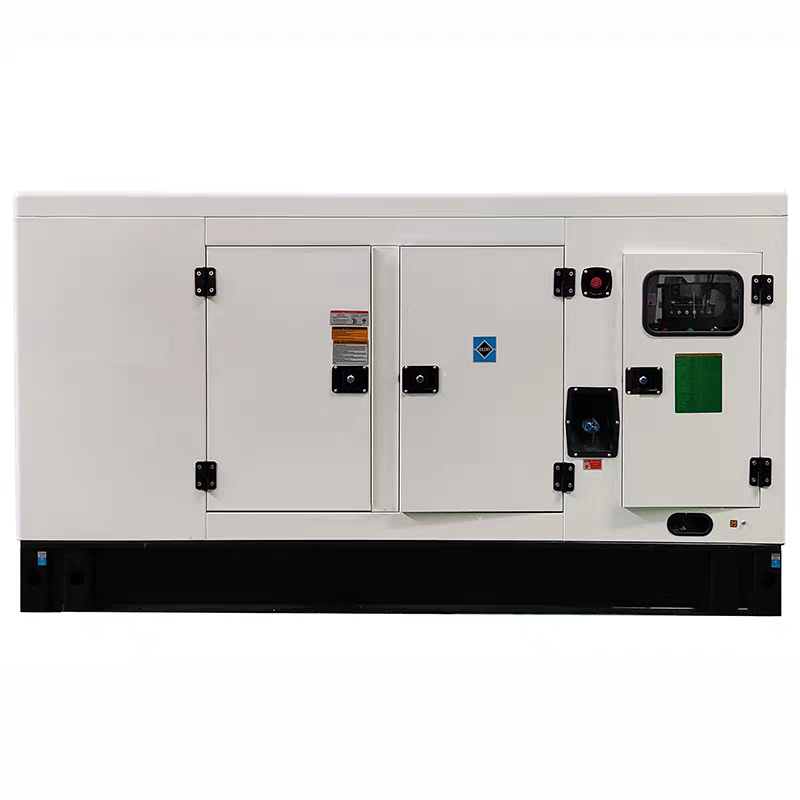

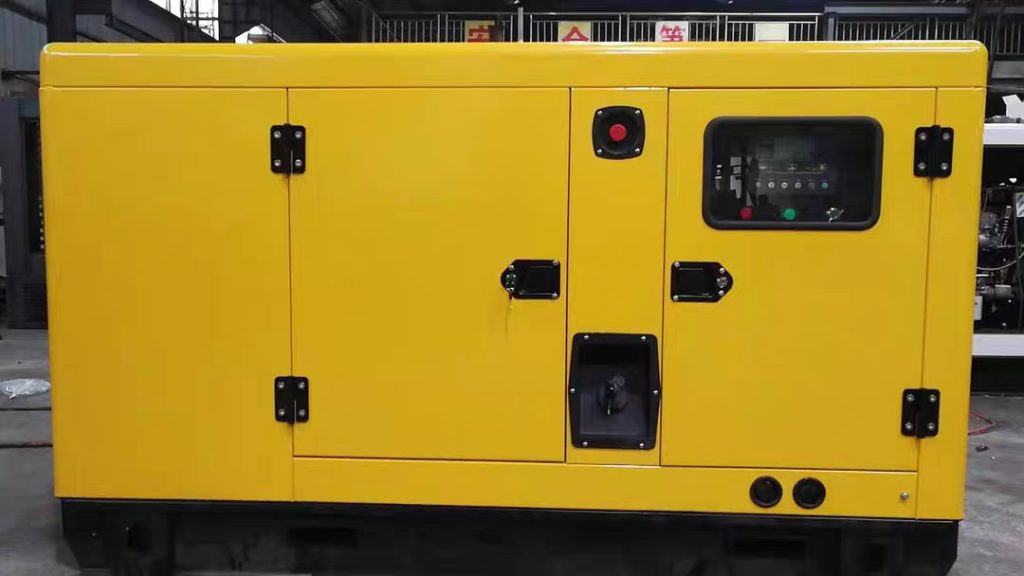
Importing diesel generators from China is a cost-effective solution for distributors, contractors, industrial companies, and government projects worldwide. Chinese manufacturers offer a wide range of generator sets with competitive pricing, reliable performance, and flexible OEM services. However, a successful import requires understanding product costs, shipping methods, certification requirements, and customs procedures.
This guide explains everything you need to know before importing diesel generators from China.
Why Import Diesel Generators from China?
China is one of the world’s largest producers of diesel generators, supplying customers in Asia, Africa, Europe, the Middle East, South America, and North America.
Benefits include:
- Factory-direct pricing
- High production capacity
- OEM and ODM customization
- Wide selection of power ratings
- Global export experience
- International certifications
- Reliable spare parts supply
- Competitive shipping options
Step 1: Choose the Right Generator
Before requesting a quotation, determine your technical requirements.
Key specifications include:
- Power output (kW or kVA)
- Prime or standby generator
- Single-phase or three-phase
- Voltage requirements
- Frequency (50Hz or 60Hz)
- Fuel tank capacity
- Noise level
- Open or silent type
- Trailer-mounted or stationary
- Automatic Transfer Switch (ATS)
Providing clear specifications allows suppliers to recommend the most suitable model.
Step 2: Understand the Cost Structure
The total import cost includes more than the factory price.
Typical expenses include:
- Generator unit price
- OEM customization fees
- Export packaging
- Inland transportation in China
- Sea or air freight
- Marine insurance
- Import duties and taxes
- Customs clearance fees
- Local transportation
- Installation and commissioning
Comparing the total landed cost helps you make a better purchasing decision.
Step 3: Select the Best Shipping Method
Sea Freight
Sea freight is the most economical choice for medium and large diesel generators.
Advantages:
- Lower transportation costs
- Suitable for heavy equipment
- Ideal for bulk orders
- Worldwide shipping routes
Air Freight
Air freight is recommended for:
- Small generators
- Urgent orders
- Spare parts
- Control systems
Although faster, air freight is significantly more expensive than sea transportation.
Door-to-Door Shipping
Many suppliers or freight forwarders can arrange complete logistics solutions, including customs clearance and final delivery where available.
Step 4: Verify Certifications
Certification requirements vary by country.
Common certifications include:
- CE
- ISO 9001
- EPA
- EU Stage V
- SASO
- SONCAP
- EAC
Before placing an order, confirm which certifications are required in your destination market.
Step 5: Request Factory Testing
Professional manufacturers perform comprehensive testing before shipment.
Common tests include:
- Full-load testing
- Voltage stability testing
- Frequency testing
- Fuel consumption testing
- Noise testing
- Continuous running tests
Ask for test reports or videos before the generator is packed.
Step 6: Prepare Import Documents
Most imports require the following documents:
- Commercial Invoice
- Packing List
- Bill of Lading or Air Waybill
- Certificate of Origin (if required)
- Test Report
- Product Certification
- Insurance Certificate (if applicable)
Check with your customs broker for any country-specific documentation requirements.
Step 7: Consider OEM and Customization
Chinese manufacturers often provide OEM and ODM services for overseas buyers.
Customization options include:
- Company logo
- Brand nameplates
- Product colors
- Packaging design
- User manuals
- Intelligent control systems
- Larger fuel tanks
- Silent enclosures
- Trailer-mounted designs
OEM services are especially useful for distributors and private-label brands.
Step 8: Inspect the Goods Before Shipment
For large orders, consider arranging a pre-shipment inspection.
Inspection methods include:
- Factory visits
- Live video inspections
- Third-party inspection agencies
- Sample testing
These inspections help ensure product quality before export.
Step 9: Evaluate Warranty and After-Sales Support
Reliable suppliers should offer:
- Warranty coverage
- Spare parts availability
- Technical documentation
- Installation guidance
- Online technical support
- Maintenance recommendations
Strong after-sales service reduces long-term operating costs and downtime.
Common Applications
Diesel generators imported from China are widely used in:
- Construction sites
- Manufacturing plants
- Hospitals
- Hotels
- Data centers
- Telecommunications
- Agriculture
- Mining
- Oil and gas projects
- Government infrastructure
- Emergency backup power
Common Import Mistakes
Many buyers encounter avoidable problems by:
- Choosing suppliers based only on price
- Ignoring certification requirements
- Not confirming shipping costs
- Skipping quality inspections
- Ordering incorrect power capacity
- Overlooking warranty terms
- Failing to verify export experience
Avoiding these mistakes can save time, money, and project delays.
Tips for Choosing a Reliable Supplier
Before placing an order, verify:
- Manufacturing experience
- Factory certifications
- Export history
- Production capacity
- Quality control procedures
- Customer references
- Warranty policy
- Delivery schedule
A reliable supplier should communicate clearly, provide detailed quotations, and respond promptly to technical questions.
Conclusion
Importing diesel generators from China can provide significant cost savings and access to high-quality power solutions. By understanding total costs, choosing the right shipping method, verifying certifications, and working with an experienced manufacturer, buyers can reduce risks and ensure a smooth import process.
Whether you are importing a single generator or purchasing in bulk for large-scale projects, careful planning and supplier evaluation will help you achieve long-term value and reliable power performance.
FAQ
1. Is sea freight the best option for importing diesel generators?
Yes. Sea freight is generally the most cost-effective method for transporting medium and large diesel generators due to their size and weight.
2. Can Chinese suppliers arrange international shipping?
Yes. Many suppliers can coordinate sea freight, air freight, or door-to-door logistics through experienced freight forwarding partners.
3. What certifications may be required?
Requirements depend on your destination country. Common certifications include CE, ISO 9001, EPA, SASO, SONCAP, and EAC.
4. Can I order generators with my own brand?
Yes. Most manufacturers provide OEM and private-label services, including custom logos, packaging, colors, and technical specifications.
5. How can I reduce import risks?
Choose an experienced supplier, request factory test reports, verify certifications, arrange a pre-shipment inspection, and work with a reliable customs broker or freight forwarder to ensure a smooth import process.


No reply content