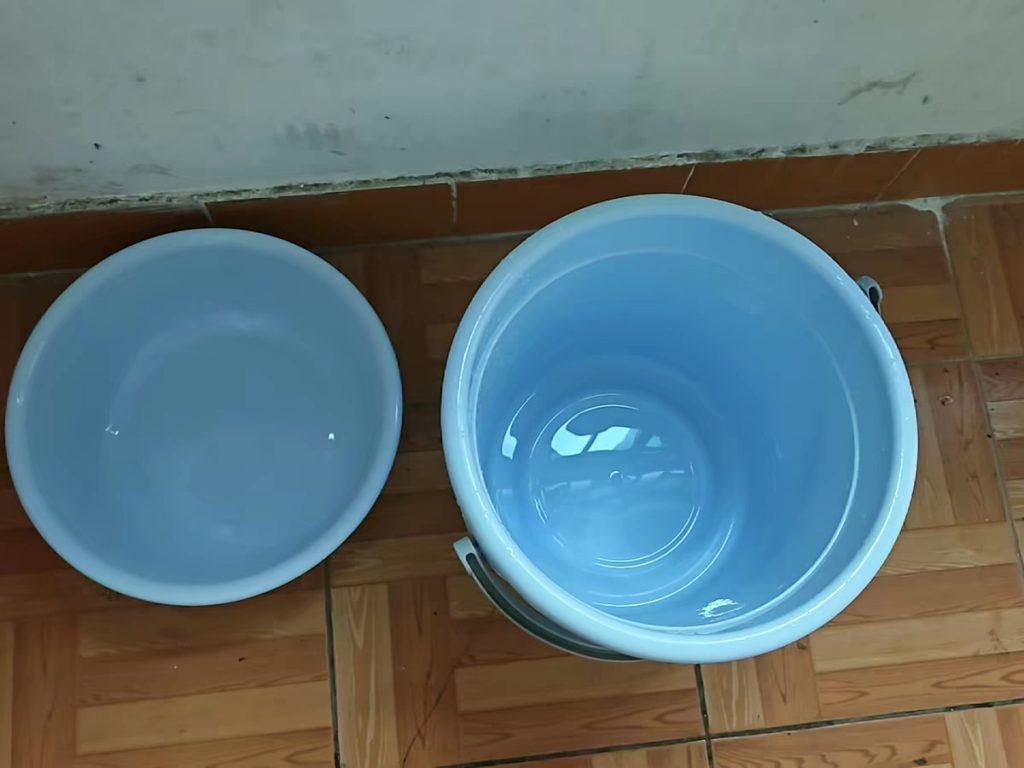
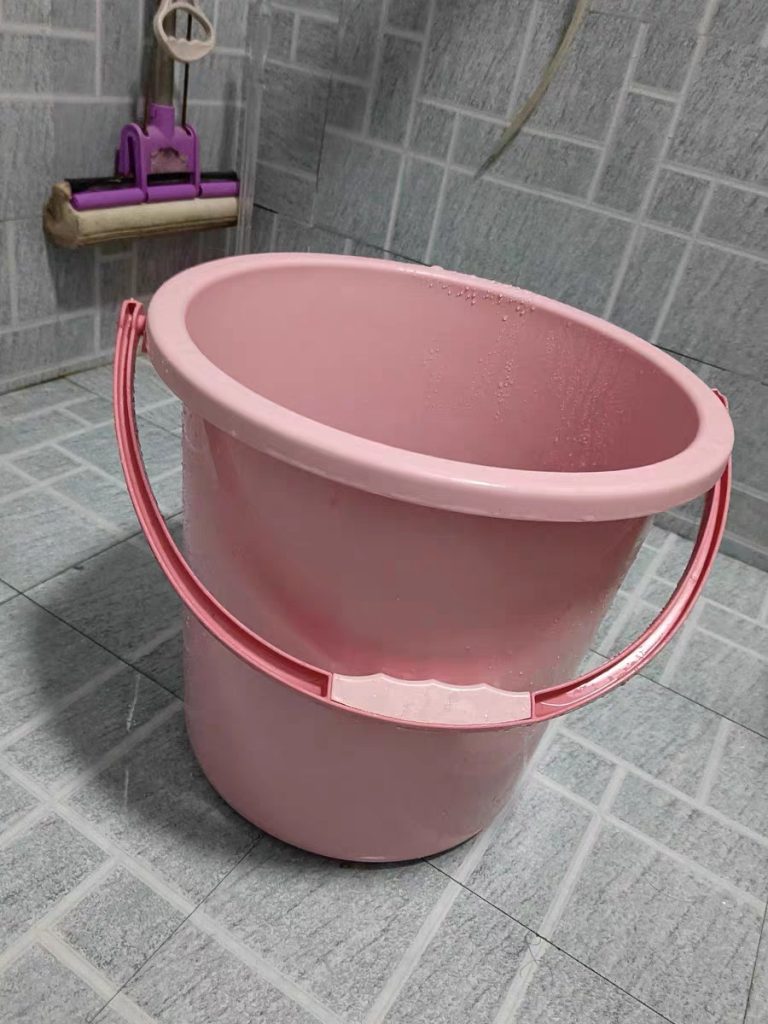
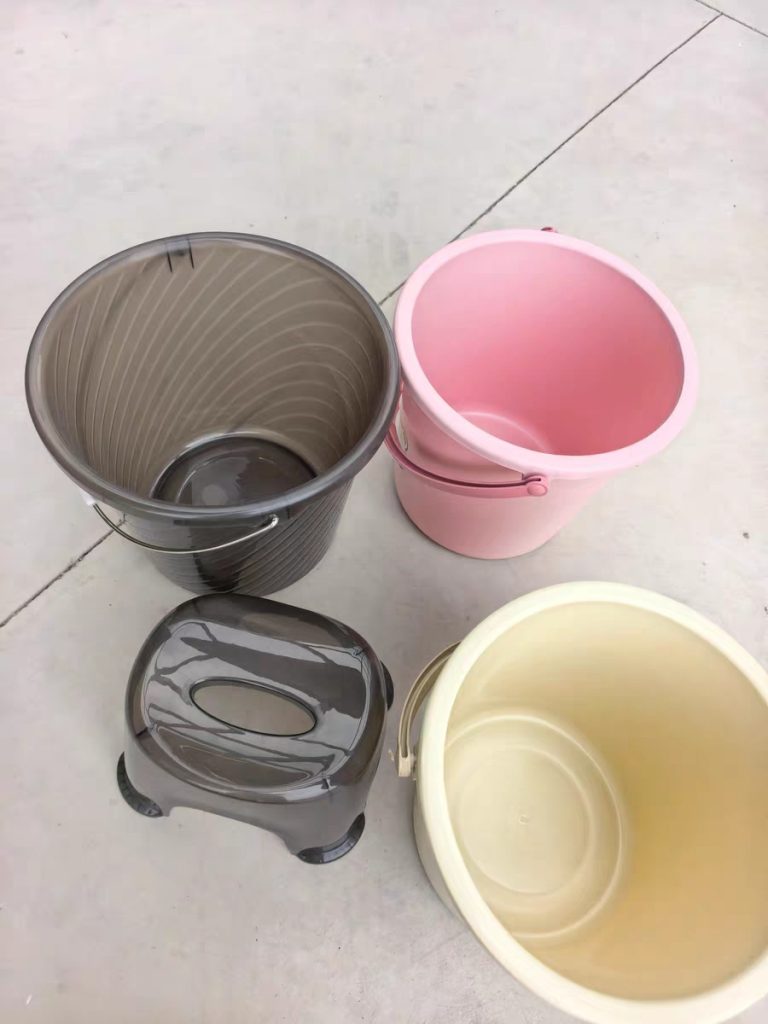
Importing household water buckets from China is an excellent opportunity for wholesalers, distributors, retailers, supermarkets, and e-commerce sellers looking to offer affordable, high-quality products. China is one of the world’s largest manufacturers of plastic household goods, providing competitive prices, flexible customization, and reliable production capacity.
This guide explains the complete importing process and offers practical tips to help buyers reduce costs while maintaining product quality.
Why Import Household Water Buckets from China?
Chinese manufacturers have become trusted suppliers for buyers around the world because they offer:
- Competitive factory-direct prices
- Large production capacity
- Advanced injection molding technology
- OEM and ODM customization
- Consistent product quality
- Fast production times
- Global export experience
Whether you are building a private label brand or supplying retail stores, sourcing from China can improve your competitiveness.
Step 1: Define Your Product Requirements
Before contacting suppliers, prepare a detailed product specification.
Include information such as:
- Bucket capacity (5L, 10L, 15L, 20L, etc.)
- Material (PP, HDPE, or food-grade plastic)
- Color preferences
- Lid style
- Handle type
- Logo printing
- Packaging requirements
- Estimated order quantity
Providing complete specifications helps manufacturers prepare accurate quotations.
Step 2: Find a Reliable Manufacturer
Choose suppliers with proven export experience and strong manufacturing capabilities.
Look for manufacturers that offer:
- Modern production facilities
- Quality certifications
- OEM and private label services
- Product testing
- Stable production capacity
- Positive customer feedback
Working directly with a factory can often reduce costs compared to trading companies.
Step 3: Request Samples
Never place a bulk order without evaluating samples.
Inspect the sample for:
- Plastic quality
- Thickness
- Surface finish
- Handle strength
- Lid fit
- Color consistency
- Overall workmanship
Testing samples helps avoid costly mistakes during mass production.
Step 4: Compare Quotations
When comparing prices, don’t focus only on the unit cost.
Evaluate:
- Material quality
- Production lead time
- Customization fees
- Packaging costs
- Shipping terms
- Payment conditions
- Warranty and after-sales service
The cheapest supplier is not always the best choice.
Step 5: Confirm OEM Requirements
If you need customized products, discuss all details before production begins.
OEM options commonly include:
- Custom logo printing
- Private label packaging
- Custom colors
- New mold development
- Retail packaging
- Barcode labels
Confirm artwork and product specifications before approving production.
Step 6: Understand Incoterms
International trade terms affect the final import cost.
Common Incoterms include:
- EXW (Ex Works)
- FOB (Free On Board)
- CIF (Cost, Insurance, and Freight)
- DDP (Delivered Duty Paid)
Choose the shipping term that best fits your logistics strategy and budget.
Step 7: Arrange Quality Inspection
Professional quality inspections help ensure products meet your requirements.
Typical inspections include:
- Raw material inspection
- Production inspection
- Pre-shipment inspection
- Random sampling
- Packaging inspection
Many importers also hire third-party inspection companies for additional assurance.
Step 8: Choose the Best Shipping Method
Shipping costs can significantly affect the total landed cost.
Available options include:
Sea Freight
- Lowest shipping cost
- Best for large orders
- Suitable for full containers (FCL) and shared containers (LCL)
Air Freight
- Faster delivery
- Higher shipping cost
- Suitable for urgent or small-volume orders
Express Courier
- Fastest delivery
- Ideal for product samples
- Higher cost per unit
Select the shipping method based on your budget and delivery schedule.
Step 9: Prepare Import Documents
Ensure all required documents are complete before shipment.
Typical documents include:
- Commercial Invoice
- Packing List
- Bill of Lading or Air Waybill
- Certificate of Origin (if required)
- Inspection reports
- Customs documents
Accurate documentation helps prevent customs delays.
Cost-Saving Tips
To reduce your import costs:
- Buy directly from manufacturers.
- Order larger quantities to lower the unit price.
- Use standard product designs when possible.
- Optimize packaging to maximize container space.
- Consolidate multiple products into one shipment.
- Plan purchases before peak production seasons.
These strategies can significantly improve your profit margins.
Common Mistakes to Avoid
Many first-time importers make avoidable mistakes, such as:
- Choosing suppliers based only on price
- Skipping sample approval
- Ignoring quality inspections
- Failing to confirm packaging details
- Underestimating shipping costs
- Not reviewing payment terms
Careful planning reduces risk and improves purchasing success.
Building Long-Term Supplier Relationships
Developing a long-term partnership with a reliable manufacturer offers many benefits:
- Better pricing
- Priority production scheduling
- Consistent quality
- Faster communication
- Easier product development
- Flexible business cooperation
Strong partnerships often lead to better business opportunities over time.
Conclusion
Importing household water buckets from China can be a cost-effective way to expand your product range and increase profitability. By choosing a reliable manufacturer, verifying product quality, understanding shipping options, and planning carefully, importers can reduce costs while delivering high-quality products to their customers.
With the right sourcing strategy, Chinese manufacturers can become valuable long-term partners for your household products business.
Frequently Asked Questions
What is the best shipping method for household water buckets?
Sea freight is generally the most economical choice for bulk orders, while air freight and express delivery are suitable for urgent shipments or samples.
Can I customize household water buckets with my own brand?
Yes. Most Chinese manufacturers offer OEM and private label services, including custom colors, logos, packaging, and product designs.
What is the usual production lead time?
Standard production typically takes 20–35 days after sample approval, depending on the order quantity and customization requirements.
How can I reduce import costs?
Order directly from manufacturers, optimize packaging, consolidate shipments, and choose the most suitable shipping method for your order size.
Should I inspect products before shipment?
Yes. A pre-shipment inspection is highly recommended to verify product quality, packaging, and quantity before the goods leave the factory.



No reply content