


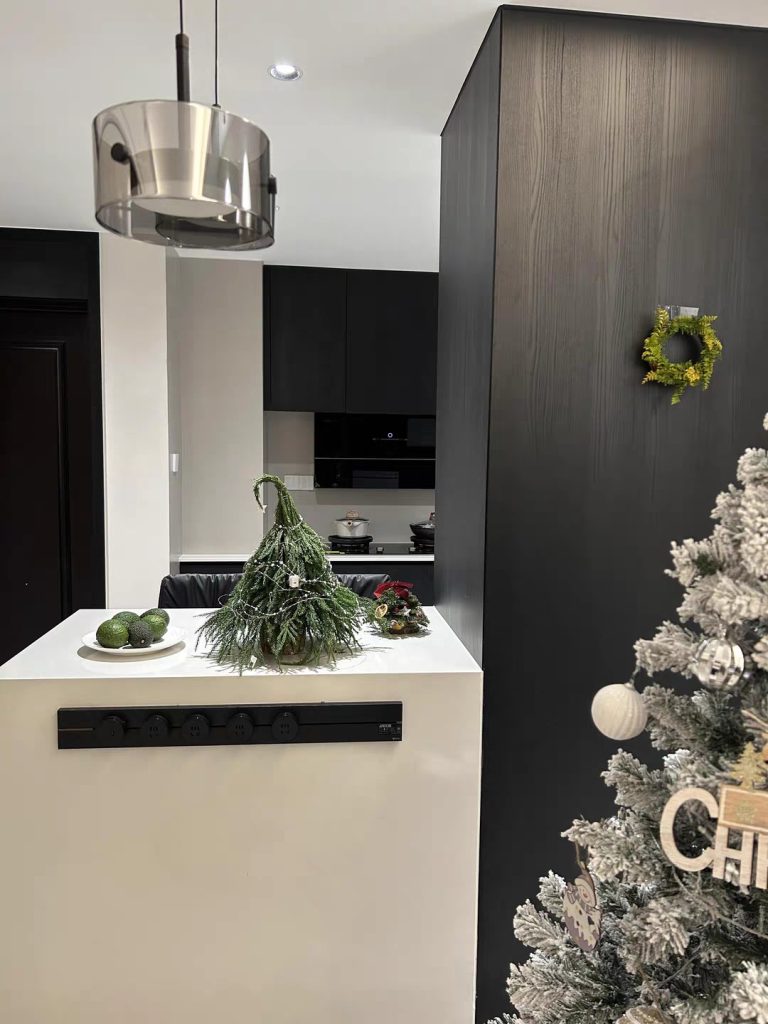
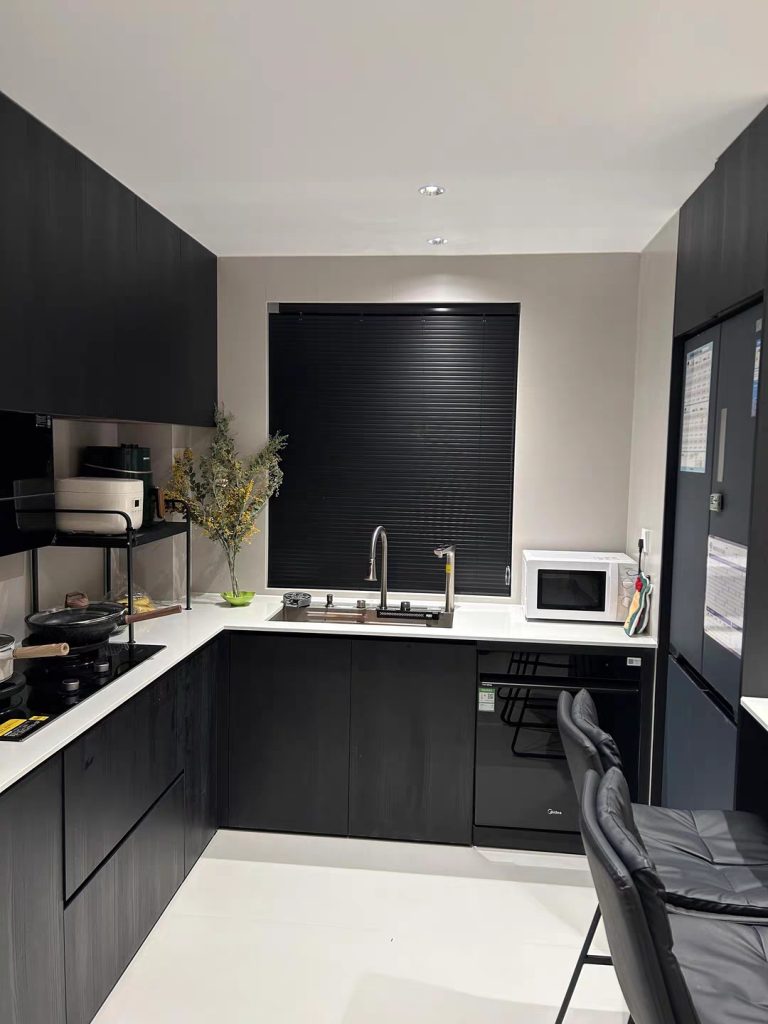


Introduction: Importing Kitchen Cabinets from China Made Simple
Importing kitchen cabinets from China has become a common practice for distributors, developers, contractors, and brands worldwide. With competitive pricing, strong customization capability, and large-scale production, China offers clear advantages for kitchen cabinet sourcing.
However, for first-time buyers—or even experienced importers—understanding the correct import process is essential to avoid delays, quality issues, and unexpected costs. This step-by-step guide explains how to import kitchen cabinets from China smoothly and efficiently.
Step 1: Define Your Kitchen Cabinet Requirements Clearly
Before contacting a manufacturer, buyers should clearly define:
- Cabinet type (modern, solid wood, custom, project-based)
- Materials and finishes
- Target market standards
- Order quantity and delivery timeline
Clear requirements reduce miscommunication and speed up the quotation process.
Step 2: Choose a Reliable Kitchen Cabinet Manufacturer in China
Selecting the right manufacturer is the most critical step.
Key points to evaluate:
- Factory vs trading company status
- Export experience
- Customization capability
- Quality control system
- Project references
Working directly with a factory provides better pricing, clearer communication, and stronger production control.
Step 3: Request Quotation and Product Specifications
A professional manufacturer will provide a detailed quotation based on:
- Cabinet design and materials
- Hardware configuration
- Order quantity
- Packaging requirements
Buyers should carefully review specifications to ensure consistency with market needs.
Step 4: Sample Production and Approval
Before mass production, sample approval is strongly recommended.
Sample evaluation should focus on:
- Material quality
- Workmanship and finishing
- Color and texture accuracy
- Hardware performance
Approved samples become the reference standard for bulk production.
Step 5: Confirm Contract and Production Details
Once samples are approved, both parties confirm:
- Product specifications
- Pricing and payment terms
- Production timeline
- Quality inspection requirements
A clear contract protects both buyer and manufacturer throughout the process.
Step 6: Mass Production and Quality Control
During production, reliable manufacturers implement:
- Incoming material inspection
- Process quality checks
- Final pre-shipment inspection
Buyers may also arrange third-party inspections to ensure compliance with agreed standards.
Step 7: Packaging and Export Preparation
Kitchen cabinets are typically packed in:
- Flat-pack packaging for cost efficiency
- Fully assembled packaging for convenience
Export packaging includes protective materials to prevent damage during shipping.
Step 8: Shipping and Logistics Arrangement
Manufacturers usually support:
- FOB (Free on Board)
- CIF (Cost, Insurance, and Freight)
- Other agreed shipping terms
Shipping methods depend on order size, delivery urgency, and destination.
Step 9: Customs Clearance and Import Duties
Buyers should prepare for:
- Import documentation
- Customs clearance procedures
- Local taxes and duties
Working with an experienced freight forwarder simplifies this process.
Step 10: Delivery, Installation, and After-Sales Support
After arrival, buyers inspect goods and arrange installation. Reliable manufacturers provide after-sales support to address any issues promptly.
Common Mistakes When Importing Kitchen Cabinets from China
- Choosing suppliers based only on the lowest price
- Skipping sample approval
- Unclear product specifications
- Poor communication during production
Avoiding these mistakes significantly reduces risk.
Cost Breakdown: What Influences Import Pricing?
Total import cost includes:
- Product cost
- Packaging
- International freight
- Customs duties and local taxes
Understanding the full cost structure helps buyers plan budgets accurately.
Why China Is a Trusted Source for Kitchen Cabinet Imports
China offers:
- Strong manufacturing capacity
- Flexible customization
- Competitive pricing
- Professional export experience
These advantages make China a long-term sourcing destination for kitchen cabinets.
Conclusion: Importing Kitchen Cabinets from China with Confidence
Importing kitchen cabinets from China is a structured process that becomes straightforward when working with the right manufacturer. Clear communication, proper sampling, and strict quality control are the keys to success.
For buyers seeking reliable supply, cost efficiency, and customization flexibility, partnering directly with an experienced Chinese kitchen cabinet manufacturer provides long-term value.


No reply content