


Importing shiitake mushrooms from China has become a popular choice for food wholesalers, supermarkets, and distributors worldwide due to stable supply, competitive pricing, and consistent quality. This complete guide explains everything you need to know—from product types and quality standards to packaging, pricing, logistics, and supplier selection—helping you avoid risks and source with confidence.
1. Why Import Shiitake Mushrooms from China?
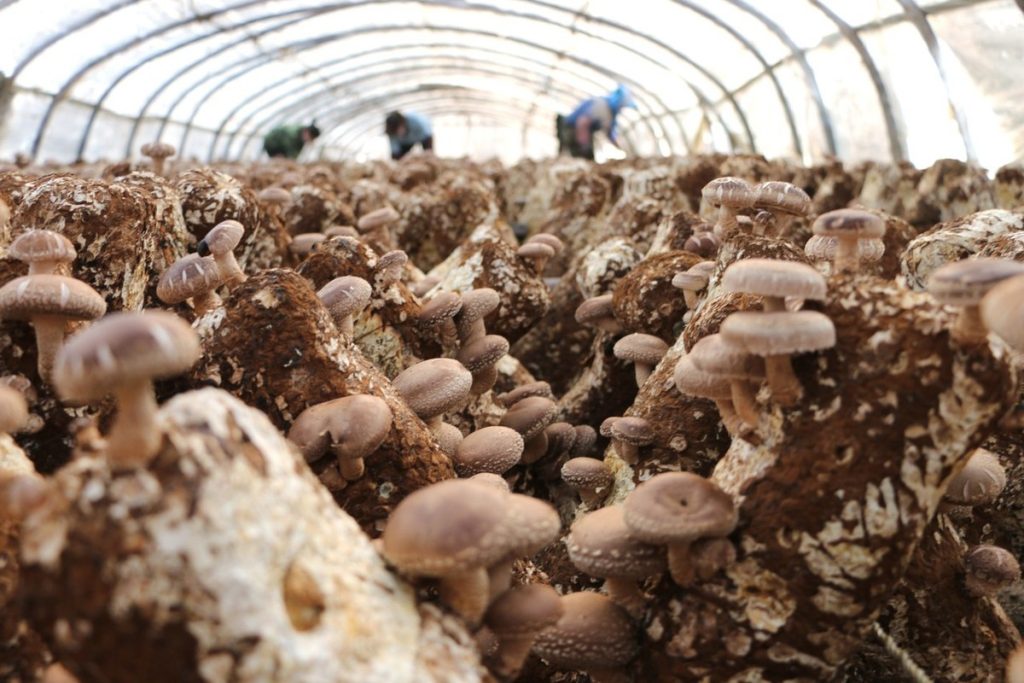
China is the world’s largest producer and exporter of shiitake mushrooms. With decades of cultivation experience, advanced drying techniques, and a well-established export system, Chinese suppliers can offer stable quality and scalable supply that many other countries cannot match.
Here are the main reasons global buyers choose China:
1.1 Massive Production Capacity
China accounts for more than half of the global shiitake mushroom output. Large-scale farms ensure stable year-round supply, even during peak seasons.
1.2 Competitive Pricing
Lower labor costs, mature farming techniques, and complete industrial chains allow Chinese producers to offer more competitive prices without sacrificing quality.
1.3 Wide Product Variety
From premium dried shiitake to fresh, organic, sliced, powdered, and IQF products, China offers a full range of options for different markets.
1.4 Export Experience
Chinese exporters are familiar with international regulations, documentation, and shipping procedures, making the import process smoother for overseas buyers.
2. Types of Shiitake Mushrooms Exported from China
Before importing, it is important to understand the different product categories available.
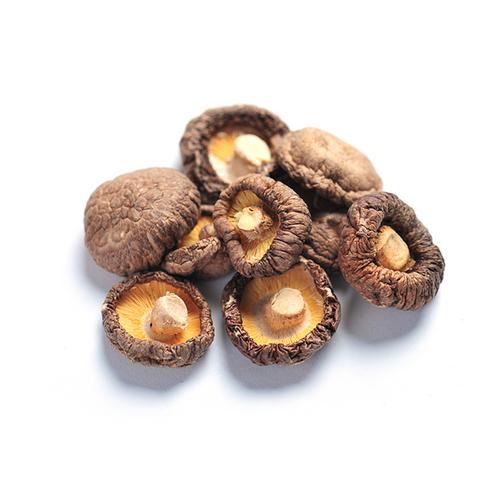
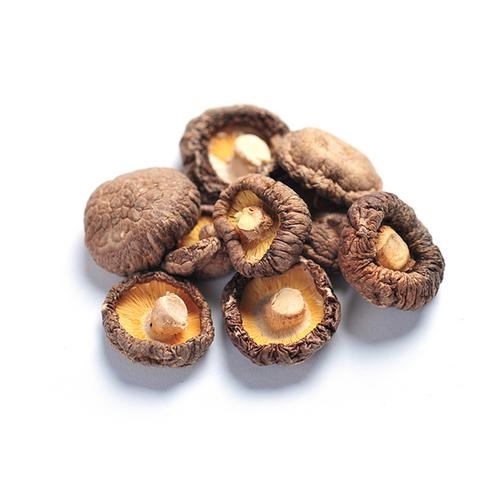
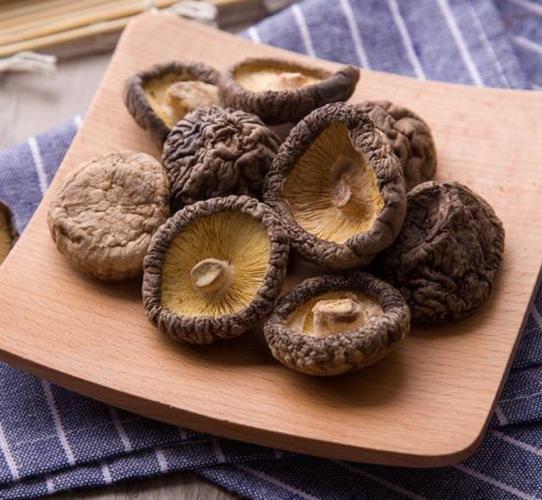
2.1 Dried Shiitake Mushrooms
Dried shiitake mushrooms are the most popular export product due to their long shelf life and strong umami flavor.
Key features:
- Moisture content: usually below 13%
- Thick caps with natural cracks preferred
- Strong aroma
- Long shelf life (12–24 months)
Common uses:
- Asian cuisine
- Soups and broths
- Instant food products
- Food processing
2.2 Fresh Shiitake Mushrooms
Fresh shiitake mushrooms are ideal for supermarkets, restaurants, and fresh food distributors.
Key features:
- Firm texture
- Dark brown caps
- High moisture
- Short shelf life (5–10 days under refrigeration)
Packaging options:
- Foam trays
- MAP packaging
- Bulk cartons
2.3 Organic Shiitake Mushrooms
Organic shiitake mushrooms are increasingly popular in Europe, North America, and Australia.
Characteristics:
- Grown without synthetic pesticides
- Certified by USDA Organic, EU Organic, or JAS
- Higher price point
- Strong appeal to health-conscious consumers
2.4 Value-Added Shiitake Products
Many buyers also import:
- Sliced shiitake
- Shiitake powder
- IQF shiitake
- Seasoned mushroom snacks
These products are suitable for food factories and private label brands.
3. Quality Standards for Shiitake Mushrooms
Quality control is one of the most important concerns for international buyers.
3.1 Physical Appearance
Buyers typically evaluate:
- Cap size (small, medium, large, jumbo)
- Cap thickness
- Uniformity
- Color
- Cracking pattern
Premium dried shiitake mushrooms usually have thick caps and natural flower-like cracks.
3.2 Moisture Content
For dried shiitake, moisture content should generally be below 13%. High moisture can cause mold, unpleasant odor, and shorter shelf life.
3.3 Microbiological Safety
Suppliers should test for:
- Total plate count
- Yeast and mold
- E. coli
- Salmonella
3.4 Chemical Safety
Reputable exporters provide testing for:
- Pesticide residues
- Heavy metals
- Aflatoxins
3.5 Certifications
Common certificates include:
- Phytosanitary Certificate
- Certificate of Origin
- Health Certificate
- COA (Certificate of Analysis)
- Organic Certification (if applicable)
4. Common Packaging Options
Packaging is not only about protection—it also affects branding, shelf life, and logistics.
4.1 Retail Packaging
- 100g / 200g / 500g pouches
- Vacuum-sealed bags
- Ziplock bags
- Color printed boxes
4.2 Bulk Packaging
- 5kg / 10kg / 20kg cartons
- Inner polybags
- Kraft paper bags
4.3 OEM & Private Label
Many Chinese suppliers offer:
- Custom logo printing
- Multilingual packaging
- Barcode printing
- Nutritional label customization
5. What Affects the Price of Shiitake Mushrooms?
Prices can vary significantly depending on several factors.
5.1 Grade
Higher grades with thick caps, uniform sizes, and low moisture cost more.
5.2 Season
Harvest season impacts availability and price. Peak seasons usually offer better prices.
5.3 Processing Method
Sun-dried shiitake often have better aroma and command a higher price than machine-dried ones.
5.4 Order Quantity
Bulk orders receive better pricing due to economies of scale.
5.5 Packaging Requirements
Custom packaging, private labeling, and special materials can increase costs.
6. Step-by-Step Process to Import Shiitake Mushrooms from China
Understanding the full import process helps you avoid costly mistakes.
Step 1: Identify Reliable Suppliers
Use B2B platforms, trade fairs, or referrals to find exporters with proven experience.
Step 2: Request Samples
Always evaluate product quality before placing bulk orders.
Step 3: Confirm Specifications
Clarify:
- Size
- Moisture
- Grade
- Packaging
- Labeling
Step 4: Negotiate Terms
Discuss:
- Price
- MOQ
- Delivery time
- Payment terms
Step 5: Place Order (PI & Contract)
Sign a Proforma Invoice and confirm all details.
Step 6: Production & Quality Control
Many buyers hire third-party inspection companies.
Step 7: Shipping
Choose between:
- Sea freight
- Air freight
- Express (for samples)
Step 8: Customs Clearance
Prepare import documents and comply with your local food regulations.
How to Import Shiitake Mushrooms from China (Part 2)
7. Common Risks When Importing Shiitake Mushrooms — and How to Avoid Them
While importing shiitake mushrooms from China can be highly profitable, buyers should be aware of potential risks. Understanding these issues in advance can save you from financial losses and reputation damage.
7.1 Inconsistent Quality
Some suppliers may deliver samples of high quality but ship bulk orders with lower-grade products.
How to avoid this:
- Clearly define quality specifications in writing
- Include size, moisture, and appearance standards
- Use third-party inspection before shipment
- Request pre-shipment photos and videos
7.2 Excessive Moisture Content
High moisture in dried shiitake mushrooms can lead to mold, bad odor, and reduced shelf life.
Solution:
- Always request moisture test reports
- Ask for sun-dried or low-temperature dried products
- Store in dry, ventilated conditions
7.3 Mislabeling and Non-Compliance
Incorrect ingredient labels or missing allergen information can result in customs delays or fines.
Solution:
- Confirm labeling requirements in your country
- Ask suppliers to provide label mockups
- Verify translations
7.4 Hidden Costs
Some exporters quote low product prices but charge extra for packaging, documentation, or inland transport.
Solution:
- Ask for an all-inclusive quotation
- Confirm Incoterms (FOB, CIF, DDP, etc.)
- Clarify port charges and destination fees
7.5 Delayed Shipments
Delays can affect your sales cycle, especially for fresh or seasonal products.
Solution:
- Choose suppliers with export experience
- Avoid peak holiday periods in China
- Use reliable freight forwarders
8. Major Importing Countries for Chinese Shiitake Mushrooms
Chinese shiitake mushrooms are exported worldwide. Here are some major markets:
8.1 United States
- High demand for organic and premium grades
- Strict FDA and USDA regulations
- Popular in Asian cuisine and health food stores
8.2 European Union
- Strong demand for organic and sustainable products
- Strict pesticide residue limits
- Requires detailed documentation
8.3 Japan
- One of the largest shiitake-consuming countries
- Very strict quality standards
- High preference for thick-cap mushrooms
8.4 Middle East
- Growing interest in Asian ingredients
- Halal packaging may be required
- Long shelf life products preferred
8.5 Australia and New Zealand
- High demand for organic and clean-label products
- Strict quarantine regulations
9. How to Choose a Reliable Shiitake Mushroom Supplier in China
Choosing the right supplier is the most important decision in your sourcing process.
9.1 Export Experience
Look for suppliers with at least 3–5 years of export experience. They understand documentation, inspections, and international standards.
9.2 Stable Production Base
Reliable suppliers usually have:
- Their own farms
- Long-term cooperative farms
- Controlled cultivation environments
9.3 Quality Control System
Professional suppliers conduct:
- Raw material inspection
- In-process checks
- Final batch testing
9.4 Transparency
Good suppliers provide:
- Real photos and videos
- Factory tours (online or offline)
- Lab test reports
9.5 Customization Ability
If you want private labels or special packaging, make sure the supplier has OEM/ODM capabilities.
10. Why Work with a Professional Chinese Shiitake Supplier?
Working with a professional supplier offers several advantages:
- Stable long-term supply
- Consistent quality
- Transparent pricing
- Faster lead times
- Strong problem-solving ability
Instead of chasing the cheapest price, experienced buyers focus on value, stability, and reliability.
11. Why Choose Us as Your Shiitake Mushroom Supplier?
We specialize in exporting high-quality shiitake mushrooms from China to global markets. Our products are trusted by food wholesalers, supermarkets, and distributors worldwide.
Our Advantages:
- Direct sourcing from selected farms
- Strict quality control
- Competitive factory pricing
- Custom packaging & private labeling
- Full export documentation support
- Fast response and professional service
We don’t just sell products—we build long-term partnerships.
12. Frequently Asked Questions (FAQ)
Q1: What is your MOQ?
Our standard MOQ is flexible depending on product type and packaging requirements. Bulk orders receive better pricing.
Q2: Can I get samples before placing a bulk order?
Yes, we provide samples for quality evaluation.
Q3: What is the shelf life of dried shiitake mushrooms?
Typically 12–24 months when stored properly.
Q4: Do you offer private label packaging?
Yes, we provide OEM and private label services.
Q5: What documents do you provide?
We provide commercial invoice, packing list, bill of lading, phytosanitary certificate, COA, and certificate of origin.
Q6: How long does production take?
Usually 7–20 days depending on order size and customization.
Q7: Can you arrange shipping?
Yes, we offer FOB, CIF, and DDP shipping options.
13. ⭐⭐⭐⭐⭐ Customer Reviews
Here are some real-style reviews from international buyers:
⭐⭐⭐⭐⭐
Michael R. – USA 🇺🇸
“Excellent quality shiitake mushrooms. Thick caps, strong aroma, and very consistent. Packaging was perfect for retail.”
⭐⭐⭐⭐⭐
Anna K. – Germany 🇩🇪
“We’ve been importing from China for years, but this supplier stands out for quality control and communication.”
⭐⭐⭐⭐⭐
James P. – UK 🇬🇧
“Fast shipping, accurate documentation, and reliable quality every time.”
⭐⭐⭐⭐⭐
Hiroshi T. – Japan 🇯🇵
“Very good grading and appearance. Suitable for our premium market.”
⭐⭐⭐⭐⭐
Carlos M. – Spain 🇪🇸
“Stable supply and fair pricing. Our customers love the flavor.”
⭐⭐⭐⭐⭐
Liam O. – Australia 🇦🇺
“Organic certification was complete and verified. Very professional service.”
⭐⭐⭐⭐⭐
Fatima A. – UAE 🇦🇪
“Packaging was customized exactly to our request.”
⭐⭐⭐⭐⭐
Noah S. – Canada 🇨🇦
“Great aroma, low moisture, and consistent size.”
⭐⭐⭐⭐⭐
Sophie L. – France 🇫🇷
“Highly recommend for serious buyers.”
⭐⭐⭐⭐⭐
Daniel W. – Netherlands 🇳🇱
“Perfect for our wholesale business.”
⭐⭐⭐⭐⭐
Marco B. – Italy 🇮🇹
“Reliable partner, not just a supplier.”
⭐⭐⭐⭐⭐
Oliver H. – Sweden 🇸🇪
“Smooth process from sampling to delivery.”
⭐⭐⭐⭐⭐
Ahmed K. – Egypt 🇪🇬
“Good value for money.”
⭐⭐⭐⭐⭐
Lucas D. – Brazil 🇧🇷
“Stable quality across all shipments.”
⭐⭐⭐⭐⭐
Emily J. – New Zealand 🇳🇿
“Excellent support team.”
14. Final Thoughts
Importing shiitake mushrooms from China can be a highly profitable business if you work with the right partner. By understanding product types, quality standards, packaging, pricing, and logistics, you can avoid common pitfalls and build a reliable supply chain.
15. Contact Us
If you are looking for a reliable shiitake mushroom supplier from China, feel free to contact us for the latest price, samples, and detailed specifications. Our team is ready to support your business.


No reply content