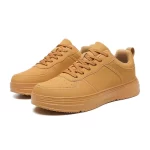
China Jinjiang shoe manufacturer in

Learn how to source shoes from China for Afghanistan’s market. Discover cost-effective logistics, compliance tips, and climate-adaptive designs for challenging environments.
—
Introduction
Afghanistan’s footwear market, valued at $300 million, demands durable, affordable designs suited to its rugged terrain and conservative cultural norms. Sourcing shoes from China offers cost savings of up to 50% compared to local production, but challenges like security risks, extreme climates, and customs hurdles require strategic planning. This guide provides actionable steps for importing shoes from China to Afghanistan in 2024.
—
Why Source Shoes from China for Afghanistan?
1. Cost Efficiency
– Economies of scale: Bulk material sourcing reduces per-unit costs by 30–40%.
– AI-driven production: Automated factories minimize defects and waste.
– OEM/ODM flexibility: Custom designs tailored to Afghan preferences (e.g., closed-toe sandals, reinforced soles).
2. Climate-Resilient Solutions
– Dustproof materials: Water-resistant coatings for desert environments.
– Insulated midsoles: Thermal linings for cold winters in mountainous regions.
– UV-resistant finishes: Protection against harsh sunlight.
3. Cultural Adaptability
– Modest designs: Long socks and ankle-supporting shoes for conservative markets.
– Traditional patterns: Embroidered motifs inspired by Afghan textiles.
– Ramadan-ready packaging: Minimalist gold foil accents for festive seasons.
—
Step-by-Step Process
1. Supplier Vetting
– Key criteria:
– ISO 9001:2015 certification for quality control.
– Experience with Afghanistan’s National Standards Authority (ANSA) compliance.
– Platforms: Alibaba Gold Suppliers, local trade platforms like Afghan Chamber of Commerce.
2. Compliance & Labeling
– Label requirements:
– Dari/English bilingual labels (materials, care instructions, origin).
– Compliance with ANSA 1234 (safety standards for footwear).
– Customs documentation:
– Commercial invoice, packing list, COO (Certificate of Origin).
– Phytosanitary certificates for leather products.
3. Prototyping & Testing
– Durability testing: Simulate sandstorms (10-hour abrasion resistance tests).
– AQL 2.5 inspections: Focus on heel durability and saltwater resistance.
– Cultural feedback: Partner with Kabul-based designers to refine patterns.
4. Logistics & Shipping
– Shipping routes:
– Sea freight via Karachi Port (35–45 days; bulk orders).
– Air freight through Hamid Karzai International Airport (5–7 days for samples).
– Customs clearance: Partner with Kabul brokers to expedite ANSA inspections.
—
Key Challenges & Solutions
Challenge Solution
Security Risks Use armored trucks for local delivery; partner with DHL/Aramex for secure logistics.
Extreme Desert Heat Request factories to use thermoplastic polyurethane (TPU) midsoles.
Payment Security Use letters of credit (LC) via Afghan banks like Da Afghanistan Bank.
Border Delays Hire local customs brokers with experience in AfghanistanEU trade agreements.
—
Cost Breakdown
Component Cost Range Savings Tips
Desert Testing $200–$500 per design Reuse test reports for similar styles
Material Costs $5–$12 per pair Bulk purchase of heatresistant rubber
Sea Freight (FOB) $2–$4 per pair LCL shipping for small batches
Customs Fees 5–7% of CIF value Leverage AfghanistanPakistan FTA*


No reply content