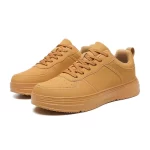
China Jinjiang shoe manufacturer in

Discover cost-effective strategies for sourcing shoes from China to Kazakhstan. Learn compliance requirements, logistics optimization, and design adaptations for the Central Asian market.
—
Introduction
Kazakhstan’s footwear market, valued at $700 million, demands durable, versatile designs suited to its harsh winters and nomadic cultural influences. Sourcing shoes from China offers unparalleled cost savings (up to 50% lower than local production) and scalability. However, navigating customs regulations, extreme climates, and regional preferences requires a tailored approach. This guide provides actionable insights for importing shoes from China to Kazakhstan in 2024.
—
Why Source Shoes from China for Kazakhstan?
1. Cost Efficiency
– Economies of scale: Bulk material sourcing reduces per-unit costs by 30–40%.
– Advanced manufacturing: Automated cutting and AI-driven production minimize waste.
– OEM/ODM flexibility: Custom designs tailored to Kazakhstani aesthetics.
2. Climate-Adaptive Solutions
– Insulated materials: Thermo-layered soles and fur-lined uppers for sub-zero temperatures.
– Water-resistant coatings: Protection against snow and rain.
– Durable outsoles: Reinforced traction for rugged terrain.
3. Cultural Relevance
– Nomadic-inspired designs: Sturdy boots with wide laces for adjustable fit.
– Minimalist aesthetics: Neutral tones and gold accents for urban markets.
– Halal-compliant materials: Non-animal-derived adhesives and dyes.
—
Step-by-Step Process
1. Supplier Vetting
– Key criteria:
– ISO 9001:2015 certification for quality control.
– Experience with Eurasian Economic Union (EAEU) standards.
– Platforms: Alibaba Gold Suppliers, Made-in-China Verified.
2. Compliance & Labeling
– Label requirements:
– Bilingual labels (Kazakh/Russian and English) for materials and origin.
– Compliance with GOST R 58184-2020 (safety standards for footwear).
– Customs documentation:
– Commercial invoice, packing list, COO (Certificate of Origin).
– Phytosanitary certificates for leather products.
3. Prototyping & Testing
– Thermal testing: Simulate -30°C conditions to test insulation.
– AQL 2.5 inspections: Focus on heel durability and glue adhesion.
– Cultural feedback: Use local designers to refine patterns (e.g., traditional embroidery).
4. Logistics & Shipping
– Shipping routes:
– Sea freight via Caspian Sea ports (40–50 days; bulk orders).
– Air freight through Nursultan Nazarbayev International Airport (7–10 days for samples).
– Customs clearance: Partner with Almaty-based brokers to expedite EAEU inspections.
—
Key Challenges & Solutions
Challenge 1: Extreme Cold Durability
– Solution: Use thermoplastic polyurethane (TPU) midsoles and heat-retaining linings.
Challenge 2: Cultural Preferences
– Solution: Integrate traditional motifs (e.g., steppe-inspired embroidery) into designs.
Challenge 3: Border Delays
– Solution: Hire trusted freight forwarders with EAEU customs expertise.
—
Cost Breakdown
Component Cost Range Savings Tips
Thermal Testing $200–$500 per design Reuse test reports for similar styles
Material Costs $5–$12 per pair Bulk purchase of waterresistant rubber
Sea Freight (FOB) $2–$4 per pair LCL shipping for small batches
Customs Fees 5–7% of CIF value Leverage KazakhstanRussia DCFTA


No reply content