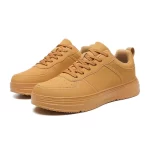


Norway’s footwear market thrives on sustainability, high consumer spending, and a strong preference for durable, stylish designs. With China’s dominance in footwear manufacturing, importing shoes from Chinese suppliers offers Norwegian businesses a cost-effective pathway to meet demand. This guide covers compliance requirements, logistics strategies, and market insights to ensure a seamless import process.
—
Why Import Shoes from China to Norway?
1. Cost Competitiveness: Chinese manufacturers produce high-quality footwear at prices 35–50% lower than EU-based suppliers, ideal for Norway’s competitive retail market.
2. Sustainability Alignment: Many Chinese factories now prioritize eco-friendly materials (e.g., recycled polyester), aligning with Norway’s green consumer trends.
3. Market Growth: Norway’s footwear imports rose by 12% in 2023, driven by e-commerce expansion and demand for versatile, seasonal designs.
—
Step-by-Step Import Process
1. Supplier Selection & Quality Assurance
– Find Reliable Suppliers: Use platforms like Alibaba or Global Sources to connect with verified manufacturers. Prioritize suppliers with ISO 14001 (eco-certifications) or BSCI audits.
– Verify Compliance: Ensure products meet EU standards (e.g., REACH for chemical safety, CE marking for footwear with components like soles). Request samples to test durability and comfort.
– Negotiate Terms: Clarify MOQs (Minimum Order Quantities), pricing tiers, payment methods (e.g., LC or TT), and lead times (40–55 days for custom orders).
2. Compliance with EU/Norwegian Regulations
– CE Marking: Mandatory for footwear with specific components (e.g., children’s shoes, sports footwear).
– Labeling: Labels must include Norwegian text, EU size designation, material composition, and country of origin (“Made in China”).
– REACH Compliance: Ensure materials do not contain restricted substances (e.g., azo dyes, phthalates).
3. Shipping & Logistics
– Preferred Transport Modes:
– Sea Freight: Most cost-effective for bulk shipments (30–45 days via North Sea routes to Oslo Port or Bergen Port).
– Rail Freight: Combine with sea routes (e.g., China-Europe rail to Oslo) for faster transit (20–30 days).
– Air Freight: Ideal for high-value or urgent orders (5–7 days) but higher costs.
– Customs Clearance: Prepare invoices, packing lists, certificates of origin, and HS codes (e.g., 6403 for footwear with rubber/plastic soles). Partner with a Norwegian freight forwarder to handle TIR (Transports Internationaux Routiers) procedures.
4. Tariffs & Taxation
– Import Duties: Norway applies EU-wide tariffs averaging 5–12% on footwear, depending on material (e.g., rubber-soled shoes face lower duties).
– VAT (MVA): 25% standard rate applied to imports; input VAT can be reclaimed with proper documentation.
– Trade Agreements: Leverage EU FTAs (e.g., reduced tariffs for footwear from ASEAN countries if re-exported from China).
—
Key Challenges & Solutions
– Language Barriers: Hire bilingual logistics coordinators or use professional translation services for contracts and labeling.
– Quality Control: Conduct pre-shipment inspections in China to avoid disputes over sizing or defects.
– Local Preferences: Adapt designs to Norwegian tastes (e.g., waterproof shoes for rainy winters, lightweight options for summer tourism).
—
Market Insights & Trends
1. E-Commerce Dominance: Platforms like Komplett, Fram, and Amazon Norway drive sales—optimize product listings with keywords like “mennssko” (men’s shoes) or “vinterstøvler” (winter boots).
2. Sustainability Focus: 70% of Norwegians prioritize eco-friendly brands. Highlight:
– Vegan leather or water-based adhesives.
– Carbon-neutral shipping options.
3. Seasonal Demand: Plan inventory around peak seasons (summer tourism in June–August, holiday sales in November–December).
—
Maximizing Profitability
– Optimize Packaging: Lightweight, compact packaging reduces shipping costs.
– Monitor Exchange Rates: Lock in favorable NOK/CNY rates using forward contracts.
– Build Relationships: Negotiate long-term contracts for bulk discounts and priority production slots.
—
Conclusion
Importing shoes from China to Norway combines affordability with access to a sustainability-driven market. By prioritizing compliance, eco-friendly practices, and strategic logistics, businesses can capitalize on Norway’s growing demand. Start by partnering with vetted suppliers and leveraging Norway’s expanding e-commerce platforms to scale efficiently.


No reply content