Introduction
For overseas buyers, sourcing solar energy storage systems from China offers cost efficiency, advanced manufacturing, and customization flexibility. However, importing high-value energy storage systems requires careful planning, supplier evaluation, and understanding of shipping, customs, and safety requirements.
This guide provides a step-by-step overview from the perspective of a Chinese solar energy storage manufacturer, helping buyers navigate the process safely and efficiently while ensuring quality and regulatory compliance.
Step 1: Define Your Project Requirements
Before contacting a manufacturer, clearly define your project needs:
- Application type: residential, commercial, industrial, or off-grid
- System capacity: total kWh required and power output
- Battery type: LiFePO₄, NMC, or other chemistries
- Inverter and EMS requirements: hybrid, off-grid, or grid-tied
- Environmental conditions: outdoor installation, temperature extremes, or coastal exposure
- Budget and timeline
A detailed specification ensures manufacturers provide accurate quotes, reduces misunderstandings, and enables customized solutions if necessary.
Step 2: Identify and Evaluate Manufacturers
Look for manufacturers that can meet your technical, quality, and supply requirements. Key evaluation points:
- Experience and track record: Years of production and export experience
- Production capacity: Ability to fulfill your order size within your timeline
- Quality control procedures: Testing, certifications (UL, CE, IEC)
- OEM/ODM support: Ability to customize systems, branding, and documentation
- After-sales service: Technical support, warranty, and troubleshooting
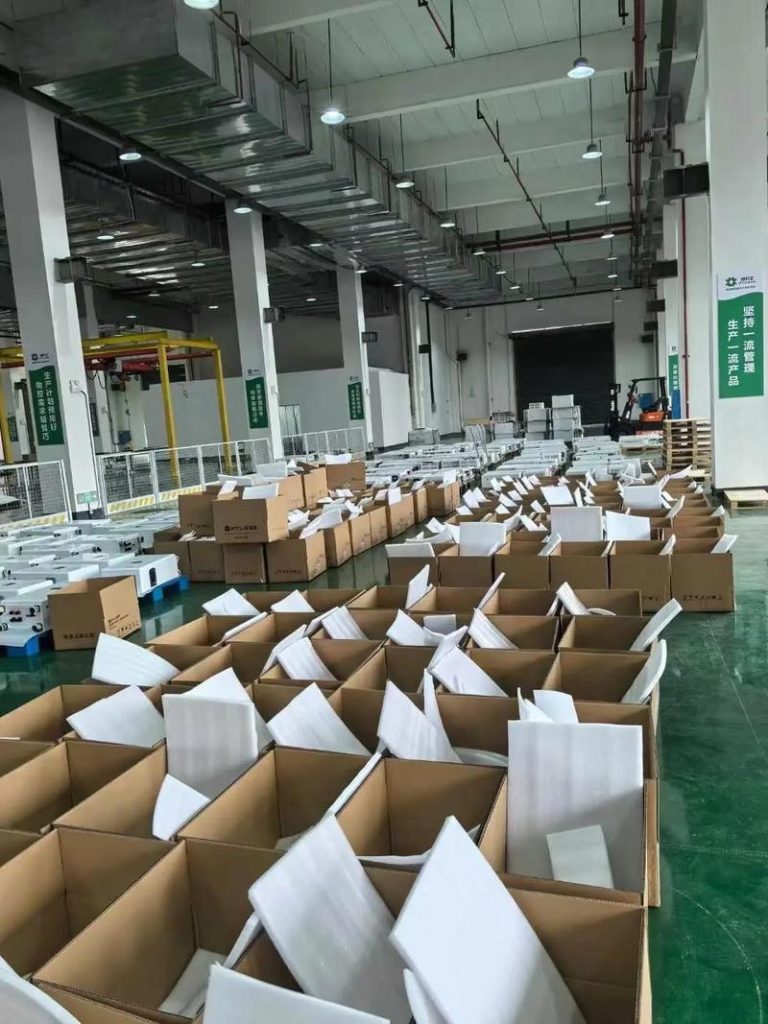
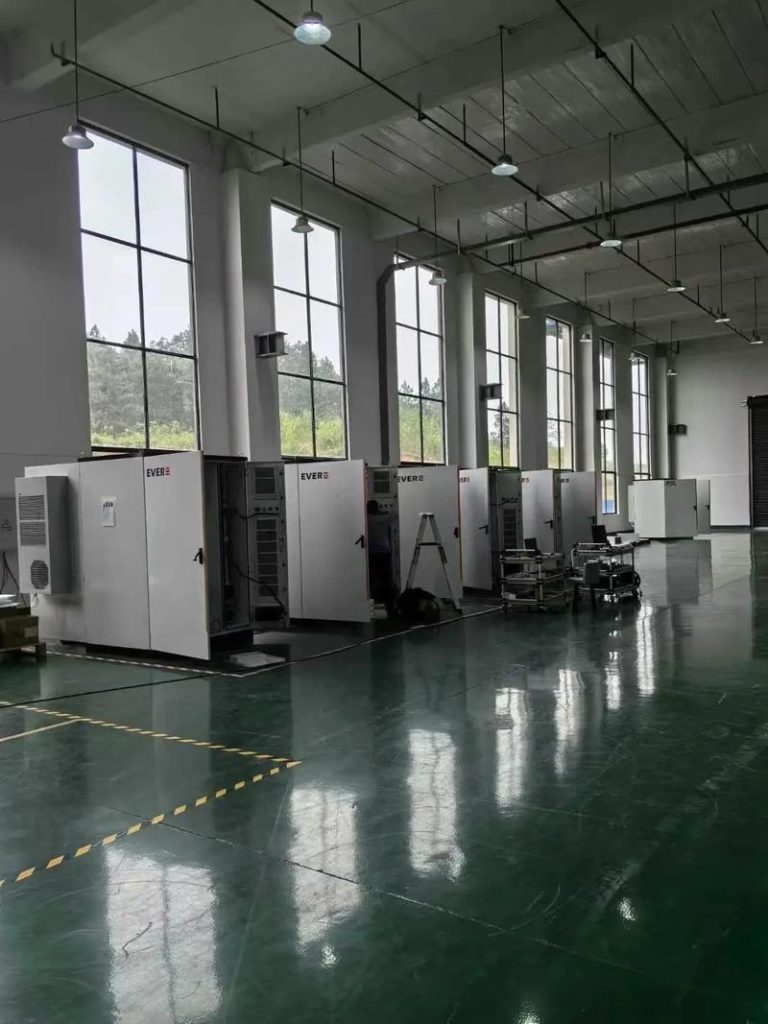
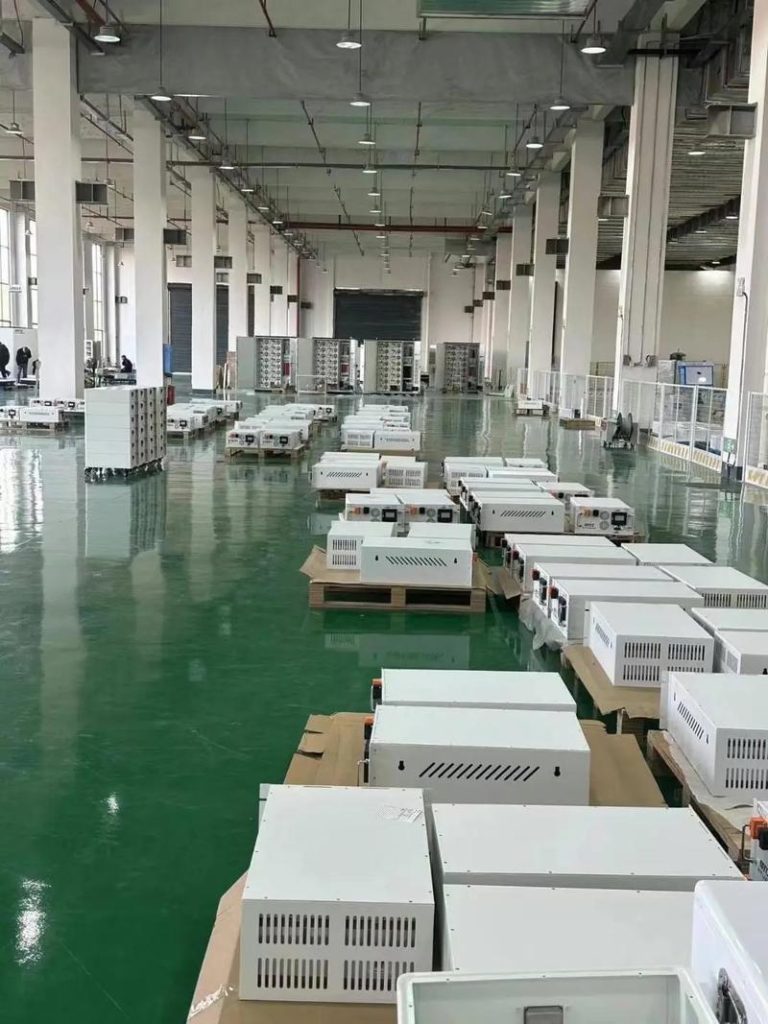
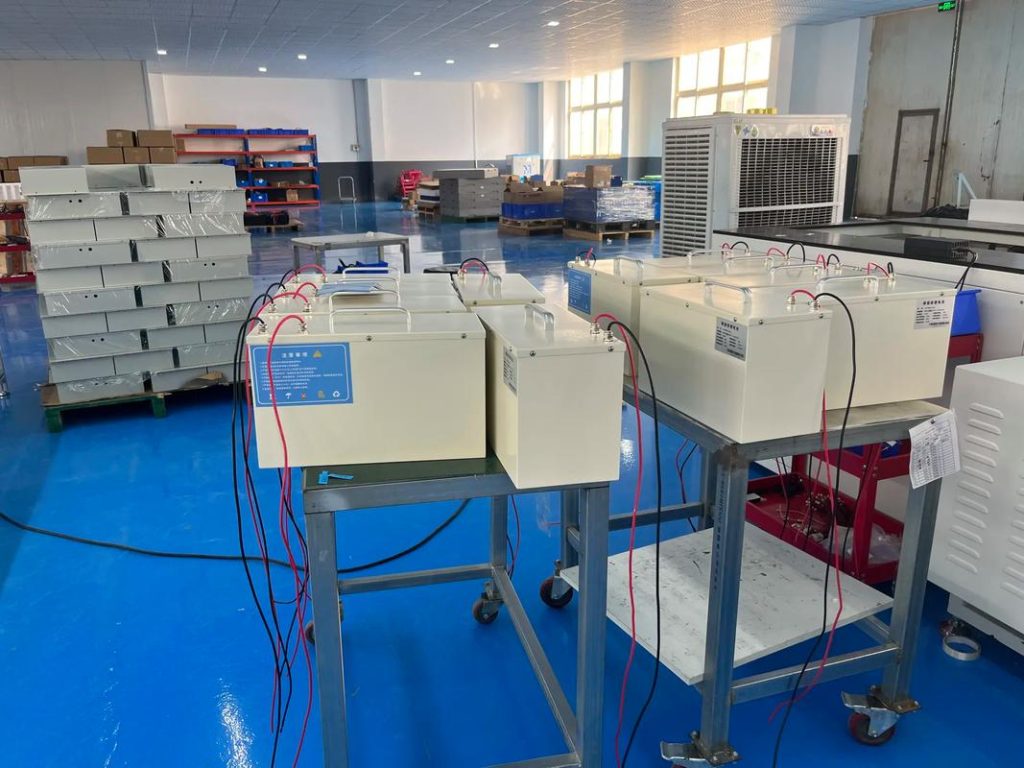
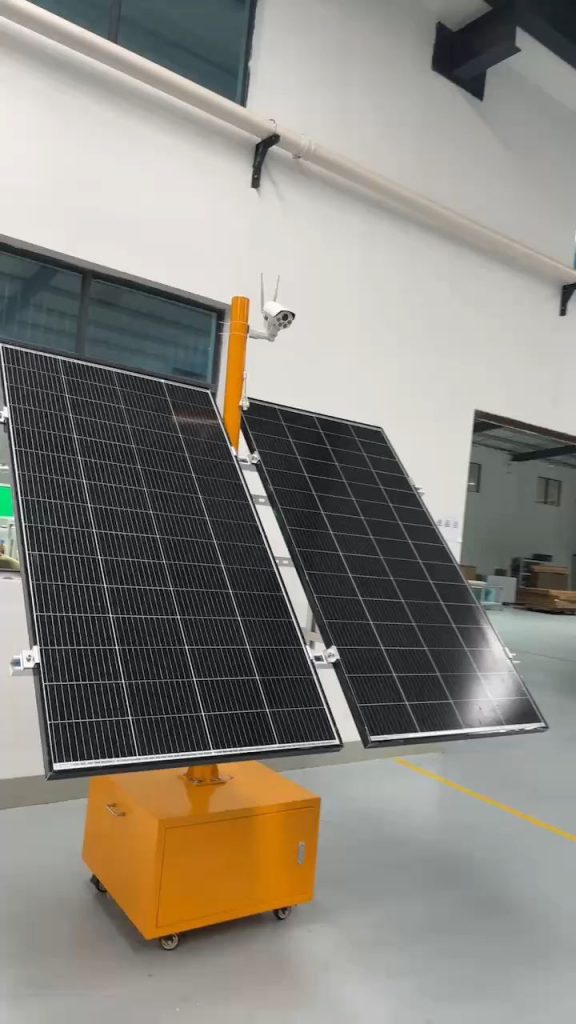
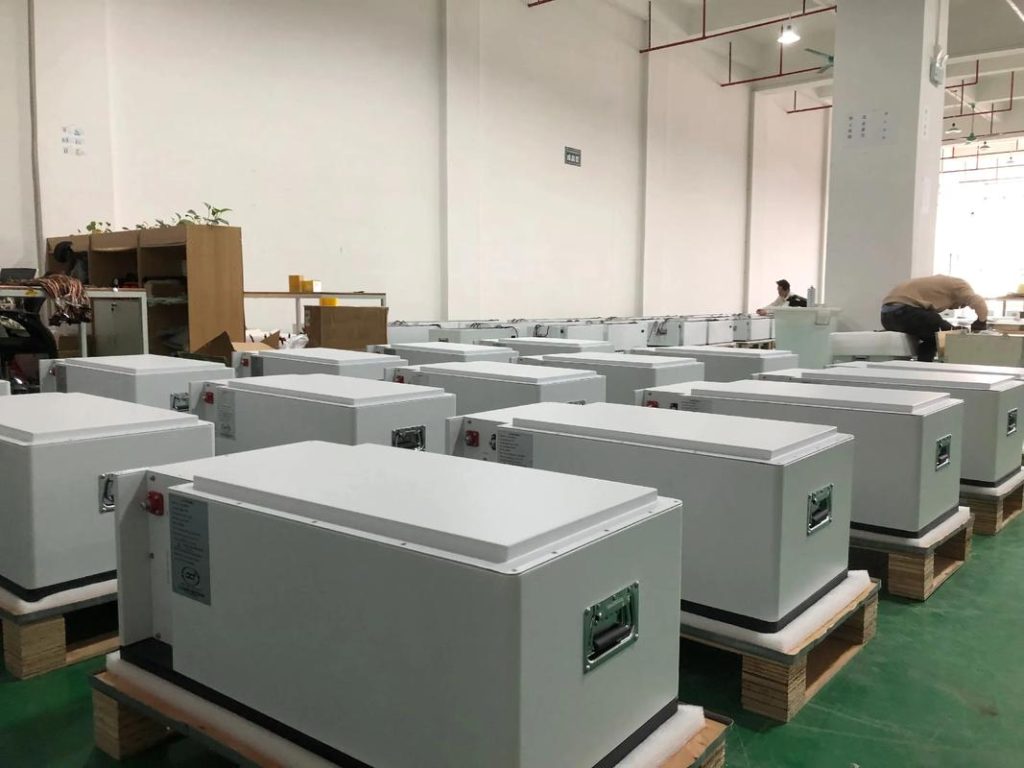
Request factory photos, product datasheets, and references from previous international clients. A factory with transparent processes is safer for large energy storage projects.
Step 3: Request Detailed Quotation and Technical Proposal
Once you shortlist manufacturers, request a detailed proposal, including:
- Cost per unit (including shipping if possible)
- Minimum order quantity (MOQ)
- Delivery time
- Warranty and service terms
- Technical drawings and datasheets
Compare proposals not only by price but by technical specifications, safety standards, and support services.
Step 4: Verify Quality and Compliance
Before confirming your order, take steps to ensure product quality and regulatory compliance:
- Third-party inspection: Factories can arrange pre-shipment inspections
- Certification review: Check for UL, CE, IEC, or local standards required in your market
- Prototype or sample testing: Especially for large-scale or custom systems
A manufacturer that welcomes testing and verification demonstrates reliability and professionalism.
Step 5: Negotiate Contract and Payment Terms
Agree on contract details covering:
- Product specifications
- Quantity, unit price, and total cost
- Delivery schedule
- Payment method (commonly T/T or letter of credit)
- Warranty, liability, and technical support
Clear contracts protect both buyer and manufacturer, especially for international transactions.
Step 6: Arrange Shipping and Logistics
Solar energy storage systems require careful shipping due to weight, safety, and value.
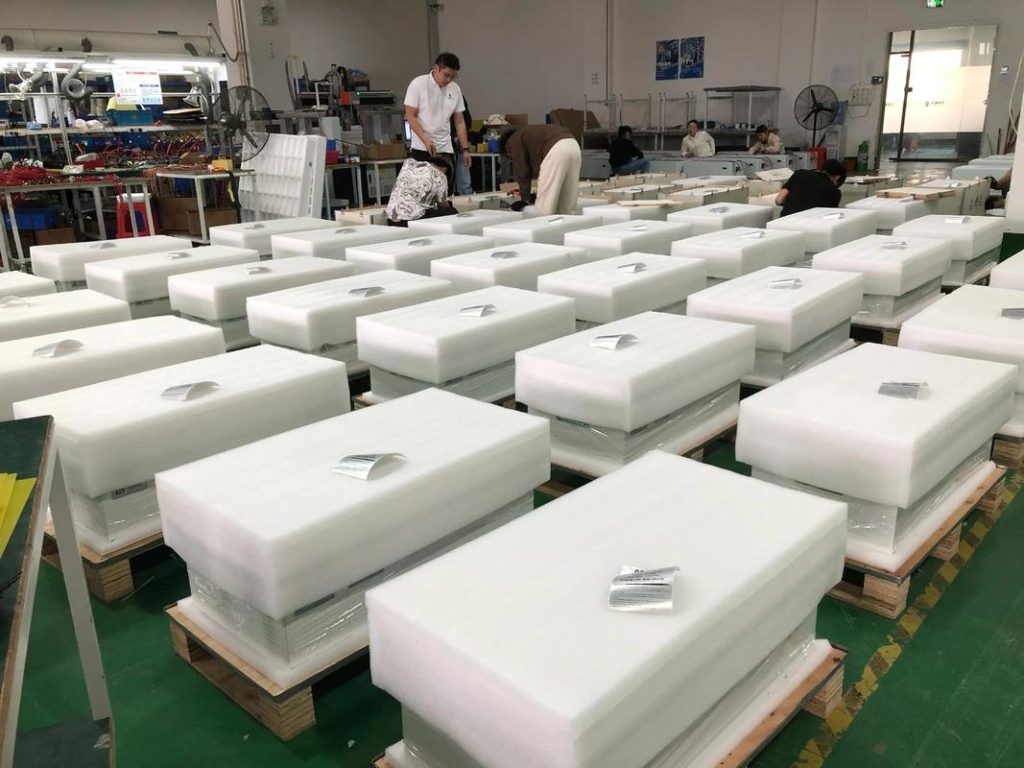
- Packaging: Reinforced cartons or palletized crates with protective foam and labeling
- Transport mode: Sea freight is common for large orders; air freight for urgent or small orders
- Customs documentation: Commercial invoice, packing list, certificate of origin, and any local certifications
- Insurance: Recommended to cover potential loss or damage during transit
Experienced manufacturers often assist with logistics coordination and documentation.
Step 7: Prepare for Installation
Once the systems arrive:
- Verify shipment quantity and condition
- Cross-check serial numbers and product documentation
- Arrange trained personnel for installation
- Connect systems according to manufacturer’s guidelines, including BMS calibration, inverter integration, and EMS setup
Some manufacturers provide remote technical support or installation guides to ensure smooth commissioning.
Step 8: Post-Installation Support and Maintenance
Reliable manufacturers provide:
- Warranty and replacement services
- Technical troubleshooting support
- Maintenance instructions for battery longevity
- Optional monitoring software or remote assistance
Having ongoing support from the factory ensures the system operates efficiently for years.
Tips for Successful Importing
- Focus on factory identity: Work directly with verified manufacturers, not trading companies.
- Prioritize certifications and safety: Energy storage is high-risk; compliance is critical.
- Start with a pilot order: Especially for new suppliers or custom designs.
- Build long-term partnerships: Repeat orders reduce lead time and increase customization options.
- Plan logistics early: Shipping delays can affect project schedules significantly.
Conclusion
Importing solar energy storage systems from China can be highly cost-effective and technologically advanced if approached strategically. By following these steps—defining project requirements, evaluating manufacturers, verifying quality, negotiating contracts, coordinating logistics, and planning installation—buyers can secure reliable systems and successful long-term cooperation.
Working directly with a professional solar energy storage manufacturer in China ensures:
- Access to cutting-edge technology
- Customized solutions for different markets
- Transparent production and quality control
- Scalable, long-term supply for ongoing projects
This step-by-step approach transforms the complex process of international sourcing into a manageable and predictable workflow, enabling global buyers to confidently invest in solar energy storage systems.


No reply content