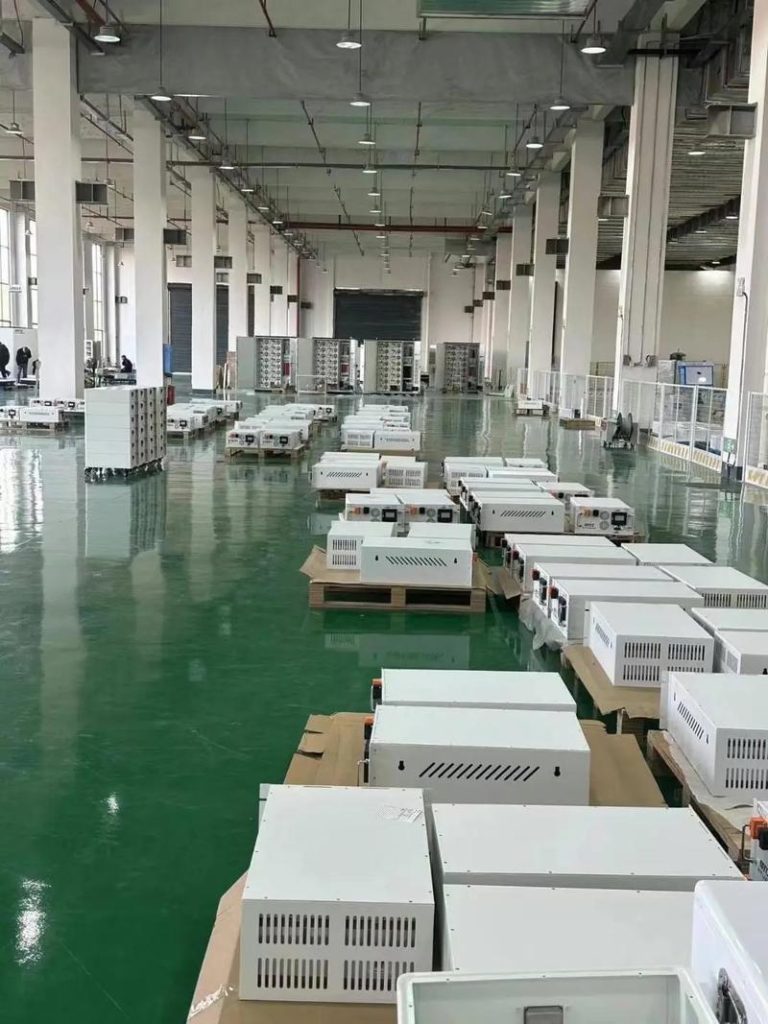
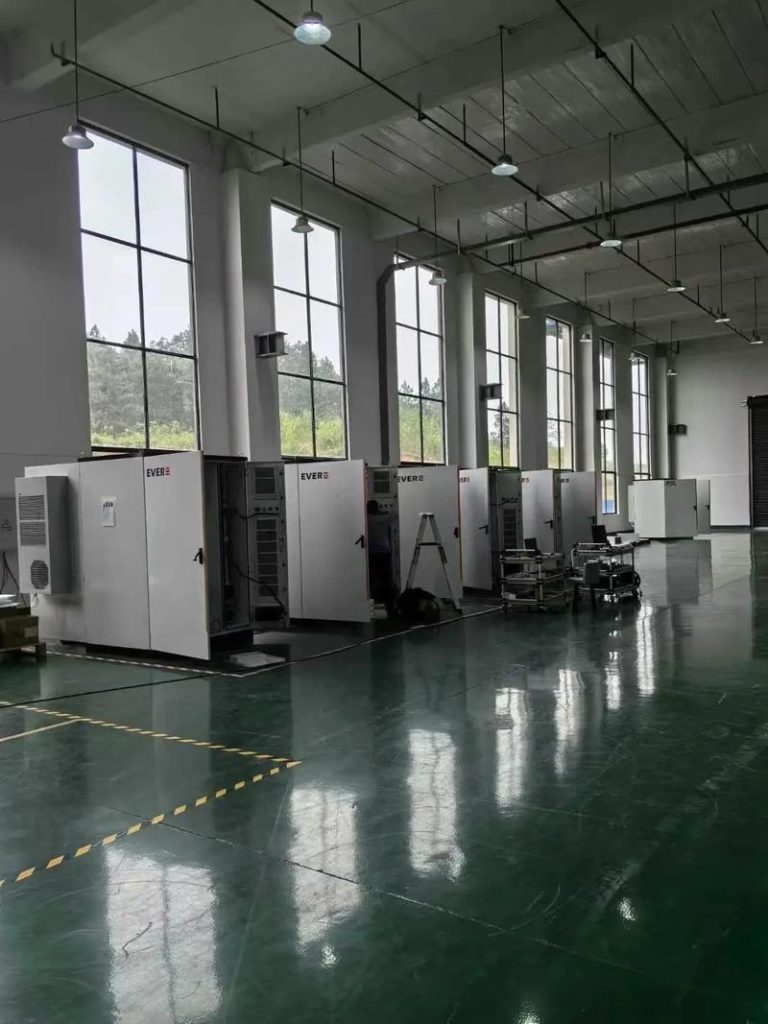
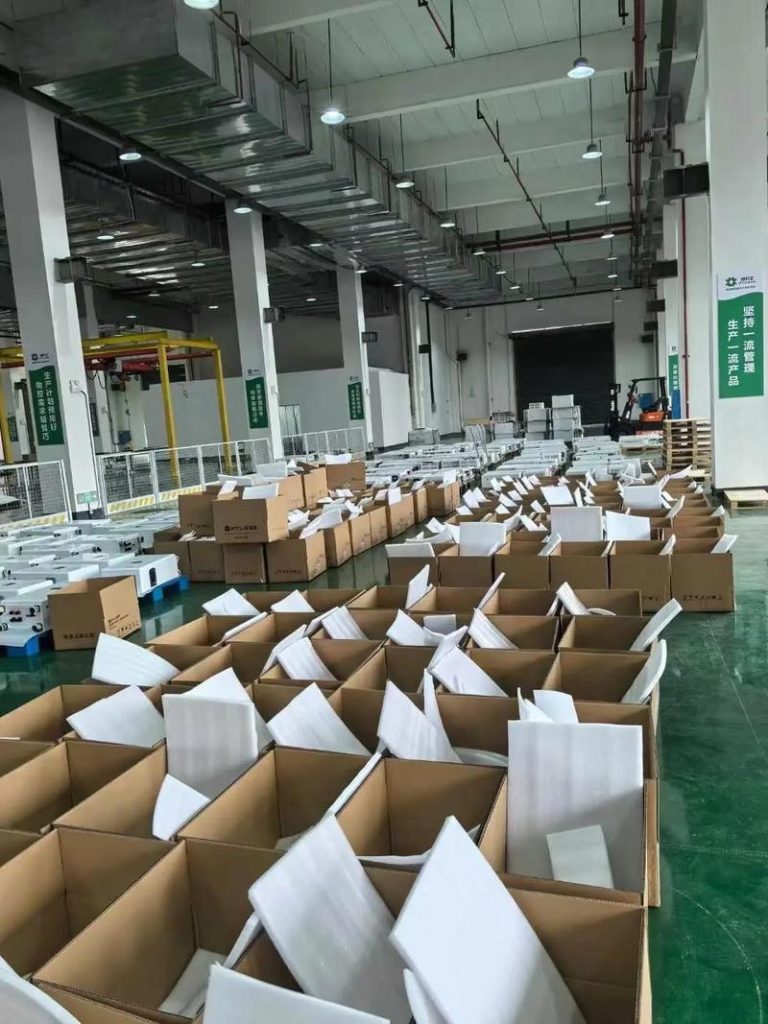
As the world accelerates its transition toward renewable energy, solar power generation has become one of the most attractive and practical solutions for governments, businesses, and households. Among all manufacturing hubs, China stands out as the world’s leading supplier of solar power generation equipment, offering advanced technology, competitive pricing, and a complete industrial ecosystem.
For international buyers, importing solar power generation equipment from China presents significant opportunities—but it also requires careful planning, technical understanding, and supplier evaluation. This comprehensive guide explains how to successfully source, evaluate, and import solar power generation equipment from China, helping buyers reduce risks and maximize long-term value.
1. Why Import Solar Power Generation Equipment from China
China has become the global center of solar power manufacturing due to a combination of scale, technology, and cost efficiency.
1.1 Global Manufacturing Leadership
China produces a large percentage of the world’s solar components, including photovoltaic modules, inverters, mounting systems, and energy storage units. This manufacturing scale allows suppliers to maintain consistent quality while offering flexible order quantities.
1.2 Cost Advantage Without Compromising Quality
Due to integrated supply chains, automated production, and efficient logistics, Chinese manufacturers can offer high-quality solar equipment at competitive prices. Buyers benefit from lower production costs while still accessing modern technology and international certifications.
1.3 Continuous Innovation
Chinese solar factories invest heavily in research and development. Improvements in panel efficiency, inverter intelligence, and system integration continue to enhance performance, durability, and safety.
2. Types of Solar Power Generation Equipment Available from China
Understanding the product categories is essential when planning an import project.
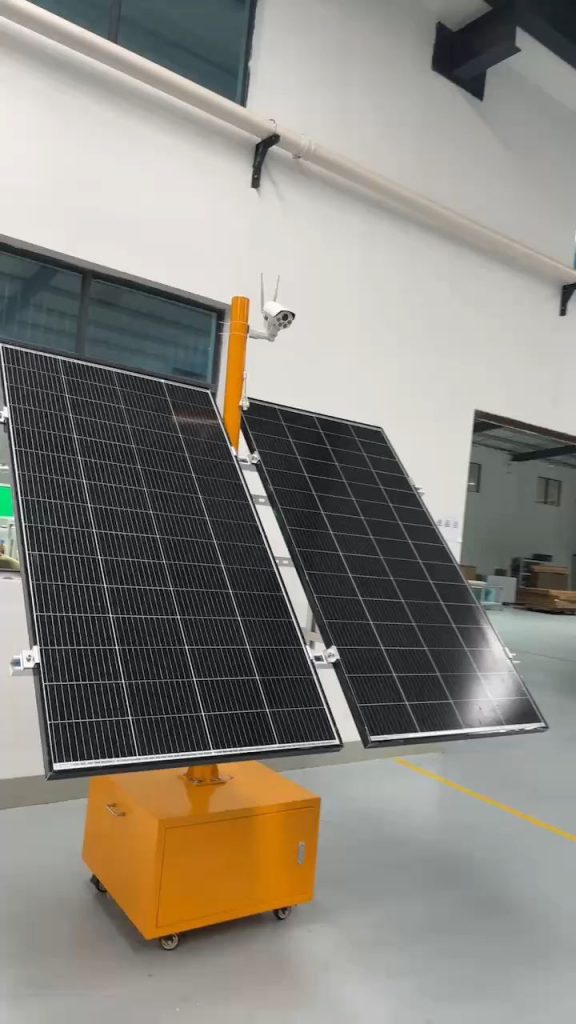
2.1 Solar Panels (Photovoltaic Modules)
Solar panels are the core of any solar power system. Chinese manufacturers offer:
- Monocrystalline panels for high efficiency
- Polycrystalline panels for cost-effective projects
- Bifacial panels for increased energy yield
- Flexible and lightweight panels for special applications
Panels are available in different wattages, sizes, and efficiency ratings to match diverse project requirements.
2.2 Solar Inverters
Inverters convert DC electricity generated by solar panels into usable AC power. Common types include:
- String inverters
- Hybrid inverters
- Off-grid inverters
- Microinverters
Chinese suppliers provide inverters compatible with global grid standards and capable of integrating with energy storage systems.
2.3 Mounting and Racking Systems
Solar mounting structures support panels and ensure optimal orientation. Chinese factories manufacture mounting solutions for:
- Rooftop installations
- Ground-mounted systems
- Carports
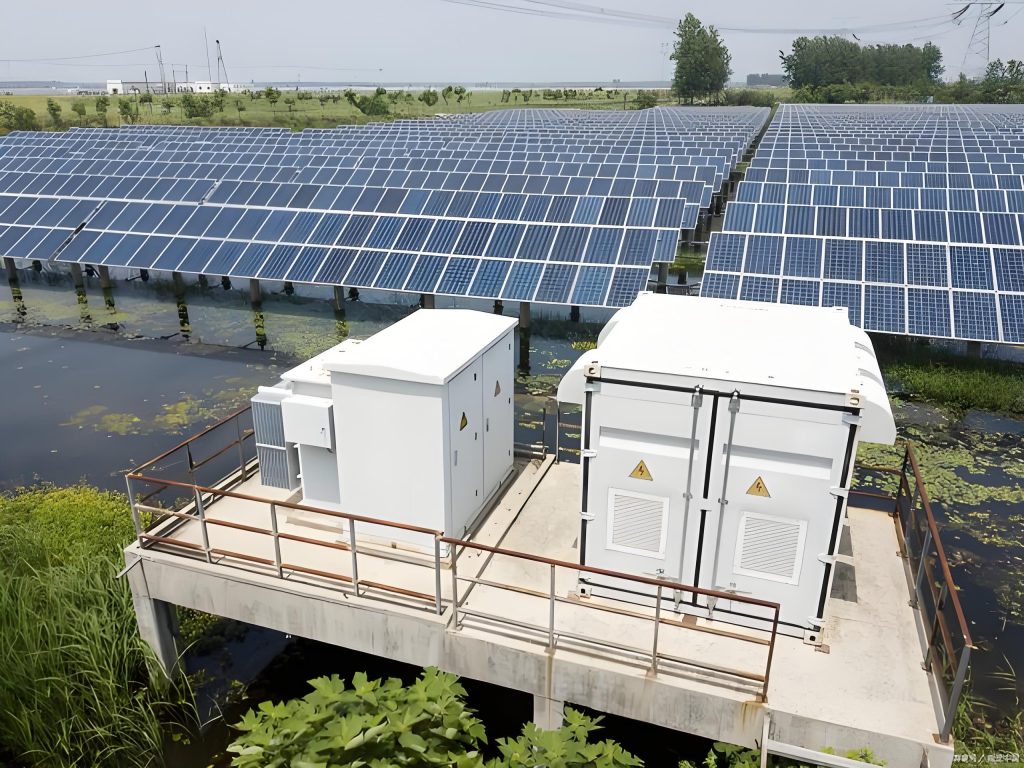
- Floating solar projects
These systems are designed to withstand wind loads, corrosion, and long-term outdoor exposure.
2.4 Energy Storage Systems
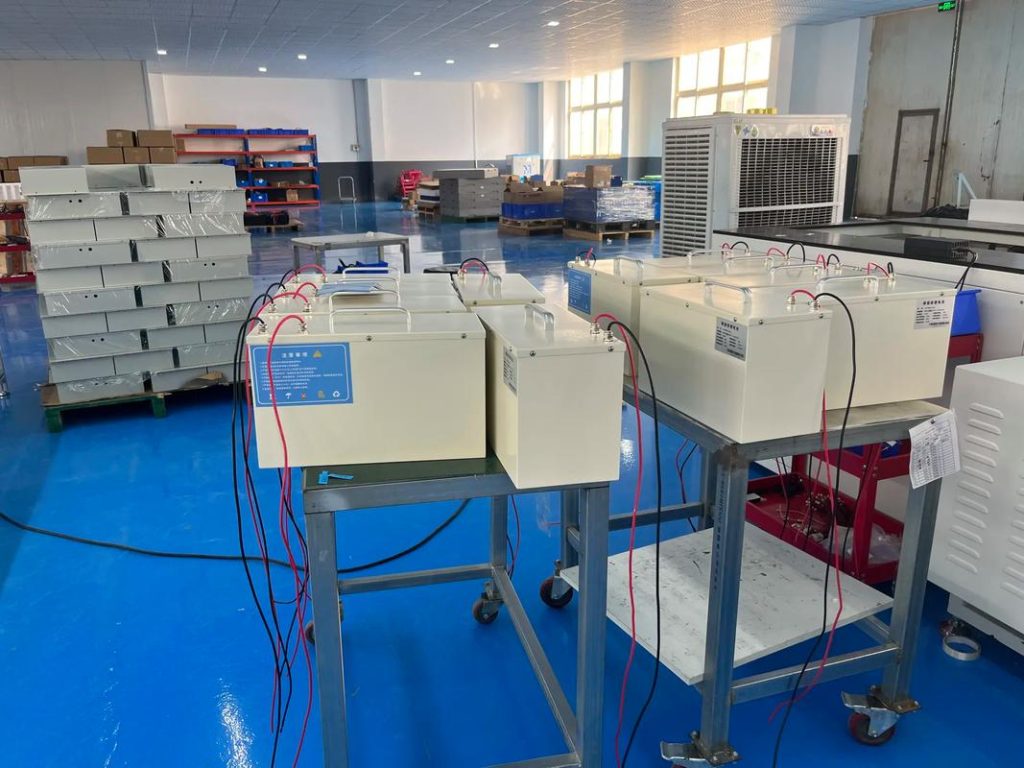
Energy storage plays a crucial role in modern solar power systems. Chinese manufacturers offer:
- Residential battery storage
- Commercial and industrial storage systems
- Containerized utility-scale storage
- Integrated solar + storage solutions
Most systems use lithium iron phosphate batteries for safety and longevity.
3. Key Benefits of Importing from China
3.1 Wide Product Selection
Buyers can source all components for a complete solar power system from a single country, simplifying procurement and compatibility.
3.2 Customization and OEM Services
Chinese manufacturers often provide OEM and ODM services, allowing buyers to customize:
- System capacity
- Voltage and frequency
- Branding and labeling
- Enclosures and packaging
- Software interfaces
This flexibility is ideal for distributors and project developers building their own brands.
3.3 Scalability for Projects of Any Size
Whether importing equipment for a single residential installation or a large solar farm, Chinese suppliers can scale production accordingly.
4. Understanding Technical Specifications Before Importing
Technical clarity is essential when selecting solar equipment.
4.1 Panel Efficiency and Power Output
Higher efficiency panels generate more electricity per square meter, reducing installation space and balance-of-system costs.
4.2 Inverter Compatibility
Inverters must match panel voltage, system size, and local grid requirements. Buyers should confirm grid codes, frequency, and protection features.
4.3 Energy Storage Capacity
Battery capacity should align with energy consumption patterns, peak demand, and backup requirements.
4.4 Environmental and Climate Considerations
Equipment should be designed to handle local climate conditions such as high temperatures, humidity, snow loads, or desert environments.
5. Certifications and Compliance Requirements
Before importing solar power equipment from China, buyers must ensure compliance with their destination market’s regulations.
5.1 Common International Certifications
Chinese manufacturers typically offer products certified to:
- CE
- IEC
- UL
- TUV
- UN38.3 (for batteries)
- MSDS
These certifications help ensure safety, performance, and customs clearance.
5.2 Country-Specific Standards
Different countries may require additional approvals. Buyers should verify local standards before placing orders to avoid delays or rejections.
6. How to Choose a Reliable Chinese Solar Equipment Supplier
Selecting the right supplier is critical to import success.
6.1 Factory Capability and Experience
Buyers should evaluate:
- Years of manufacturing experience
- Production capacity
- Export history
- Engineering and technical teams
6.2 Quality Control Systems
Reliable suppliers implement strict quality control processes, including raw material inspection, in-process checks, and final testing.
6.3 Technical Support and Communication
Clear communication, technical documentation, and responsive support are essential for long-term cooperation.
7. Pricing, MOQ, and Payment Terms
Understanding commercial terms helps buyers plan budgets effectively.
7.1 Pricing Structure
Solar equipment pricing depends on:
- Technology level
- Order quantity
- Customization requirements
- Certification scope
Bulk orders typically receive more favorable pricing.
7.2 Minimum Order Quantities
Some suppliers offer low MOQs for standard products, while customized solutions may require higher minimum quantities.
7.3 Payment Methods
Common payment methods include:
- T/T (bank transfer)
- Letter of Credit (L/C)
- Trade assurance services
Payment terms should be clearly defined in the contract.
8. Logistics and Shipping Considerations
Solar equipment is large, heavy, and sensitive, making logistics planning essential.
8.1 Packaging and Protection
Proper packaging protects panels, inverters, and batteries during long-distance transportation.
8.2 Shipping Methods
Most solar equipment is shipped by sea, using:
- Full container load (FCL)
- Less than container load (LCL)
Delivery times vary depending on destination and shipping routes.
8.3 Customs Clearance
Buyers should prepare:
- Commercial invoices
- Packing lists
- Certificates of origin
- Compliance documents
Working with experienced freight forwarders simplifies customs procedures.
9. After-Sales Service and Warranty
Reliable after-sales support is vital for solar projects.
9.1 Warranty Coverage
Chinese manufacturers typically offer:
- 10–25 years for solar panels
- 5–10 years for inverters
- 5–15 years for energy storage systems
9.2 Technical Assistance
Suppliers may provide remote troubleshooting, installation guidance, and system optimization support.
10. Risks and How to Minimize Them
Importing solar equipment involves risks, but they can be managed.
10.1 Quality Risks
Mitigation strategies include factory audits, third-party inspections, and sample testing.
10.2 Compliance Risks
Confirm certifications and regulatory requirements before shipment.
10.3 Logistics Risks
Choose reliable shipping partners and ensure adequate insurance coverage.
Conclusion
Importing solar power generation equipment from China offers global buyers access to advanced technology, competitive pricing, and a complete renewable energy ecosystem. With careful supplier selection, technical evaluation, and compliance planning, buyers can successfully deploy high-quality solar power systems for residential, commercial, and utility-scale projects.
As global demand for clean energy continues to grow, China will remain a key partner in supplying reliable solar power generation equipment to markets worldwide. By building strong partnerships with experienced Chinese manufacturers, buyers can secure long-term value, scalability, and confidence in their renewable energy investments.


No reply content