
China Surfboard Yacht Customization Factory
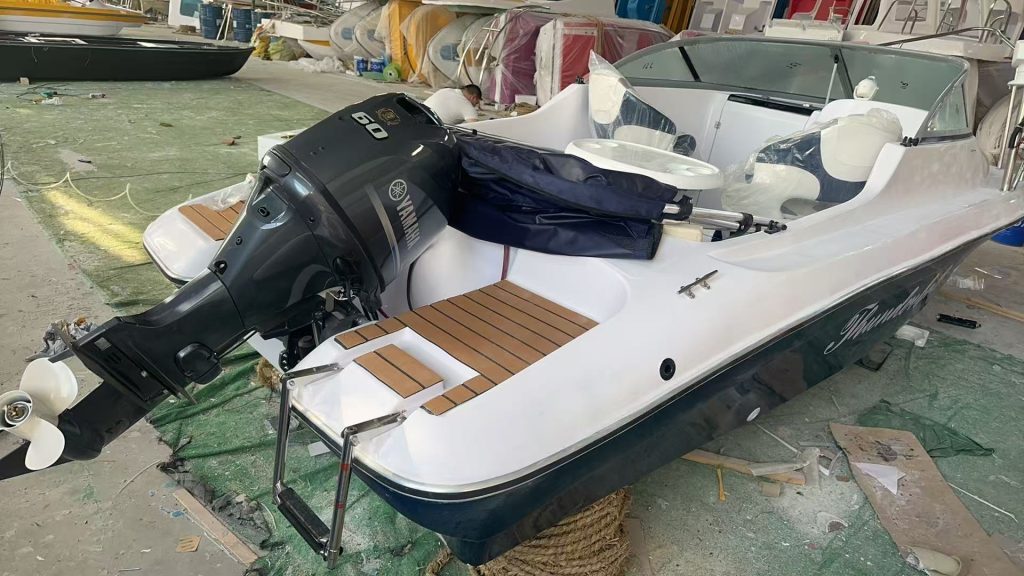
Inspecting a yacht before shipment is one of the most important steps for an international buyer. A yacht may look excellent in photographs while still having problems with electrical systems, plumbing, engine installation, interior finishing, equipment configuration, or documentation.
A proper pre-shipment inspection allows buyers to identify problems before the yacht leaves the manufacturer’s factory, when corrections are generally easier and less expensive.
1. Start Inspection Before Production Is Finished
Do not wait until the yacht is completely finished before checking quality.
For a customized yacht, inspection should ideally take place at several stages:
-
Raw material and component inspection
-
Hull and structural inspection
-
Equipment installation inspection
-
Interior and electrical inspection
-
Final factory inspection
-
Sea trial
-
Pre-shipment inspection
Early inspections can identify problems before they become difficult to correct.
2. Verify the Yacht Against the Contract
The first step of final inspection should be comparing the finished yacht with the signed purchase agreement.
Check:
-
Yacht model
-
Hull dimensions
-
Hull material
-
Engine model
-
Engine power
-
Generator
-
Navigation equipment
-
Electrical equipment
-
Interior materials
-
Cabin configuration
-
Furniture
-
Air conditioning
-
Water systems
-
Safety equipment
-
Optional equipment
Every major item should correspond to the approved specification.
3. Inspect the Hull
The hull is one of the most important parts of the yacht.
Look for:
-
Surface defects
-
Cracks
-
Uneven finishing
-
Blisters
-
Delamination indicators
-
Poor repairs
-
Paint defects
-
Gelcoat problems
-
Water intrusion
-
Structural damage
For composite yachts, professional inspection may include additional checks of laminate quality and structural areas.
For aluminum or steel yachts, inspect:
-
Weld quality
-
Weld consistency
-
Surface preparation
-
Corrosion protection
-
Coating quality
-
Structural connections
A qualified marine inspector can perform more detailed structural examinations when required.
4. Check the Deck and Superstructure
Inspect:
-
Deck surfaces
-
Handrails
-
Windows
-
Doors
-
Hatches
-
Railings
-
Swimming platform
-
Boarding ladder
-
Exterior fittings
Open and close doors, hatches, and compartments to make sure they operate correctly.
Check seals and drainage around openings, especially in areas exposed to rain or seawater.
5. Inspect the Engine Installation
The engine should be checked carefully before shipment.
Verify:
-
Engine brand
-
Engine model
-
Serial number
-
Engine power
-
Installation position
-
Mounting
-
Fuel connections
-
Cooling system
-
Exhaust system
-
Electrical connections
-
Control system
-
Ventilation
Check that the engine room provides sufficient access for routine maintenance.
A technically correct engine that is installed in a difficult-to-access location can create long-term maintenance problems.
6. Check the Generator and Electrical System
The electrical system should be tested rather than inspected only visually.
Check:
-
Main electrical panel
-
Circuit breakers
-
Wiring
-
Batteries
-
Battery chargers
-
Inverter
-
Generator
-
Shore power
-
Lighting
-
Navigation equipment
-
Interior electrical outlets
Test electrical equipment under appropriate operating conditions.
Also verify that cable routing and labeling are organized and that electrical components are properly protected from moisture.
7. Test Plumbing and Water Systems
Inspect and test:
-
Freshwater system
-
Water pumps
-
Water heater
-
Toilets
-
Showers
-
Wastewater system
-
Black-water tanks
-
Gray-water systems
-
Watermaker, if included
Check for:
-
Leaks
-
Weak water pressure
-
Poor drainage
-
Incorrect connections
-
Unusual pump noise
Testing these systems before shipment is much easier than troubleshooting them after the yacht reaches another country.
8. Inspect Air Conditioning and Ventilation
If air conditioning is included, test each zone.
Check:
-
Cooling performance
-
Control panels
-
Air outlets
-
Condensation drainage
-
Pumps
-
Compressor operation
-
Ventilation
Also inspect engine-room ventilation and other critical ventilation systems.
9. Inspect the Interior
Interior quality should be checked systematically.
Inspect:
-
Flooring
-
Furniture
-
Cabinets
-
Doors
-
Ceiling panels
-
Wall panels
-
Upholstery
-
Kitchen equipment
-
Bathrooms
-
Beds
-
Lighting
-
Windows
Look for:
-
Scratches
-
Gaps
-
Uneven joints
-
Loose hardware
-
Poor finishing
-
Water leaks
-
Damaged surfaces
Open every cabinet and drawer to verify that hardware operates correctly.
10. Test Navigation and Communication Equipment
Depending on the yacht specification, test:
-
GPS
-
Chartplotter
-
Radar
-
AIS
-
VHF
-
Autopilot
-
Depth sounder
-
Navigation lights
-
Marine displays
-
Cameras
Verify that the equipment installed matches the agreed brand and model.
Do not accept a lower-specification replacement without written approval.
11. Verify Safety Equipment
Check that required safety equipment is installed and accessible.
Depending on the vessel and applicable requirements, this may include:
-
Life jackets
-
Liferafts
-
Fire extinguishers
-
Fire suppression systems
-
Emergency equipment
-
Bilge pumps
-
Navigation lights
-
Emergency lighting
The exact requirements depend on the vessel and destination market.
12. Conduct a Sea Trial
A sea trial is one of the most valuable parts of yacht inspection.
During the sea trial, evaluate:
Engine Performance
Check:
-
Starting
-
Acceleration
-
Cruising operation
-
Maximum operating performance
-
Temperature
-
Oil pressure
-
Warning systems
Handling
Evaluate:
-
Steering
-
Turning
-
Maneuverability
-
Reverse operation
-
Stability
Vibration and Noise
Pay attention to:
-
Engine vibration
-
Propeller vibration
-
Unusual mechanical noise
-
Interior noise
-
Structural vibration
The exact acceptance criteria should be based on the contract and approved specifications.
13. Check Actual Speed and Performance
If the contract specifies a target speed, test it under agreed conditions.
Record:
-
Engine RPM
-
Speed
-
Fuel condition
-
Load condition
-
Sea conditions
-
Wind conditions
Performance should be evaluated under clearly documented conditions because sea state, vessel loading, fuel quantity, and environmental factors can affect speed.
14. Check for Water Leaks
Before shipment, inspect areas that could potentially allow water intrusion.
Check:
-
Windows
-
Hatches
-
Doors
-
Deck fittings
-
Plumbing connections
-
Seacocks
-
Through-hull fittings
-
Bilge areas
The bilge should be inspected for unexpected water accumulation.
15. Verify Equipment Serial Numbers
For expensive equipment, record serial numbers.
This may include:
-
Main engines
-
Generator
-
Radar
-
GPS
-
VHF
-
Autopilot
-
Watermaker
-
Air-conditioning equipment
-
Battery systems
This helps confirm that the actual equipment corresponds to the contract and simplifies future warranty claims.
16. Review the Documentation
Before shipment, collect the necessary documentation.
Depending on the yacht and destination, documents may include:
-
Commercial invoice
-
Packing list
-
Sales contract
-
Owner’s manuals
-
Engine manuals
-
Equipment manuals
-
Warranty documents
-
Test reports
-
Inspection records
-
Certification documents
-
Vessel documentation
-
Export documents
The exact documentation requirements vary by vessel and destination.
17. Check Spare Parts and Tools
If spare parts are included in the contract, verify them before shipment.
A useful spare-parts package may include appropriate items such as:
-
Filters
-
Belts
-
Pumps or pump components
-
Fuses
-
Electrical components
-
Engine service parts
-
Replacement hardware
The specific spare parts should be based on the actual equipment installed on the yacht.
18. Photograph and Document Everything
Take detailed photographs and videos during the final inspection.
Document:
-
Hull
-
Engine room
-
Engines
-
Electrical panels
-
Interior
-
Navigation equipment
-
Equipment serial numbers
-
Safety equipment
-
Any defects
For every problem found, create a written inspection record.
A useful defect report should identify:
Problem → Location → Required correction → Responsible party → Deadline → Re-inspection result
19. Use an Independent Marine Inspector
For a high-value yacht purchase, an independent marine surveyor can provide an additional layer of protection.
An independent inspection can help assess:
-
Hull condition
-
Structural condition
-
Machinery
-
Electrical systems
-
Safety equipment
-
Navigation systems
-
Sea-trial performance
-
General construction quality
This is particularly useful when the buyer cannot personally travel to the factory.
The inspector should be independent of the manufacturer whenever possible.
20. Do Not Make the Final Payment Too Early
Payment terms should be agreed in the contract before production begins.
For customized yachts, buyers may consider linking certain payments to production milestones, inspection, testing, and final acceptance.
The exact payment structure should be negotiated based on the project and contractual protections.
Avoid making the final payment before the yacht has passed the agreed inspection and acceptance requirements.
21. Prepare a Pre-Shipment Inspection Checklist
Before shipment, the buyer should confirm:
-
[ ] Hull inspected
-
[ ] Deck inspected
-
[ ] Superstructure inspected
-
[ ] Engine verified
-
[ ] Generator tested
-
[ ] Electrical system tested
-
[ ] Plumbing tested
-
[ ] Air conditioning tested
-
[ ] Navigation equipment tested
-
[ ] Safety equipment verified
-
[ ] Interior inspected
-
[ ] Water leaks checked
-
[ ] Sea trial completed
-
[ ] Speed/performance recorded
-
[ ] Equipment serial numbers recorded
-
[ ] Documentation collected
-
[ ] Spare parts verified
-
[ ] Defects corrected
-
[ ] Final acceptance completed
FAQ
Should I inspect the yacht before shipment?
Yes. For a high-value customized yacht, pre-shipment inspection is strongly recommended.
Can I inspect the yacht remotely?
Yes. If you cannot travel to the factory, you can arrange a live video inspection or hire an independent marine inspector to inspect the yacht on your behalf.
Is a sea trial necessary?
A sea trial is highly valuable because some mechanical, handling, vibration, and performance problems may not be visible during a factory inspection.
Should I hire an independent inspector?
For a significant yacht purchase, an independent marine surveyor can provide an objective assessment and help identify problems that the buyer may overlook.
What happens if defects are found?
Document each defect, agree on corrective actions with the manufacturer, and conduct a re-inspection before final acceptance whenever appropriate.
Conclusion
A yacht should not be considered ready for shipment simply because construction is complete.
A professional pre-shipment process should combine document verification, physical inspection, equipment testing, sea trials, defect correction, and final acceptance.
For international buyers, this process is especially important because correcting a problem after the yacht has arrived at the destination can be considerably more complicated and expensive.
The safest approach is to establish inspection standards in the purchase contract, inspect the yacht at multiple production stages, conduct a final sea trial, verify all equipment and documents, and only complete final acceptance after the agreed requirements have been satisfied.
Article Link:
How to Inspect and Verify Yacht Quality Before Shipment?


No reply content