
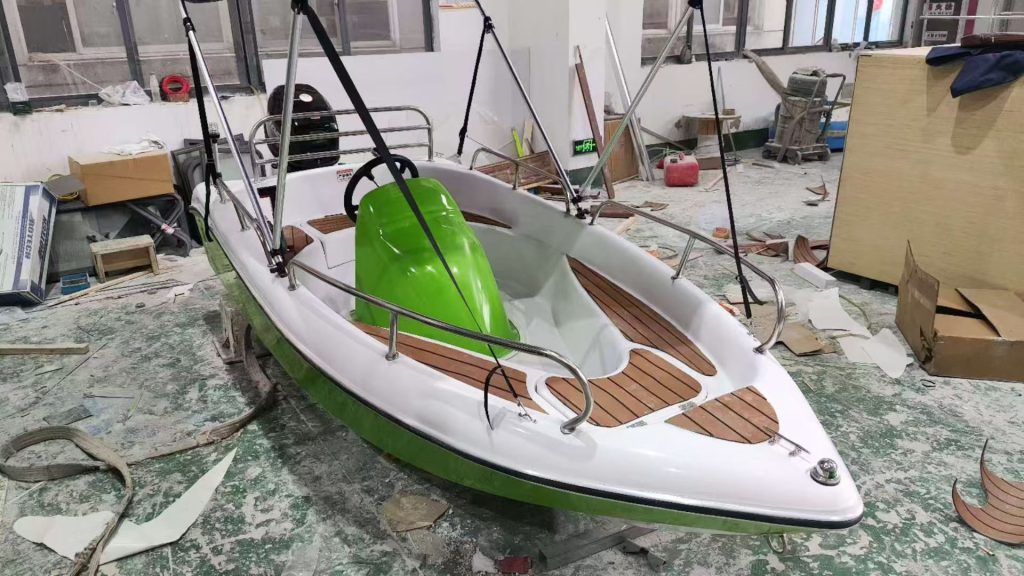
Buying a yacht from a Chinese manufacturer is a significant investment. Whether you are a private owner, yacht dealer, charter company, or marine business, the quality of the vessel will directly affect safety, performance, maintenance costs, and long-term value.
Photos, brochures, and online videos can only show limited information. A yacht may look excellent on the surface but still have structural, systems, or finishing issues that only become clear during a proper inspection. For this reason, thorough quality inspection before final payment and shipment is one of the most important steps in the buying process.
This guide explains what international buyers should check when inspecting a yacht built in China, and how to organize the inspection effectively.
### Why Pre-Purchase and Pre-Shipment Inspection Matters
Yacht construction involves many stages: hull and deck structure, systems installation, interior fit-out, painting, and final testing. Problems can occur at any stage. Common issues found during inspections include:
– Structural defects or poor laminate quality
– Incorrect or incomplete systems installation
– Leaks or inadequate sealing
– Substandard electrical or plumbing work
– Incomplete documentation
– Finishing defects that affect appearance and durability
Catching these problems before the yacht leaves the factory is far easier and less expensive than dealing with them after delivery in another country.
### When to Inspect
There are several key stages when inspection is recommended:
1. **During construction** (mid-build inspection)
Useful for checking structural work, systems installation, and progress against the agreed specification.
2. **Near completion** (pre-launch or pre-sea trial)
Allows inspection of the almost-finished vessel before it goes into the water.
3. **After sea trial**
Confirms performance, systems function, and any issues that appear only under operating conditions.
4. **Pre-shipment**
Final check before the yacht is prepared for transport (container, flat-rack, or yacht carrier).
For higher-value or fully custom projects, a combination of mid-build and final inspections is strongly recommended.
### Who Should Conduct the Inspection
Buyers have several options:
– **Yourself or your team** – if you have sufficient technical knowledge
– **Independent marine surveyor** – recommended for most international buyers
– **Classification society surveyor** – if the yacht is being built to class rules
– **Factory quality team + buyer representative** – combined approach
Using an independent surveyor who understands yacht construction and your target market standards usually provides the most objective assessment.
### Key Areas to Inspect
#### 1. Hull and Structural Construction
– Hull and deck material quality (fiberglass, aluminum, steel, or composite)
– Laminate or weld quality and consistency
– Presence of voids, delamination, or uneven thickness (for GRP)
– Structural reinforcements, bulkheads, and stringers
– Keel, rudder, and appendage attachments
– Fairness of the hull surface
For fiberglass yachts, ask about the construction method (hand lay-up, vacuum infusion, etc.) and request evidence of quality control during lamination.
#### 2. Deck and Superstructure
– Deck fitting installation and sealing
– Strength and stiffness of the deck
– Window and hatch installation and watertightness
– Non-slip surfaces and safety features
– Alignment and finishing of exterior parts
#### 3. Mechanical and Propulsion Systems
– Engine installation, alignment, and accessibility
– Shaft, propeller, and stern gear
– Fuel system (tanks, piping, filters, shut-offs)
– Exhaust system
– Cooling and ventilation
– Any hybrid or electric propulsion components (batteries, controllers, charging systems)
Confirm that equipment brands and models match the contract specification.
#### 4. Electrical Systems
– Main distribution panels and wiring quality
– Cable routing, protection, and labeling
– Battery installation and ventilation
– Shore power and charging systems
– Navigation and communication equipment
– Lighting and auxiliary circuits
Poor electrical work is a common source of future problems. Check for neat, professional installation and compliance with relevant standards.
#### 5. Plumbing, Bilge, and Tank Systems
– Fresh water and black/grey water systems
– Tank installation, materials, and capacity
– Pumps, valves, and piping quality
– Bilge pump system and high-water alarms
– Seacocks and through-hull fittings
All through-hull fittings should be properly installed and accessible.
#### 6. Interior Fit-Out and Finishing
– Joinery quality and fit
– Upholstery and soft furnishings
– Flooring, headliners, and trim
– Galley and heads installation
– Ventilation and air conditioning (if fitted)
– Overall workmanship and attention to detail
Interior quality often reflects the factory’s overall standard of work.
#### 7. Exterior Finish and Paintwork
– Gelcoat or paint quality and consistency
– Fairing and surface preparation
– Presence of print-through, orange peel, or defects
– Hardware installation and alignment
#### 8. Safety and Mandatory Equipment
– Navigation lights
– Fire extinguishers and fire suppression systems
– Life-saving equipment
– Bilge alarms and emergency systems
– Compliance with required safety standards for the destination market
#### 9. Documentation and Certification
– Builder’s certificate
– Technical specifications matching the contract
– Equipment manuals and serial numbers
– Any classification or CE documentation
– Warranty terms and spare parts list
– Weight and stability information (if available)
### How to Organize an Effective Inspection
1. Agree the inspection scope and timing with the manufacturer in advance.
2. Provide the surveyor with the full contract specification and any agreed drawings.
3. Request access to all relevant areas of the yacht and the factory.
4. Take detailed photos and notes of any issues.
5. Prepare a clear list of defects or incomplete items.
6. Discuss corrective actions and timelines with the manufacturer before final acceptance.
7. Confirm that all agreed corrections are completed before shipment.
### Common Red Flags During Inspection
– Reluctance to allow full access to the yacht or factory
– Incomplete or inconsistent documentation
– Visible structural or systems defects that the factory dismisses
– Significant differences between the yacht and the contracted specification
– Poor cleanliness or disorganized production environment
These signs should prompt further caution.
### Conclusion
Inspecting yacht quality before buying from China is not optional for serious buyers—it is a necessary risk-management step. A structured inspection covering structure, systems, interior, exterior, safety equipment, and documentation helps ensure that the yacht meets the agreed specification and is ready for safe operation.
Whether you conduct the inspection yourself or appoint an independent surveyor, the key is to be thorough, systematic, and clear about the standards you expect. Addressing issues at the factory is almost always faster and less expensive than resolving them after the yacht has been shipped.
If you are currently in the process of purchasing a yacht from a Chinese manufacturer, plan your inspection schedule early and include clear inspection and acceptance terms in your contract.


No reply content