
China Surfboard Yacht Customization Factory
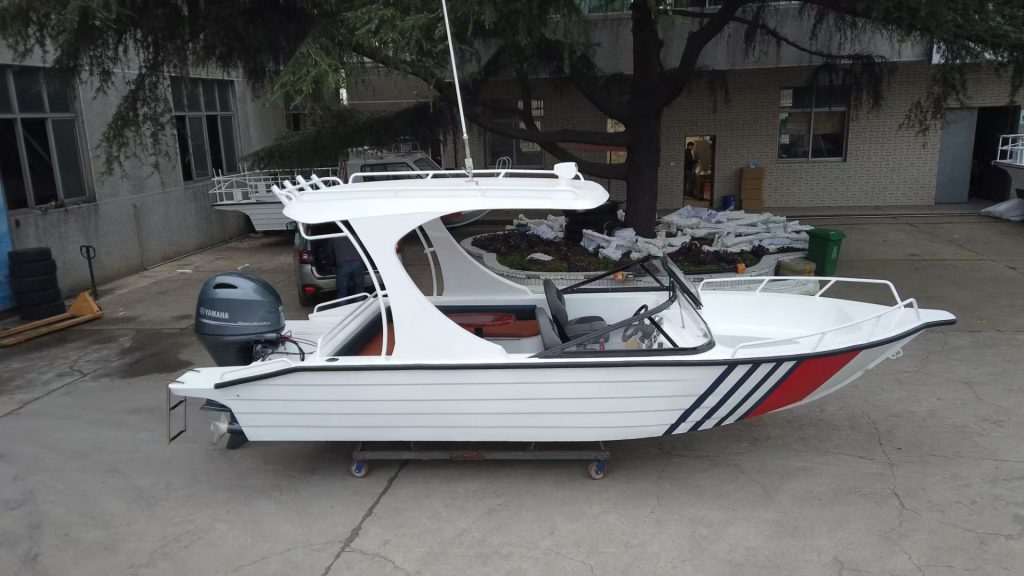
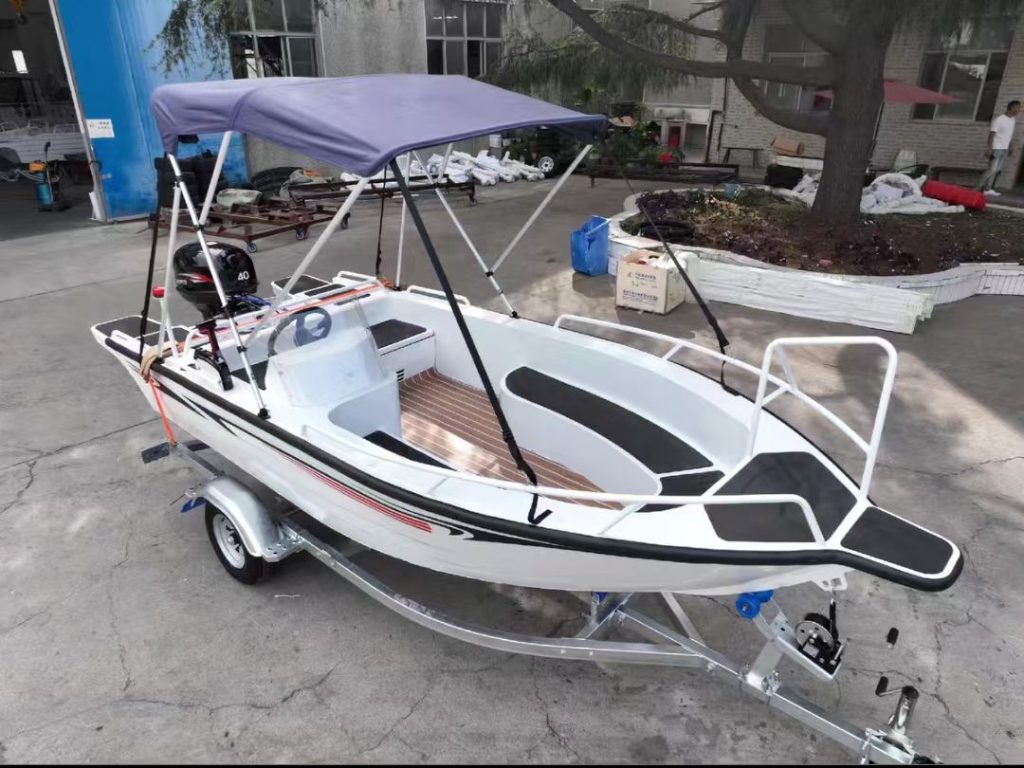
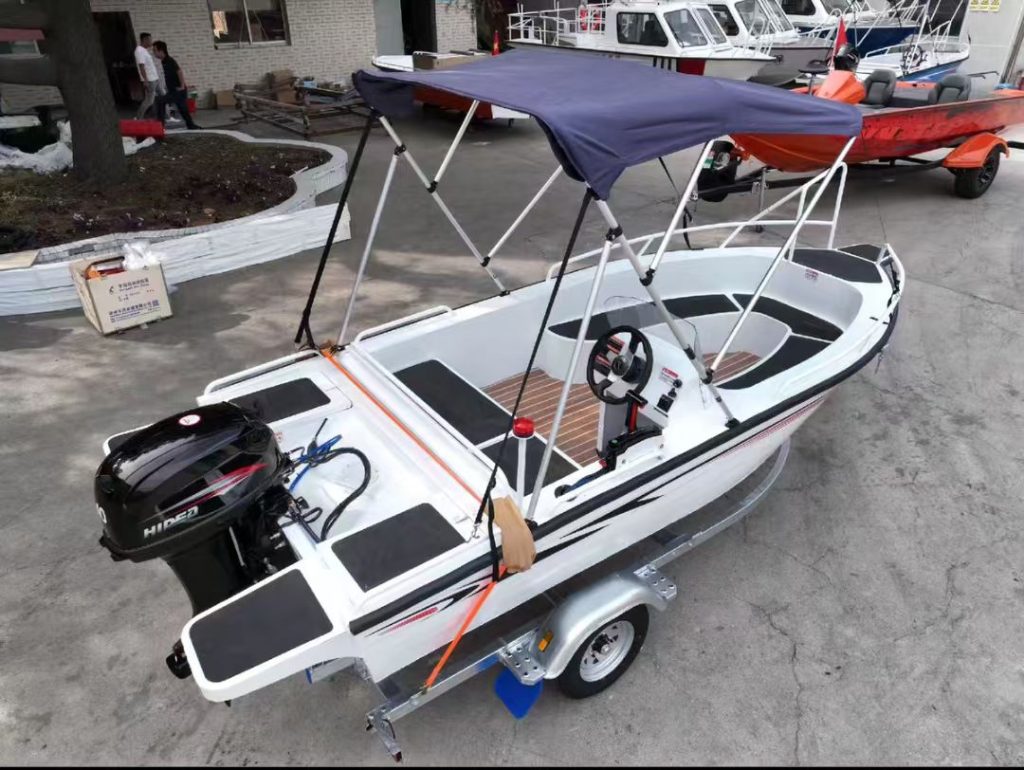
Buying a yacht from a Chinese manufacturer is a significant investment. Whether you are a private owner, yacht dealer, charter company, tourism operator, or marine business, inspecting the vessel before final payment and delivery can help identify construction, equipment, electrical, mechanical, and finishing problems.
A professional yacht inspection should not focus only on appearance. A yacht is a complex system consisting of the hull, structure, propulsion, electrical system, plumbing, navigation equipment, safety equipment, interior, and many other components.
The most effective approach is to inspect the yacht at multiple stages, not just after the vessel is completely finished.
1. Why Yacht Inspection Is Important
A yacht may look excellent in photographs while having problems that are difficult to see.
Potential issues can involve:
-
Hull construction
-
Lamination
-
Welding
-
Engine installation
-
Electrical wiring
-
Plumbing
-
Water leaks
-
Battery systems
-
Navigation equipment
-
Air conditioning
-
Interior installation
-
Safety equipment
-
Paint and surface finishing
Finding a problem while the yacht is still under construction is generally easier than discovering it after the vessel has been delivered to another country.
2. Inspect the Manufacturer Before Ordering
The first inspection should happen before you place the order.
You should verify:
-
Company information
-
Factory location
-
Production facilities
-
Engineering department
-
Production equipment
-
Quality-control process
-
Previous yacht projects
-
Export experience
If possible, visit the factory or arrange an independent factory audit.
The purpose is to determine whether the manufacturer has the capabilities required for your project.
3. Verify the Actual Manufacturing Facility
A professional yacht factory may have dedicated areas for:
-
Hull construction
-
Fiberglass work
-
Aluminum welding
-
Painting
-
Assembly
-
Engine installation
-
Electrical installation
-
Interior construction
-
Storage
-
Final inspection
The size of the factory is not the only important factor.
More important questions include whether the production process is organized and whether the manufacturer can consistently build the yacht according to the agreed specifications.
4. Review the Technical Specification First
Before inspecting the yacht, you need a reference standard.
The inspection should compare the actual vessel against the approved specification.
The document should identify:
-
Yacht model
-
Length
-
Beam
-
Draft
-
Hull material
-
Engine
-
Horsepower
-
Fuel capacity
-
Water capacity
-
Battery system
-
Navigation equipment
-
Interior
-
Safety equipment
-
Accessories
Without an approved specification, it can be difficult to determine whether a component is actually missing or simply not included in the original quotation.
5. Inspect the Hull
The hull is one of the most important parts of the yacht.
For fiberglass yachts, inspect:
-
Surface quality
-
Lamination
-
Gelcoat
-
Fiberglass construction
-
Core materials
-
Structural reinforcement
-
Bulkheads
-
Stringers
-
Bonding areas
Look for signs such as:
For aluminum yachts, inspect:
-
Weld quality
-
Structural members
-
Welding consistency
-
Surface treatment
-
Corrosion protection
-
Joints
-
Reinforcement
A qualified marine surveyor should perform detailed structural assessment where appropriate.
6. Check Fiberglass Lamination
For fiberglass yachts, the quality of the laminate is critical.
Where possible, review the manufacturer’s construction specifications for:
The actual construction should correspond to the approved engineering specification.
Do not rely only on the external appearance of the hull.
7. Inspect Aluminum Welding
For aluminum yachts, welding is particularly important.
Inspect:
-
Weld consistency
-
Weld penetration where accessible
-
Weld appearance
-
Structural joints
-
Reinforcement
-
Bulkheads
-
Frames
For major projects, appropriate non-destructive testing may be considered according to the vessel design and applicable standards.
8. Inspect the Deck and Superstructure
The inspection should also cover:
-
Deck surface
-
Railings
-
Handrails
-
Hatches
-
Windows
-
Doors
-
Deck fittings
-
Cleats
-
Anchoring equipment
-
Drainage
Check that doors and hatches operate correctly and that seals are properly installed.
Poor sealing can eventually result in water intrusion.
9. Check Windows and Sealing
Inspect:
Water leakage around windows can create serious long-term problems, particularly in marine environments.
10. Inspect the Engine
The engine should be checked against the agreed specification.
Verify:
Then inspect:
The engine compartment should also be checked for cleanliness and proper organization.
11. Check Engine Installation
A good engine is not enough if it is installed incorrectly.
Inspect:
-
Alignment
-
Mounting
-
Hoses
-
Fuel lines
-
Exhaust
-
Cooling
-
Ventilation
-
Electrical connections
-
Access for maintenance
There should be adequate space for routine servicing.
A poorly designed engine compartment can increase maintenance costs even if the engine itself is reliable.
12. Inspect the Fuel System
Check:
The system should correspond to the approved design and applicable requirements.
13. Inspect the Electrical System
Modern yachts contain extensive electrical systems.
Check:
-
Batteries
-
Battery switches
-
Chargers
-
Inverters
-
Electrical panels
-
Circuit breakers
-
Wiring
-
Grounding
-
Shore power
-
Generator
Look for:
-
Loose cables
-
Poorly secured wires
-
Unlabeled circuits
-
Improper connections
-
Exposed wiring
-
Poor cable routing
Electrical installation should be organized and accessible for maintenance.
14. Test the Battery System
Check:
-
Battery type
-
Quantity
-
Capacity
-
Charging
-
Battery connections
-
Battery compartment
-
Ventilation where applicable
Test the charging system and verify that the battery system performs according to the yacht’s specifications.
15. Check Navigation Electronics
Test all installed navigation equipment.
Depending on the yacht, this may include:
Confirm that the actual models match the purchase specification.
16. Inspect the Plumbing System
A yacht’s plumbing system should be inspected carefully.
Check:
Test the system for leaks.
Even small leaks can become significant problems after long-term use.
17. Check Bilge Systems
Bilge pumps are important safety components.
Inspect:
-
Pump installation
-
Pump capacity
-
Float switches
-
Wiring
-
Hoses
-
Discharge points
-
Manual bilge systems where applicable
Test the pumps before final acceptance.
18. Inspect the Fuel and Water Tanks
Verify:
The actual capacity should correspond with the approved specifications.
19. Test Air Conditioning
If the yacht includes air conditioning, check:
-
Cooling performance
-
Control panels
-
Compressors
-
Air outlets
-
Condensation drainage
-
Electrical consumption
For yachts operating in tropical climates, adequate cooling capacity is especially important.
20. Inspect the Generator
If a generator is included, verify:
-
Manufacturer
-
Model
-
Power output
-
Installation
-
Fuel system
-
Exhaust
-
Cooling
-
Electrical connections
-
Noise and vibration
Test the generator under an appropriate load.
21. Inspect the Interior
Interior inspection should cover:
Check for:
Compare the actual materials against the approved specification.
22. Check Doors, Drawers and Cabinets
Operate every:
A yacht should be inspected as a functional product, not just as a display item.
Small construction problems can become more noticeable after repeated use.
23. Inspect Upholstery
Check:
For charter yachts, durability and easy maintenance should be considered.
24. Inspect Exterior Finishing
Look carefully at:
Check for:
Appearance is important, but it should be evaluated together with structural and functional quality.
25. Check Safety Equipment
Depending on the yacht and applicable requirements, inspect:
-
Life jackets
-
Life rafts
-
Fire extinguishers
-
Fire suppression systems
-
Emergency equipment
-
Navigation lights
-
Bilge alarms
-
Communication equipment
Verify the quantity, type, installation, and documentation where applicable.
26. Verify Equipment Brands and Models
Do not inspect only whether an item exists.
Check the exact:
For example, if the contract specifies a particular navigation system, verify that the installed equipment matches the contract.
Replacing a specified component with a lower-specification alternative should not happen without the buyer’s approval.
27. Check the Yacht’s Weight and Loading
For certain yacht projects, weight can significantly affect performance.
Unexpected additional weight can influence:
For larger or highly customized vessels, appropriate weight and stability calculations should be reviewed by qualified professionals.
28. Conduct a Dockside Test
Before the sea trial, conduct a dockside inspection.
Test:
-
Engines
-
Electrical systems
-
Navigation equipment
-
Pumps
-
Lights
-
Air conditioning
-
Generator
-
Plumbing
-
Bilge pumps
-
Doors
-
Hatches
-
Controls
This allows many problems to be identified before the yacht leaves the dock.
29. Conduct a Sea Trial
A sea trial is one of the most important final tests.
Depending on the vessel, evaluate:
Engine
-
Starting
-
Acceleration
-
Cruising
-
Maximum performance where appropriate
-
Temperature
-
Oil pressure
-
Warning systems
Handling
Comfort
Electronics
The exact test should match the vessel’s design and contractual requirements.
30. Record Problems With Photos and Documents
Every defect should be documented.
A useful inspection report should contain:
-
Defect description
-
Location
-
Photograph
-
Severity
-
Required correction
-
Responsible party
-
Completion status
Do not rely only on verbal promises.
Written records provide much better project control.
31. Create a Punch List
After inspection, create a final punch list.
Examples:
-
Repair paint defect
-
Replace damaged upholstery
-
Correct electrical wiring
-
Install missing equipment
-
Fix water leakage
-
Adjust doors
-
Correct navigation equipment
-
Complete documentation
The manufacturer should confirm which items will be corrected and when.
32. Final Inspection Before Shipment
Before the yacht leaves the factory, verify:
-
Final appearance
-
Equipment
-
Engine
-
Electrical system
-
Navigation
-
Plumbing
-
Safety equipment
-
Accessories
-
Documentation
-
Spare parts
Do not assume that previously identified problems have been corrected without checking them again.
33. Review Documentation
The delivery package may include documents such as:
-
Purchase contract
-
Final specifications
-
Engine documents
-
Equipment manuals
-
Maintenance instructions
-
Warranty documents
-
Compliance documentation
-
Inspection reports
-
Export documents
The exact documentation depends on the yacht and destination.
34. Independent Marine Surveyor
For a high-value yacht, an independent marine surveyor can provide an additional layer of protection.
A surveyor may assess:
-
Hull
-
Structure
-
Machinery
-
Electrical systems
-
Plumbing
-
Navigation equipment
-
Safety equipment
-
Overall condition
The surveyor should be appropriately qualified for the type of vessel and inspection required.
35. Common Yacht Inspection Mistakes
Only Checking Appearance
A yacht can look beautiful while having hidden technical problems.
Inspecting Only at Delivery
Problems are easier to correct during production.
Not Comparing With the Contract
The yacht should be checked against the agreed specification.
Not Testing Equipment
Installed equipment should actually be operated.
Skipping the Sea Trial
A dockside inspection cannot replace appropriate operational testing.
Paying the Final Balance Before Inspection
Payment arrangements should be clearly defined in the contract, with appropriate acceptance procedures.
36. Recommended Inspection Schedule
For a customized yacht, a practical inspection process can include:
Before production
→ Factory verification
During hull construction
→ Structural inspection
Before systems are closed
→ Electrical and plumbing inspection
During equipment installation
→ Engine and equipment inspection
Before finishing
→ Interior and systems inspection
Before delivery
→ Final inspection
After completion
→ Sea trial
Before acceptance
→ Punch-list verification
This staged approach can reduce the risk of discovering major problems after delivery.
Conclusion
Inspecting a yacht before buying from China should be a structured technical process rather than a simple visual check.
The most important areas include the hull, structure, engine, propulsion system, electrical system, plumbing, navigation equipment, safety equipment, interior, finishing, documentation, and sea-trial performance.
For an expensive or customized yacht, the safest approach is to inspect the vessel at several stages of production and consider using an independent marine surveyor.
The buyer should also establish clear acceptance criteria before construction begins. The approved technical specification, drawings, equipment list, inspection requirements, and sea-trial standards should form part of the purchasing agreement.
A detailed inspection cannot eliminate every possible risk, but it can significantly improve visibility into the yacht’s actual condition and help ensure that the delivered vessel matches the agreed specifications.
FAQ
1. Should I inspect a yacht before buying it from China?
Yes. For a significant yacht purchase, inspection is strongly recommended. It is better to identify problems before final acceptance and international shipment.
2. Should I inspect the yacht during production?
Yes. Staged inspections can identify structural, electrical, mechanical, and installation problems while they are still relatively easy to correct.
3. What is the most important part of a yacht inspection?
The hull and structure are critical, but a complete inspection should also cover propulsion, electrical systems, plumbing, navigation, safety equipment, interior, and operational performance.
4. Should I hire an independent marine surveyor?
For a high-value yacht, an independent marine surveyor can provide valuable technical assessment and reduce dependence on the manufacturer’s own inspection.
5. What should I check on a fiberglass yacht?
Check the laminate, hull surface, structural reinforcement, bulkheads, stringers, bonding, gelcoat, and accessible areas for cracks, delamination, bubbles, or other defects.
6. What should I check on an aluminum yacht?
Inspect the aluminum alloy specification, weld quality, structural members, frames, bulkheads, joints, corrosion protection, and other structural areas.
7. What should I check on the engine?
Verify the manufacturer, model, horsepower, quantity, installation, mounts, fuel system, cooling system, exhaust, wiring, controls, and maintenance accessibility.
8. Is a sea trial necessary?
For an appropriate yacht purchase, a sea trial is an important part of final acceptance. It can reveal issues that cannot be identified during a dockside inspection.
9. What should I test during a sea trial?
Depending on the vessel, test engine performance, steering, maneuverability, vibration, noise, navigation equipment, electrical systems, pumps, and other major systems.
10. How do I know whether the installed equipment is correct?
Compare every major component against the approved purchase specification. Check the brand, model, quantity, and technical specifications rather than simply checking whether an item is installed.
11. What is a yacht punch list?
A punch list is a written record of defects, incomplete work, missing equipment, or corrections that must be completed before final acceptance.
12. Should I take photographs during inspection?
Yes. Photographs provide useful evidence of defects, construction stages, equipment installation, and completed corrections.
13. When should I make the final inspection?
The final inspection should take place after the yacht is substantially complete but before final acceptance and shipment, according to the contract.
14. What documents should I request from the manufacturer?
Depending on the yacht, request final specifications, drawings, engine information, equipment manuals, warranty documents, compliance documentation, inspection records, and relevant export documents.
15. What is the best way to reduce quality risks when buying a yacht from China?
Choose a manufacturer with relevant experience, use a detailed contract and technical specification, inspect production at multiple stages, verify equipment, conduct final inspection and sea trials, and consider an independent marine surveyor for high-value projects.
Article Link:
How to Inspect Yacht Quality Before Buying From China


No reply content