
China Professional Hair Clipper Manufacturing Co., Ltd.
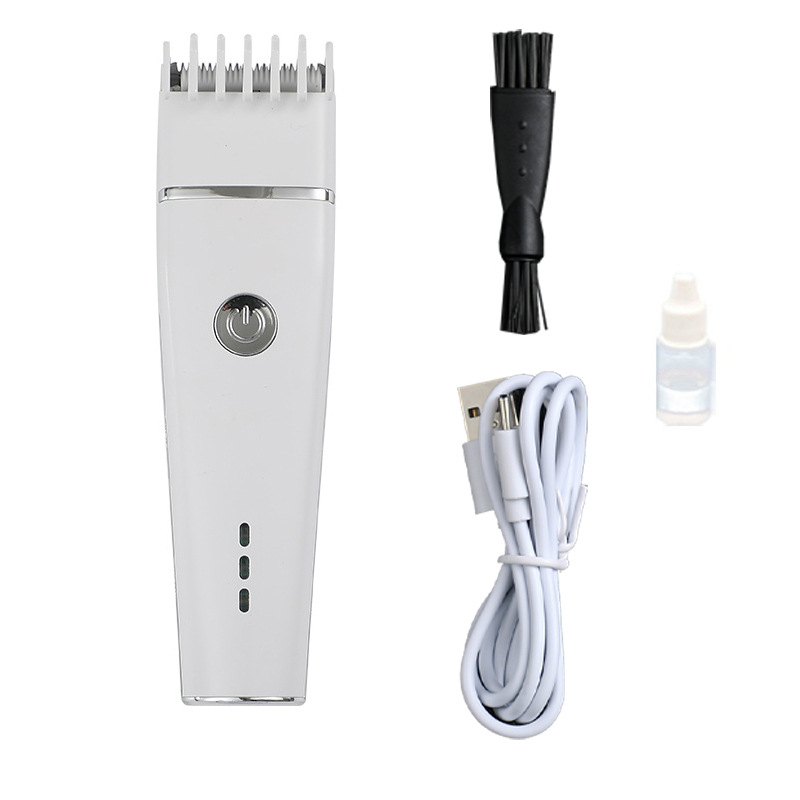
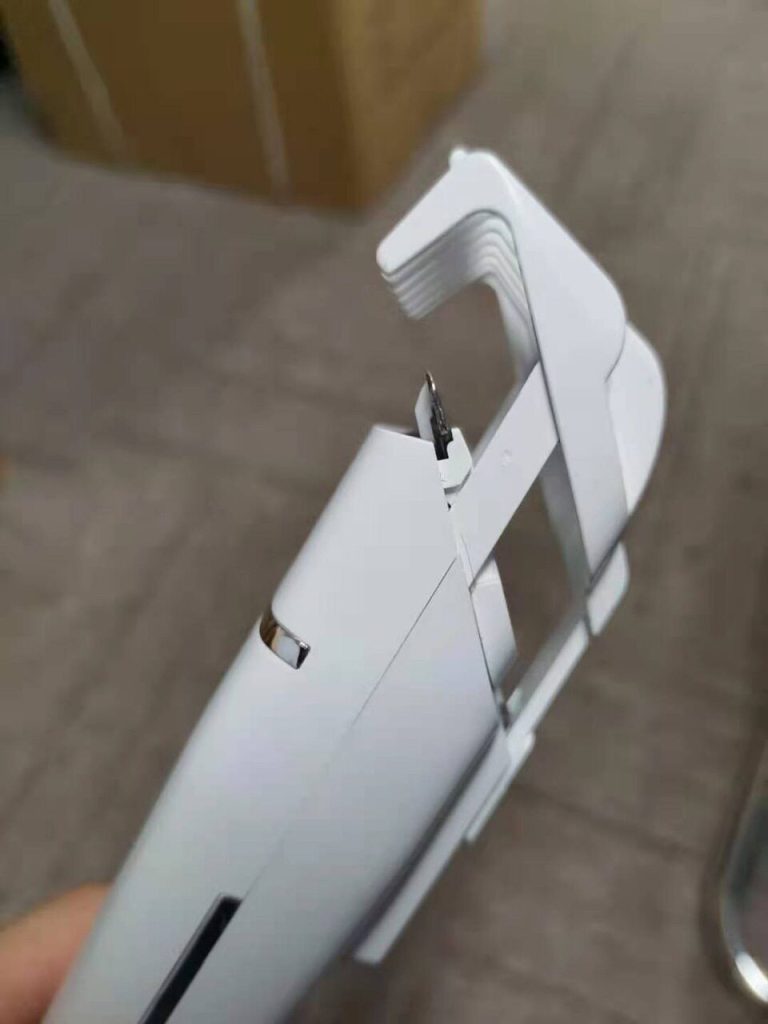
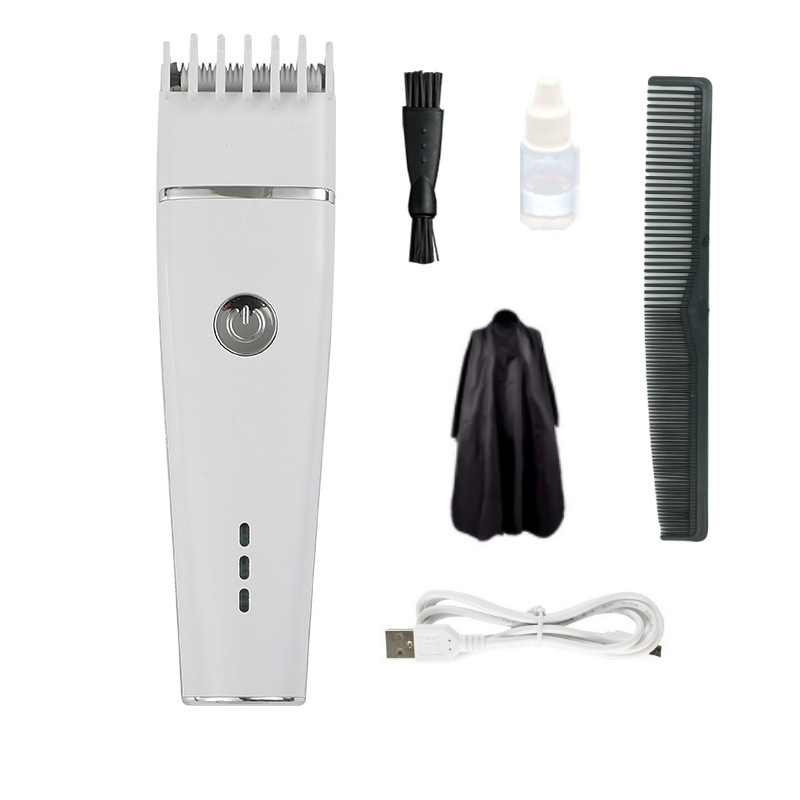
Choosing a Chinese hair clipper manufacturer should not be based on price alone. For importers, wholesalers, barbershop suppliers, e-commerce sellers, and private-label brands, the real question is whether a factory can consistently produce the same quality at the required quantity and price.
A professional-looking website or an attractive product catalog does not prove manufacturing quality. The most reliable approach is to combine supplier verification, sample testing, factory evaluation, production monitoring, and final inspection.
This guide explains how buyers can evaluate a Chinese hair clipper manufacturer before committing to a large order.
1. Start by Defining What “Good Quality” Means
Quality needs to be measurable.
For hair clippers, buyers should define requirements for:
-
Motor performance
-
Blade quality
-
Cutting performance
-
Battery capacity
-
Battery runtime
-
Charging performance
-
Noise
-
Vibration
-
Heat
-
Housing materials
-
Switches and buttons
-
Accessories
-
Packaging
-
Product appearance
-
Durability
-
Spare parts
For example, saying “the clipper must be high quality” is too vague.
A better requirement would specify the approved model, battery specification, blade configuration, accessories, appearance requirements, and functional testing requirements.
This gives both the buyer and manufacturer a clear reference.
2. Check Whether the Factory Has Relevant Experience
A manufacturer does not necessarily need to produce only hair clippers, but it should have genuine experience with the product category.
Ask:
-
How long have you produced hair clippers?
-
Which types of clippers do you manufacture?
-
Do you produce professional barber products?
-
Do you manufacture cordless products?
-
Do you provide OEM/ODM?
-
What components do you produce in-house?
-
Which production processes are outsourced?
Experience matters because hair clippers combine mechanical, electrical, electronic, and battery-related components.
A factory that understands these systems is generally better positioned to solve production problems.
3. Verify the Factory Rather Than Trusting a Catalog
A product catalog shows what a company sells. It does not necessarily show what it manufactures.
Ask for evidence of the manufacturing operation.
Useful information includes:
-
Legal company name
-
Factory address
-
Production area
-
Assembly lines
-
Testing equipment
-
Warehouse
-
Quality-control area
-
Production equipment
-
Engineering department
If the order is significant, consider an independent factory audit.
An audit can help verify whether the factory’s actual capabilities are consistent with what the supplier has told you.
4. Ask for a Factory Video Tour
A live video tour can be useful before arranging a physical visit.
Ask the supplier to show the production facility in real time rather than only sending an edited promotional video.
You can ask to see:
-
Raw-material storage
-
Assembly lines
-
Motor or component testing
-
Battery-related production areas
-
Finished-product testing
-
Packaging area
-
Finished-goods warehouse
You can also ask employees to demonstrate the testing process.
This does not replace a professional audit, but it can provide useful initial information.
5. Order Samples From the Manufacturer
Samples are one of the most important tools for quality evaluation.
Never make a large purchase based only on photographs.
Order a physical sample and inspect it carefully.
If you are comparing several manufacturers, consider ordering comparable samples from each supplier.
This allows you to compare:
-
Cutting performance
-
Motor behavior
-
Blade quality
-
Battery performance
-
Housing quality
-
Ergonomics
-
Noise
-
Vibration
-
Packaging
6. Test the Hair Clipper Under Real Conditions
A sample should not only be inspected on a table.
Use it in realistic conditions.
If the product is designed for professional barbers, have an experienced barber use it.
Test:
Cutting
Does it cut smoothly?
Does it pull hair?
Does performance remain stable?
Motor
Does the motor start smoothly?
Does it maintain stable operation?
Heat
Does the clipper become excessively hot during extended use?
Noise
Does the motor produce unusual or excessive noise?
Vibration
Does vibration make the product uncomfortable to use?
Ergonomics
Is the grip comfortable?
Can the buttons be operated easily?
Blade
Is the blade aligned properly?
Can it be adjusted correctly?
These practical tests often reveal more than a product specification sheet.
7. Check the Battery Carefully
For cordless clippers, battery quality deserves special attention.
Ask the manufacturer for the battery’s:
-
Type
-
Rated voltage
-
Rated capacity
-
Charging method
-
Charging time
-
Expected operating time
-
Protection features
Then test the actual sample.
Compare the claimed runtime with your test results.
A battery with a large advertised capacity does not necessarily provide excellent real-world performance because motor efficiency and operating conditions also matter.
8. Inspect the Blade
The blade is directly responsible for cutting performance.
Check:
-
Sharpness
-
Alignment
-
Surface finish
-
Blade movement
-
Adjustment
-
Corrosion resistance
-
Cleaning
-
Replacement availability
Run the clipper on different hair types.
A blade that performs well on fine hair may behave differently on thick or coarse hair.
If you are building a professional brand, ask whether replacement blades can be supplied consistently.
9. Examine the Housing and Assembly Quality
The external housing can reveal manufacturing quality.
Look for:
-
Uneven gaps
-
Sharp edges
-
Scratches
-
Color differences
-
Loose components
-
Poor button fitting
-
Misaligned parts
-
Poor printing
-
Weak charging-port assembly
Hold the product in your hand and operate every button.
A premium-looking product should have consistent assembly and finishing.
10. Test the Charger and Charging System
Do not focus only on the clipper itself.
Check the complete charging system.
Confirm:
-
Charger specification
-
Plug type
-
Charging interface
-
Charging indicator
-
Charging time
-
Cable quality
-
Connection stability
For international sales, the charger and electrical configuration should be suitable for the intended market.
Ask the manufacturer which documentation is available for the specific configuration you plan to purchase.
11. Evaluate the Manufacturer’s Quality-Control System
Ask the factory to explain its quality-control process.
A serious production process may include several stages.
Incoming Quality Control
Components are inspected before they enter production.
In-Process Inspection
Workers or quality inspectors check assembly during manufacturing.
Functional Testing
Finished products are checked for basic operation.
Appearance Inspection
The factory checks housing, printing, colors, scratches, assembly gaps, and other visible defects.
Final Inspection
Finished products are inspected before packing and shipment.
The exact process varies between factories, but the manufacturer should be able to explain its procedures clearly.
12. Ask About Defect Handling
A good factory should have a process for handling defective products.
Ask:
-
What happens when a product fails testing?
-
Is it repaired or rejected?
-
How are defective components recorded?
-
Who approves rework?
-
How are recurring defects investigated?
-
How does the factory prevent the same defect from appearing again?
This tells you something about the manufacturer’s production management.
A factory that only fixes individual defective products without identifying the root cause may continue to experience the same problems.
13. Use a Pre-Production Sample
Before mass production, approve a final sample.
This sample should represent the exact product you expect to receive.
The approved sample can include:
-
Product appearance
-
Color
-
Logo
-
Motor
-
Blade
-
Battery
-
Charger
-
Accessories
-
Packaging
Keep a record of the approved specifications.
This gives both sides a reference if there is a dispute later.
14. Consider a Pre-Production Meeting
For larger orders, discuss the order with the factory before production begins.
Confirm:
-
Product specifications
-
Quantity
-
Production schedule
-
Packaging
-
Quality standards
-
Inspection requirements
-
Labeling
-
Accessories
-
Shipping marks
A short pre-production discussion can prevent many misunderstandings.
15. Consider Third-Party Inspection
For a significant purchase, independent inspection can be valuable.
Depending on the project, an inspection may check:
-
Quantity
-
Product appearance
-
Dimensions
-
Function
-
Accessories
-
Packaging
-
Cartons
-
Labels
-
Random samples from the production batch
The inspection criteria should be agreed upon before production.
Do not wait until the goods are already shipped to decide what constitutes acceptable quality.
16. Don’t Inspect Only One Product
Quality consistency matters more than the quality of one sample.
Suppose you receive one excellent sample from a factory.
That does not guarantee that every unit in a 5,000-unit order will be identical.
For larger orders, quality control should evaluate samples from different cartons and production batches.
This helps identify inconsistencies such as:
-
Different blade performance
-
Battery variation
-
Color differences
-
Assembly problems
-
Missing accessories
-
Packaging mistakes
17. Check the Packaging
Packaging is part of product quality.
Inspect:
-
Retail box
-
Product insert
-
User manual
-
Accessories
-
Inner protection
-
Master carton
-
Carton strength
-
Shipping labels
A well-made clipper can still arrive damaged if the packaging is inadequate.
For e-commerce sellers, packaging quality is particularly important because products may pass through several transportation stages before reaching the customer.
18. Evaluate Spare Parts Availability
Professional users may eventually need replacement parts.
Ask whether the factory can supply:
-
Replacement blades
-
Batteries
-
Chargers
-
Guide combs
-
Switches
-
Cables
-
Other compatible components
A manufacturer with reliable spare-parts support can be more valuable for a long-term brand.
19. Review Warranty Conditions
Before ordering, clarify the warranty.
Ask:
-
What is the warranty period?
-
Which failures are covered?
-
What evidence is required?
-
Are replacement units available?
-
Are replacement parts available?
-
How are defective units handled?
Do not assume that “warranty available” means every type of failure will automatically be covered.
The terms should be clearly understood before production.
20. Compare Quality and Price Together
A high-quality manufacturer does not necessarily have the highest price.
Similarly, the cheapest supplier is not necessarily the worst.
The objective is to identify the best combination of:
Quality + Price + Production Capacity + Lead Time + Service + Consistency
For example, a supplier that is slightly more expensive but has lower defect rates and better after-sales support may produce a lower total cost over the life of the product.
A Practical Hair Clipper Factory Audit Checklist
Before choosing a manufacturer, consider checking:
Category |
What to Verify |
|---|---|
Company |
Legal identity and factory location |
Production |
Assembly lines and capacity |
Engineering |
Product development capability |
Motor |
Specification and testing |
Blade |
Material and cutting performance |
Battery |
Capacity and protection |
Charger |
Specification and testing |
QC |
Incoming, in-process and final inspection |
Sample |
Actual product performance |
Packaging |
Protection and printing |
OEM |
Logo, color and packaging |
ODM |
Design and engineering capability |
Spare parts |
Availability |
Warranty |
Clear terms |
Lead time |
Realistic production schedule |
Red Flags Buyers Should Watch For
Be cautious if a supplier:
-
Refuses to provide a sample
-
Cannot explain the product specifications
-
Avoids factory verification
-
Gives inconsistent company information
-
Changes important components without explanation
-
Cannot explain its quality-control process
-
Promises unrealistically short production times
-
Offers an unusually low price without explaining the specification
-
Refuses reasonable inspection requirements
-
Cannot provide replacement parts for a professional product


No reply content