
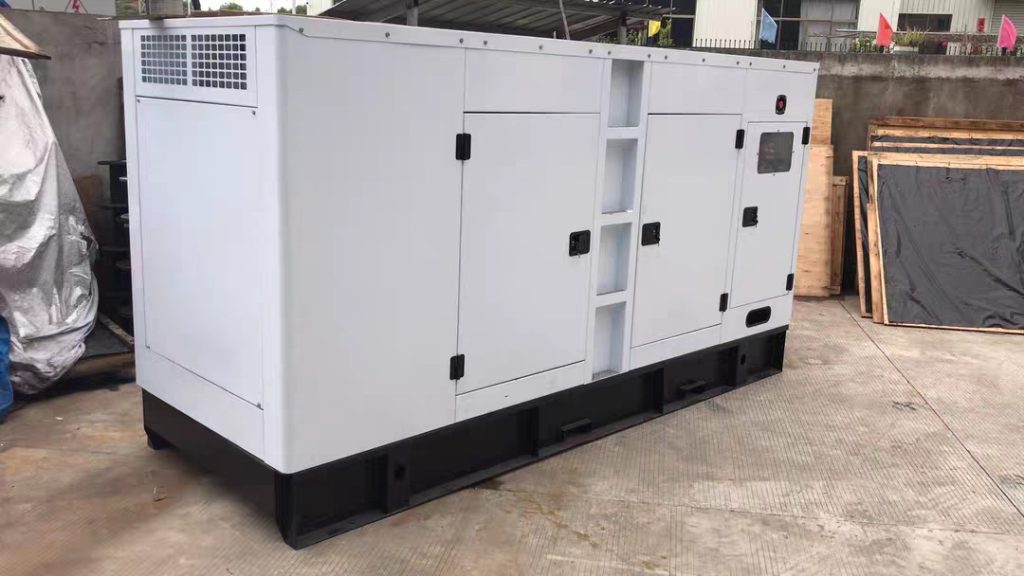
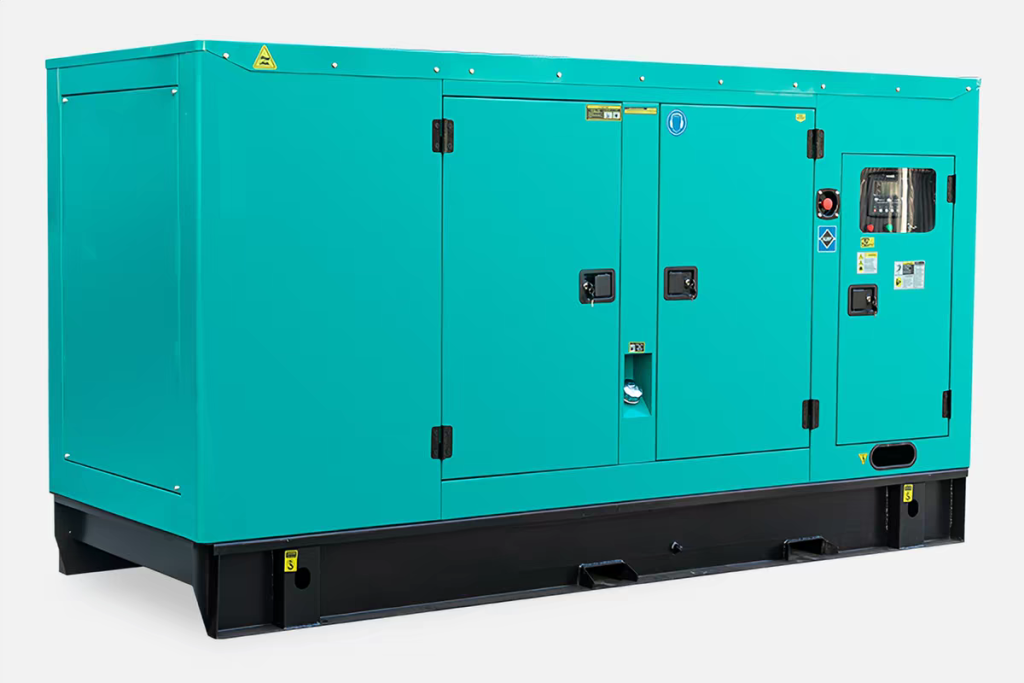

A diesel generator is widely used as a backup or primary power source in factories, construction sites, commercial buildings, and remote projects. Its reliability is essential because any unexpected failure can lead to production downtime, financial loss, or operational disruption. The good news is that most generator failures can be prevented with proper and regular maintenance.
The first and most important maintenance task is engine oil management. Engine oil lubricates moving parts and reduces friction inside the engine. Over time, oil becomes contaminated and loses its effectiveness. It should be checked regularly and replaced every 200–500 operating hours depending on usage conditions. Clean oil ensures smoother operation and helps extend engine life.
Cooling system maintenance is another key factor. Diesel generators generate a significant amount of heat during operation. If the cooling system is not working properly, overheating can occur and lead to automatic shutdown or even engine damage. Always check coolant levels, inspect hoses for leaks, and clean the radiator to ensure proper heat dissipation.
Air filters and fuel filters must also be maintained carefully. A dirty air filter reduces airflow and affects combustion efficiency, which leads to higher fuel consumption and unstable power output. Similarly, clogged fuel filters can block fuel flow and cause engine stalling or injector damage. Regular replacement of both filters is essential for stable performance.
Battery condition is often overlooked but extremely important for standby generators. A weak battery may cause failure when starting the generator during emergencies. Battery terminals should be kept clean, and the charging system should be checked regularly to ensure the battery is always ready for operation.
Another important practice is routine test running. Even if the generator is not in use, it should be started at least once a week and operated under load when possible. This helps circulate oil, keep components active, and identify potential issues early.
Professional servicing should also be scheduled periodically. Qualified technicians can perform load testing, check electrical systems, calibrate engine parameters, and ensure overall system stability.
By following these maintenance practices consistently, users can significantly reduce the risk of unexpected power failures and ensure long-term reliable performance.
FAQ
Q1: How often should a diesel generator be serviced? A: Generally, a basic inspection should be done every month, while full servicing is recommended every 200–500 operating hours depending on usage intensity.
Q2: What is the most common reason for generator failure? A: The most common causes are poor maintenance, low-quality fuel, clogged filters, and battery failure.
Q3: Can a diesel generator run continuously for long hours? A: Yes, most industrial diesel generators are designed for continuous operation, but they must be properly cooled and maintained during long runtime.
Q4: How do I know if my generator battery is weak? A: Slow starting, dim indicator lights, or failure to start are common signs of a weak or failing battery.
Q5: Is it necessary to run a generator if it is not used often? A: Yes, regular test runs are important to keep the system lubricated and ensure it will work during emergencies.


No reply content