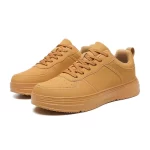
China Jinjiang shoe manufacturer in
China
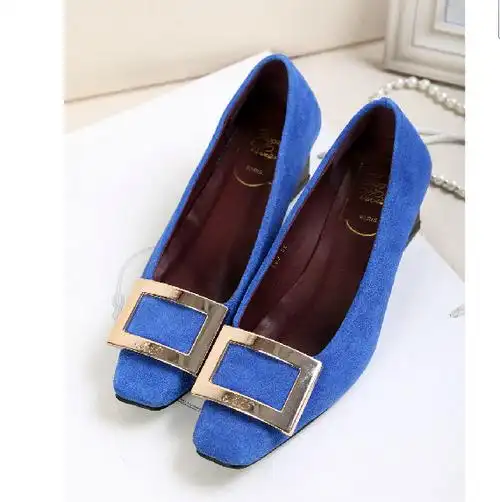
Discover compliant methods to produce designer-style footwear with OEM factories specializing in replica shoes. Learn cost-saving strategies, quality control, and legal safeguards for bulk production.
—
Introduction
The global demand for designer-inspired footwear is surging, driven by consumers seeking luxury aesthetics at accessible prices. For brands and retailers, partnering with a brand replica shoes factory offers a scalable solution to replicate iconic designs while maintaining legal compliance. This guide explores ethical production practices, cost-efficient workflows, and critical considerations when sourcing replica footwear from verified manufacturers.
—
Why Work with a Brand Replica Shoes Factory?
1. Precision Replication & Customization
Reputable factories combine advanced reverse-engineering with OEM capabilities to reproduce designer styles with 98% design accuracy. Key features include:
– Material matching (e.g., genuine leather, suede, patent finishes)
– Tread pattern replication for iconic outsoles
– Adjustable sizing systems to match original fit profiles
2. Cost Efficiency Without Compromise
By eliminating licensing fees and middleman markups, factories reduce per-unit costs by 40–60% compared to retail prices, enabling competitive pricing for budget-conscious buyers.
3. Ethical Compliance Frameworks
Top-tier factories adhere to:
– Design authorization agreements (with clients holding valid IP rights)
– ISO 9001:2015 certifications for quality control
– Regional export regulations (e.g., EU customs compliance, US CPSC standards)
—
Step-by-Step Process for Legal Designer Replica Production
Phase 1: Design Authorization & Feasibility Check
– Client responsibilities: Provide design files, material samples, or reference images.
– Factory role: Conduct 3D scanning and material analysis to ensure replication accuracy.
– Legal safeguard: Sign design authorization contracts to clarify IP ownership.
Phase 2: Material Procurement
Factories source materials that match original aesthetics while optimizing costs:
– Premium tiers: Full-grain leather, Vibram soles
– Mid-tier options: Synthetic microfiber, rubber composite soles
– Sustainability: Recycled polyester uppers, water-based adhesives
Phase 3: Production & Quality Assurance
– MOQ: Minimum orders start at 300 pairs for niche designs.
– Production timeline: 30–45 days for standard replicas; extended for complex constructions.
– QC protocols:
– Pre-production samples (cost: $300–$800 per iteration)
– AQL 2.5 inspections during mass production
– Final random checks for sizing, stitching, and durability
Phase 4: Branding & Packaging
– Customization options: Laser-engraved logos, custom tags, branded dust bags.
– Packaging compliance: Include care instructions and compliance certificates (e.g., REACH, CPSIA).
—
Critical Challenges & Solutions
Challenge 1: Design Accuracy vs. Cost
– Solution: Use modular tooling for recurring design elements (e.g., heel shapes, logos).
Challenge 2: Sizing Consistency
– Solution: Factories integrate 3D foot scanning to match original sizing charts.
Challenge 3: Legal Risks
– Solution:
– Work only with clients possessing valid design licenses.
– Avoid direct replication of patented technologies (e.g., Air sole cushioning).
—
Cost Breakdown & ROI Optimization
Component Cost Range Savings Strategy
Base Replica Model $5–$12 per pair Bulk orders ≥5,000 pairs reduce costs by 20%
Material Upgrades +$2–$5 per pair Use midtier materials for nonvisible areas
Prototyping $500–$1,500 per design Reuse lasts/molds for seasonal designs
Shipping (FOB) $1.5–$4 per pair Opt for LCL shipping on small batches


No reply content