
China Professional Hair Clipper Manufacturing Co., Ltd.
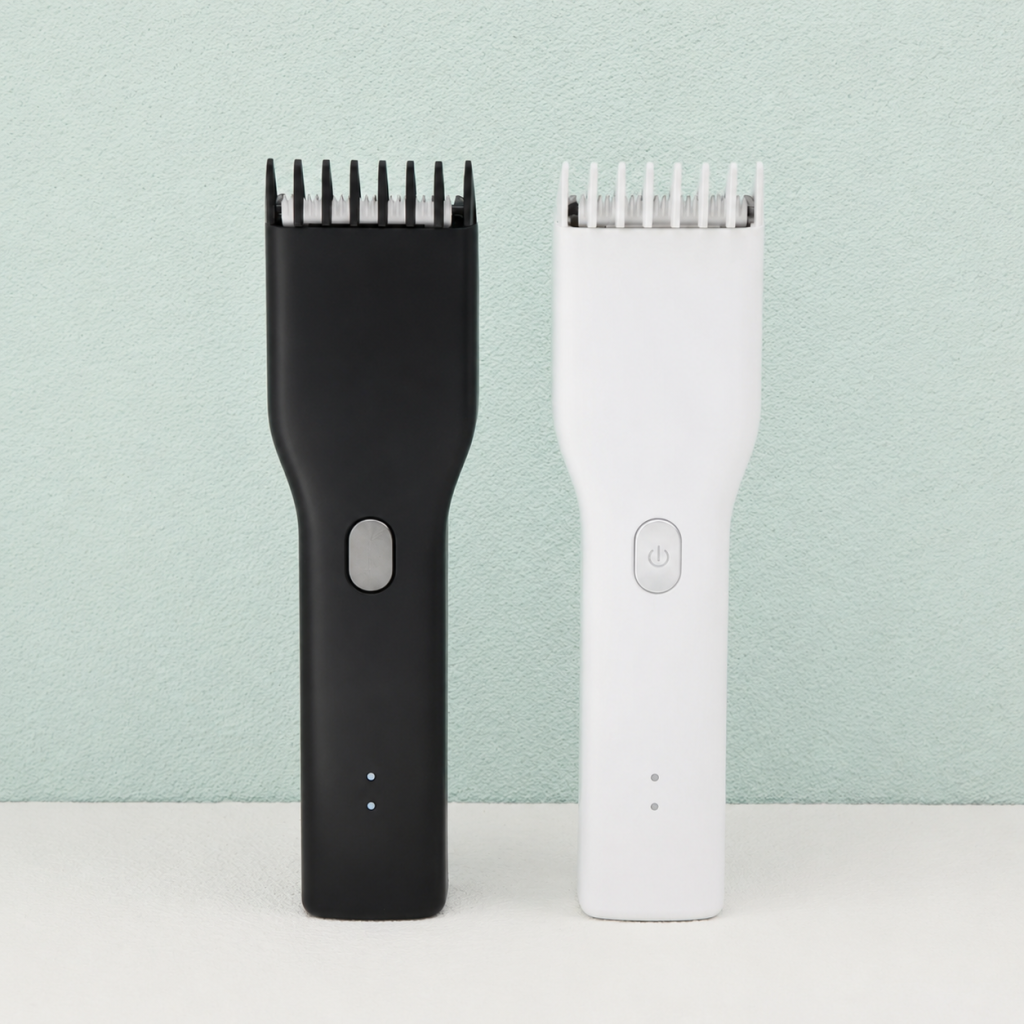
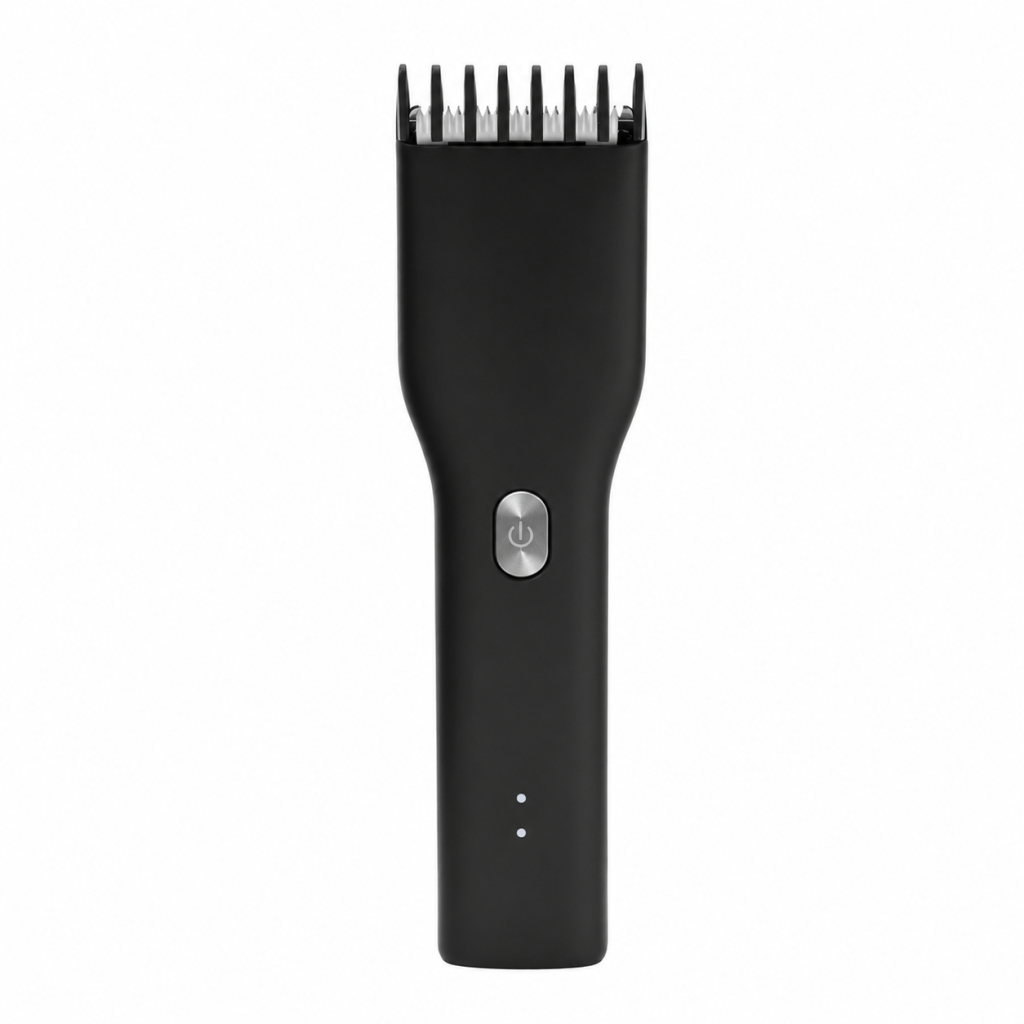
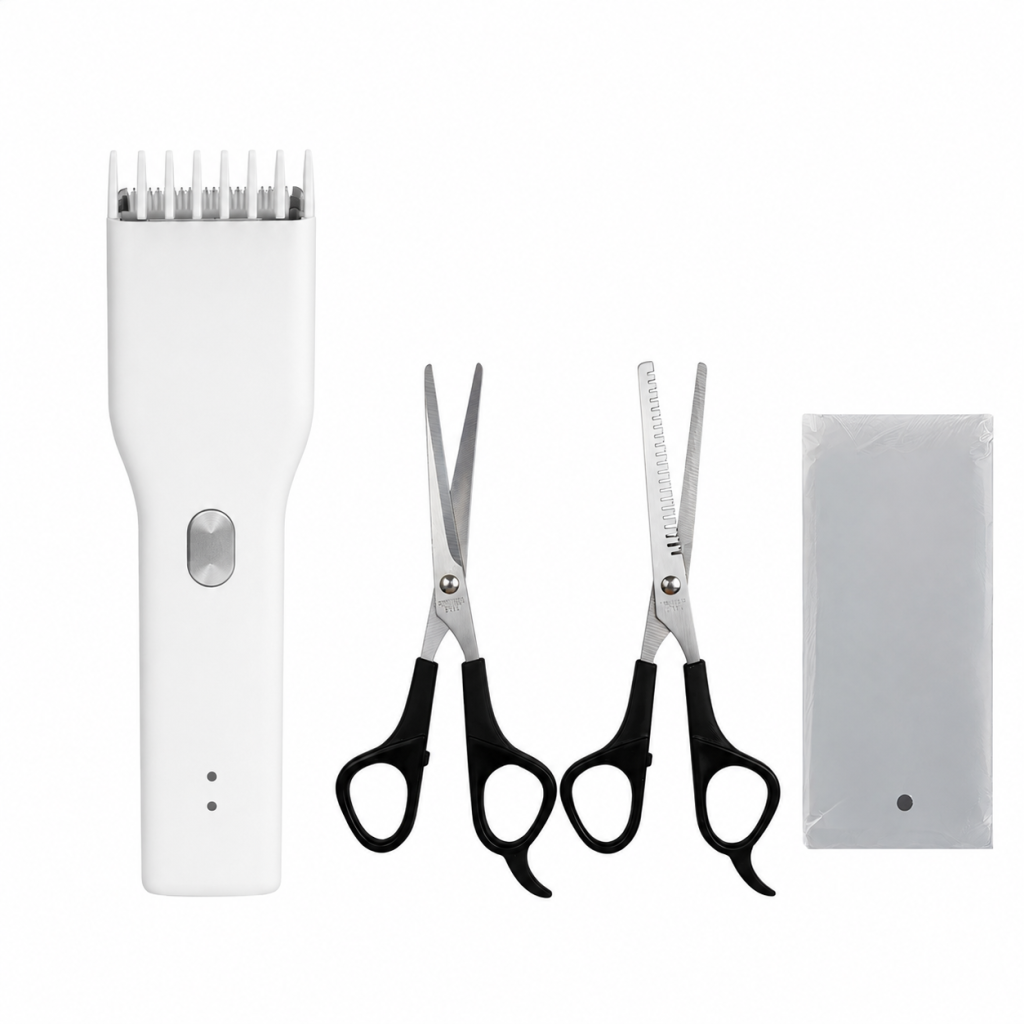
Buying electric hair clippers wholesale from China can provide attractive margins, but getting the lowest factory quotation should not be the only goal.
For distributors, barber-supply companies, online retailers, and private-label brands, an inexpensive hair clipper can become expensive if it generates high return rates, warranty claims, poor reviews, or inconsistent repeat orders.
The better strategy is to reduce unnecessary costs while protecting the components that directly affect product performance.
Here are practical ways to lower wholesale hair clipper costs without turning the product into a low-quality item.
1. Define the Target Retail Price First
Before negotiating with a Chinese supplier, determine where the product will sit in your market.
For example, your target may be:
-
Entry-level consumer clipper
-
Mid-range cordless clipper
-
Professional barber clipper
-
Premium private-label clipper
These categories require different product specifications.
If you simply tell a supplier:
“I need the cheapest professional hair clipper.”
you are creating a conflict between price and product positioning.
A better approach is to define your target retail price and expected margin first.
Then work backward to determine the appropriate purchasing cost.
2. Do Not Cut Costs From Critical Components
Some components have a much greater effect on user experience than others.
For an electric hair clipper, pay particular attention to:
-
Motor
-
Battery
-
Blade
-
Charging system
-
Internal assembly
-
Housing durability
Reducing the cost of packaging may have little effect on cutting performance.
Reducing the quality of the motor or battery can have a direct effect on customer satisfaction.
Therefore, cost reduction should begin with non-critical expenses rather than the core components.
3. Ask the Factory Where the Cost Comes From
Instead of simply asking:
“Can you give me a lower price?”
ask:
“Which parts of this specification have the biggest impact on the unit cost?”
This question gives you much more useful information.
The supplier may explain that the price is affected by:
-
Motor specification
-
Battery capacity
-
Blade material
-
Housing material
-
Packaging
-
Accessories
-
Custom logo
-
Custom mold
-
Production quantity
You can then decide which changes are acceptable.
4. Use an Existing Product as Your Starting Point
If you are launching a new brand, a completely new product design is not always necessary.
A manufacturer may already have a proven hair clipper platform that can be customized with:
-
Your logo
-
Your colors
-
Your packaging
-
Your accessories
-
Your product labels
Using an existing platform can reduce development time and avoid unnecessary engineering expenses.
You can later develop a completely custom product after your brand has established sufficient sales volume.
5. Reduce Unnecessary Packaging Costs
Packaging is one area where many brands spend more than necessary.
A premium box may look impressive, but expensive packaging does not automatically make the hair clipper better.
Consider whether you really need:
-
Magnetic gift boxes
-
Multiple inner trays
-
Thick decorative inserts
-
Complex printing
-
Oversized cartons
-
Special finishes
A well-designed standard package can still protect the product and present the brand professionally.
For wholesale distribution, packaging should be designed around protection, cost, appearance, and shipping efficiency.
6. Optimize Carton Dimensions
Packaging affects more than the product price.
It can also affect logistics costs.
If a package is unnecessarily large, you may pay more for international transportation because of increased volume.
Ask the supplier for:
-
Individual package dimensions
-
Master carton dimensions
-
Units per carton
-
Gross weight
-
Net weight
Then compare the shipping implications.
A compact but adequately protected package can reduce the total landed cost.
7. Avoid Too Many Accessories
Accessories can increase both product cost and packaging volume.
A clipper may be sold with:
-
Guide combs
-
Cleaning brush
-
Lubricating oil
-
Charging cable
-
Power adapter
-
Protective cap
-
Storage case
-
Replacement blade
Not every customer needs every accessory.
Instead of including everything, identify which accessories actually influence purchasing decisions in your target market.
If a storage case adds significant cost but your customers rarely use it, removing it may be a reasonable cost-saving option.
8. Compare Battery Options Carefully
Battery capacity is important, but the largest battery is not automatically the best choice.
A higher-capacity battery can increase:
-
Product cost
-
Weight
-
Charging time
-
Transportation considerations
Determine the runtime your customers actually need.
For example, a home-use clipper may have very different battery requirements from a professional barber tool used continuously throughout the day.
Choose the battery according to the product’s intended application.
9. Do Not Automatically Choose the Cheapest Battery
Battery quality is an area where aggressive cost cutting can create serious problems.
Two batteries may have similar printed capacities but different real-world performance.
When evaluating battery options, consider:
-
Actual capacity
-
Consistency
-
Cycle performance
-
Protection system
-
Charging behavior
-
Supplier stability
For cordless products, a reliable battery can be more valuable than a small reduction in unit cost.
10. Optimize the Motor Instead of Simply Downgrading It
The motor strongly influences cutting performance.
If your target market is professional barbers, a weak motor can create:
-
Hair pulling
-
Slower cutting
-
Excessive heat
-
More vibration
-
Poor customer experience
Instead of asking the supplier to install the cheapest motor, explain your target application.
The manufacturer may be able to recommend a motor that provides the required performance without unnecessary specifications.
This is a better form of cost optimization.
11. Review Blade Specifications
The blade is another component where cutting costs can easily affect performance.
You can compare different blade materials and designs with the manufacturer.
However, do not select a cheaper blade solely because it reduces the quotation.
Test:
-
Sharpness
-
Cutting smoothness
-
Hair pulling
-
Durability
-
Corrosion resistance
-
Adjustment performance
The right blade should match the target product rather than simply being the cheapest available option.
12. Reduce the Number of Product Variations
Too many variations can increase production and inventory costs.
For example, imagine a new brand offers:
-
4 clipper models
-
5 colors
-
3 packaging versions
That creates many different SKUs.
Instead, consider starting with:
-
1–2 core models
-
1–2 main colors
-
One standardized package
Once you have sales data, you can expand the range based on actual demand.
This reduces the amount of capital tied up in slow-moving inventory.
13. Use Fewer Colors in the Initial Order
Custom colors may require additional production arrangements.
If your order volume is relatively small, using one standard color may be more economical than creating several custom colors.
You can still create a strong private-label identity through:
-
Logo
-
Packaging
-
Typography
-
Product naming
-
Instruction manual
-
Website presentation
A distinctive brand does not necessarily require five different housing colors.
14. Increase Quantity Only When the Numbers Make Sense
Higher order quantities usually provide better unit pricing, but larger orders also increase inventory risk.
Ask the supplier for tiered pricing.
For example:
Quantity |
Unit Price |
|---|---|
100 pcs |
Quote |
300 pcs |
Quote |
500 pcs |
Quote |
1,000 pcs |
Quote |
3,000 pcs |
Quote |
Then calculate the difference.
If increasing the order from 500 to 1,000 units saves only a small amount per unit, tying up twice as much inventory may not be worthwhile.
A lower unit price does not automatically mean lower business risk.
15. Negotiate Based on a Long-Term Order Plan
Manufacturers are often more interested in repeat business than in one small order.
Instead of demanding a large discount immediately, explain your realistic purchasing plan.
For example:
Initial order → market test → repeat order → larger annual volume
If the first order performs well, future quantities may increase.
A supplier may be more willing to discuss pricing when it understands the potential long-term relationship.
Do not promise quantities you cannot realistically purchase.
16. Separate Sample Costs From Production Costs
Custom samples can be expensive because they require additional preparation.
Ask the supplier:
-
Sample price
-
Shipping cost
-
Tooling cost
-
Whether tooling can be reused
-
Whether the sample fee can be credited against a bulk order
Some manufacturers may apply certain development or sample costs toward a later production order.
This should be confirmed before payment.
17. Standardize Components Across Models
If you sell multiple hair clipper models, using compatible components can simplify purchasing.
For example, several models might share:
-
Charging accessories
-
Guide combs
-
Packaging dimensions
-
Certain internal components
-
Replacement parts
Standardization can reduce purchasing complexity and simplify inventory management.
However, technical compatibility must be verified by the manufacturer.
Do not force components to be identical if doing so compromises product performance.
18. Choose Packaging Based on Your Sales Channel
Different sales channels require different packaging strategies.
If you sell through:
-
Amazon or other e-commerce platforms
-
Barber supply stores
-
Wholesale distributors
-
Professional salons
-
Offline retail
the packaging requirements may differ.
For e-commerce, stronger protection may be important because products experience more individual handling.
For bulk B2B distribution, packaging may be simplified while maintaining sufficient protection.
The right packaging depends on the route to the final customer.
19. Compare Suppliers Using the Same Specification
Suppose one supplier quotes $18 and another quotes $22.
That does not automatically mean the first supplier is cheaper.
Compare:
-
Motor
-
Battery
-
Blade
-
Runtime
-
Accessories
-
Packaging
-
Warranty
-
MOQ
-
Quality-control requirements
A $22 product with better components may produce a lower return rate and better customer reviews.
Always compare like with like.
20. Consider the Total Landed Cost
Your actual cost is not simply the supplier’s factory price.
A more realistic calculation is:
Product cost + packaging + inspection + domestic transport + international freight + import-related costs
For battery-powered products, shipping arrangements can also influence the final cost.
A supplier with a slightly higher unit price may still be more economical if its packaging is efficient and its product generates fewer defects.
21. Reduce Defect Rates Instead of Only Reducing Unit Price
This is one of the most overlooked cost-saving opportunities.
Suppose you purchase 1,000 clippers at a low price but experience a high defect rate.
You may then face:
-
Replacement costs
-
Refunds
-
Customer service expenses
-
Return shipping
-
Negative reviews
-
Lost repeat customers
A slightly higher purchase price can be worthwhile if it significantly improves product consistency.
For a growing brand, quality-related costs can easily exceed a small difference in factory pricing.
22. Use Pre-Shipment Inspection for Larger Orders
Before a large shipment leaves China, inspect the finished goods.
Depending on the product, inspection can cover:
-
Appearance
-
Quantity
-
Motor operation
-
Charging
-
Battery performance
-
Blade installation
-
Accessories
-
Packaging
-
Carton markings
The exact inspection standard should be agreed before production.
Finding a problem before shipment is generally easier than discovering it after thousands of units arrive at your warehouse.
23. Keep the Specification Stable
Frequent changes create additional costs.
For example, changing the:
-
Motor
-
Battery
-
Blade
-
Housing
-
Logo
-
Packaging
after production has already started can cause delays and additional expenses.
Before mass production, finalize a clear specification.
Once the product has been approved, avoid unnecessary changes unless they are genuinely needed.
24. Build a Cost Structure
Instead of looking only at the final quotation, ask the supplier to help you understand the major cost drivers.
A simplified structure might look like:
Cost Area |
Importance |
|---|---|
Motor |
High |
Battery |
High |
Blade |
High |
Housing |
Medium |
Electronics |
High |
Accessories |
Medium |
Packaging |
Medium |
Customization |
Medium |
Production quantity |
High |
Inspection |
Low/Medium |


No reply content