As electricity prices continue to rise and renewable energy becomes more popular, many homeowners are considering installing home battery storage systems. However, choosing the right battery solution is not always easy. Different families have different electricity consumption habits, budgets, and backup power requirements.
Selecting the correct home energy storage system requires understanding battery capacity, technology, safety, installation requirements, and long-term value. A suitable battery system can help homeowners reduce electricity costs, increase energy independence, and ensure reliable power during outages.
This guide explains how to choose the right home battery storage system based on your energy needs and budget.
1. Understand Why You Need a Home Battery Storage System
Before choosing a battery, homeowners should first define their main purpose.
Different users have different goals:
Reduce Electricity Bills
Many families install energy storage systems to lower monthly electricity costs.
A battery can:
- Store low-cost electricity
- Store excess solar power
- Reduce dependence on expensive grid electricity
- Improve energy efficiency
Backup Power During Outages
Some homeowners mainly need reliable emergency power.
A backup battery can keep important equipment running, such as:
- Refrigerators
- Lights
- Internet routers
- Security systems
- Medical equipment
- Home office devices
Increase Solar Energy Usage
For homes with solar panels, batteries help store unused solar energy and use it later instead of wasting it.
Understanding your main goal helps determine the best system design.
2. Calculate Your Household Energy Requirements
Choosing the correct battery capacity is one of the most important steps.
A battery that is too small may not provide enough power, while an oversized system may increase unnecessary costs.
Consider:
Daily Electricity Consumption
Check your electricity bills or smart meter data to understand your average daily usage.
Important factors include:
- Number of family members
- Appliance usage
- Heating and cooling needs
- Working-from-home requirements
- Electric vehicle charging
Essential Backup Loads
If backup power is the priority, identify which devices must continue operating during outages.
For example:
Basic backup:
- Lights
- Wi-Fi router
- Refrigerator
- Phone charging
Medium backup:
- Kitchen appliances
- Computers
- More household equipment
Full-home backup:
- Air conditioning
- Heating systems
- Electric vehicles
- Large appliances
A professional battery manufacturer can help calculate the appropriate capacity.
3. Choose the Right Battery Capacity
Home battery storage systems are available in different sizes.
Small Capacity Systems
Suitable for:
- Apartments
- Small homes
- Basic backup needs
Advantages:
- Lower investment cost
- Easy installation
- Suitable for essential devices
Medium Capacity Systems
Suitable for:
- Average family homes
- Solar energy storage
- Daily electricity savings
Advantages:
- Better energy independence
- Longer backup time
- Balanced cost and performance
Large Capacity Systems
Suitable for:
- Large houses
- High electricity consumption
- Whole-home backup
Advantages:
- Maximum energy independence
- Supports more appliances
- Longer emergency power supply
4. Select Safe and Reliable Battery Technology
Battery technology directly affects performance, safety, and lifespan.
Currently, lithium iron phosphate (LiFePO4) batteries are widely used in residential energy storage systems.
Their advantages include:
High Safety
LiFePO4 batteries have excellent thermal stability and are suitable for indoor and outdoor applications.
Long Service Life
Quality batteries can provide thousands of charge and discharge cycles.
Stable Performance
They maintain good performance under different environmental conditions.
Lower Maintenance
Compared with traditional battery technologies, lithium storage systems require less maintenance.
5. Consider Your Budget and Long-Term Return
The cheapest battery system is not always the best choice.
Homeowners should consider the total value, including:
- Initial purchase cost
- Installation expenses
- Battery lifespan
- Maintenance requirements
- Energy savings
A higher-quality battery may cost more initially but provide better long-term benefits through:
- Longer service life
- Higher efficiency
- Fewer replacements
- More reliable performance
6. Check System Compatibility
Before purchasing, make sure the battery system is compatible with your existing equipment.
Important compatibility factors include:
Solar Inverter Compatibility
The battery should work properly with your solar inverter.
Home Electrical System
The system should match household electrical requirements.
Expansion Capability
A good battery system should allow future expansion if energy needs increase.
For example, a family may start with a small battery and add additional modules later.
7. Choose a Professional Home Energy Storage Battery Manufacturer
The manufacturer plays an important role in product quality and customer experience.
A reliable manufacturer should provide:
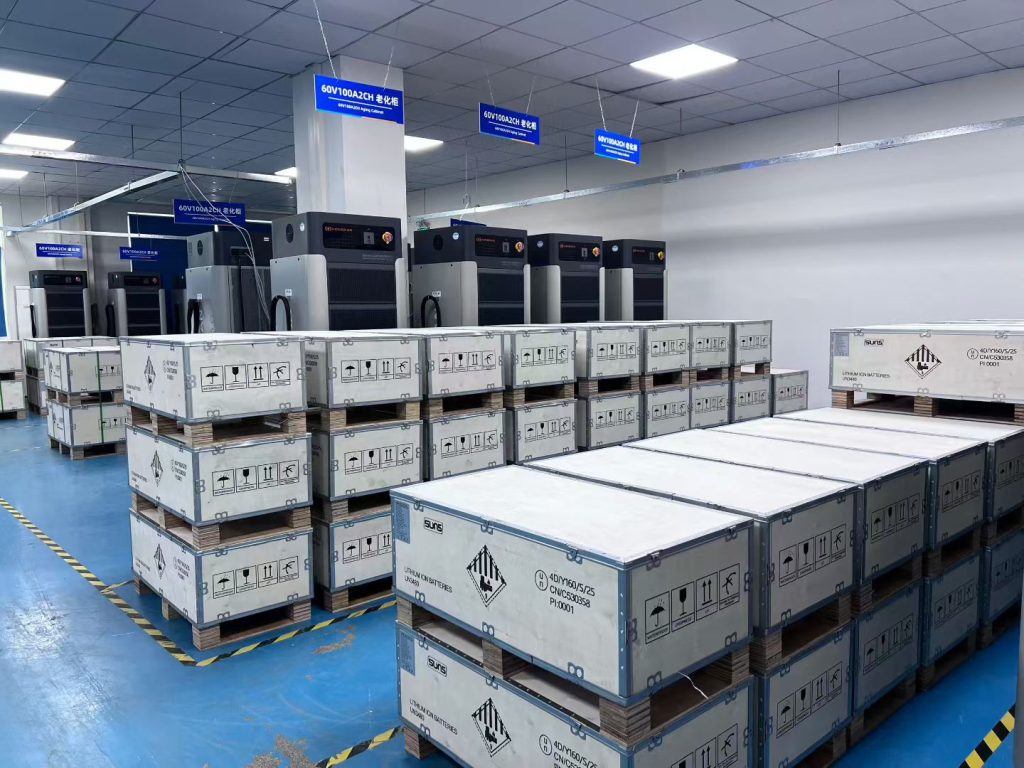
Professional Production Capability
Look for manufacturers with:
- Advanced production facilities
- Experienced engineers
- Strict quality control
- Stable supply chains
Certified Products
Quality manufacturers provide products that meet international standards and safety requirements.
Technical Support
Professional suppliers should offer:
- System design assistance
- Installation guidance
- Troubleshooting services
- Warranty support
OEM and Customized Solutions
For distributors and installers, manufacturers with OEM capabilities can provide:
- Customized battery designs
- Different capacity options
- Branding solutions
- Packaging customization
8. Consider Smart Energy Management Features
Modern battery systems offer intelligent control functions.
Useful features include:
- Mobile application monitoring
- Real-time energy statistics
- Automatic charging management
- Remote diagnostics
- Smart energy optimization
These features help homeowners manage energy usage and maximize savings.
9. Installation Environment and Safety Considerations
The installation location affects battery performance.
Consider:
- Indoor or outdoor installation
- Temperature conditions
- Ventilation requirements
- Protection from moisture
- Safety distance requirements
A professional installer or manufacturer should provide proper installation recommendations.
10. Common Mistakes When Choosing a Home Battery System
Many homeowners make mistakes when purchasing energy storage systems.
Common problems include:
Choosing Only Based on Price
Low-cost products may have shorter lifespans and lower reliability.
Ignoring Future Energy Needs
A system that works today may not meet future electricity demand.
Not Checking Manufacturer Experience
An inexperienced supplier may provide poor technical support.
Selecting Incorrect Battery Capacity
An unsuitable capacity can reduce efficiency and increase costs.
Conclusion
Choosing the right home battery storage system requires careful consideration of electricity usage, backup requirements, battery technology, budget, and manufacturer reliability.
The ideal system should provide safe operation, long service life, efficient energy storage, and excellent value for money.
By working with a professional home energy storage battery manufacturer, homeowners can find the right solution to reduce electricity costs, improve energy independence, and create a more reliable and sustainable energy future.


No reply content