
Robot Vacuum Suppliers in Suzhou China
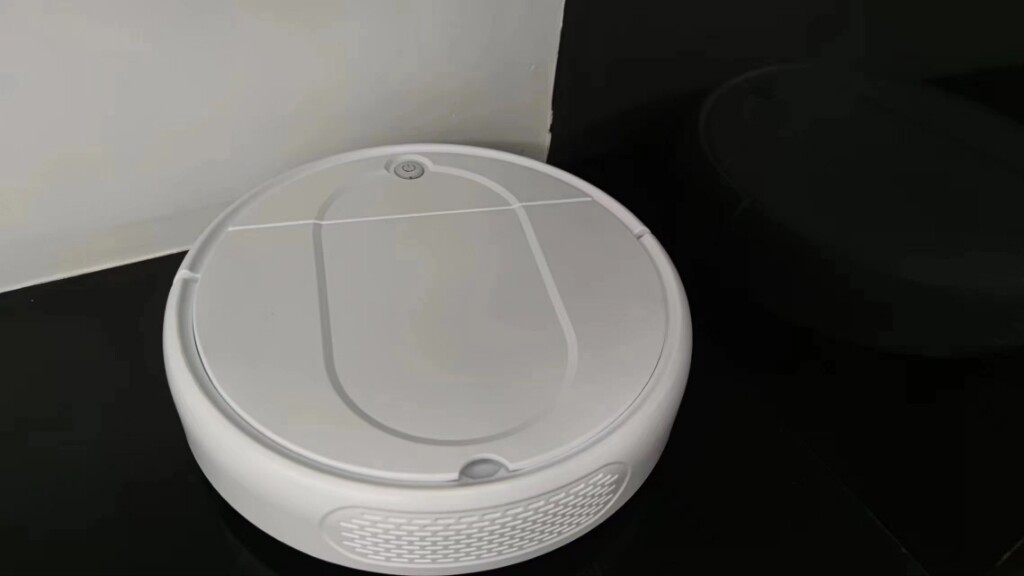
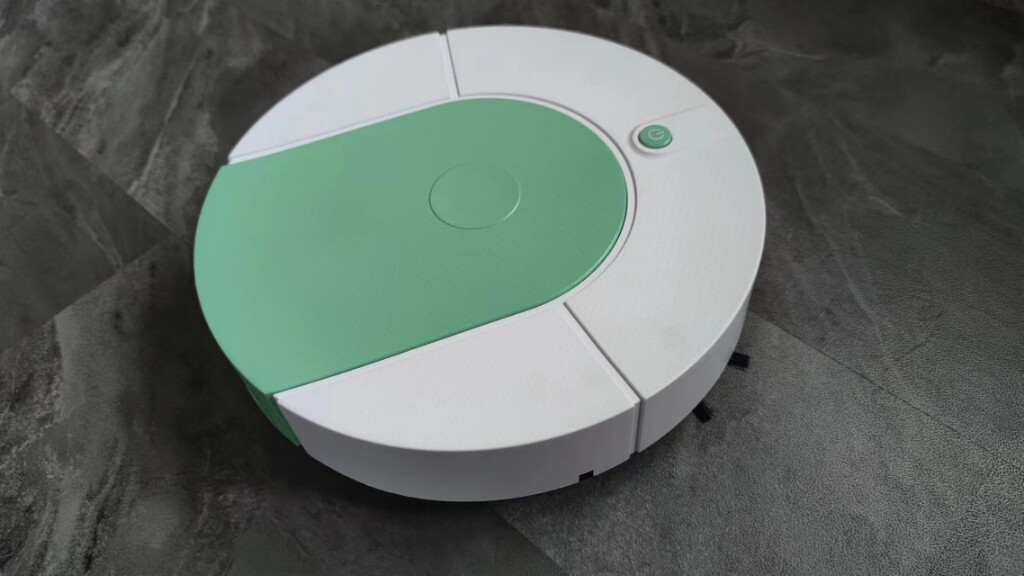
For brands and distributors entering the smart home cleaning market, securing a Chinese robot vacuum supplier is the fastest route to market. The promise of high margins and low unit costs is enticing. However, many brands discover too late that a low “factory price” often masks critical flaws in quality control, software stability, and after-sales support. When your customers start returning units due to faulty sensors or dead batteries, your profit margin vanishes overnight.
To ensure your private label venture succeeds, here are five critical traps to avoid when selecting an OEM/ODM partner.
1. The “Trading Company” Trap
Many suppliers claiming to be “direct factories” are actually intermediaries. They outsource production to the lowest bidder, resulting in inconsistent quality across batches.
-
The Strategy: Verify physical assets. Ask for a live video tour of the SMT (Surface Mount Technology) workshop and the aging test room. A real factory owns its PCB assembly lines and mold inventory; a trader does not.
2. The “Prototype vs. Mass Production” Gap
A supplier can hand-build a perfect prototype for your approval, but switch to cheaper components during mass production to cut costs.
-
The Strategy: Implement a Golden Sample protocol. Lock the exact BOM (Bill of Materials) and sign a “No Change” agreement. Conduct Pre-Shipment Inspections (PSI) on every batch to ensure the capacitors, batteries, and motors match the approved sample.
3. Ignoring the Software Ecosystem
Hardware is only half the product. If the companion App is buggy, lacks multilingual support, or has unstable cloud servers, your brand reputation will suffer.
-
The Strategy: Stress-test the App thoroughly. Check update frequency, server location (to ensure GDPR compliance), and integration with Alexa/Google Home. Ensure the supplier provides a white-label App solution that can be updated seamlessly.
4. Vague Warranty and Spare Parts Policies
A supplier who offers a “1-year warranty” but makes you ship defective units back to China is not a partner. The logistics cost will bankrupt you.
-
The Strategy: Negotiate a “Local Repair” model. The supplier should provide a 1% to 2% free spare parts ratio with each shipment (main boards, batteries, side brushes). They should also offer remote diagnostic support so you can fix issues locally.
5. Underestimating Certification Complexity
Robot vacuums contain lithium-ion batteries and wireless modules, requiring a maze of certifications (FCC, CE, UKCA, RoHS, UN38.3).
-
The Strategy: Ensure the supplier holds original, valid certificates—not just copies. Verify that the certification applies to your specific SKU, as changing a battery or motor requires re-certification.


No reply content