


Sourcing shiitake mushrooms from China has become a smart choice for global importers, wholesalers, and food distributors. With large-scale production, competitive pricing, and a mature export system, China offers stable supply and consistent quality. This guide explains everything you need to know—from product types and quality standards to supplier selection, pricing, packaging, and shipping—helping you source safely and efficiently.
1. Why Source Shiitake Mushrooms from China?
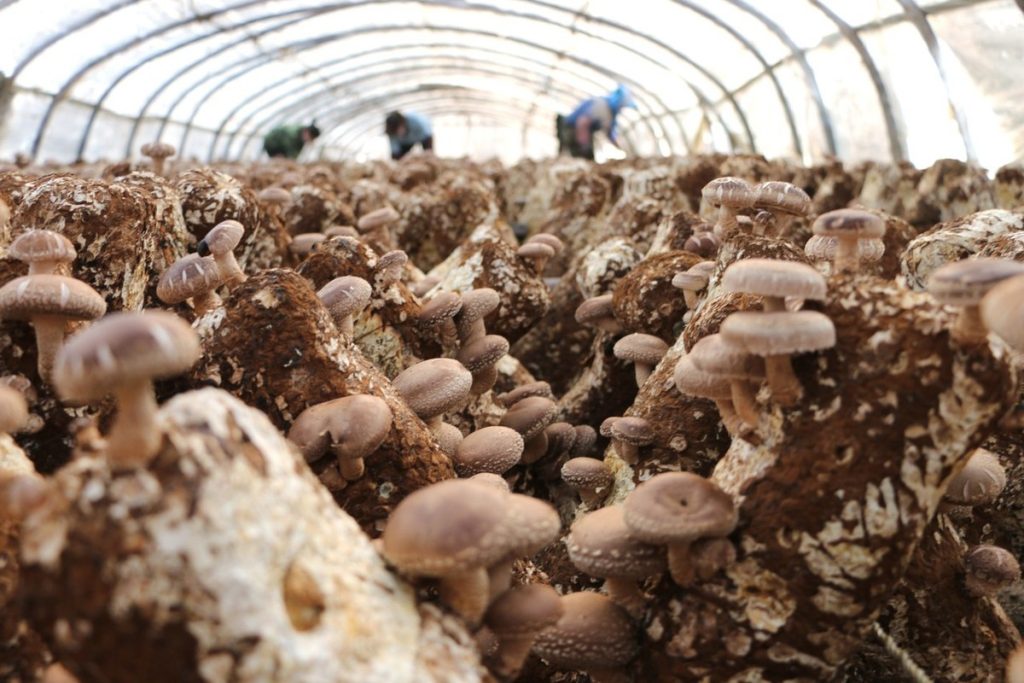
China is the world’s largest producer of shiitake mushrooms, accounting for a major share of global output. Thanks to decades of cultivation experience and continuous technological improvements, Chinese growers are able to supply high-quality mushrooms at scale.
The main advantages of sourcing from China include:
- Large production capacity ensuring stable supply
- Competitive pricing due to efficient farming systems
- Wide product variety for different market needs
- Strong export experience and international compliance
- Flexible customization for packaging and branding
For many importers, China offers the best balance between cost, quality, and reliability.
2. Types of Shiitake Mushrooms Available
Understanding product categories helps you choose the right type for your market.
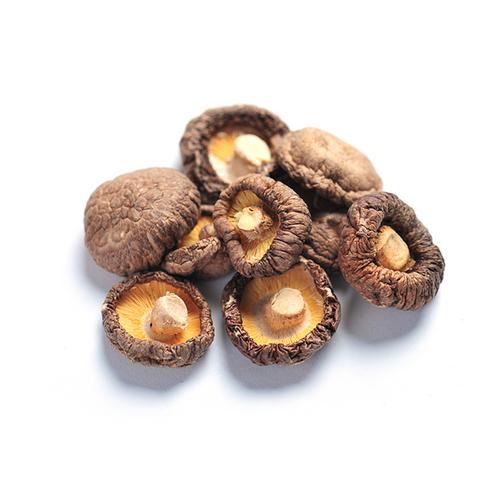
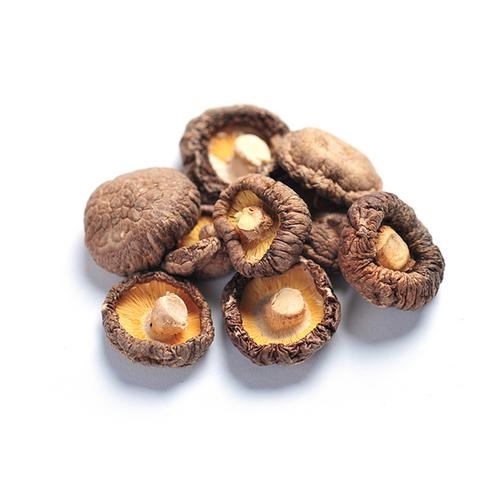
2.1 Dried Shiitake Mushrooms
Dried shiitake mushrooms are the most commonly exported type.
Key features:
- Long shelf life (12–24 months)
- Strong aroma and rich umami flavor
- Easy storage and transportation
- Ideal for wholesale and retail
They are widely used in soups, sauces, instant foods, and packaged meals.
2.2 Fresh Shiitake Mushrooms
Fresh shiitake mushrooms are popular in supermarkets and restaurants.
Characteristics:
- Firm texture
- Short shelf life
- Requires cold chain logistics
- Best for nearby or air-freight markets
2.3 Organic Shiitake Mushrooms
Organic shiitake mushrooms are increasingly popular in Europe, North America, and Australia.
They are:
- Grown without synthetic chemicals
- Certified by recognized organic bodies
- Priced higher than conventional products
- Preferred by health-conscious consumers
2.4 Value-Added Shiitake Products
Some buyers also source:
- Sliced shiitake
- Shiitake powder
- IQF shiitake
- Seasoned mushroom snacks
These are suitable for food processors and private label brands.
3. Quality Standards for Shiitake Mushrooms
Quality control is critical when sourcing food products internationally.
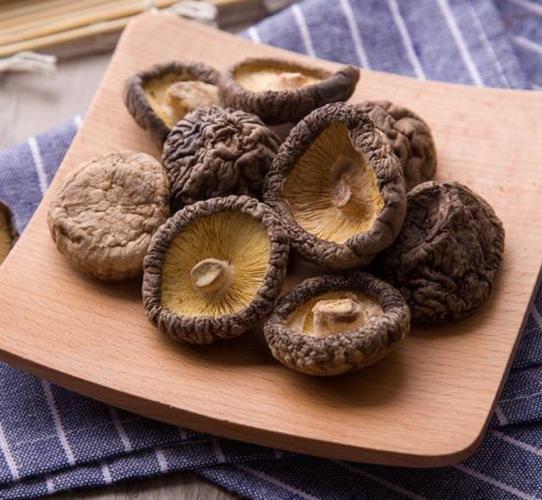
3.1 Physical Appearance
Buyers usually check:
- Cap size and thickness
- Color uniformity
- Natural cracking patterns
- Cleanliness
Premium-grade shiitake mushrooms typically have thick caps and a rich aroma.
3.2 Moisture Content
For dried shiitake, moisture content should usually be below 13%. Excess moisture can cause mold, odor, and spoilage.
3.3 Microbiological Safety
Professional suppliers test for:
- Total plate count
- Yeast and mold
- E. coli
- Salmonella
3.4 Chemical Safety
Tests include:
- Pesticide residues
- Heavy metals
- Aflatoxins
3.5 Certifications
Common documents include:
- Phytosanitary Certificate
- Certificate of Origin
- Health Certificate
- COA (Certificate of Analysis)
- Organic Certificate (if applicable)
4. Packaging Options
Packaging protects the product and impacts branding.
4.1 Retail Packaging
- 100g / 200g / 500g pouches
- Vacuum-sealed bags
- Stand-up zipper bags
- Printed boxes
4.2 Bulk Packaging
- 5kg / 10kg / 20kg cartons
- Inner plastic bags
- Kraft paper bags
4.3 Private Label & OEM
Many Chinese suppliers offer:
- Custom logo printing
- Multilingual labels
- Barcode and nutrition panel printing
- Custom box design
5. What Affects Pricing?
Prices vary depending on:
- Grade and size
- Drying method
- Season
- Order volume
- Packaging type
- Certifications
Higher-grade mushrooms with thick caps and uniform size usually cost more.
6. Step-by-Step Process of Sourcing from China
Step 1: Identify Potential Suppliers
Search through B2B platforms, trade fairs, or referrals.
Step 2: Request Samples
Always evaluate quality before placing bulk orders.
Step 3: Confirm Specifications
Clearly define:
- Size
- Moisture content
- Grade
- Packaging
- Labeling
Step 4: Negotiate Terms
Discuss:
- Price
- MOQ
- Delivery time
- Payment terms
Step 5: Place Order
Confirm details in a Proforma Invoice.
Step 6: Production and Quality Inspection
Many buyers use third-party inspection services.
Step 7: Shipping
Choose between:
- Sea freight
- Air freight
- Courier (for samples)
Step 8: Customs Clearance
Prepare documents and follow your local import regulations.
7. Common Risks and How to Avoid Them
7.1 Inconsistent Quality
Avoid by defining clear standards and conducting inspections.
7.2 High Moisture Content
Always request test reports and use moisture-proof packaging.
7.3 Labeling Issues
Make sure labels meet your local regulations.
7.4 Hidden Fees
Clarify all costs and Incoterms in advance.
7.5 Delayed Shipments
Work with experienced suppliers and forwarders.
8. Major Markets for Chinese Shiitake Mushrooms
Chinese shiitake mushrooms are exported to:
- United States
- European Union
- Japan
- Middle East
- Australia
- Southeast Asia
Each market has its own regulations and quality expectations.
9. How to Choose a Reliable Supplier
Look for suppliers who:
- Have export experience
- Own or control their farms
- Provide test reports
- Offer transparent communication
- Support OEM and private labeling
10. Why Professional Suppliers Matter
A professional supplier ensures:
- Stable quality
- Long-term supply
- Regulatory compliance
- Faster problem resolution
- Better logistics coordination
11. Why Choose Us?
We specialize in exporting premium shiitake mushrooms from China to international markets. Our products are trusted by wholesalers, retailers, and food processors worldwide.
Our strengths include:
- Direct farm sourcing
- Strict quality control
- Competitive pricing
- Custom packaging
- Complete export documentation
- Fast response time
12. Frequently Asked Questions (FAQ)
Q1: What is the shelf life of dried shiitake mushrooms?
Usually 12–24 months under proper storage.
Q2: Can I order samples?
Yes, samples are available.
Q3: Do you offer private labeling?
Yes, we provide OEM services.
Q4: What is your MOQ?
MOQ depends on product type and packaging.
Q5: Do you arrange shipping?
Yes, we can arrange FOB, CIF, or DDP.
13. Final Thoughts
Sourcing shiitake mushrooms from China can be highly profitable if done correctly. By understanding product types, quality standards, packaging, pricing, and logistics, you can build a stable and reliable supply chain.
14. Contact Us
If you are looking for a professional shiitake mushroom supplier from China, feel free to contact us for prices, samples, and specifications.


No reply content