
Importing gift boxes from China to Germany can be a lucrative opportunity for retailers, e-commerce businesses, and distributors. By understanding regulations, logistics, and sourcing strategies, you can ensure a smooth import process.
Germany is one of Europe’s largest markets for retail and e-commerce, with strong demand for high-quality packaging. Gift boxes are essential not only for products but also for branding and customer experience. China, as a leading manufacturer of packaging materials, provides a wide variety of gift boxes at competitive prices.
1. Why Source Gift Boxes from China
China remains a top destination for importing gift boxes due to:
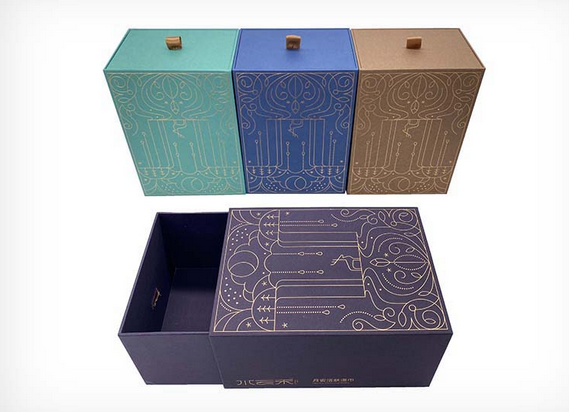
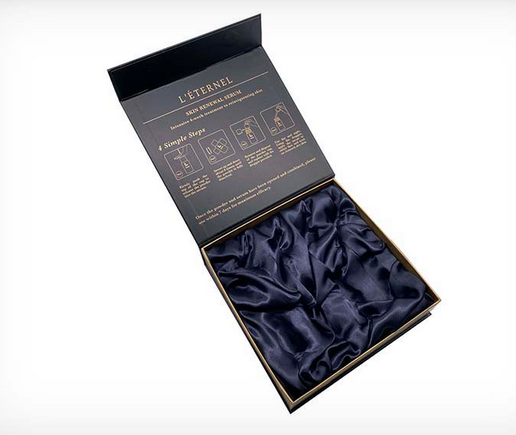
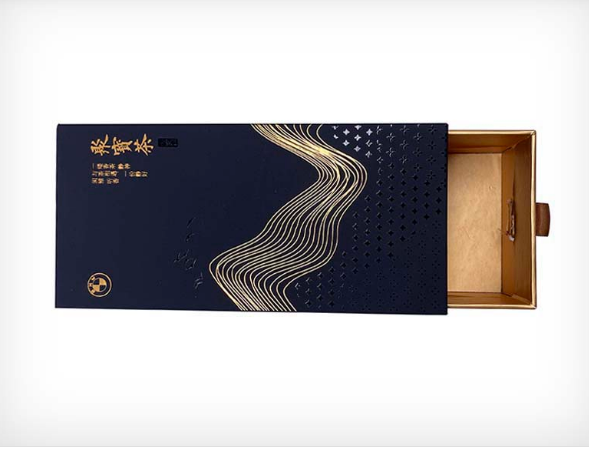
- Variety of products: From luxury rigid boxes to eco-friendly kraft paper boxes and foldable cardboard designs.
- Customizable options: Printing, embossing, foil stamping, magnetic closures, and inserts can be tailored for your brand.
- Cost advantages: Large-scale manufacturing reduces unit costs without sacrificing quality.
- Production capacity: Factories can handle both small and large orders efficiently.
These advantages make China a practical and cost-effective choice for gift box imports.
2. Understanding German Import Regulations
Before importing, you must comply with customs rules, duties, and taxes in Germany:
Duties
- Duties depend on the HS code of the product. Gift boxes are typically classified under paper, cardboard, or packaging categories.
- Use the EU TARIC database to check the applicable duty rate.
VAT
- All imports into Germany are subject to 19% Value-Added Tax (VAT).
- VAT is calculated on the total value of the goods plus shipping and any customs duties.
Documentation
To clear customs smoothly, prepare:
- Commercial invoice: Lists product description, quantity, unit price, total value, and HS code.
- Packing list: Includes weight, dimensions, and packaging details.
- Bill of Lading or Air Waybill: Proof of shipment from the carrier.
- Certificate of origin (if required): Can help reduce duties.
- EORI number: Required for all EU importers.
Accurate documentation helps prevent delays and fines.
3. Choosing the Right Shipping Method
Shipping impacts cost, speed, and reliability. Common methods include:
- Sea Freight: Most cost-effective for large shipments. Transit usually takes 30–40+ days.
- Rail Freight: Faster than sea, averaging 15–25 days from China to Germany.
- Air Freight: Fastest option for small or urgent shipments, typically 3–7 days, but higher cost.
A freight forwarder can help select the best method and handle customs clearance.
4. Selecting a Supplier
When choosing a supplier, consider:
- Production capability: Can they meet your order volume?
- Customization: Can they provide printing, embossing, or inserts?
- Quality control: Are samples available for inspection?
- Experience exporting to Europe: Familiarity with German regulations is advantageous.
- Communication: Suppliers should respond promptly and clearly.
Trade shows and online marketplaces are good ways to find verified suppliers. Request samples before placing a large order.
5. Incoterms and Cost Responsibilities
Understanding Incoterms ensures clarity on shipping costs and risk:
- FOB (Free on Board): Supplier delivers to the port; buyer pays for freight, insurance, and customs.
- CIF (Cost, Insurance, Freight): Supplier pays for shipping and insurance to the destination port; buyer handles customs duties and VAT.
- DDP (Delivered Duty Paid): Supplier manages all shipping, duties, and taxes; the buyer receives the goods at the destination.
Choose the option that fits your experience and risk tolerance.
6. Tips for Smooth Imports
- Request samples to check quality before large orders.
- Verify HS codes to avoid delays or incorrect duties.
- Hire a customs broker to streamline clearance.
- Plan lead times for production, shipping, and customs.
- Start small with a test order before scaling.
7. Cost Considerations
The total cost of importing includes:
- Product cost (factory price)
- Shipping and insurance
- Customs duties
- VAT (19% in Germany)
- Customs broker fees
- Local delivery
Accurate calculations help maintain margins and prevent surprises.
8. Market Trends in 2026
- Eco-friendly materials: Recycled and biodegradable gift boxes are increasingly popular.
- Luxury packaging: High-end designs and finishes remain in demand.
- E-commerce growth: Online retailers require attractive packaging for branding.
- Customization: Personalized packaging is a strong selling point, especially for gifts and corporate orders.
9. Conclusion
Importing gift boxes from China to Germany offers significant business opportunities for retailers and distributors. By selecting reliable suppliers, understanding customs and VAT requirements, choosing the right shipping method, and ensuring accurate documentation, importers can streamline operations and maximize profitability.
With proper planning and supplier management, gift boxes sourced from China can help German businesses enhance branding, improve customer experience, and meet growing market demand in 2026 and beyond.


No reply content