
The trade corridor between China and Kenya has become one of the most vibrant economic arteries in East Africa. As Kenya’s retail sector matures and the “gifting culture” expands—driven by weddings, corporate events, and a growing middle class—the demand for high-quality, aesthetic packaging has skyrocketed.
Importing gift boxes from China to Kenya is a lucrative venture, but it requires a strategic blend of sourcing savvy, logistical planning, and an understanding of Kenyan customs regulations. This guide breaks down the process into actionable steps.
1. Market Research and Niche Selection
Before contacting suppliers, you must identify your market. Gift boxes are not “one size fits all.”
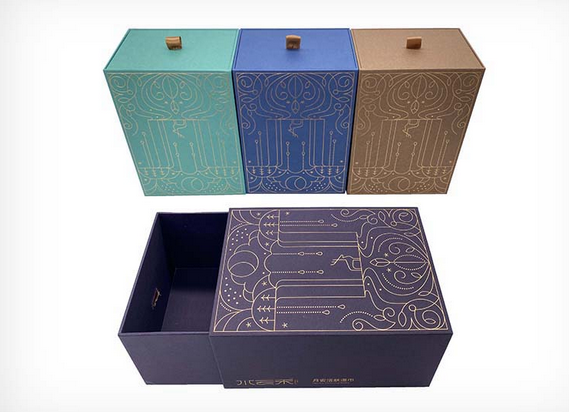
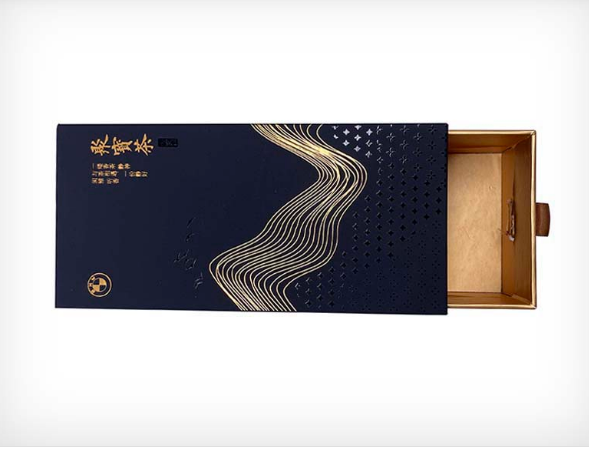
- Luxury Rigid Boxes: High-end boxes for jewelry, perfumes, or expensive electronics. These usually feature magnetic closures and “soft-touch” lamination.
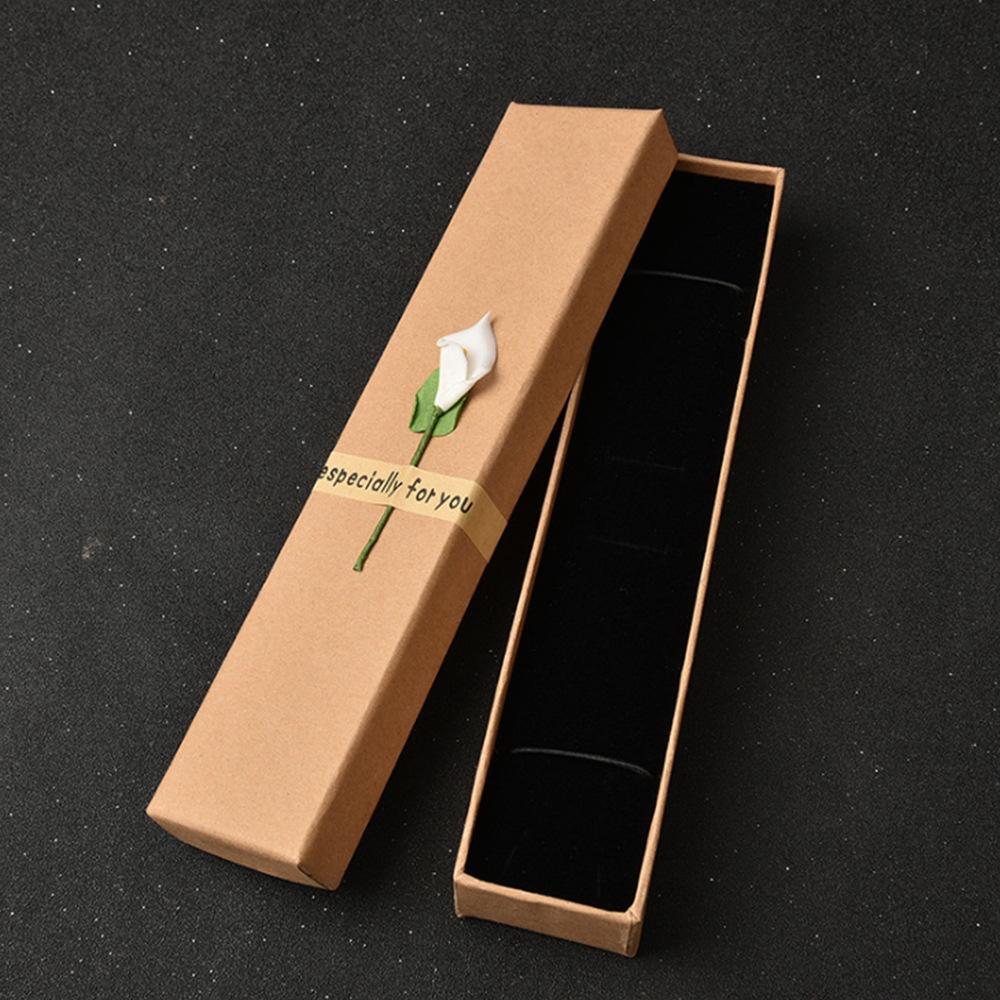
- Eco-Friendly Packaging: With Kenya’s strict ban on plastic, there is a massive opening for biodegradable, corrugated, or kraft paper gift boxes.
- Occasion-Specific Boxes: Flat-pack “pop-up” boxes for cakes, flowers, or bridesmaid “proposals.”
2. Sourcing Suppliers in China
China’s manufacturing hubs are specialized. For paper-based packaging and gift boxes, focus your search on Guangdong Province (Dongguan and Shenzhen) or Zhejiang Province (Wenzhou and Yiwu).
Pro Tip: Always request a “dummy sample” (a plain white version of your box) to check the structural integrity before paying for a full-color production run.
3. The Science of Shipping: Sea vs. Air
Gift boxes present a unique logistical challenge: Volume vs. Weight. Because boxes contain mostly air, shipping “pre-assembled” boxes is often prohibitively expensive.
Freight Options:
-
-
- Sea Freight (LCL/FCL): This is the most cost-effective method. LCL (Less than Container Load) is ideal for small businesses sharing space. FCL (Full Container Load) is best for large-scale importers.
- Transit Time: 25–35 days from Ningbo/Guangzhou to Mombasa.
- Air Freight: Only viable for high-value luxury boxes or urgent samples.
- Transit Time: 3–7 days to JKIA (Nairobi).
- Sea Freight (LCL/FCL): This is the most cost-effective method. LCL (Less than Container Load) is ideal for small businesses sharing space. FCL (Full Container Load) is best for large-scale importers.
-
The “Flat-Pack” Strategy:
To save costs, most successful importers order collapsible (foldable) boxes. By shipping them flat, you can fit five times more units into a single CBM (Cubic Meter), drastically lowering your landed cost per unit.
4. Understanding Kenya’s Import Regulations
Kenya is strict about standards. The Kenya Bureau of Standards (KEBS) oversees the quality of all imports.
The PVoC Program
Most imports require a Pre-Export Verification of Conformity (PVoC). 1. Your Chinese supplier must have the goods inspected by a KEBS-appointed agent (like SGS or Intertek) in China.
2. Upon successful inspection, you receive a Certificate of Conformity (CoC).
3. Without a CoC, you will face a 15% penalty on the CIF value and a local inspection fee upon arrival in Mombasa.
Necessary Documentation:
-
-
- Certificate of Conformity (CoC)
- Import Declaration Fee (IDF): Applied for via the Kentrade portal (usually 3.5% of the Customs Value).
- Commercial Invoice and Packing List
- Bill of Lading (for sea) or Airway Bill (for air)
-
5. Duty and Tax Calculation
Kenya’s tax regime for imports is based on the Common External Tariff (CET) of the East African Community. Gift boxes (usually categorized under paper and paperboard articles) generally attract:
|
Tax Type |
Approximate Rate |
|---|---|
|
Import Duty |
25% – 35% (Variable based on material) |
|
VAT |
16% |
|
Railway Development Levy (RDL) |
2% |
|
Import Declaration Fee (IDF) |
3.5% |
6. Overcoming Local Challenges
Port Clearance and “The Last Mile”
The Port of Mombasa is the gateway, but the Inland Container Depot (ICD) in Embakasi, Nairobi, is where many containers are cleared via the SGR (Standard Gauge Railway). Ensure you have a reliable clearing and forwarding agent to navigate the iCMS (Integrated Customs Management System).
Currency Fluctuations
The exchange rate between the Kenyan Shilling (KES) and the US Dollar (USD) can be volatile. Many importers use “forward contracts” or keep a USD buffer to ensure that price spikes don’t eat into their margins.
7. Strategic Advice for Success
- Consolidation: If you are buying from multiple suppliers in Yiwu, use a consolidator in China. They will gather all your boxes into one container, saving you multiple “minimum bill of lading” fees.
- Customization (The “Art” Factor): Don’t just import generic boxes. Use China’s advanced printing capabilities for Spot UV, Embossing, and Foil Stamping. A box that looks premium allows you to charge a significantly higher markup in the Nairobi or Mombasa markets.
- The “Green” Edge: Highlight the recyclability of your paper boxes. With Kenya’s environmental consciousness, “Eco-Friendly” is a powerful marketing tool.
Conclusion
Importing gift boxes from China to Kenya is a balance of Art (design and branding) and Science (logistics and tax compliance). By choosing foldable designs to save on freight, ensuring your CoC is ready before the ship sails, and targeting the growing niche for eco-friendly packaging, you can build a sustainable and profitable trade business.


No reply content