
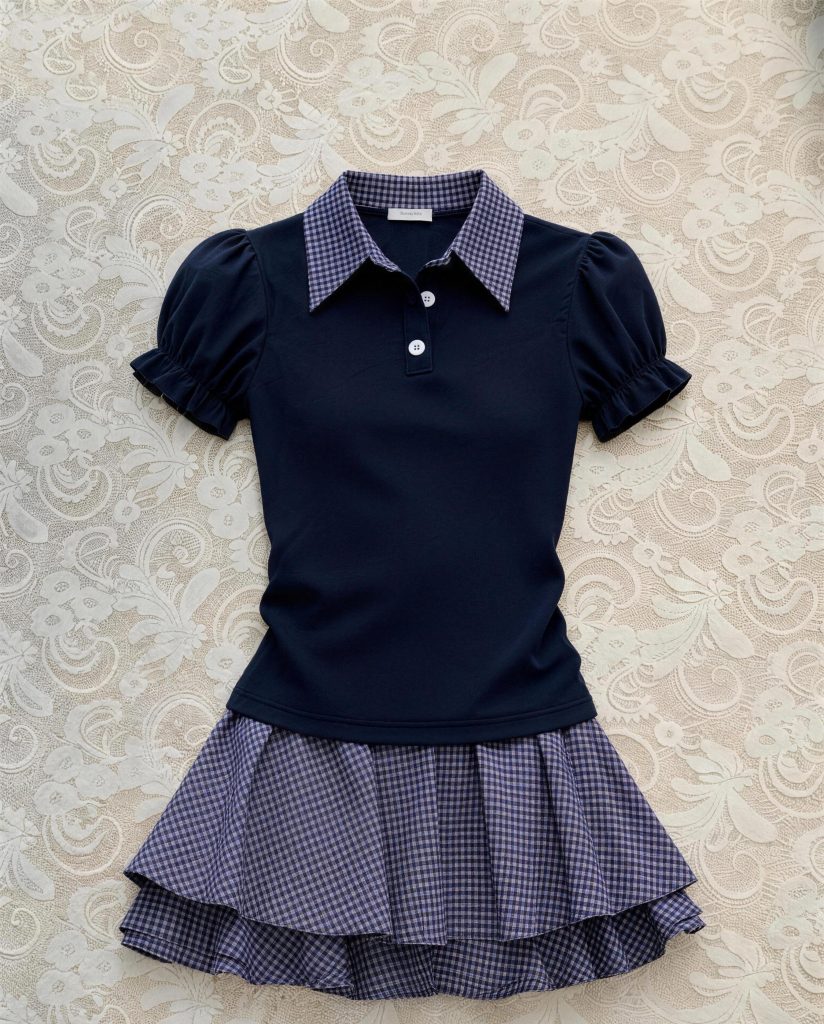
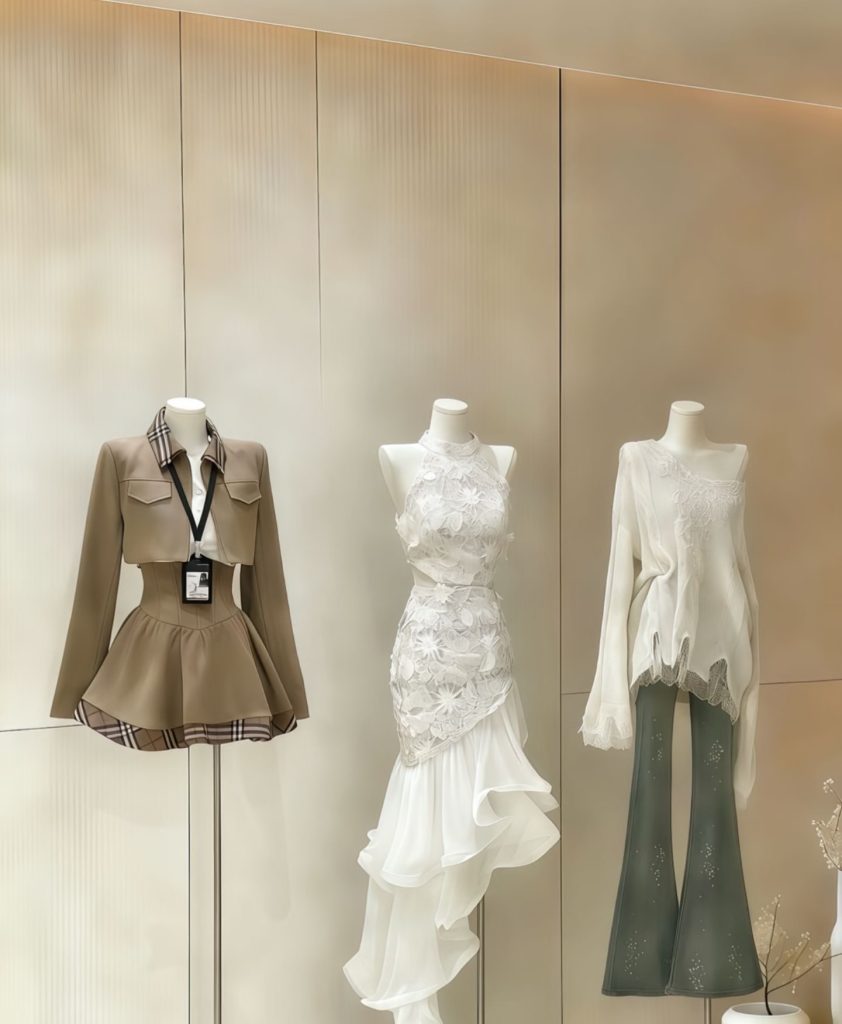
👕 Professional Clothing Export Solutions from China
China is one of the world’s largest apparel manufacturing and export centers. Businesses across the globe import clothing from Chinese factories because of the competitive pricing, strong production capacity, flexible customization, and reliable supply chains.
✔ Wide range of clothing categories available
✔ Private label and OEM manufacturing support
✔ Flexible order quantities for brands and wholesalers
✔ Global export and logistics services
Whether you are a clothing brand owner, online seller, distributor, or retail buyer, importing garments from China can help you build a profitable clothing business with high-quality products and competitive wholesale prices.
👕 Complete Guide to Importing Clothes from China for Your Business
Importing clothing from China has become a common strategy for businesses that want to offer fashionable products at competitive prices. Chinese garment manufacturers produce a wide range of apparel including casual wear, fashion clothing, sportswear, children’s clothing, and uniforms.
For buyers, understanding the import process, clothing production methods, customization options, and logistics considerations is essential before starting an apparel import business.
This comprehensive guide explains how businesses can successfully source clothing from China, work with manufacturers, and build long-term supply partnerships.
🌍 Why Many Businesses Import Clothing from China
China’s apparel manufacturing industry offers several advantages that attract global buyers.
Key benefits include:
💰 Cost-effective production
Manufacturing costs are often lower compared with many other countries, allowing businesses to maintain strong profit margins.
🏭 Large production capacity
Factories can handle both small custom orders and large wholesale production runs.
🧵 Complete textile supply chain
China has a strong network of fabric mills, accessory suppliers, dyeing facilities, and garment factories.
⚙ Advanced production technology
Many manufacturers use modern cutting machines, digital pattern systems, and automated equipment to improve efficiency.
Because of these advantages, importing clothing from China has become a popular strategy for retailers, fashion brands, and e-commerce businesses.
🏭 Types of Clothing You Can Import from China
Chinese garment factories manufacture a wide variety of apparel products.
👕 Casual Clothing
Casual clothing is one of the most popular product categories.
Examples include:
👕 T-shirts
👖 Jeans
🩳 Shorts
👔 Casual shirts
These products are widely sold by retail stores and online clothing businesses.
👗 Fashion Apparel
Fashion clothing is designed for trend-focused markets.
Typical items include:
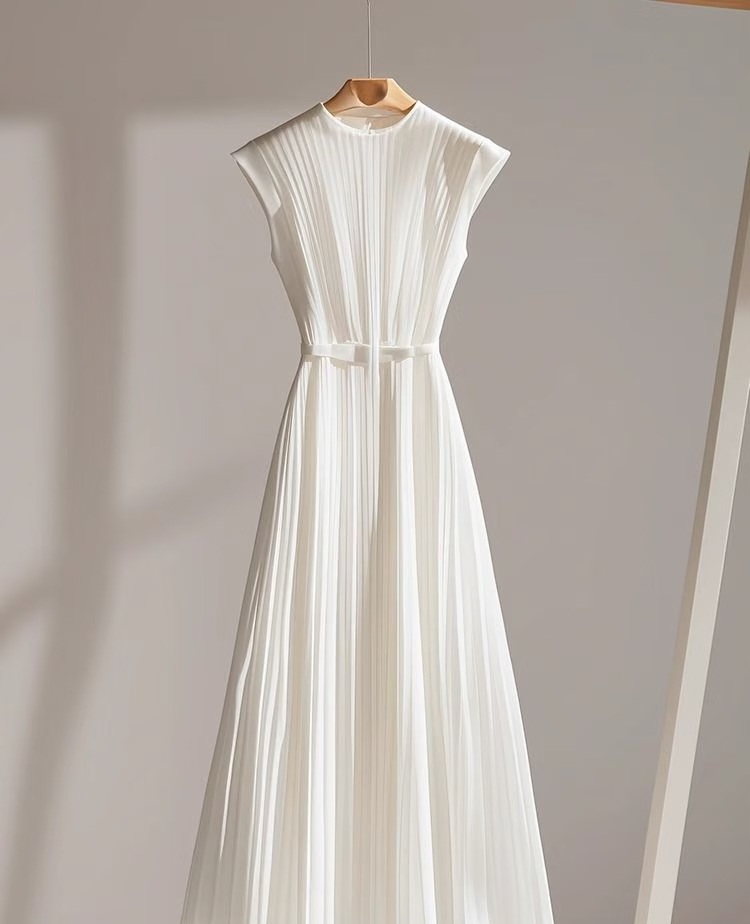
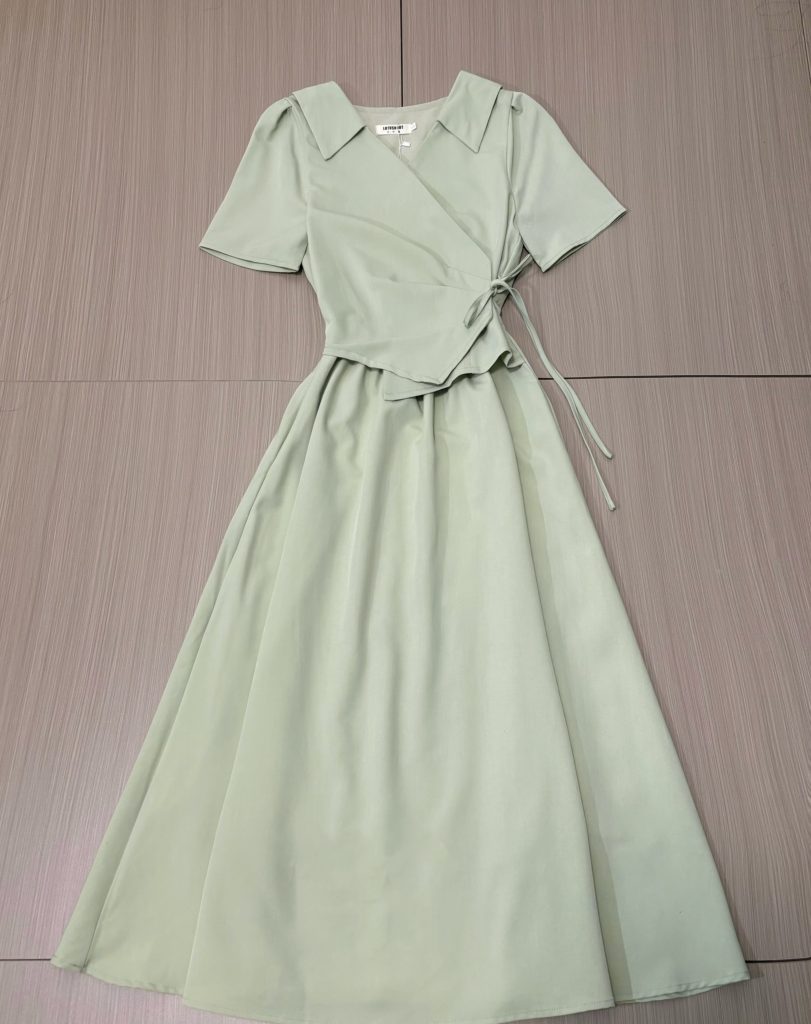
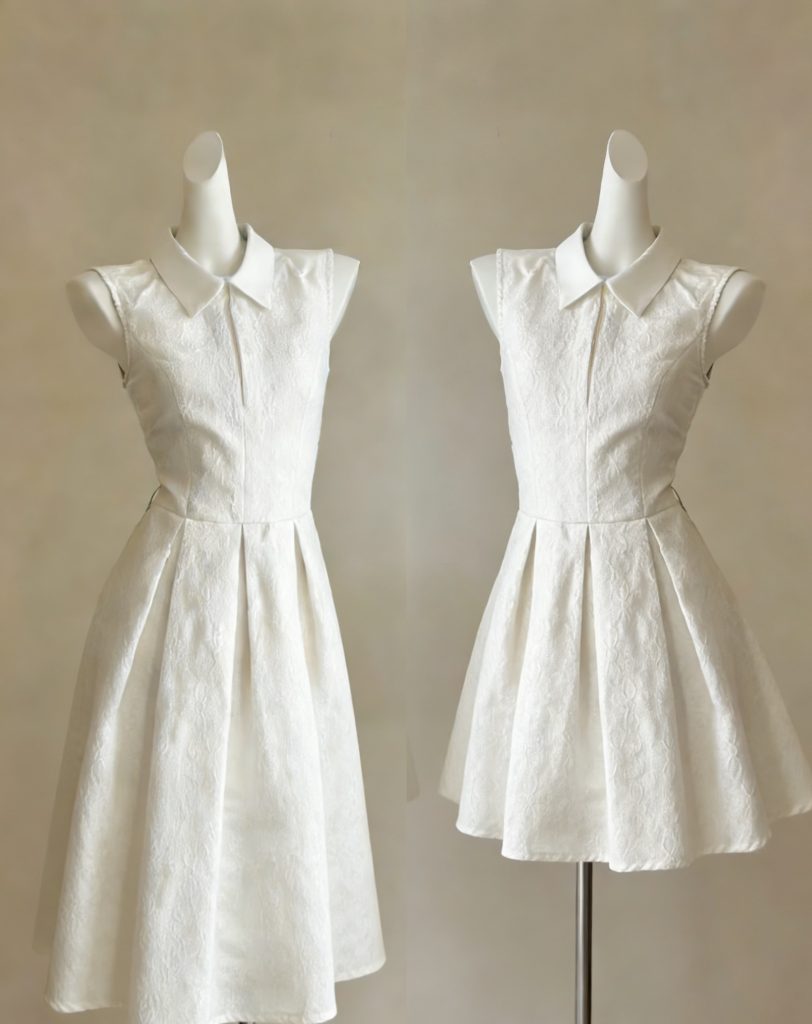
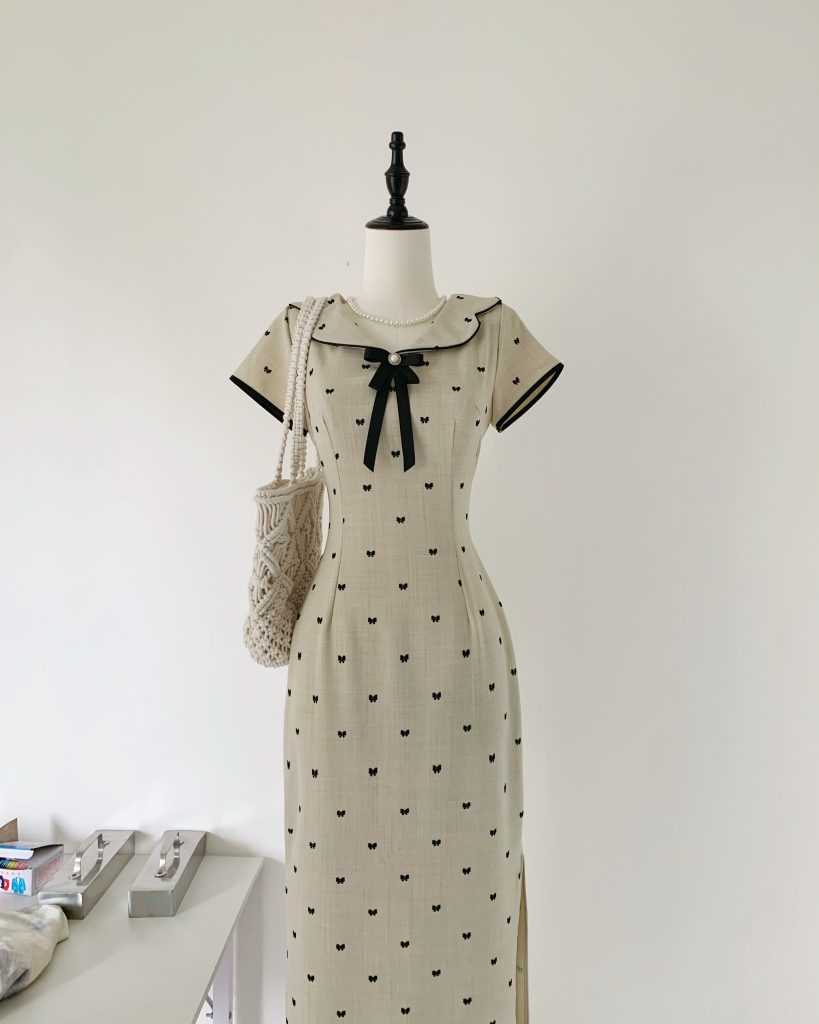
👗 Dresses
👚 Blouses
🧥 Jackets
👖 Fashion pants
Fashion retailers often import these garments to update seasonal collections.
🏃 Sportswear and Activewear
Sportswear is a rapidly growing segment of the clothing market.
Products include:
🏃 Running shirts
🧘 Yoga leggings
🚴 Cycling clothing
🏋 Gym apparel
These garments are designed using flexible fabrics and ergonomic designs.
👶 Children’s Clothing
Children’s apparel is another major import category.
Examples include:
👶 Baby clothing
🧒 Kids T-shirts
👗 Children’s dresses
🩳 Kids shorts
Parents often look for comfortable and durable clothing for children.
👔 Workwear and Uniforms
Businesses also import professional clothing for employees.
Examples include:
👔 Office uniforms
🏥 Medical clothing
🏭 Industrial workwear
🏫 School uniforms
These garments must meet quality and durability standards.
🧵 Custom Clothing Manufacturing for Private Label Brands
Many buyers import clothing from China to create their own fashion brands.
Private label manufacturing allows businesses to sell clothing under their own brand name.
Customization options include:
🎨 Custom fabric colors
🧵 Embroidery or printed logos
🏷 Brand labels and tags
📦 Custom packaging
Private label production helps companies build unique brand identities.
⚙ Step-by-Step Process of Importing Clothing from China
Understanding the import process helps buyers avoid mistakes and ensure smooth transactions.
1️⃣ Define Product Requirements
The first step is deciding what type of clothing you want to import.
Important details include:
📏 Sizes and measurements
🎨 Colors and designs
🧵 Fabric materials
📦 Packaging requirements
Clear product specifications help manufacturers provide accurate quotations.
2️⃣ Request Product Samples
Before placing a large order, buyers should request samples.
Benefits of sample testing include:
🔍 Evaluating product quality
📏 Checking sizing accuracy
🧵 Inspecting fabric and stitching
Samples help ensure the final product meets expectations.
3️⃣ Confirm Production Order
After approving the sample, buyers can place the production order.
Important details include:
📦 Order quantity
💰 Price agreement
⏱ Production timeline
Clear agreements help prevent misunderstandings.
4️⃣ Production and Quality Inspection
During production, factories manufacture the garments according to the approved sample.
Quality inspections may include:
🔍 Fabric inspection
📏 Size measurement checks
🧵 Stitching inspection
Quality control ensures the products meet required standards.
5️⃣ Packaging and Export Shipping
After production is completed, garments are packed for export.
Common packaging methods include:
📦 Individual poly bags
📦 Branded boxes
📦 Bulk export cartons
Products are then shipped to the buyer’s country via international logistics.
🚢 Shipping Methods for Importing Clothing
There are several transportation options for importing garments.
🚢 Sea Freight
Sea shipping is the most common method for large orders.
Advantages include:
📦 Lower shipping costs
🚢 Suitable for bulk cargo
✈ Air Freight
Air shipping is faster but more expensive.
Benefits include:
⚡ Quick delivery
📦 Suitable for urgent orders
🚚 Combined Logistics Services
Some suppliers offer combined logistics solutions including:
🚢 Sea shipping
🚚 Inland transportation
📦 Warehousing services
These services help simplify the global import process.
💼 Tips for Choosing a Reliable Clothing Supplier
Finding a trustworthy supplier is essential when importing clothing.
Important factors include:
✔ Manufacturing experience
✔ Product quality consistency
✔ Clear communication
✔ Flexible customization services
✔ Reliable delivery schedules
Building long-term relationships with reliable factories can help businesses maintain stable product supply.
🎨 Custom Branding Opportunities When Importing Clothing
Importing clothing from China provides opportunities to create strong brands.
Common branding options include:
🏷 Custom clothing labels
🎨 Unique logo printing
📦 Branded packaging boxes
👗 Exclusive clothing designs
These features allow businesses to differentiate themselves in competitive markets.
📈 Businesses That Benefit from Importing Clothing
Many types of businesses import clothing from China.
Examples include:
🛍 Retail clothing stores
📱 Online fashion shops
👗 Boutique fashion brands
📦 Clothing wholesalers
🌍 International distributors
With the right strategy, importing clothing can become a profitable long-term business.
🚀 Advantages of Importing Clothing from China
Working with Chinese clothing manufacturers provides several benefits.
🏭 Large production capacity
💰 Competitive pricing
🎨 Flexible customization options
📦 Professional packaging solutions
🌍 Global export experience
These advantages help businesses expand their product lines and increase profitability.
❓ FAQ – Importing Clothing from China
1. What types of clothing can I import from China?
You can import many types of apparel, including casual wear, fashion clothing, sportswear, children’s clothing, and uniforms.
2. What is the minimum order quantity?
Minimum order quantities depend on the manufacturer, but many factories offer flexible production quantities for different buyers.
3. How long does clothing production take?
Typical timelines include:
⏱ Sample development: 7–15 days
⏱ Mass production: 20–40 days
4. Can I add my own brand logo to imported clothing?
Yes. Most manufacturers support private label production with custom logos and packaging.
5. What shipping options are available?
Common shipping methods include:
🚢 Sea freight for bulk orders
✈ Air freight for urgent deliveries
6. Is importing clothing from China suitable for small businesses?
Yes. Many manufacturers support small and medium clothing businesses, including online sellers and fashion startups.
📩 Start Importing Clothing from China Today
Importing clothing from China is an effective way for businesses to access high-quality garments, competitive wholesale pricing, and flexible customization options. With the right supplier and clear product specifications, buyers can build reliable supply chains and grow their clothing businesses successfully.
Whether you are launching a new fashion brand, sourcing wholesale apparel, or expanding your online clothing store, working with experienced clothing manufacturers can help you achieve consistent quality and long-term success.
👉 Contact us today to discuss your clothing import requirements and receive product samples and quotations.


No reply content