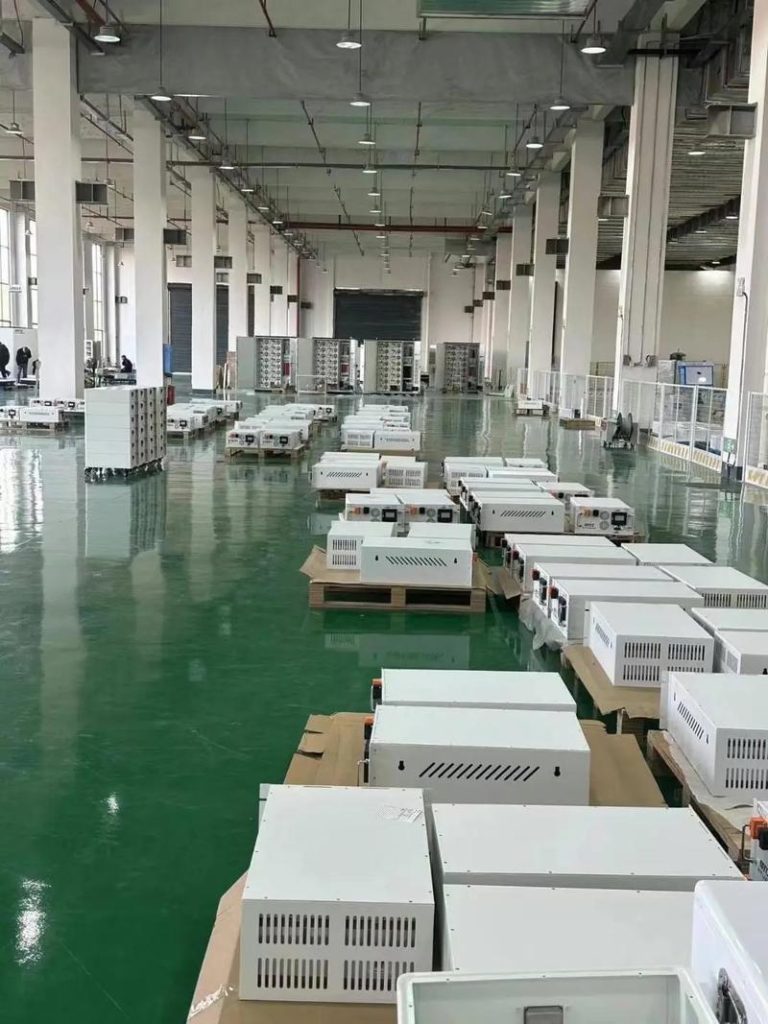
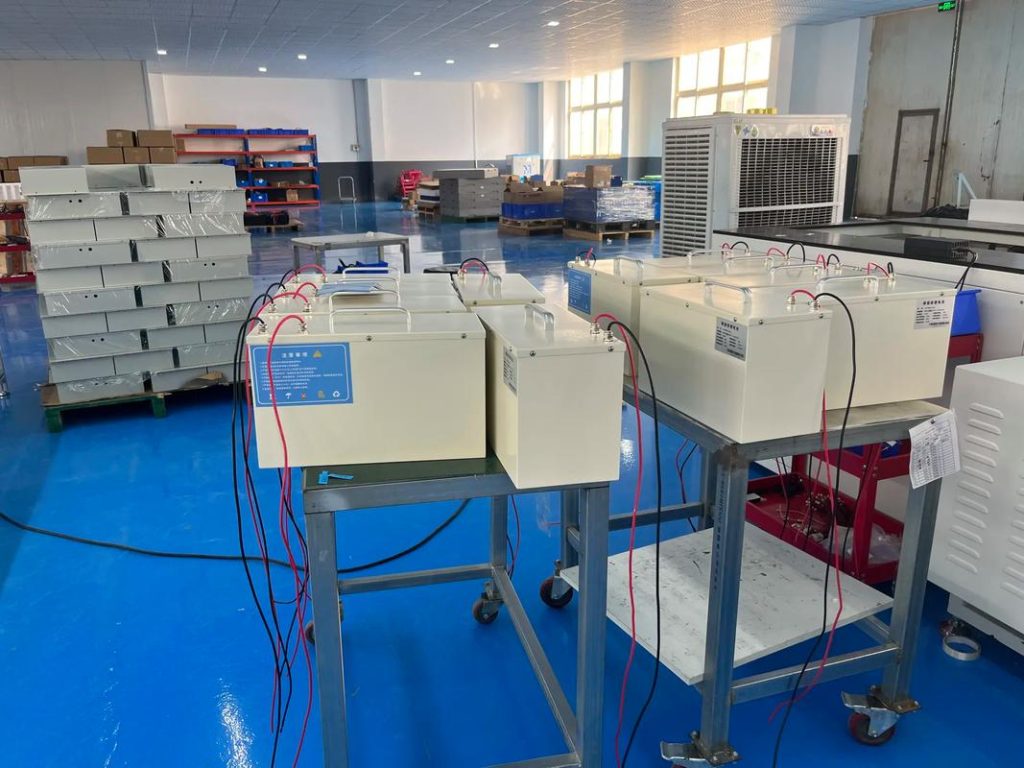
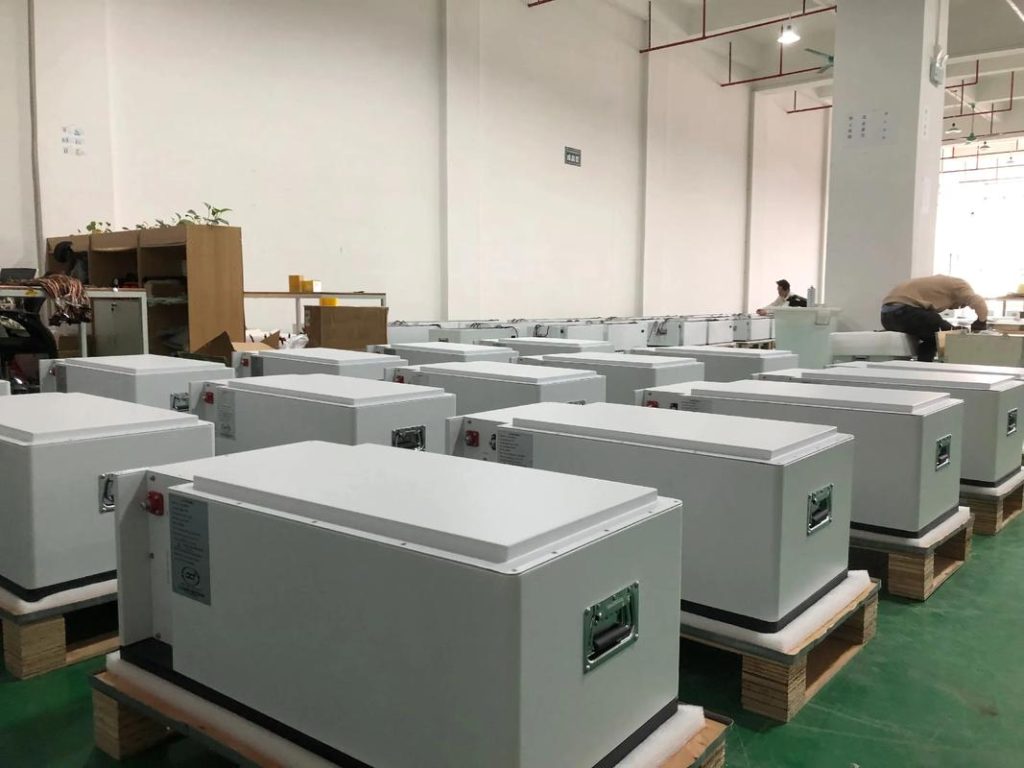
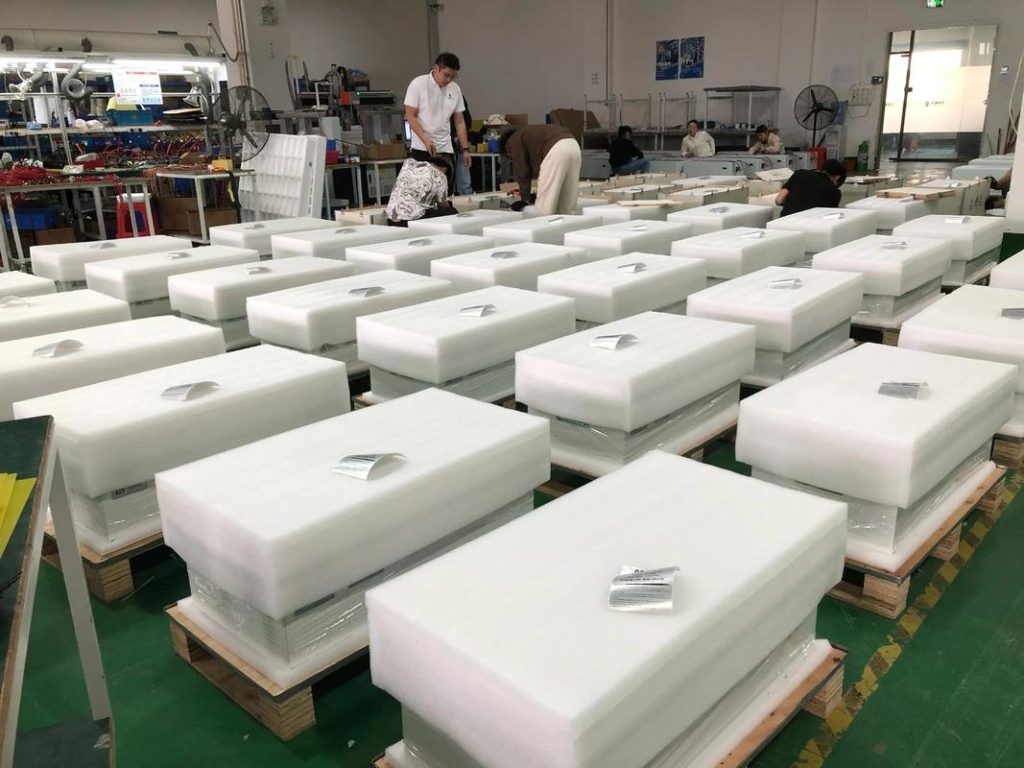
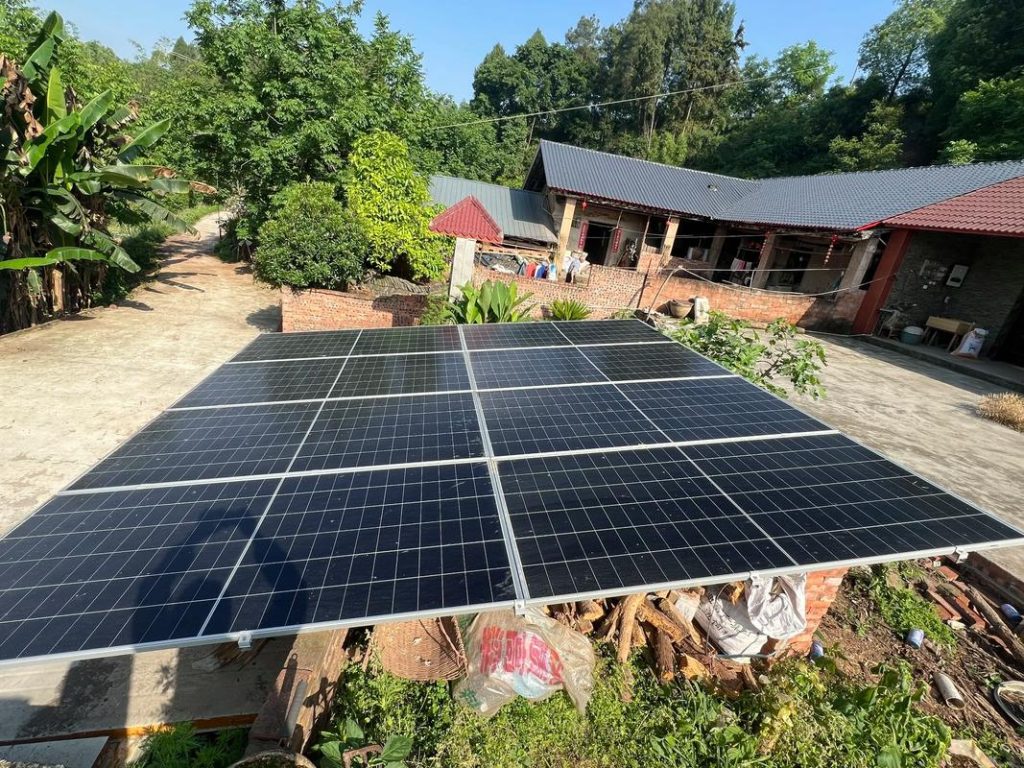
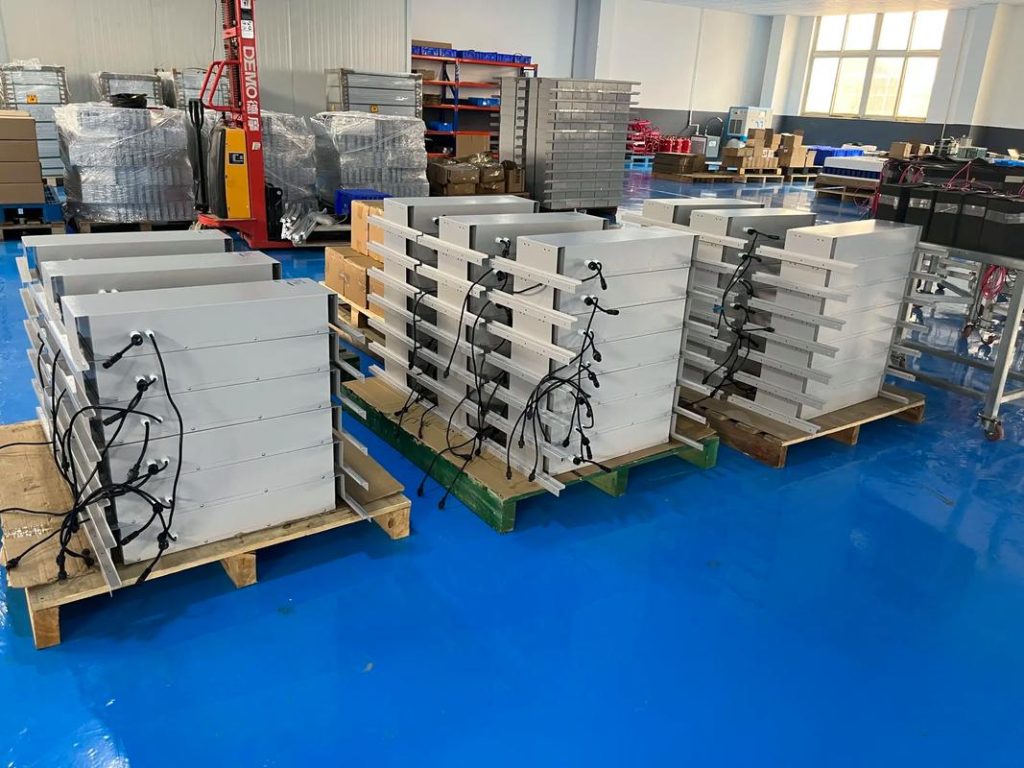
Energy storage has become a cornerstone of modern solar energy projects. For project developers, distributors, and large-scale installers, pairing solar generation with reliable battery storage enhances energy reliability, stabilizes grids, and opens opportunities for additional revenue streams. Among the most sought-after suppliers, Chinese manufacturers have emerged as global leaders in energy storage systems (ESS), providing scalable, cost-effective solutions for a wide range of applications.
This article explores how overseas buyers can strategically import energy storage systems from China, highlighting technical considerations, supplier selection, logistics, and long-term operational insights.
1. Why Energy Storage Matters
Solar generation is inherently intermittent. Without storage, energy is produced only when the sun shines, creating challenges for grid stability and energy management. Energy storage addresses these challenges by:
- Shifting energy delivery to peak demand periods
- Stabilizing voltage and frequency for commercial or industrial clients
- Enabling off-grid and hybrid solar systems
- Reducing dependency on diesel generators or unstable local grids
For investors, integrating storage improves system utilization, enhances ROI, and strengthens the attractiveness of solar projects.
2. Understanding Key ESS Components
When sourcing energy storage systems, buyers must assess both hardware and software components:
- Battery Cells: Lithium-ion (Li-ion) and lithium iron phosphate (LiFePO₄) are most common. Consider capacity, cycle life, thermal stability, and safety.
- Battery Management System (BMS): Ensures safe charging, prevents overvoltage or deep discharge, and provides monitoring data.
- Power Conversion System (PCS): Converts stored DC energy into usable AC energy and regulates grid interaction.
- Casing and Thermal Management: Protects batteries and ensures optimal operating temperature.
- Monitoring & Control Software: Enables remote diagnostics, predictive maintenance, and energy optimization.
Every component influences safety, efficiency, and long-term reliability.
3. Why Chinese ESS Manufacturers Are Preferred
Chinese factories dominate global ESS supply due to several key advantages:
- Scale: Ability to produce large volumes quickly to meet project demand.
- Flexibility: Supports both standard models and customized configurations.
- R&D Innovation: Continuous improvement in battery chemistry, BMS technology, and PCS efficiency.
- Export Experience: Familiarity with international certifications (CE, IEC, UL, ISO) and shipping regulations.
These advantages make Chinese ESS manufacturers attractive to overseas buyers seeking both high quality and competitive pricing.
4. Technical Evaluation Checklist for Buyers
Before placing an order, experienced buyers evaluate:
- Battery cycle life and warranty
- BMS functionality and safety protections
- Inverter and PCS compatibility with local grids
- Modular design for future expansion
- Remote monitoring and data integration
- Certifications for target markets
A structured technical assessment prevents mismatched components, ensures system safety, and minimizes operational disruptions.
5. Customization Considerations
Many overseas projects require tailored ESS solutions:
- Capacity sizing to match project energy load
- Voltage adjustment for grid compliance
- Modular rack configurations for space constraints
- Branding, labeling, and packaging for resale
Buyers should discuss customization early in the procurement process to align timelines, costs, and certifications.
6. Pricing Strategy: Total Cost of Ownership
Focusing solely on purchase price is a common mistake. Total cost of ownership includes:
- Shipping and import duties
- Installation and commissioning costs
- Maintenance and spare parts
- Efficiency losses over the system lifetime
- Safety risk mitigation
A slightly higher upfront price may deliver better ROI through longer lifespan, higher efficiency, and lower maintenance requirements.
7. Logistics and Shipping Challenges
Energy storage systems are heavy, sensitive, and sometimes classified as dangerous goods. Buyers must ensure:
- Proper packaging for mechanical and thermal protection
- Compliance with IATA and IMO rules for lithium batteries
- Complete and accurate customs documentation
- Sea, air, or multimodal shipping strategies to minimize delays
Reliable logistics planning protects project schedules and prevents costly damages.
8. Compliance and Certification
Every target market has specific regulatory requirements. For ESS, certifications often required include:
- CE / IEC / UN38.3 for battery transport and safety
- Grid connection compliance for PCS / inverters
- ISO 9001 and ISO 14001 for quality and environmental management
Buying from a certified Chinese manufacturer simplifies market entry and financing approval.
9. Long-Term After-Sales Support
A successful ESS deployment relies on long-term service:
- Remote monitoring and troubleshooting
- Firmware updates and performance optimization
- Spare parts availability and replacements
- Warranty enforcement procedures
Factories that provide structured after-sales support reduce operational risks for buyers.
10. Lessons from Experienced Buyers
Importing ESS is not just about cost; it is about reliability, scalability, and safety. Key lessons include:
- Verify technical specifications with independent testing if possible
- Check supplier references and export track record
- Plan for customs, shipping, and installation well in advance
- Treat ESS as a long-term asset, not a one-off purchase
Applying these lessons minimizes risk and maximizes project success.
11. Strategic Sourcing for Portfolio Projects
Large-scale solar developers and distributors often source multiple ESS units across different projects. Benefits of strategic sourcing include:
- Standardized system components for easier maintenance
- Volume discounts and favorable lead times
- Stronger supplier partnerships for long-term collaboration
- Faster deployment and replication of proven designs
China’s manufacturing ecosystem supports these strategic procurement models.
Conclusion
Energy storage systems are a critical component of modern solar energy projects. For overseas buyers, sourcing ESS from China offers unmatched scale, technical sophistication, and export expertise. Success depends on structured technical evaluation, regulatory compliance, logistics planning, and long-term supplier collaboration.
When approached strategically, importing Chinese ESS enables reliable, cost-effective solar-plus-storage systems that maximize energy utilization, investment returns, and operational reliability for years to come.


No reply content