

 Importing gift boxes from China to Belgium requires careful planning, understanding of customs regulations, and selection of reliable suppliers. Businesses benefit from competitive pricing, product customization, and scalable solutions while ensuring compliance with EU standards for quality, safety, and import duties for smooth operations and profitable trade.
1. Introduction to Importing Gift Boxes
Gift boxes are essential packaging solutions for retail, corporate gifting, and special occasions. Importing them from China has become a popular option due to cost efficiency, design variety, and manufacturing expertise.
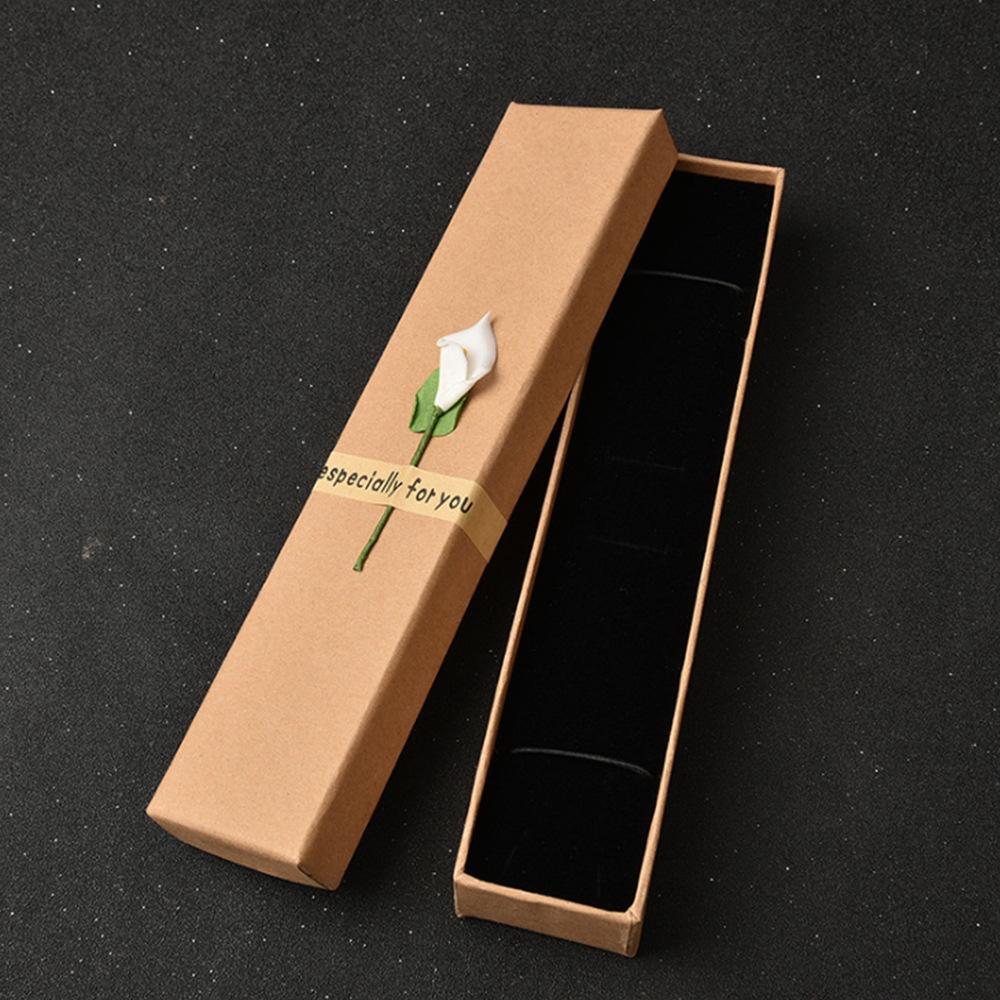
Chinese suppliers offer a wide range of gift boxes including cardboard boxes, rigid boxes, luxury packaging, custom-printed designs, and eco-friendly options. Importers in Belgium can leverage this manufacturing capacity to supply retailers, e-commerce platforms, and corporate clients with attractive and high-quality packaging solutions.
Key advantages include:
- Cost Savings: Lower production costs in China allow competitive pricing in Belgium.
- Customization Options: Logos, colors, sizes, and materials tailored to brand needs.
- Scalability: Ability to place bulk orders or small test batches depending on market demand.
- Variety: Access to innovative designs, finishes, and materials not always available locally.
2. Factors Affecting Costs
Pricing for gift boxes depends on multiple factors:
- Material Type: Cardboard, kraft, rigid boxes, and eco-friendly materials vary in price.
- Box Size and Structure: Larger boxes or multi-layered designs increase costs.
- Printing and Finishing: Logos, embossing, foil stamping, or lamination add value.
- Quantity Ordered: Bulk orders significantly reduce per-unit costs.
- Shipping and Duties: International shipping, import duties, and taxes impact total landed cost.
- Customization Complexity: Unique designs or prototypes require additional engineering and setup costs.
Understanding these factors helps businesses accurately calculate budgets and make informed sourcing decisions.
3. Choosing the Right Supplier in China
Selecting a reliable supplier is critical for quality and timely delivery. Key considerations include:
- Experience and Reputation: Established suppliers with a track record in international shipping.
- Quality Control: On-site inspections and product certifications to ensure EU compliance.
- Customization Capabilities: Ability to produce branded or bespoke designs.
- Production Capacity: Sufficient capacity to handle bulk orders or seasonal spikes.
- Communication and Transparency: Clear timelines, pricing, and shipping terms.
Tools like factory audits, supplier references, and product samples are essential before placing bulk orders.
4. Types of Gift Boxes
a. Cardboard Gift Boxes
- Lightweight and affordable, ideal for small products.
- Can be printed, laminated, or coated with different textures.
- Popular for retail packaging and promotional products.
b. Rigid Gift Boxes
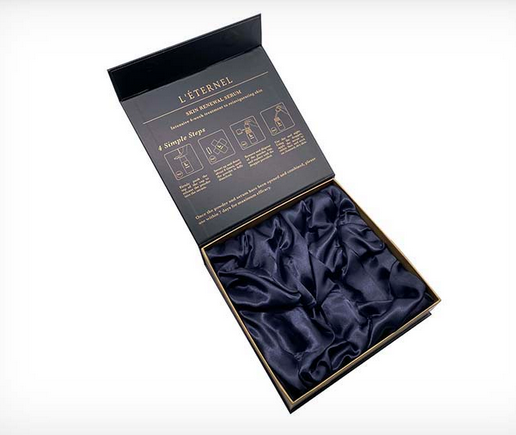
- Sturdy construction with high-quality finishes.
- Suitable for luxury goods, jewelry, and corporate gifts.
- Often include magnetic closures, foam inserts, or custom compartments.
c. Foldable and Collapsible Boxes
- Convenient for shipping and storage.
- Reduce space during transportation and warehouse storage.
- Can be customized with logos and branding.
d. Eco-Friendly Gift Boxes
- Made from recycled or biodegradable materials.
- Increasingly demanded in European markets for sustainability compliance.
- Can include soy-based inks, recycled paper, and compostable finishes.
5. Import Process Overview
Importing gift boxes from China to Belgium involves several key steps:
- Sourcing and Supplier Selection: Identify reliable factories and negotiate prices.
- Prototyping and Sample Approval: Test designs, materials, and print quality before mass production.
- Order Placement and Production: Confirm quantities, production timeline, and quality requirements.
- Shipping Arrangements: Choose air, sea, or express freight depending on urgency and budget.
- Customs Clearance in Belgium: Ensure compliance with EU import regulations, VAT, and product labeling.
- Delivery to Warehouse or Retail Outlet: Manage logistics for final delivery.
Following this structured process minimizes risks and ensures timely delivery of high-quality products.
6. Shipping Methods and Considerations
a. Sea Freight
- Cost-effective for bulk orders.
- Transit time typically 25–40 days from China to Belgium ports.
- Requires careful packaging to prevent damage during handling.
b. Air Freight
- Faster option, usually 5–10 days.
- More expensive than sea freight.
- Ideal for smaller or high-value shipments.
c. Express Courier
- Options like DHL, UPS, FedEx for urgent shipments.
- Suitable for small quantities or samples.
- Higher cost per unit compared to bulk sea freight.
Shipping choice affects total cost, delivery timelines, and inventory planning.
7. Customs, Taxes, and Import Duties
Gift boxes imported to Belgium must comply with EU regulations:
- HS Codes: Classify products accurately for customs clearance.
- Import VAT: Generally 21% for Belgium on the total landed cost.
- Customs Duties: Depending on materials and trade agreements.
- Documentation: Commercial invoice, packing list, bill of lading, and certificate of origin.
- Product Safety Standards: Ensure ink, adhesives, and materials comply with EU standards.
Proper documentation and compliance prevent delays and penalties at customs.
8. Packaging and Labeling Requirements
EU regulations require clear labeling on imported products:
- Manufacturer Information: Name, address, and contact details.
- Material Description: Cardboard, paper, or other materials used.
- Recycling and Disposal Information: Compliance with EU recycling directives.
- Safety and Compliance Marks: If applicable for food-contact boxes or gift sets.
Correct labeling ensures smooth customs clearance and reduces legal risks.
9. Cost-Saving Tips
- Order in Bulk: Reduces per-unit cost and shipping expenses.
- Standardize Designs: Reuse templates to lower printing setup costs.
- Negotiate Freight Terms: FOB (Free On Board) or CIF (Cost, Insurance, Freight) options.
- Optimize Packaging: Reduce weight and volume to save on shipping.
- Use Reliable Forwarders: Experienced freight forwarders help prevent delays and hidden charges.
Implementing these strategies ensures efficient and cost-effective import operations.
10. Trends in Gift Box Imports
- Eco-Friendly Packaging: Sustainable and biodegradable materials gain popularity.
- Luxury and Premium Designs: Increased demand for high-end gift boxes with foil, embossing, and custom inserts.
- Digital Printing: Fast and flexible customization for seasonal or promotional campaigns.
- Cross-Border E-Commerce: Rising demand for online retail packaging solutions.
- Modular and Collapsible Designs: Optimize shipping efficiency and reduce storage costs.
Suppliers adapting to these trends meet growing expectations from European importers and end-users.
11. FAQ – Importing Gift Boxes from China to Belgium
Q1: How long does it take to import gift boxes from China to Belgium?
A1: Transit time varies by shipping method: sea freight (25–40 days), air freight (5–10 days), express courier (3–7 days).
Q2: Can I order custom-printed gift boxes in small quantities?
A2: Yes, most suppliers allow small-batch orders, though per-unit costs may be higher.
Q3: What documents are required for customs clearance in Belgium?
A3: Commercial invoice, packing list, bill of lading, certificate of origin, and accurate HS code classification.
Q4: Are there restrictions on materials used in gift boxes?
A4: Materials must comply with EU regulations, especially for food-contact boxes or chemical safety standards.
Q5: How can I reduce shipping costs?
A5: Use sea freight for bulk orders, optimize packaging volume, and consolidate shipments.
Q6: Do suppliers in China provide samples before mass production?
A6: Yes, reputable suppliers offer samples to ensure design, print quality, and material meet expectations.
Q7: Are there import duties on gift boxes in Belgium?
A7: Duties depend on material type and classification; import VAT is typically 21% of the landed cost.


No reply content