
Power Strip Supplier in China
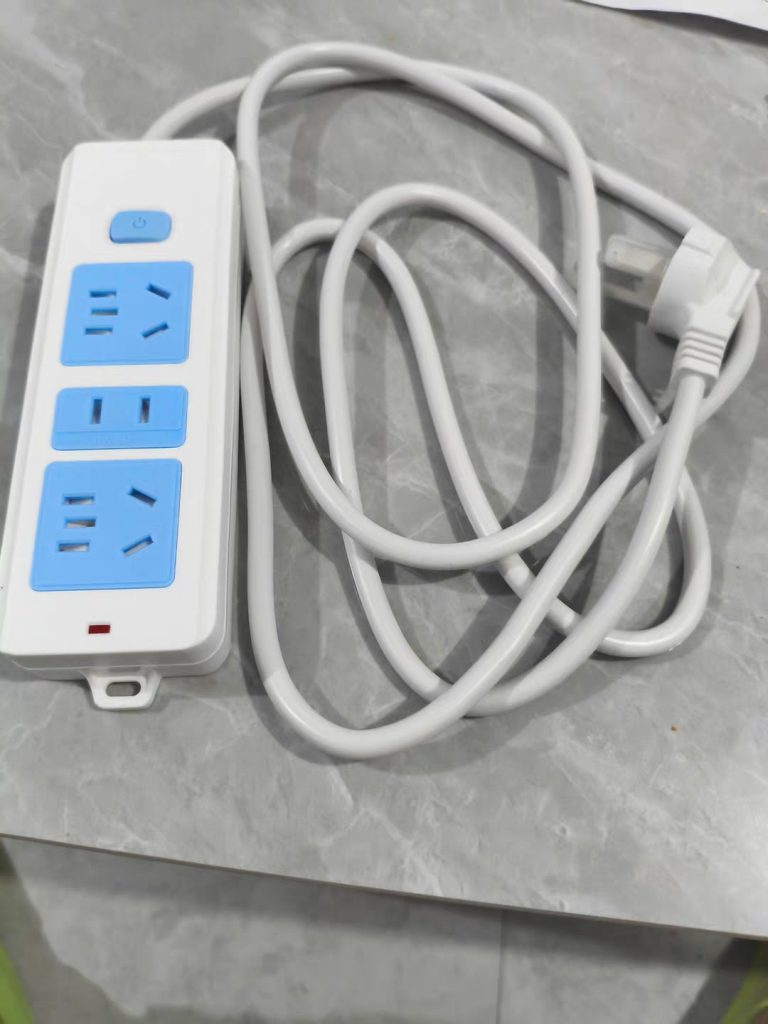
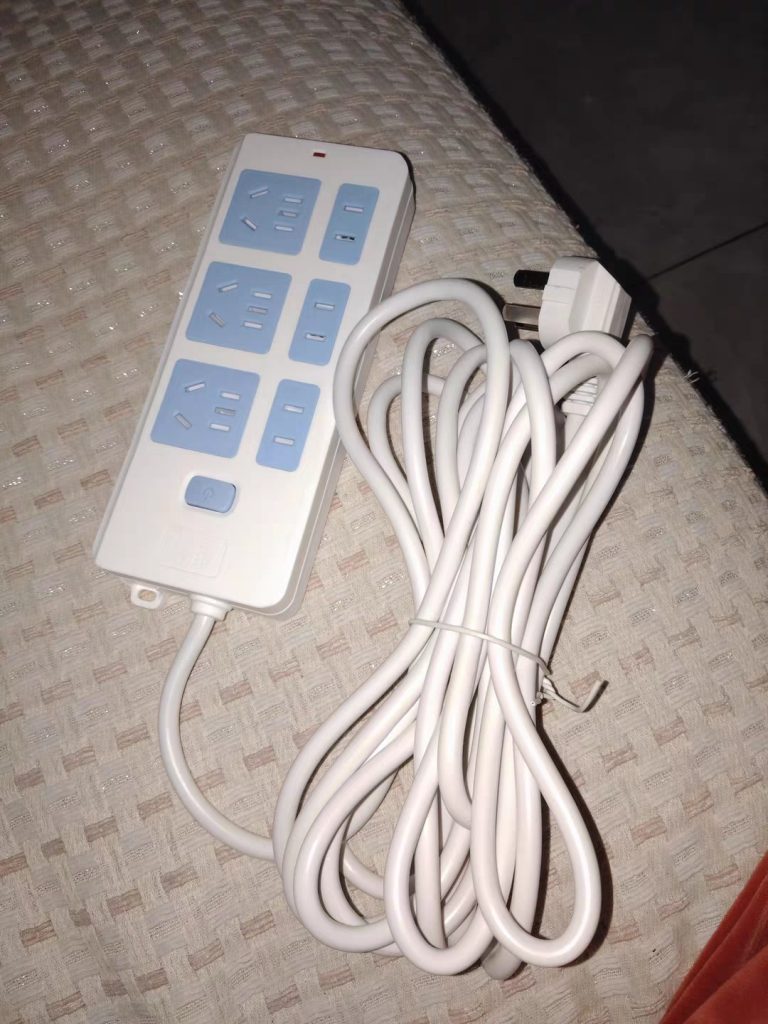
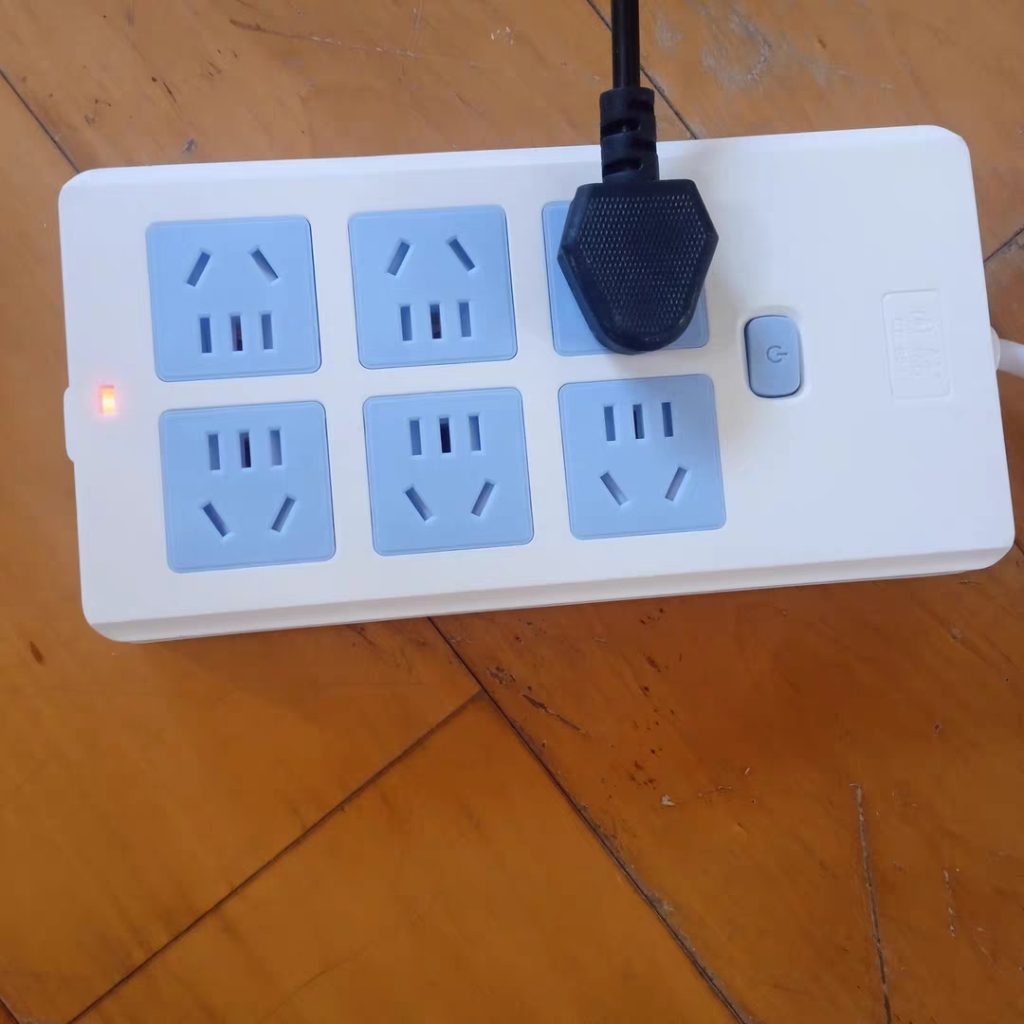
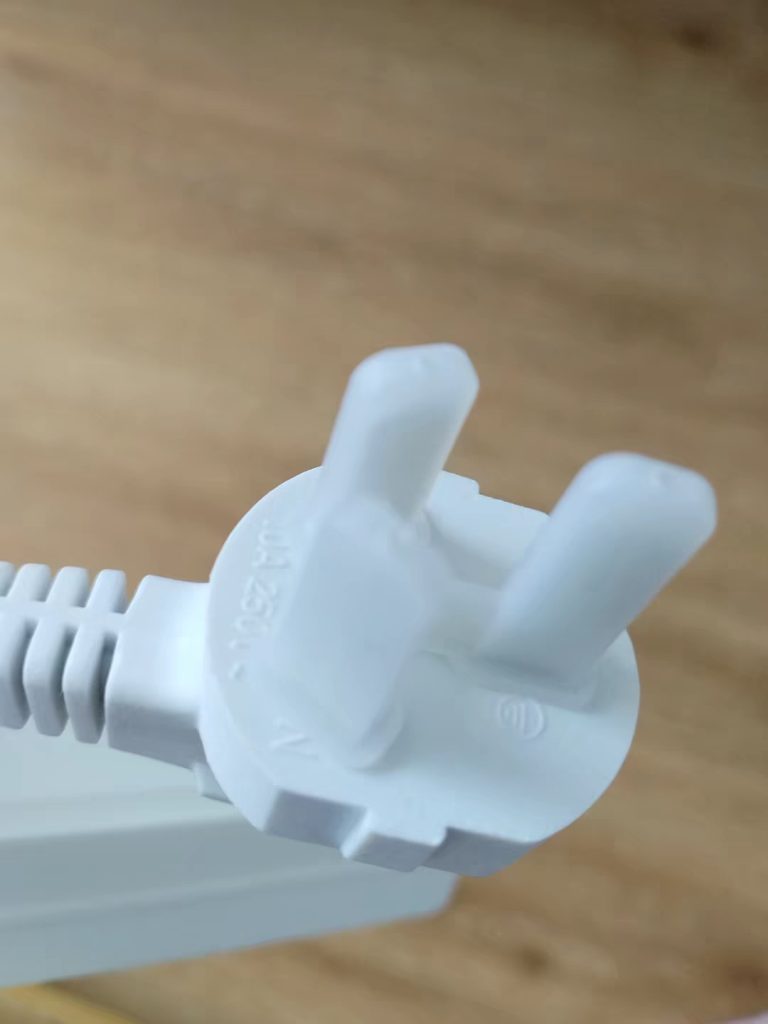
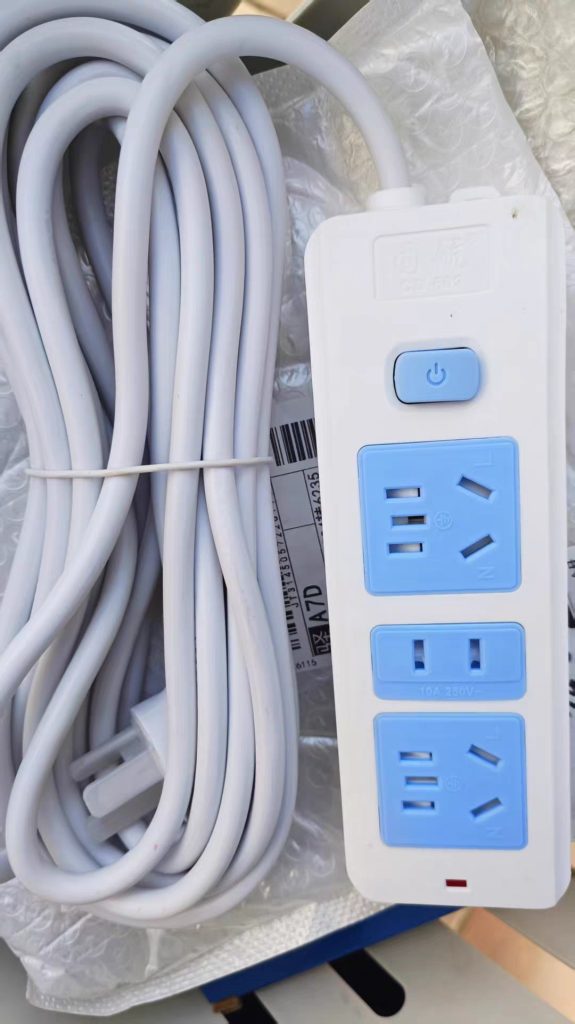
Importing power strips from China isn’t just a transaction—it’s a supply chain operation. Between electrical safety laws, customs clearance, and the risk of silent specification changes, the difference between a smooth program and a costly mess usually comes down to how you structure the import process itself. This guide walks through the actual workflow, based on how experienced buyers run it today.
1) Before You Even Contact a Supplier
Most failed imports start here: buyers jump into quoting before defining market, compliance, and product architecture.
Define these first:
-
Target market(s): US, EU, UK, Australia, Middle East, etc. (Each has its own safety and labeling regime.)
-
Product class: Basic extension strip, surge-protected unit, USB-C PD integrated model, or furniture-mounted power module.
-
Compliance ownership: Will the supplier provide full certification, or will you handle it locally? (Most serious importers insist the supplier owns it.)
-
Volume profile: Annual forecast, seasonality, and whether you need multiple SKUs (cord lengths, outlet counts, packaging types).
Without this, suppliers will quote you their “standard export version,” which often means the cheapest configuration that can leave China—not the one that can legally enter your country.
2) Supplier Mapping: Who Actually Makes the Product
In China, power strip production is clustered, not scattered:
-
Zhejiang cluster (Ningbo, Wenzhou, Yueqing, Cixi): Heavy concentration of socket, switch, and cord-set manufacturers with deep component ecosystems.
-
Guangdong cluster (Dongguan, Shenzhen, Foshan): Strong in tooling, injection molding, electronics integration (USB/PD modules), and higher-end OEM/ODM programs.
When screening:
-
Prefer manufacturers with in-house tooling and testing over pure trading resellers.
-
Ask for factory photos of production lines, not just office shots.
-
Verify they have experience exporting to your specific region—don’t assume “we export worldwide” equals “we understand your market’s rules.”
3) The Quotation Trap (and How to Avoid It)
Cheap quotes usually hide one of three things:
-
Down-speced materials (thinner copper, lower-grade plastics, smaller MOVs).
-
Missing compliance costs (certificates photocopied from other models).
-
No post-sales accountability (no batch tracking, no recall plan).
A professional quotation should include:
-
Itemized BOM highlights: Housing material (e.g., V-0 PC/ABS), cord gauge/length, plug type, breaker/MOV specs.
-
Certification details: Standard numbers (e.g., UL 1363, UL 1449, CE LVD/EMC), cert holder, and model alignment.
-
Tooling & mold ownership: Especially important if you commission custom housings.
-
FOB/EXW terms and Incoterms clarity.
4) Prototyping: Where You Catch 90% of Problems
Never skip prototypes. A proper prototype phase includes:
-
Mechanical fit checks: Outlet spacing, mounting options, cord strain relief.
-
Electrical validation: Breaker trip behavior, ground continuity, USB-C PD output stability.
-
Thermal behavior: Run the strip at rated load for several hours and measure temperature rise at plugs, sockets, and cord entry.
Even without a lab, you can learn a lot:
-
Does the housing warp slightly under load?
-
Do plugs fit tightly but insert/remove cleanly?
-
Does the breaker feel solid—not loose or overly stiff?
If the prototype feels cheap, production will almost certainly be worse.
5) Compliance & Documentation: The Non-Negotiable Layer
Customs officers, insurers, and e-commerce platforms don’t care about your invoice—they care about proof.
At minimum, secure:
-
Test reports tied to your exact model number and revision.
-
Certificate copies showing valid status (not expired, not borrowed).
-
Rating label artwork matching the certified configuration.
-
Declaration of Conformity (DoC) and, for CE, the technical file.
Store these securely. If a shipment is challenged at customs, you’ll need them within days—not weeks.
6) Production & Quality Control
Once tooling and samples are locked:
-
Freeze the BOM and revision number. No silent substitutions.
-
Require 100% electrical safety testing (hipot, ground continuity, polarity checks).
-
Add AQL inspections for appearance, function, and labeling accuracy.
-
For larger programs, schedule random teardown audits once or twice a year to confirm internal components match the certified spec.
Many import failures trace back to “spec creep”—where a supplier quietly swaps a $0.02 component to protect margin, breaking compliance in the process.
7) Logistics & Customs Clearance
Key logistics realities:
-
Power strips are heavy per cubic meter, so sea freight dominates unless you’re air-shipping urgent samples.
-
Proper HS codes matter. Misclassification can trigger customs holds or unexpected duties.
-
Labels and manuals must match the destination market language and legal requirements.
Work with a freight forwarder who has handled electrical goods before, not just general cargo.
8) After-Sales & Recall Preparedness
Even with perfect planning, issues happen. Responsible importers:
-
Maintain batch/lot traceability so faulty units can be isolated.
-
Keep spare parts or replacement stock for quick response.
-
Have a recall communication plan ready (especially for US/EU retailers).
If your supplier can’t explain how they track production batches, you’re exposed.
FAQ (Importer-Focused, Experience-Based)
Q1: How long does it realistically take from RFQ to landed inventory?
For an existing tooling/private-label project: ~8–12 weeks including sampling, pilot run, mass production, and sea freight. Custom tooling adds 3–6 weeks for mold development and trial runs.
Q2: What’s the biggest mistake first-time importers make?
Focusing only on unit price and ignoring certification integrity. A $0.40 cheaper strip without proper surge protection or correct cord gauge can cost thousands later in returns, fines, or lost retailer trust.
Q3: Can I consolidate power strips with other goods in one container?
Yes, but keep them well separated and clearly labeled. Some forwarders treat electrical goods with extra scrutiny, especially if lithium batteries or smart features are involved.
Q4: How do I verify a supplier isn’t using fake certificates?
Cross-check certificate numbers directly with the issuing organization (UL, Intertek, TÜV, etc.). Also compare the model number, ratings, and label layout on the certificate with what the supplier plans to ship.
Q5: Are USB-C power strips more complicated to import?
Yes. They add EMC considerations, USB-IF–related expectations in some markets, and thermal management challenges. Expect longer validation cycles and stricter testing.
Q6: What’s a healthy payment term structure?
Common practice: 30% deposit to start production, 70% balance against inspection pass or before shipment. Avoid full upfront payments, especially with new suppliers.


No reply content