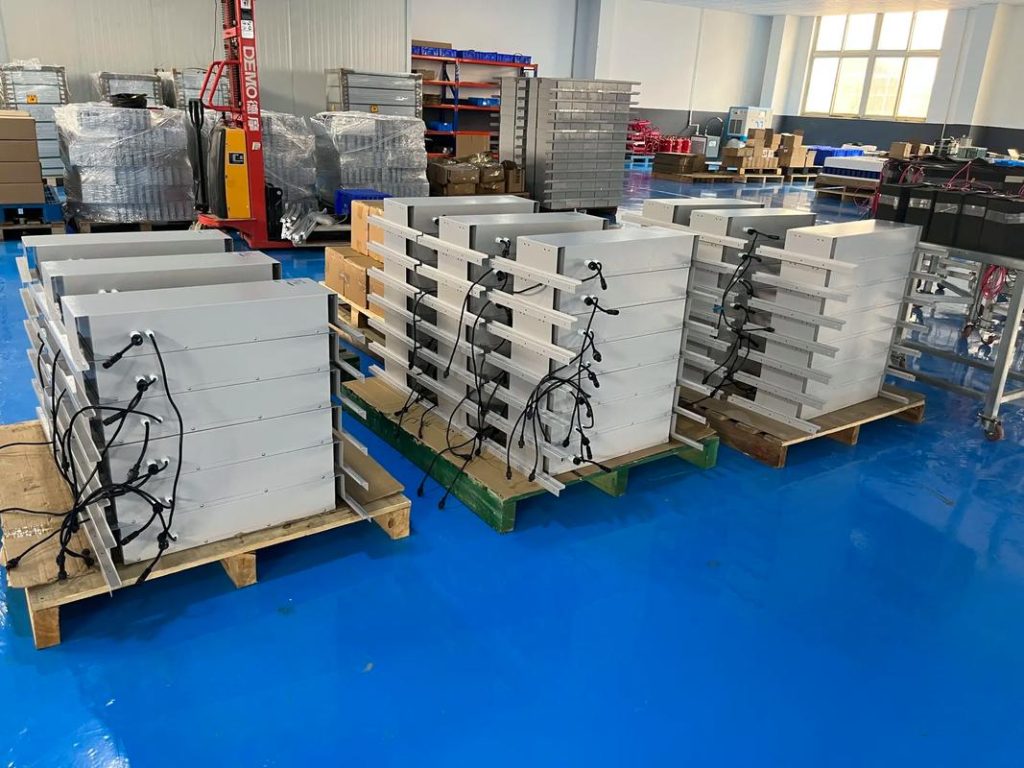
Over the past decade, solar energy has moved from an “alternative option” to a mainstream power solution across residential, commercial, and industrial sectors. Rising electricity costs, unstable energy supplies, and global sustainability goals have pushed buyers to seek reliable solar power systems at competitive prices. For many importers, distributors, EPC contractors, and energy project developers, China has become the primary sourcing destination for solar power equipment.
However, importing solar equipment from China is not simply about finding the lowest price. It requires a clear understanding of product categories, manufacturing standards, quality control, logistics planning, and long-term after-sales considerations. Buyers who treat solar equipment as a long-term investment rather than a one-time purchase tend to achieve far better results.
This article provides a practical, experience-based guide to importing solar power equipment from China, helping buyers reduce risks, control costs, and build stable supply relationships.
Why China Dominates the Global Solar Supply Chain
China’s leadership in the solar industry is the result of long-term industrial planning, manufacturing scale, and supply chain integration. Today, China produces the majority of the world’s solar panels, lithium batteries, inverters, and energy storage components.
Several factors explain this dominance:
First, China has a complete upstream-to-downstream ecosystem. From silicon processing and battery cells to aluminum frames, BMS systems, and power electronics, most components can be sourced domestically, reducing dependency on external suppliers.
Second, manufacturing scale allows factories to continuously optimize production costs. High-volume output reduces unit costs without necessarily sacrificing quality, especially for factories supplying international markets.
Third, Chinese manufacturers are highly adaptive. They quickly adjust product designs to meet different grid standards, voltage requirements, and certification needs across Europe, North America, Africa, the Middle East, and Southeast Asia.
For buyers, this means access to a wide range of solar solutions—from basic off-grid kits to complex grid-tied and hybrid energy storage systems.
Understanding Solar Equipment Categories Before Importing
One of the most common mistakes new buyers make is treating solar power equipment as a single product. In reality, it is a system composed of multiple components, each requiring careful selection.
Solar Panels
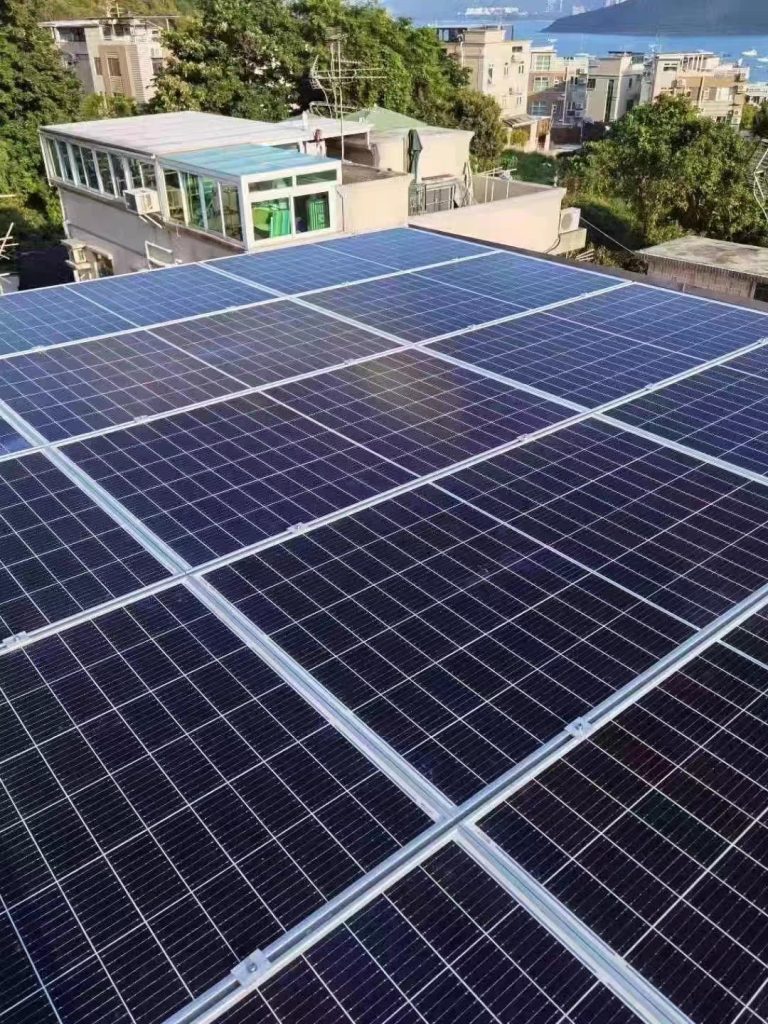
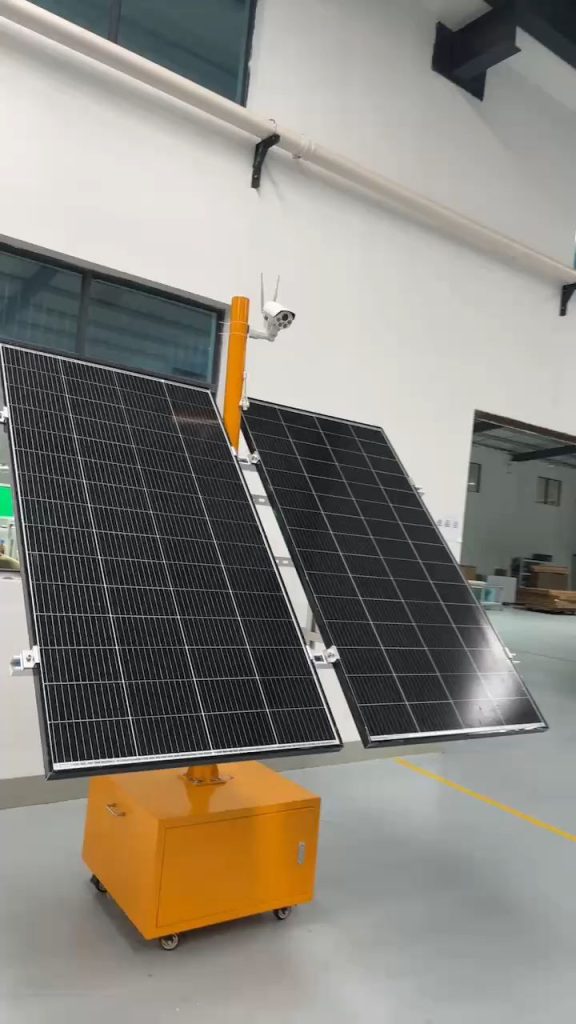
Solar panels are the most visible part of the system, but not all panels are suitable for every project. Buyers must consider wattage range, efficiency, panel size, degradation rate, and climate compatibility.
Panels designed for high-temperature regions differ from those optimized for low-light conditions. Importers should also confirm whether panels are intended for residential rooftops, ground-mounted farms, or portable applications.
Inverters
Inverters convert DC electricity into usable AC power. Choosing the wrong inverter type can compromise system performance.
Common inverter types include:
- Grid-tied inverters
- Off-grid inverters
- Hybrid inverters (grid + battery compatible)
Each market has specific grid codes and protection requirements. Importers must ensure inverter specifications align with local regulations.
Energy Storage Systems
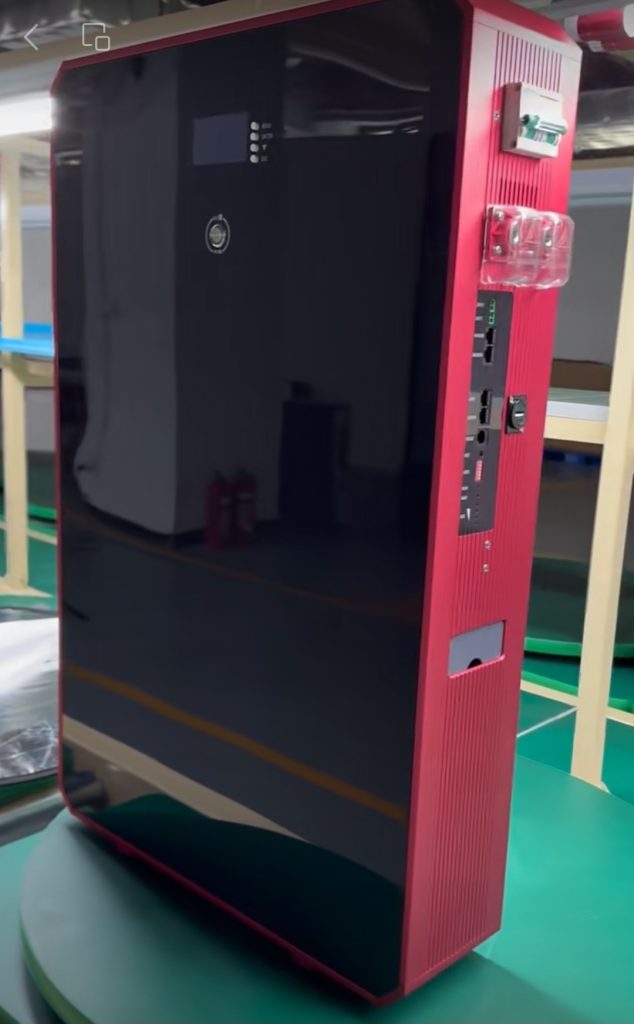
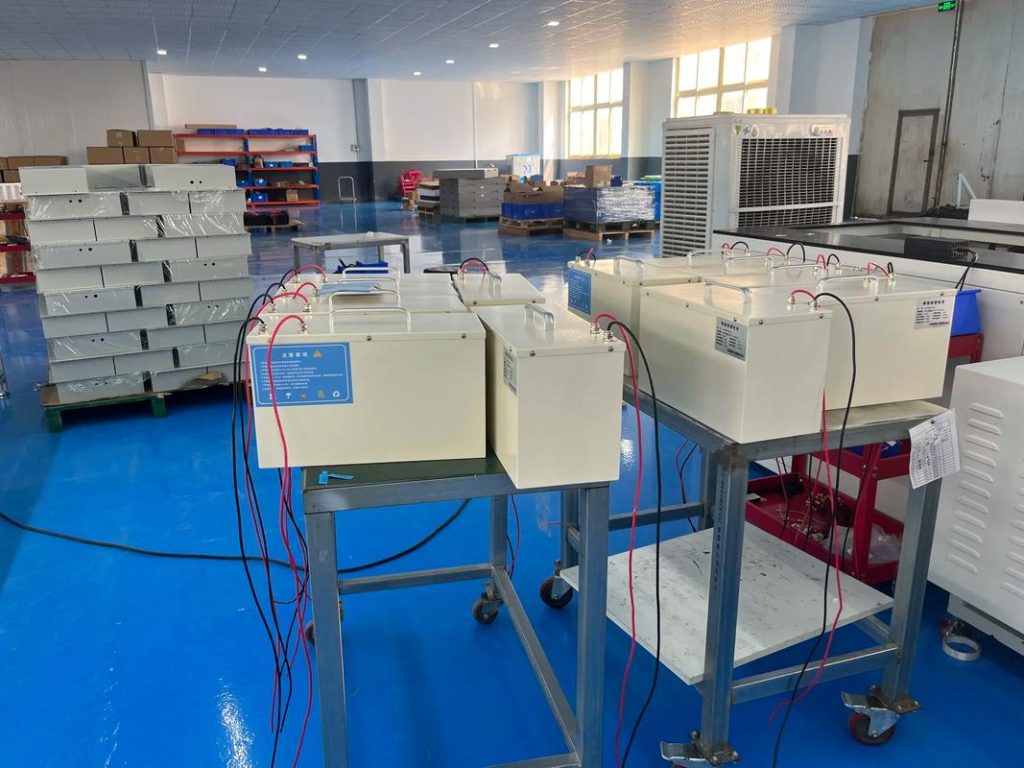
Energy storage has become a critical part of modern solar installations. Lithium-based battery systems, especially lithium iron phosphate (LiFePO₄), are widely used due to safety and long lifespan.
Storage systems may be:
- Wall-mounted
- Rack-mounted
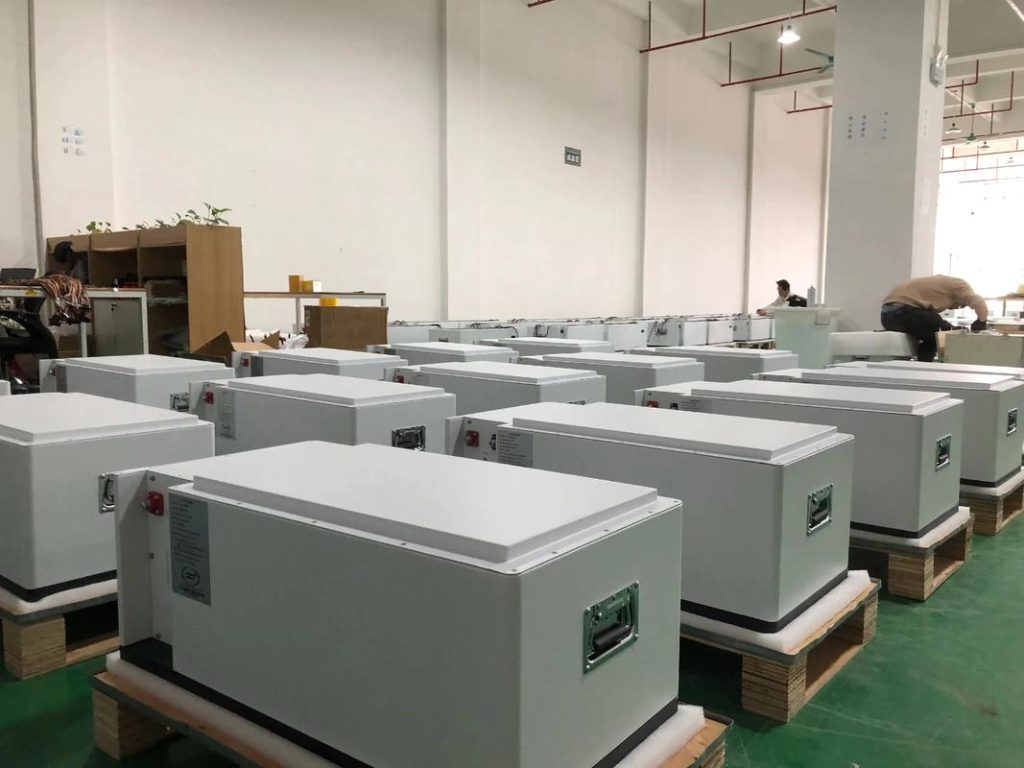
- Floor-standing integrated units
Capacity, cycle life, BMS quality, and expansion capability are key decision factors.
Balance of System (BOS)
Cables, connectors, mounting structures, monitoring systems, and protection devices are often overlooked but essential. Poor-quality BOS components can reduce system efficiency and increase maintenance costs.
How to Identify a Reliable Solar Equipment Manufacturer in China
Not all factories are equal, even if their product photos look similar. Identifying the right manufacturer requires deeper evaluation beyond surface-level marketing.
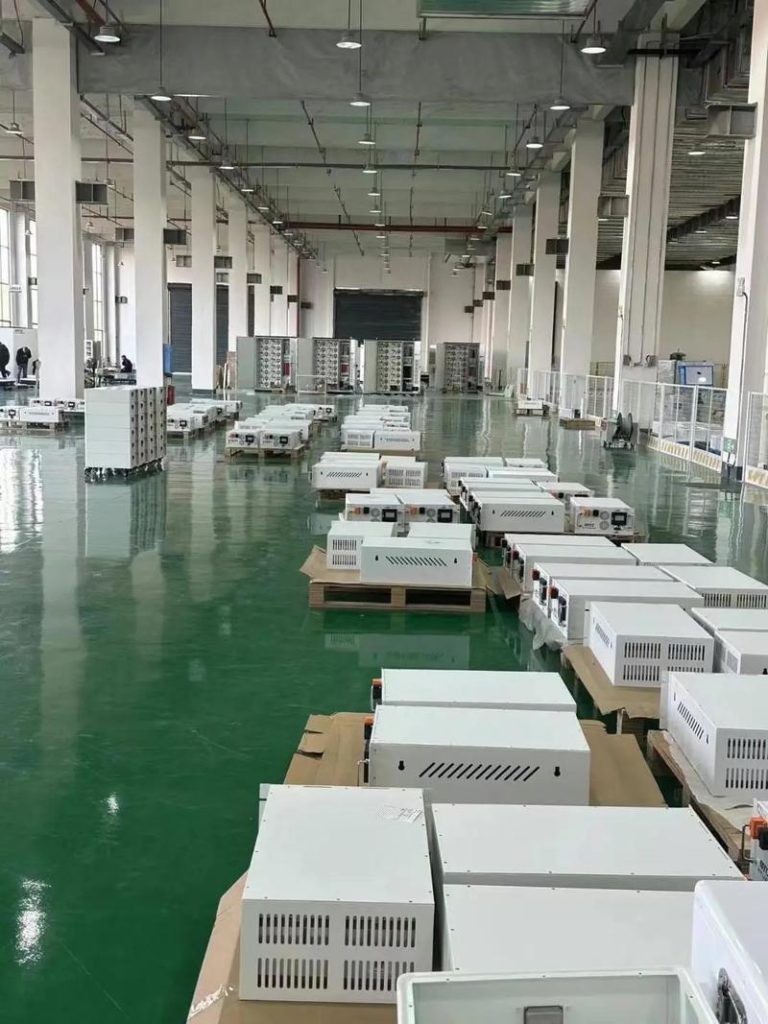
Factory Capabilities
A reliable manufacturer usually has:
- In-house production lines
- Engineering and R&D teams
- Quality inspection procedures
- Export experience
Buyers should ask whether the factory controls critical processes or outsources key components.
Certifications and Compliance
Certifications are not optional in solar projects. Depending on the target market, products may require CE, IEC, TÜV, UL, or other local approvals.
Instead of only requesting certificates, buyers should verify whether:
- Certificates match the exact product model
- Reports are issued by recognized laboratories
- Certifications are still valid
Customization Experience
Serious solar buyers often require customized solutions. This may include logo branding, voltage adjustments, communication protocols, or system packaging.
Manufacturers with real OEM/ODM experience are better equipped to support long-term partnerships.
Pricing Strategy: Avoiding the “Too Cheap” Trap
Price is always a critical factor, but in solar equipment, extremely low prices often signal hidden risks.
Low-cost offers may involve:
- Lower-grade battery cells
- Reduced aluminum thickness
- Simplified BMS functions
- Shortened quality testing processes
A professional buyer focuses on cost per lifecycle, not just initial price. A slightly higher upfront cost often results in better system stability, fewer failures, and lower maintenance expenses over time.
Transparent pricing breakdowns help buyers understand where costs are allocated and whether compromises are being made.
Quality Control: A Non-Negotiable Step
Quality issues in solar equipment can surface months or even years after installation. Once products are deployed overseas, repair or replacement becomes costly.
Before shipment, buyers should consider:
- Pre-shipment inspections
- Random sampling tests
- Functionality checks under load
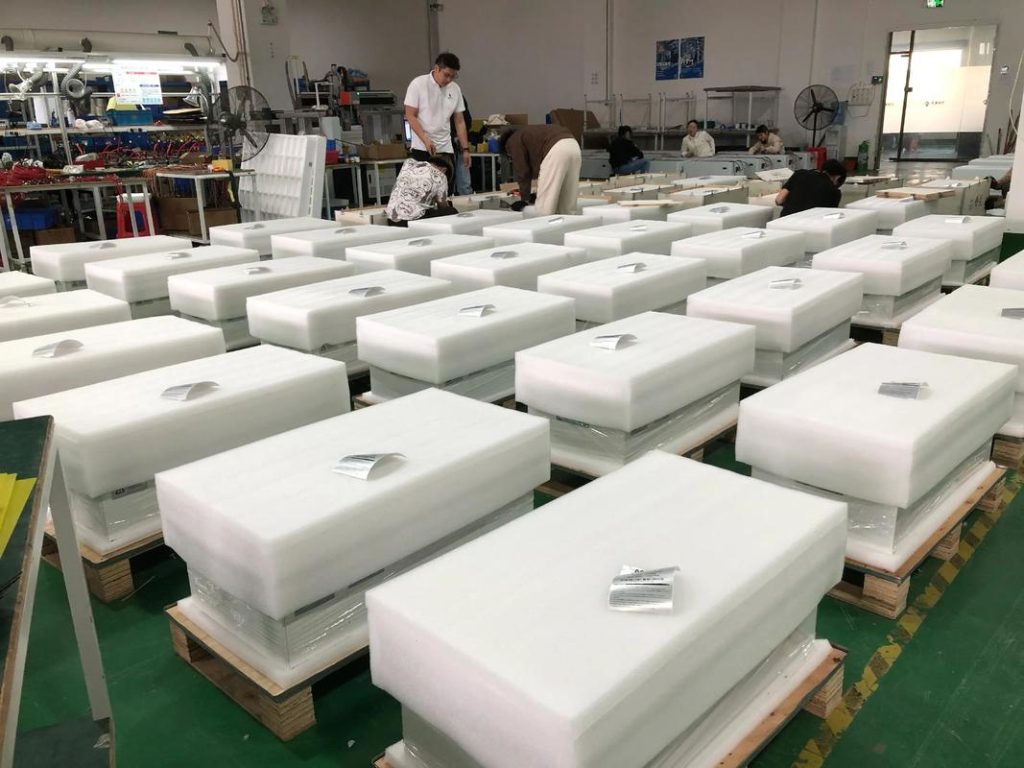
- Packaging strength verification
For large orders, third-party inspection services can provide unbiased evaluation and documentation.
Logistics and Shipping Considerations
Solar equipment is bulky, heavy, and sensitive to handling. Poor logistics planning can erase any savings gained during manufacturing.
Key logistics factors include:
- Container loading optimization
- Shock and moisture protection
- Battery shipping compliance
- Accurate HS codes and documentation
Battery shipments in particular require compliance with dangerous goods regulations. Experienced suppliers usually assist with proper packaging and paperwork.
Import Regulations and Local Market Requirements
Each country has its own import regulations, tariffs, and energy policies. Importers should research:
- Import duties and VAT
- Required customs documentation
- Grid connection approvals
- Local certification recognition
In some markets, government incentives or subsidies require strict compliance with approved equipment lists. Using uncertified products can disqualify entire projects.
After-Sales Support and Long-Term Cooperation
Solar power systems are long-term assets. Equipment performance, firmware updates, and technical support matter just as much as initial delivery.
Before placing large orders, buyers should clarify:
- Warranty terms
- Replacement part availability
- Technical support response time
- Documentation and training support
Manufacturers that invest in after-sales service usually aim for long-term cooperation rather than one-time transactions.
Common Mistakes First-Time Importers Make
Many problems can be avoided by learning from others’ experiences. Common mistakes include:
- Choosing suppliers solely based on price
- Ignoring system compatibility
- Overlooking local grid regulations
- Underestimating logistics complexity
- Skipping quality inspections
Solar projects are systems, not standalone products. A small mistake in one component can affect overall performance.
Building a Sustainable Solar Supply Chain
Successful importers view their suppliers as partners. Transparent communication, stable ordering plans, and shared technical feedback benefit both sides.
Long-term cooperation often leads to:
- Better pricing
- Priority production slots
- Faster customization
- Improved product consistency
In a fast-evolving industry like solar energy, adaptability and trust are valuable assets.
Conclusion
Importing solar power equipment from China offers significant opportunities, but success depends on informed decision-making. Buyers who understand product systems, verify manufacturing capabilities, prioritize quality, and plan logistics carefully are far more likely to achieve stable, profitable outcomes.
Rather than chasing short-term savings, experienced importers focus on reliability, compliance, and long-term value. With the right approach, China can be not just a sourcing destination, but a strategic partner in building sustainable energy solutions worldwide.


No reply content