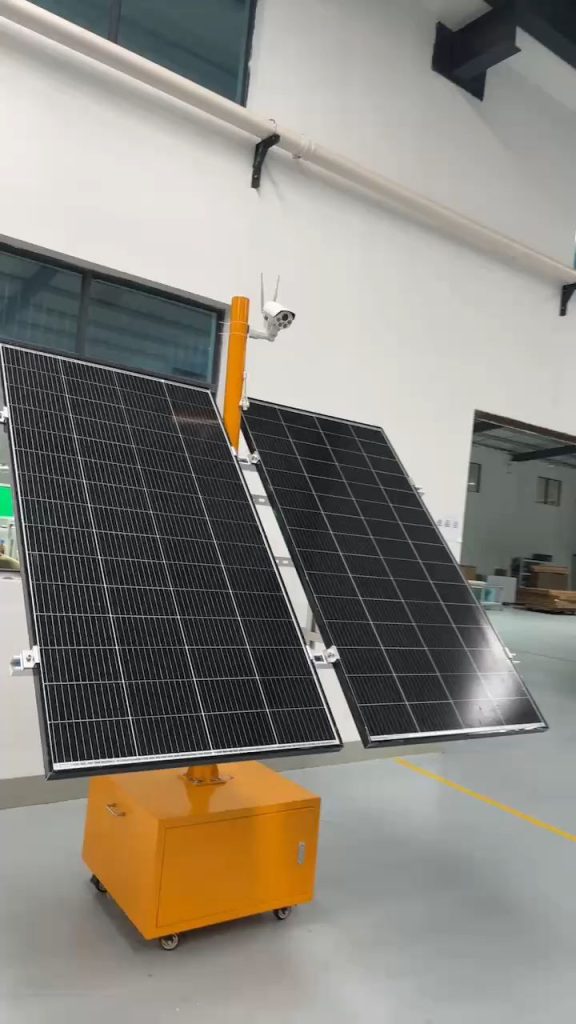
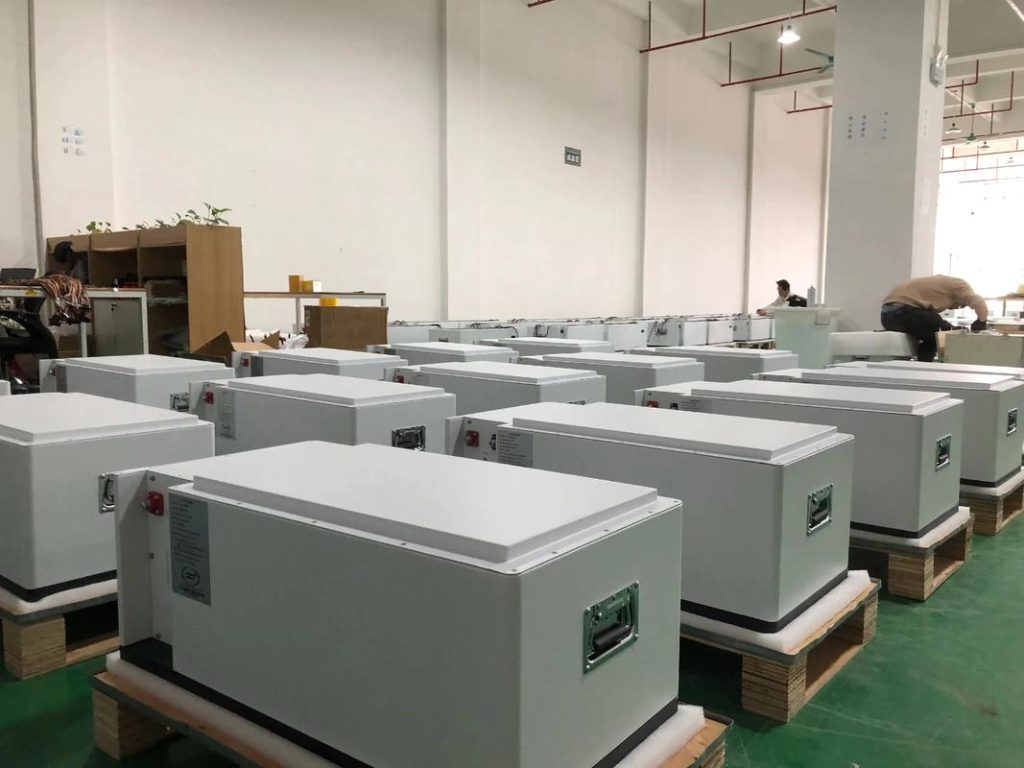
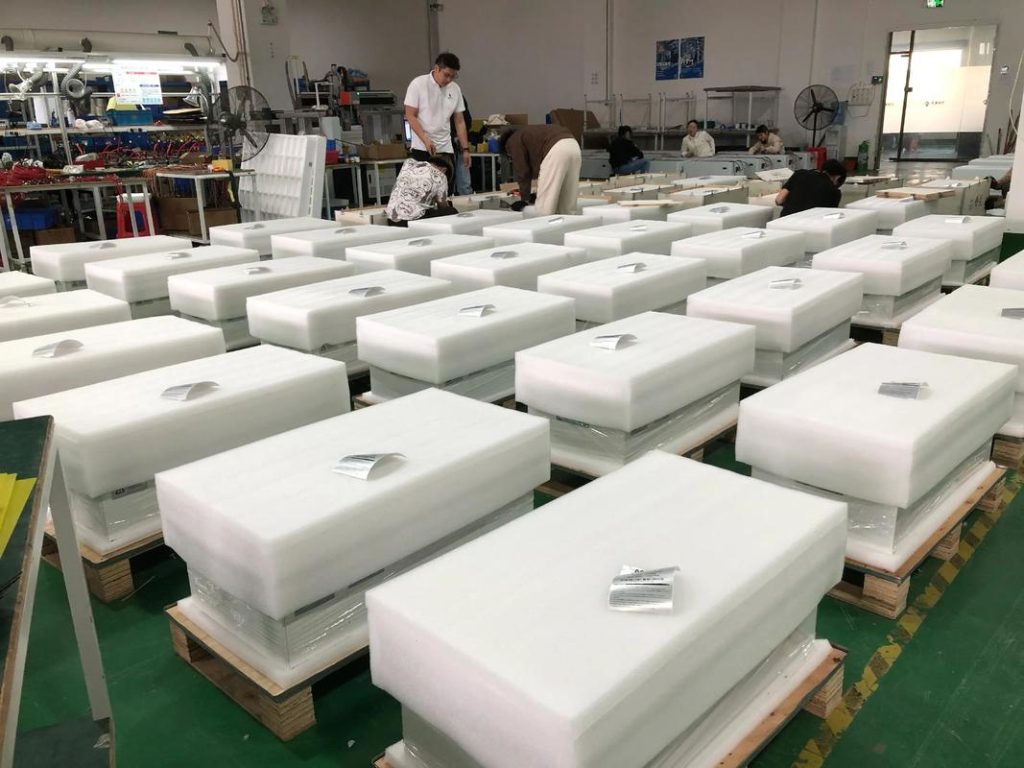
When I first considered importing solar power generation equipment from China, the decision felt overwhelming. The market was full of options, technical terms, and price differences that were difficult to compare. What began as a simple sourcing task quickly turned into a learning process about systems, partnerships, and long-term responsibility.
This article does not aim to provide a checklist or a sales pitch. Instead, it reflects the real journey many international buyers experience when importing solar power equipment from China—from the first inquiry to years of system operation.
1. The Starting Point: Why China Became the Obvious Choice
Like many buyers, the initial motivation was practical. Local suppliers were expensive, limited in selection, and slow to adapt to project-specific requirements. China, on the other hand, offered scale, flexibility, and a proven global presence in solar manufacturing.
What made China particularly attractive was not just price, but availability. Almost every component required for a complete solar power system could be sourced from one manufacturing ecosystem. That meant fewer compatibility risks and better coordination between components.
2. From Searching Products to Understanding Systems
The early research phase focused heavily on products: solar panels, inverters, and batteries. However, this approach quickly proved insufficient.
Experienced suppliers consistently shifted the conversation from individual components to system design. Instead of asking how many panels were needed, they asked how the system would be used, what kind of grid connection was required, and how energy demand fluctuated throughout the day.
This change in perspective marked the first major learning moment: importing solar equipment is about designing an energy system, not buying hardware.
3. Learning to Ask Better Questions
The quality of supplier responses often depended on the quality of questions asked.
Over time, the focus moved from basic questions such as price and delivery time to deeper topics:
- How does the system perform under high temperatures?
- What happens if grid regulations change?
- Can the system be expanded in the future?
- How is long-term degradation managed?
Chinese suppliers with real project experience were noticeably more comfortable answering these questions. Their responses were practical, detailed, and based on real installations rather than marketing language.
4. Understanding the Role of Solar Panels Beyond Specifications
At first glance, solar panels seemed easy to compare. Wattage, efficiency, and price appeared to tell the whole story.
However, long-term discussions revealed that panel performance is influenced by many less obvious factors:
- Degradation rates over time
- Resistance to environmental stress
- Performance consistency across batches
- Mechanical durability during transport and installation
Suppliers who openly discussed these factors demonstrated confidence in their products. This transparency became a key trust indicator.
5. Inverters: Where Complexity Becomes Visible
Inverters turned out to be one of the most complex parts of the system.
Some suppliers offered basic solutions, while others emphasized advanced functions such as grid support, remote monitoring, and energy management integration. The difference was not just technical—it reflected how the supplier viewed the future of solar systems.
Choosing an inverter was no longer a simple decision about power conversion. It became a decision about control, adaptability, and long-term system intelligence.
6. The Moment Energy Storage Entered the Conversation
Initially, energy storage was not considered essential. The project focused on solar generation alone.
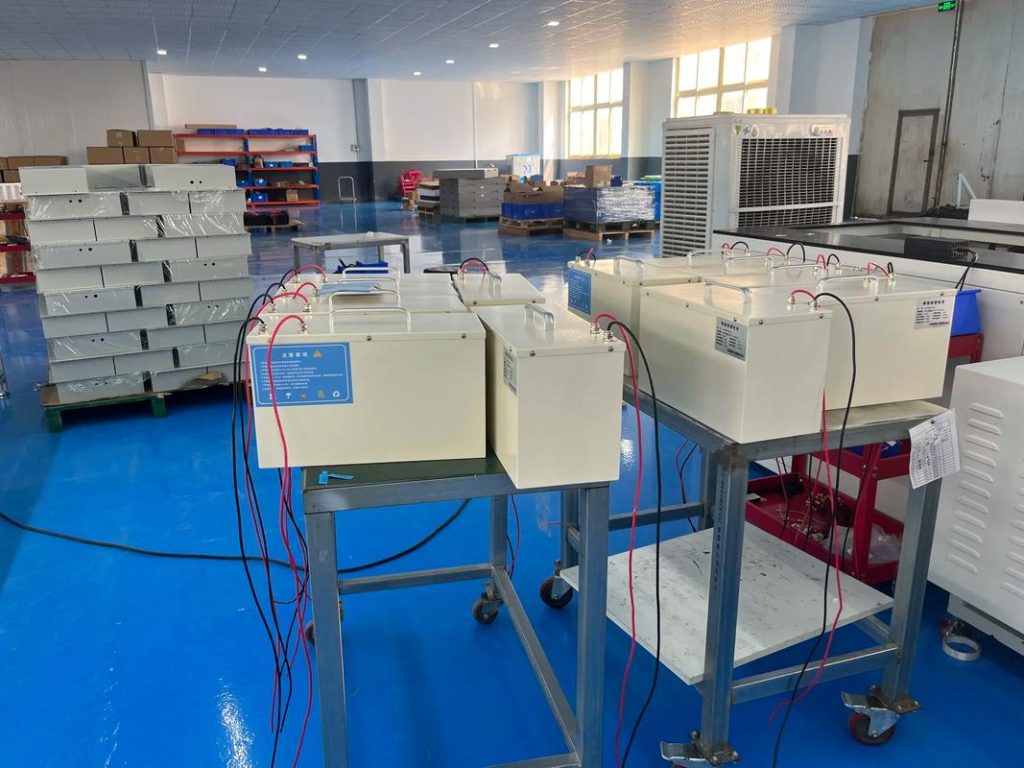
However, discussions with Chinese suppliers highlighted how storage could dramatically improve system efficiency and flexibility. Batteries were not presented as emergency backups, but as tools for optimizing energy usage.
This shift changed the entire system design. Storage capacity, charge cycles, and battery management logic became part of the planning process, not an optional upgrade.
7. Certification as a Gateway, Not a Formality
One of the most underestimated aspects of importing solar equipment was certification.
Rather than treating certifications as paperwork, experienced suppliers treated them as strategic tools. They explained how different certifications affected customs clearance, insurance requirements, and even financing options.
This understanding helped avoid delays and unexpected compliance costs later in the project.
8. The Pricing Reality Check
Comparing quotes from multiple suppliers revealed significant price differences. At first, the temptation was to select the lowest offer.
However, deeper analysis showed that pricing reflected more than production cost. It included:
- Testing and quality control scope
- Warranty terms
- Technical support availability
- Documentation quality
In many cases, slightly higher-priced offers came with fewer risks and better long-term value.
9. Logistics: Where Planning Becomes Physical
Once the order was placed, logistics became the next challenge.
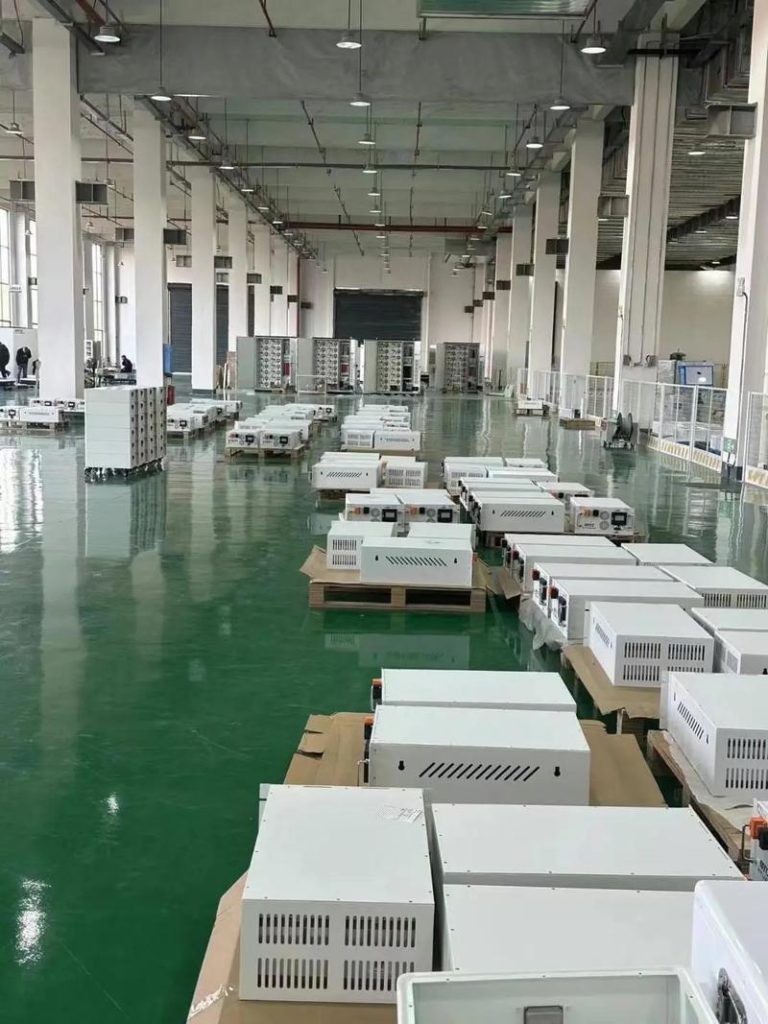
Solar panels required careful packaging to prevent microcracks. Inverters needed moisture protection. Batteries required special handling and documentation.
Suppliers with logistics experience proactively discussed these issues, while others treated shipping as a separate problem. This difference significantly affected delivery reliability.
10. Installation: The True Test of Import Decisions
Installation was where all previous decisions were tested.
Well-matched components resulted in smooth installation and minimal adjustments. Poor communication or incomplete documentation caused delays and additional costs.
The value of detailed manuals, wiring diagrams, and technical support became immediately clear during this stage.
11. System Commissioning and First Performance Results
When the system went live, performance monitoring provided immediate feedback.
Stable output, predictable behavior, and clear data visualization confirmed that the system had been designed properly. Minor issues that arose were resolved through remote support, demonstrating the importance of after-sales service.
This phase reinforced the idea that importing solar equipment is not finished when goods arrive—it continues through commissioning and operation.
12. Living with the System Over Time
Months of operation revealed insights that no brochure could provide.
Seasonal performance changes, maintenance requirements, and real-world energy savings became visible. Systems designed with long-term thinking showed consistent performance, while poorly planned systems required frequent adjustments.
Chinese suppliers who maintained communication during this phase proved their commitment to long-term cooperation.
13. Lessons Learned from the Import Experience
Several lessons stood out clearly:
- System design matters more than component price
- Supplier experience outweighs marketing claims
- Communication quality predicts project success
- After-sales support protects investment value
These lessons reshaped how future solar projects were approached.
14. Why China Remains the Preferred Sourcing Market
Despite challenges, China remained the most practical sourcing market for solar power equipment.
Its advantages include:
- Mature manufacturing infrastructure
- Rapid adaptation to market trends
- Strong technical knowledge base
- Scalable production capacity
More importantly, China offers learning opportunities. Buyers who engage deeply with suppliers gain insights that improve future projects.
15. Thinking Beyond a Single Project
The final realization was that importing solar equipment from China is not a one-time activity.
Each project builds knowledge, relationships, and confidence. Long-term cooperation with reliable suppliers reduces risks, improves efficiency, and creates strategic advantages in a competitive energy market.
Conclusion
Importing solar power generation equipment from China is a journey that evolves from simple sourcing into strategic partnership. What begins as a search for equipment becomes an education in systems, communication, and long-term thinking.
Buyers who approach this process with curiosity, discipline, and patience are rewarded with reliable systems and sustainable results. In a world increasingly dependent on clean energy, informed importers play a critical role in turning technology into lasting power solutions.


No reply content