
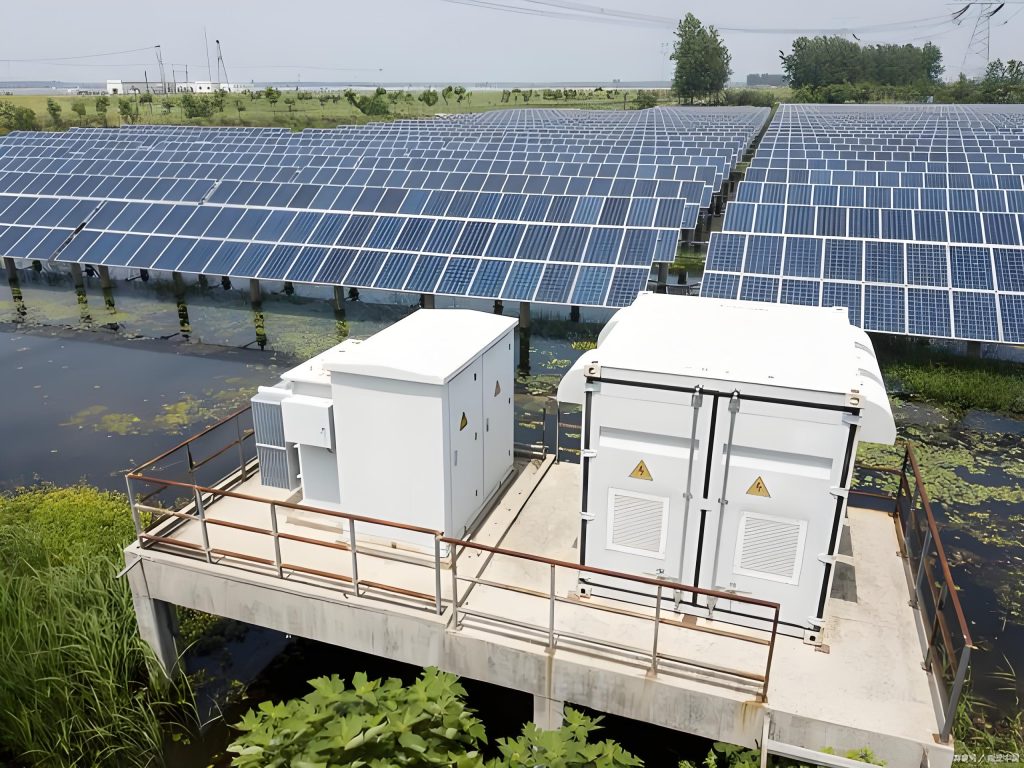
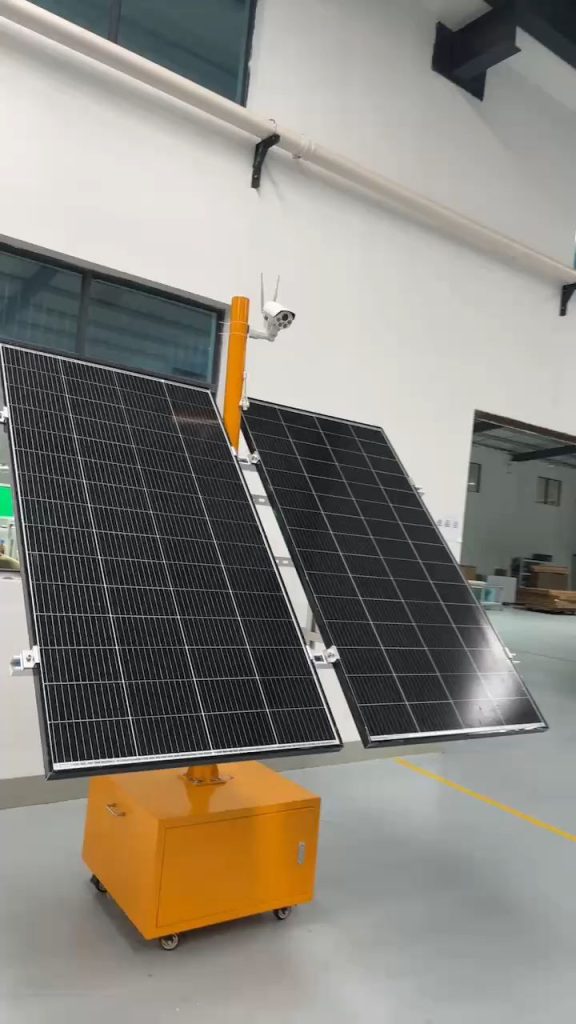
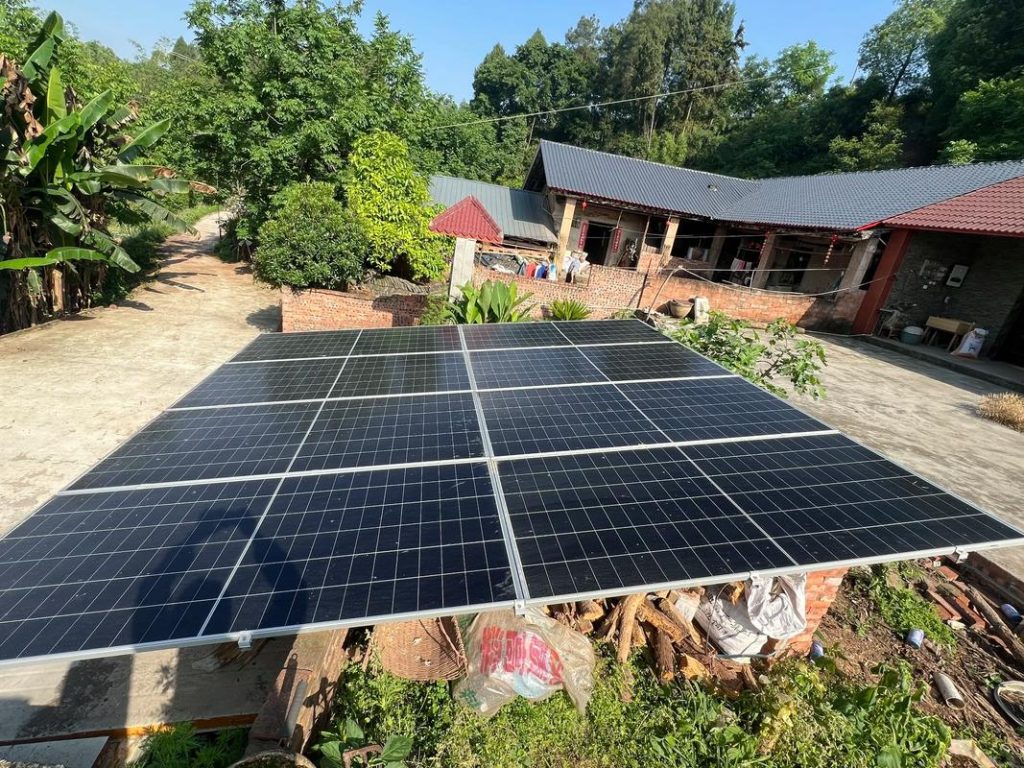
For many years, solar power was viewed primarily as an environmental choice—a way to reduce carbon emissions and support sustainability goals. Today, that perception has fundamentally changed. Solar power generation is increasingly treated as a long-term energy investment, one that delivers predictable returns, stabilizes operating costs, and reduces exposure to volatile energy markets.
Within this investment-driven context, importing solar power generation equipment from China has become a strategic decision for project developers, investors, and energy planners worldwide. The reasons go far beyond manufacturing cost. They relate to scalability, asset reliability, lifecycle economics, and risk management.
This article explores solar equipment imports from China through the lens of long-term energy investment rather than short-term procurement.
1. Solar Power as an Asset, Not an Expense
Experienced investors do not view solar systems as one-time purchases. They are assets designed to generate value over decades.
A well-designed solar power system delivers:
- Predictable energy output
- Reduced operational expenses
- Protection against energy price volatility
- Increased asset value for properties or infrastructure
When solar equipment is treated as an asset, sourcing decisions focus on durability, performance consistency, and long-term support—areas where mature manufacturing ecosystems play a decisive role.
2. Why China Fits the Investment Model
China’s solar manufacturing sector aligns naturally with an asset-based investment mindset.
Rather than producing limited batches for niche markets, Chinese factories are built to support large-scale, long-duration deployment. This industrial maturity reduces variability and improves long-term reliability—critical factors for investors evaluating risk.
China’s role in the global solar industry is not just about volume, but about repeatability: producing equipment that performs consistently across thousands of installations.
3. Capital Efficiency and Project Scalability
For solar investors, capital efficiency determines how quickly projects can be scaled.
Chinese suppliers offer advantages that directly affect investment efficiency:
- Competitive equipment pricing
- Flexible order quantities
- Shorter production lead times
- Rapid capacity expansion
These factors allow developers to deploy capital more efficiently, bringing projects online faster and accelerating return timelines.
4. Lifecycle Cost Matters More Than Purchase Price
Sophisticated buyers evaluate solar equipment based on total lifecycle cost rather than upfront price.
Lifecycle considerations include:
- Energy yield stability over time
- Maintenance frequency
- Replacement part availability
- Warranty enforcement
- System upgrade potential
Chinese manufacturers with export experience understand these priorities and design products with extended operational lifespans, reducing long-term cost uncertainty.
5. Predictable Performance Reduces Financial Risk
For investors, performance predictability is as important as peak efficiency.
Solar power systems must deliver reliable output under varying environmental conditions. Chinese manufacturers benefit from extensive global deployment experience, with equipment operating in deserts, coastal regions, cold climates, and tropical zones.
This real-world exposure improves product robustness and reduces performance-related financial risk.
6. Equipment Standardization Supports Portfolio Expansion
Large investors often manage multiple projects across different locations.
China’s standardized manufacturing processes enable consistent system design across projects, simplifying:
- Engineering replication
- Maintenance planning
- Spare parts management
- Performance benchmarking
This standardization lowers operational complexity as project portfolios grow.
7. Inverters and System Control as Investment Tools
From an investment perspective, inverters are not just technical components—they are control mechanisms.
Modern inverters sourced from China increasingly support:
- Grid interaction optimization
- Energy flow management
- Data-driven performance analysis
- Remote diagnostics
These capabilities allow asset owners to monitor and optimize performance across entire portfolios, improving operational transparency.
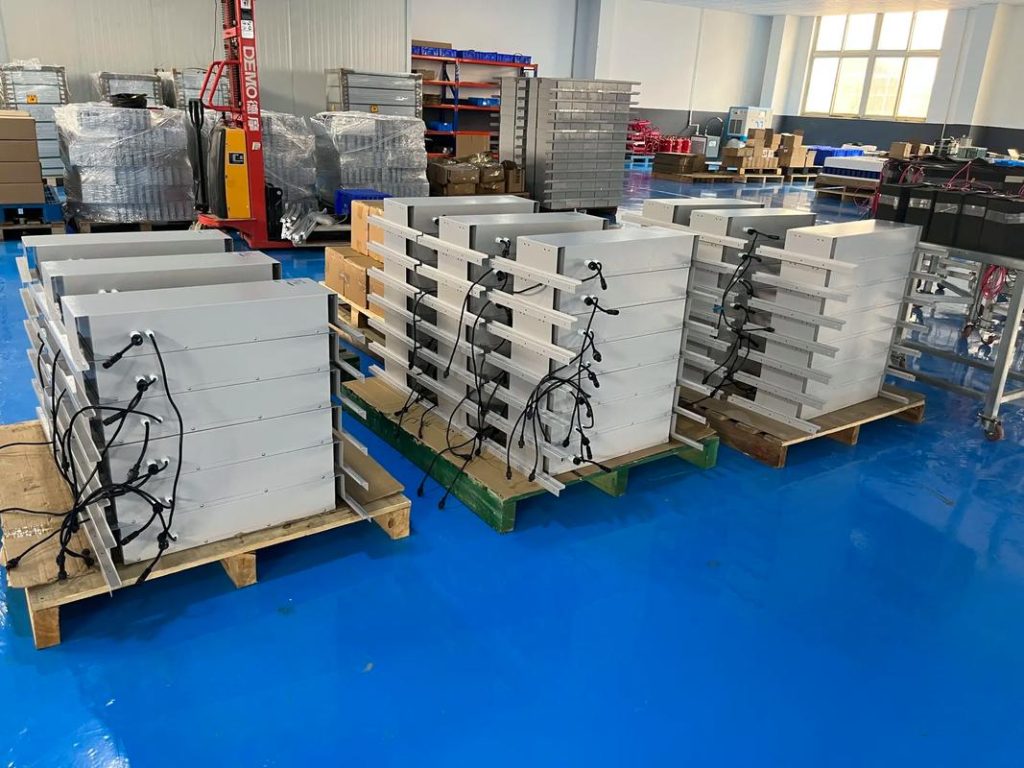
8. Energy Storage Strengthens Revenue Stability
Energy storage is becoming a core element of investment-grade solar systems.
By integrating storage, project owners can:
- Shift energy delivery to peak pricing periods
- Reduce grid dependency
- Improve power reliability
- Enhance overall system utilization
Chinese manufacturers lead in scalable energy storage solutions that complement solar generation, supporting more stable and diversified revenue models.
9. Regulatory and Financing Alignment
Investors must consider regulatory acceptance and financing feasibility.
Solar equipment sourced from experienced Chinese manufacturers typically aligns with international standards, simplifying:
- Regulatory approval
- Insurance coverage
- Project financing
- Long-term compliance
This alignment reduces administrative friction and improves bankability.
10. Supply Chain Reliability as an Investment Safeguard
Supply chain disruptions directly affect project timelines and capital deployment.
China’s mature logistics infrastructure and export experience reduce uncertainty related to manufacturing delays, shipping disruptions, and component shortages.
For investors managing multiple projects, this reliability is a form of risk mitigation.
11. Maintenance Strategy and Operational Continuity
Long-term investors prioritize operational continuity.
Chinese suppliers increasingly support maintenance strategies through:
- Remote technical support
- Clear service documentation
- Long-term product availability
This support reduces downtime and protects revenue streams throughout the asset lifecycle.
12. Technology Evolution Without Asset Obsolescence
A common investor concern is technological obsolescence.
Chinese manufacturers address this by designing systems that support modular upgrades. Inverters, storage units, and monitoring systems can often be updated without replacing the entire installation.
This adaptability protects asset value as technology evolves.
13. Environmental and Social Investment Considerations
Beyond financial returns, many investors now consider environmental and social impact.
Solar systems sourced from China contribute to:
- Carbon emission reduction
- Energy access expansion
- Sustainable infrastructure development
Chinese factories increasingly adopt cleaner production processes, aligning with global sustainability expectations.
14. Long-Term Partnerships Improve Investment Outcomes
Investors who establish long-term supplier relationships benefit from:
- Stable pricing frameworks
- Priority access to new technologies
- Improved technical cooperation
These partnerships enhance project predictability and support portfolio growth.
15. China’s Role in the Future Energy Investment Landscape
As global energy systems decentralize, solar power generation will remain a foundational asset class.
China’s manufacturing ecosystem—combining scale, innovation, and adaptability—positions it as a long-term partner in global energy investment strategies.
Rather than a temporary sourcing option, China has become embedded in the structure of modern renewable energy development.
Conclusion
Importing solar power generation equipment from China is increasingly a strategic investment decision rather than a procurement exercise. For project developers, asset managers, and energy investors, China offers the combination of scale, reliability, and lifecycle value required for long-term success.
By viewing solar systems as energy assets and aligning sourcing strategies accordingly, investors can build resilient, profitable portfolios that support both financial objectives and global sustainability goals.


No reply content