Introduction: Why Import Treadmills from China
China has become the world’s leading hub for high-quality fitness equipment manufacturing, particularly treadmills. For gyms, hotels, corporate wellness centers, and distributors, importing treadmills from China offers:
- Competitive pricing: Cost advantages compared to European or American manufacturers
- Wide product variety: Motorized, commercial-grade, home-use, foldable, and smart touch screen models
- Advanced technology: AC/DC motors, shock absorption systems, touch screens, and IoT integration
- OEM/ODM customization: Private labeling and tailored specifications
However, importing fitness equipment requires careful consideration of technical specifications, supplier credibility, certifications, shipping, and compliance. This guide provides a professional overview to help buyers make informed decisions.
Understanding Chinese Treadmill Manufacturers
Types of Treadmills Produced
-
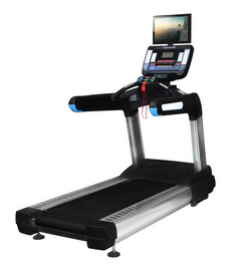
Commercial-Grade Treadmills
- Continuous duty AC motors (3–5 HP)
- Heavy-duty steel frames, reinforced decks
- Touchscreen consoles and integrated software
-
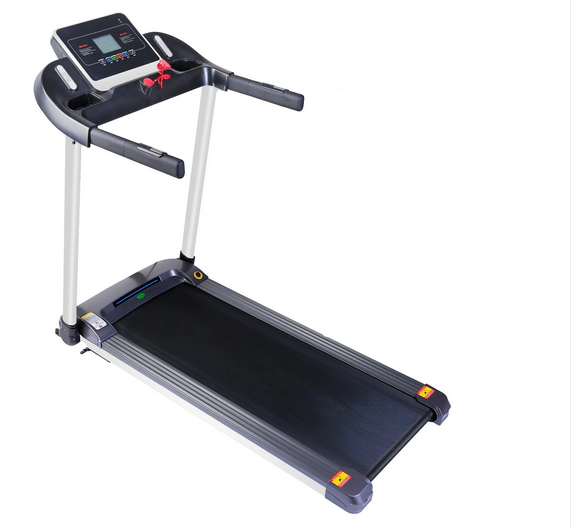
Home-Use Motorized Treadmills
- DC motors (1.5–3.0 HP)
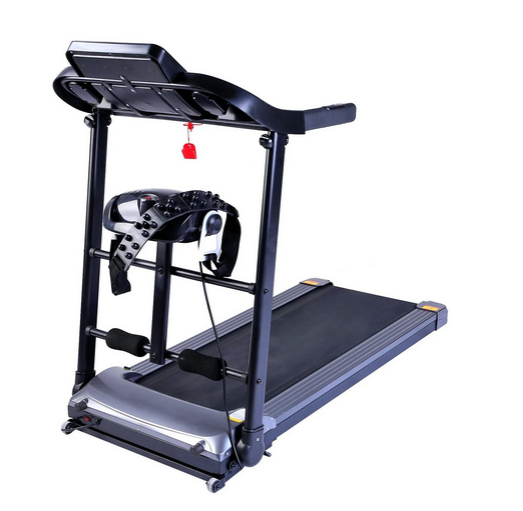
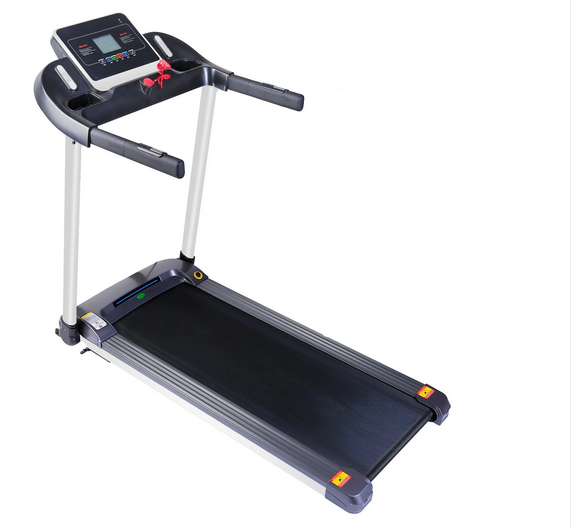
- Foldable frames, space-saving design
- LED or small LCD panels
-
Smart/Interactive Treadmills
- Android/embedded systems
- Wi-Fi, Bluetooth, app connectivity
- Virtual running programs and multi-user tracking
Key Advantages of Chinese Manufacturers
- Rapid R&D: Ability to upgrade motor and electronics designs based on global trends
- OEM/ODM Flexibility: Custom branding, console interface, and deck configurations
- Regulatory Compliance: CE, RoHS, ISO 9001 certified production lines
- Global Export Experience: Shipping to Europe, North America, Middle East, and Southeast Asia
Technical Specifications to Evaluate
When importing, focus on these critical parameters:
Motor System
| Parameter | Commercial Treadmill | Home Treadmill |
|---|---|---|
| Motor Type | AC Motor | DC Motor |
| Continuous Power | 3.0–5.0 HP | 1.5–3.0 HP |
| Peak Power | 6.0–7.0 HP | 2.5–4.0 HP |
| Duty Cycle | 10–16 hours/day | 1–2 hours/day |
| Noise Level | Moderate | Low |
Tip: AC motors are essential for commercial gyms, while DC motors are suitable for home use.
Running Deck & Shock Absorption
| Feature | Specification |
|---|---|
| Deck Material | Multi-layer phenolic board |
| Cushioning | 8–12 elastomer or hydraulic points |
| Belt Dimensions | 1500–1600 mm length × 550–600 mm width |
| Max User Weight | 120–180 kg (home) / 200 kg (commercial) |
Shock absorption is critical for reducing joint impact and ensuring long-term durability.
Console and Smart Features
| Feature | Technical Specs |
|---|---|
| Screen | 15–22 inch capacitive touchscreen |
| Resolution | 1920×1080 Full HD |
| Connectivity | Wi-Fi, Bluetooth, USB |
| OS | Android / Embedded Linux |
| Functions | Multi-user profiles, virtual routes, entertainment apps |
Smart integration is increasingly demanded by commercial gyms for performance tracking and member engagement.
Shipping and Import Considerations
1. Logistics Options
- FCL (Full Container Load): Best for bulk commercial orders
- LCL (Less than Container Load): Suitable for smaller orders
- Air Freight: High cost but faster for urgent shipments
2. Customs and Regulations
- CE certification for Europe
- UL certification for the USA
- Power compatibility: 110V/220V depending on destination
- HS Code for treadmills: 9506.91
3. Freight Protection
- Foam padding and corner protectors for heavy decks
- Palletized shipping for stability
- Anti-moisture wrapping for electronics
Comparison: Chinese vs Other International Treadmills
| Feature | Chinese Treadmills | European / US Treadmills |
|---|---|---|
| Cost | 30–50% lower | Higher |
| Variety | Extensive, including smart and foldable | Moderate |
| Customization | OEM / ODM widely available | Limited |
| Warranty Support | 1–5 years (negotiable) | Standard 1–3 years |
| Lead Time | 30–45 days | 60–90 days |
| Certifications | CE, RoHS, ISO 9001 | CE, UL |
Chinese manufacturers combine cost-effectiveness with global-standard quality, making them attractive for gyms and distributors.
How to Evaluate a Supplier
E-E-A-T Framework for Fitness Equipment Suppliers
-
Experience
- Years in treadmill manufacturing
- Export experience and trade references
-
Expertise
- In-house R&D for motors, belts, electronics
- Knowledge of safety and ergonomics
-
Authoritativeness
- ISO 9001, CE, RoHS, or UL certifications
- Third-party inspection reports
-
Trustworthiness
- Transparent technical data sheets
- Spare parts availability
- Clear warranty policies
Maintenance & After-Sales Considerations
- Lubrication: Monthly or quarterly depending on usage
- Belt Alignment & Tension: Check every 3–6 months
- Console Software Updates: Ensure Wi-Fi/USB connectivity
- Electrical System Inspection: Yearly check for commercial use
Proper maintenance extends treadmill lifespan to 8–12 years for commercial units.
Technical Specification Table (Sample)
| Parameter | Commercial Model | Home Model |
|---|---|---|
| Motor | AC 4 HP | DC 2.5 HP |
| Speed Range | 0.8–20 km/h | 0.8–16 km/h |
| Incline | 0–15% | 0–12% |
| Running Deck | 1600×580 mm, shock absorption | 1400×500 mm, basic cushioning |
| Max User Weight | 200 kg | 120 kg |
| Screen | 21.5” capacitive touchscreen | 12” LCD |
| Connectivity | Wi-Fi/Bluetooth | Optional |
| Certifications | CE / RoHS / ISO | CE (optional) |
| Duty Cycle | 10–16 hours/day | 1–2 hours/day |
Frequently Asked Questions (FAQ)
Q1: Is it safe to import treadmills from China?
Yes, if the supplier is verified, and the products meet CE, RoHS, or UL standards.
Q2: Can commercial-grade treadmills be used at home?
Yes, they are over-engineered for home use but ensure adequate space and electrical supply.
Q3: How long does shipping take from China?
FCL: 30–45 days; LCL: 40–60 days; Air freight: 7–15 days.
Q4: What certifications should I check?
CE for Europe, UL for USA, RoHS for electronics safety, ISO 9001 for quality management.
Q5: Do Chinese manufacturers support OEM / private labeling?
Yes, most commercial-grade treadmill manufacturers offer OEM/ODM services including branding and software customization.
Final Thoughts: Making Smart Import Decisions
Importing treadmills from China is cost-effective, flexible, and high-quality, but requires careful planning:
- Select suppliers with proven experience, certifications, and export history
- Compare technical specifications, motor types, and duty cycles
- Plan shipping logistics and customs compliance
- Consider after-sales support, spare parts availability, and warranty
When chosen and managed correctly, imported Chinese treadmills can deliver commercial-grade performance at competitive prices, making them an ideal choice for gyms, distributors, and fitness entrepreneurs worldwide.


No reply content