
Custom Lighting Supplier in Zhongshan, China
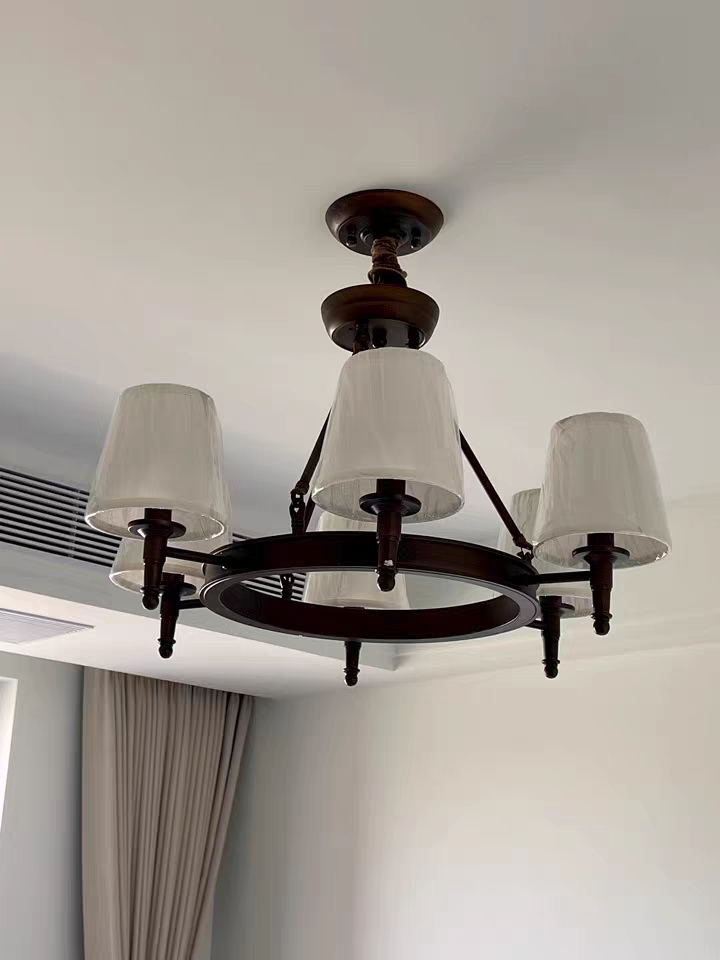
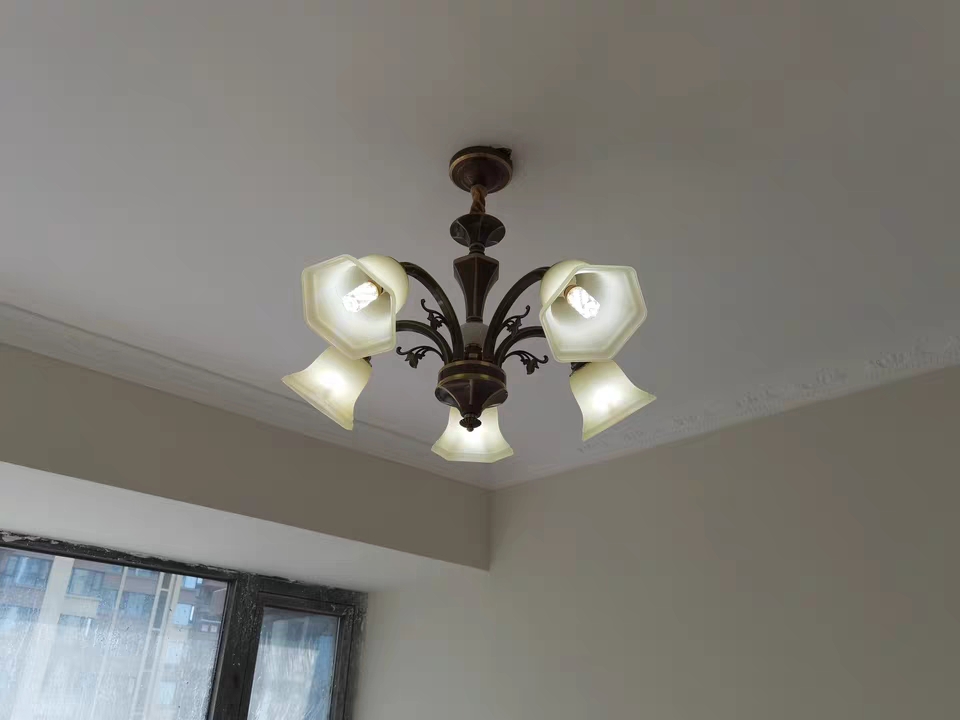
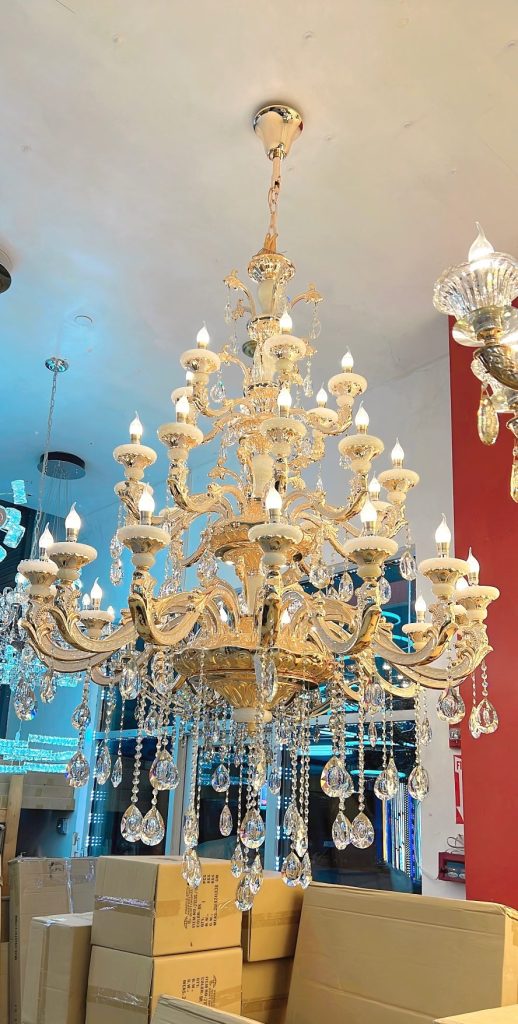
Choosing an indoor lighting manufacturer is an important decision for distributors, wholesalers, lighting retailers, contractors, interior designers, property developers, and project buyers. Indoor lighting is not simply a decorative product. The light source, optical design, electrical components, housing materials, heat dissipation, color temperature, installation method, and overall construction all affect the final performance of the product.
A reliable manufacturer should therefore be able to provide more than a catalog of lighting products. Buyers need a supplier with stable production capability, consistent quality control, flexible customization, clear technical specifications, and the ability to support different project requirements.
What Is an Indoor Lighting Manufacturer?
An indoor lighting manufacturer designs and produces lighting products intended for interior spaces.
Depending on its production capabilities, a manufacturer may produce:
-
Ceiling lights
-
Pendant lights
-
Wall lights
-
Downlights
-
Spotlights
-
Track lights
-
Panel lights
-
Linear lights
-
Recessed lights
-
Cabinet lights
-
Table lamps
-
Floor lamps
-
Decorative lighting
-
Commercial indoor lighting
-
Customized lighting fixtures
Some manufacturers focus on standard products, while others provide OEM and ODM services for brands, distributors, contractors, and project companies.
For B2B buyers, the distinction is important because a factory capable of customization may be able to modify the product according to the buyer’s required dimensions, materials, finish, electrical configuration, packaging, and branding.
Types of Indoor Lighting Products
Indoor lighting covers a wide range of applications, so buyers should first determine which product category is appropriate for the project.
Ceiling Lights
Ceiling lights are widely used in residential and commercial interiors.
They can be designed for:
-
Bedrooms
-
Living rooms
-
Kitchens
-
Offices
-
Hotels
-
Restaurants
-
Retail stores
-
Public buildings
Different designs can provide general illumination while also contributing to the interior style.
Pendant Lights
Pendant lights are suspended from the ceiling and are often selected when both lighting performance and appearance are important.
They are commonly used above:
-
Dining tables
-
Kitchen islands
-
Reception areas
-
Counters
-
Hotel spaces
-
Restaurant seating areas
Pendant lights can be manufactured in different shapes, sizes, finishes, and materials.
Downlights
Downlights are designed to direct light downward and are frequently used in modern residential and commercial interiors.
Important specifications include:
-
Cut-out size
-
Installation depth
-
Wattage
-
Beam angle
-
Color temperature
-
Dimming capability
-
Housing material
-
Driver configuration
For large projects, consistent dimensions and optical performance are particularly important.
Track Lighting
Track lights allow multiple fixtures to be installed on a track system.
They are useful for:
-
Retail displays
-
Galleries
-
Showrooms
-
Restaurants
-
Commercial interiors
-
Accent lighting
The ability to adjust the direction of individual lights makes track lighting useful where lighting layouts may change.
Wall Lights
Wall-mounted lighting can provide functional illumination, decorative effects, or both.
Applications include:
-
Bedrooms
-
Hallways
-
Hotels
-
Restaurants
-
Living spaces
-
Commercial interiors
How Indoor Lighting Is Manufactured
A professional indoor lighting factory normally manages several stages from product design to final inspection.
Product Design
The process begins with the product concept and technical requirements.
Engineers may consider:
-
Fixture dimensions
-
Light source
-
Optical structure
-
Housing material
-
Installation method
-
Driver
-
Heat dissipation
-
Wiring
-
Power requirements
-
Appearance
-
Manufacturing feasibility
For customized products, the manufacturer may first review drawings or samples provided by the buyer.
Material Preparation
Different lighting products require different materials.
Common materials may include:
-
Aluminum
-
Steel
-
Plastic
-
Glass
-
Acrylic
-
Silicone
-
Copper
-
Decorative materials
Material selection depends on the product structure, design, heat management requirements, appearance, and target market.
Housing Production
Depending on the design, the housing may be manufactured through processes such as metal forming, die casting, extrusion, injection molding, cutting, machining, or other fabrication methods.
Dimensional consistency is important because the housing needs to accommodate the internal electrical and optical components correctly.
Surface Finishing
The appearance of an indoor light can be affected by its surface treatment.
Possible finishes include:
-
Powder coating
-
Painting
-
Plating
-
Anodizing
-
Brushed finishes
-
Polished finishes
-
Matte finishes
The selected finish should match the intended design and application.
Electrical Assembly
The electrical system is installed according to the product design.
Depending on the lighting type, this can include:
-
LED light source
-
Driver
-
Circuit board
-
Wires
-
Connectors
-
Switches
-
Sensors
-
Dimming components
-
Control modules
Proper assembly is essential for reliable operation.
Final Assembly
The housing, light source, driver, diffuser, reflector, wiring, mounting components, and other parts are assembled into the finished product.
The assembly process should follow defined production procedures rather than relying solely on individual worker experience.
What Specifications Should Buyers Check?
When comparing indoor lighting manufacturers, product specifications should be reviewed carefully.
Important specifications may include:
Specification |
Why It Matters |
|---|---|
Power |
Indicates electrical consumption |
Luminous output |
Indicates the amount of light produced |
Color temperature |
Determines the appearance of the light |
CRI |
Indicates color rendering performance |
Beam angle |
Determines light distribution |
Input voltage |
Must match the target market |
Dimming |
Important for controllable lighting applications |
Material |
Affects durability and appearance |
Dimensions |
Important for installation |
Driver |
Influences electrical performance |
Installation method |
Determines compatibility with the project |
Two products with the same wattage are not necessarily equivalent. Buyers should evaluate the complete specification rather than comparing one number.
OEM and ODM Indoor Lighting Manufacturing
Many B2B buyers do not want to purchase a standard product exactly as shown in a catalog.
They may need customized lighting for their own brand or project.
OEM Lighting
OEM manufacturing generally means producing lighting products according to the buyer’s specifications.
Customization may include:
-
Logo
-
Product color
-
Housing finish
-
Packaging
-
Labels
-
Product dimensions
-
Electrical configuration
-
Accessories
The buyer may provide drawings, samples, specifications, or branding requirements.
ODM Lighting
ODM allows the manufacturer to provide an existing product design or develop a product based on the buyer’s concept.
This can be useful for buyers who know what type of lighting they want but do not have complete engineering resources.
The manufacturer may assist with:
-
Product structure
-
Appearance
-
Material selection
-
Lighting configuration
-
Prototype development
-
Engineering adjustments
-
Production
Custom Indoor Lighting for Different Projects
Indoor lighting requirements can vary significantly between applications.
Residential Projects
Residential lighting often focuses on:
-
Comfort
-
Appearance
-
Energy consumption
-
Color temperature
-
Installation convenience
-
Dimming
-
Room-specific lighting
Hotels
Hotels may require coordinated lighting across bedrooms, corridors, restaurants, lobbies, and public areas.
Appearance consistency and customization can become particularly important.
Offices
Office lighting needs to consider visual comfort, working areas, installation layout, and light distribution.
Retail Stores
Retail lighting may require adjustable beam angles and directional illumination to highlight products.
Restaurants
Restaurants often use a combination of general lighting, decorative lighting, and accent lighting to create a specific atmosphere.
Indoor Lighting Quality Control
Quality control should begin before the finished product leaves the factory.
A manufacturer’s inspection process may include:
Incoming Material Inspection
Materials and components should be checked against purchasing specifications.
Assembly Inspection
Workers or inspectors can check wiring, component installation, screws, connectors, and mechanical assembly.
Electrical Testing
Products can be tested for electrical performance according to the applicable product requirements.
Lighting Performance Testing
Depending on the product, testing may cover:
-
Light output
-
Color temperature
-
Color consistency
-
Dimming function
-
Switching performance
Aging or Burn-In Testing
Some products may undergo operating tests to identify potential early failures before shipment.
Final Appearance Inspection
The finished fixture should be inspected for:
-
Scratches
-
Surface defects
-
Color differences
-
Assembly gaps
-
Broken components
-
Packaging problems
The exact inspection process should be agreed upon according to the product and destination market.
How Much Does Indoor Lighting Cost?
There is no universal price for indoor lighting.
The cost depends on many factors, including:
-
Product type
-
Size
-
Materials
-
Power
-
LED configuration
-
Driver
-
Optical components
-
Surface finish
-
Design complexity
-
Customization
-
Packaging
-
Order quantity
A simple standard fixture may have a very different manufacturing cost from a customized architectural lighting product.
For this reason, buyers should provide detailed specifications when requesting a quotation.
What Is the MOQ for Indoor Lighting?
MOQ varies between manufacturers and products.
Standard products may have relatively flexible quantities, while customized products may require a higher MOQ because of:
-
Custom tooling
-
Special materials
-
Customized packaging
-
New production setup
-
Special components
-
Custom colors or finishes
If you are testing a new product, ask whether the manufacturer can support a smaller trial order before moving to larger production.
How to Request an Accurate Lighting Quotation
A detailed RFQ can significantly improve the accuracy of the manufacturer’s quotation.
Provide information such as:
-
Product type
-
Product drawings
-
Dimensions
-
Required wattage
-
Color temperature
-
CRI requirement
-
Beam angle
-
Input voltage
-
Dimming requirement
-
Housing material
-
Surface finish
-
Quantity
-
Packaging requirements
-
Destination country
-
Required delivery date
If you have an existing sample, product drawing, or reference photograph, providing it can make communication much easier.
How to Choose an Indoor Lighting Manufacturer
Price should not be the only selection criterion.
A serious B2B buyer should evaluate several areas.
Manufacturing Capability
Check whether the factory can actually produce the required lighting products rather than simply reselling products from different sources.
Engineering Capability
For custom products, engineering support is important.
The manufacturer should be able to identify potential problems with structure, components, heat management, installation, and production before mass manufacturing begins.
Quality Consistency
A sample may look excellent while mass production performs differently.
Ask how the manufacturer maintains consistency between batches.
Customization Capability
If you require private-label or project-specific lighting, confirm the manufacturer’s ability to handle customized specifications.
Communication
Clear communication is particularly important when dealing with technical lighting products.
Specifications should be documented instead of relying only on informal descriptions.
Packaging
Lighting products can contain glass, acrylic, electronic components, and delicate finishes. Packaging needs to protect them during transportation.
Common Mistakes When Purchasing Indoor Lighting
Comparing Only Wattage
Wattage alone does not tell you everything about lighting performance.
Ignoring Driver Quality
The driver is an important part of many LED lighting products. Buyers should confirm its specification and compatibility.
Not Confirming Voltage
Electrical configurations should match the destination market.
Ordering Large Quantities Without Testing
For a new product, a sample or small trial order can help identify problems before large-scale production.
Failing to Confirm Color Temperature
Warm white, neutral white, and cool white create noticeably different visual effects.
Not Defining the Finish
Terms such as “black,” “gold,” or “white” may not be sufficiently precise for customized projects. A physical sample or defined finish specification is preferable.
Why Work Directly With an Indoor Lighting Manufacturer?
Buying directly from a manufacturer can provide several advantages when the factory is suitable for the project.
The buyer may have better access to:
-
Product specifications
-
Production information
-
Customization
-
Factory pricing
-
Engineering support
-
Sample development
-
Packaging options
-
Production scheduling


No reply content