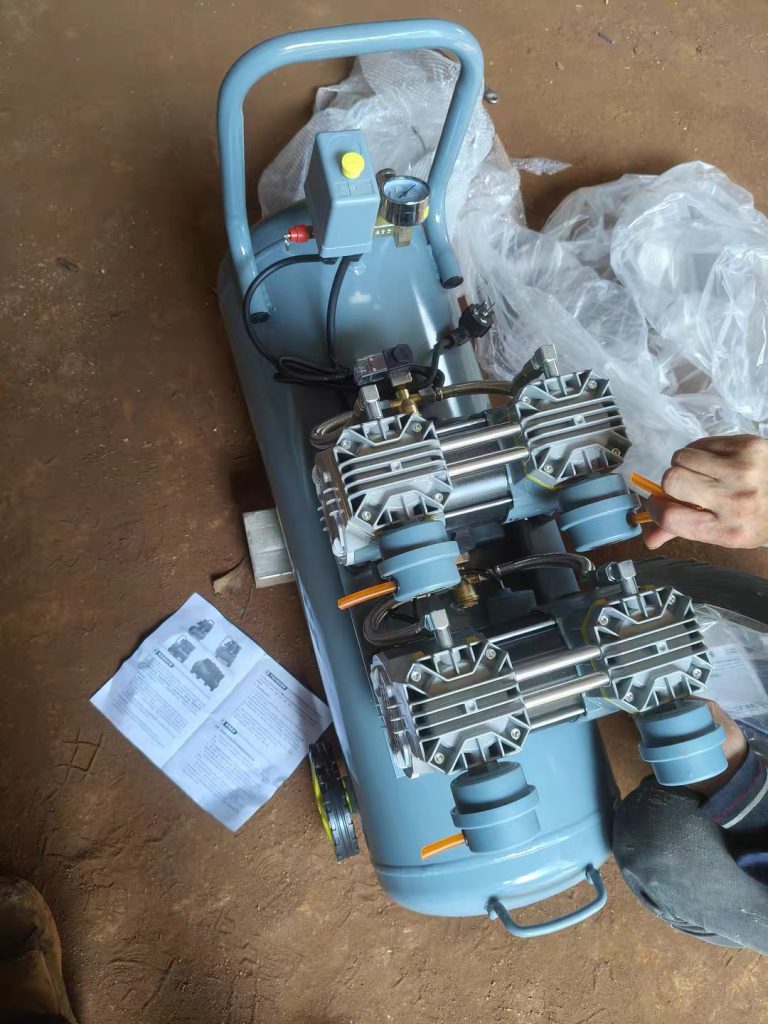
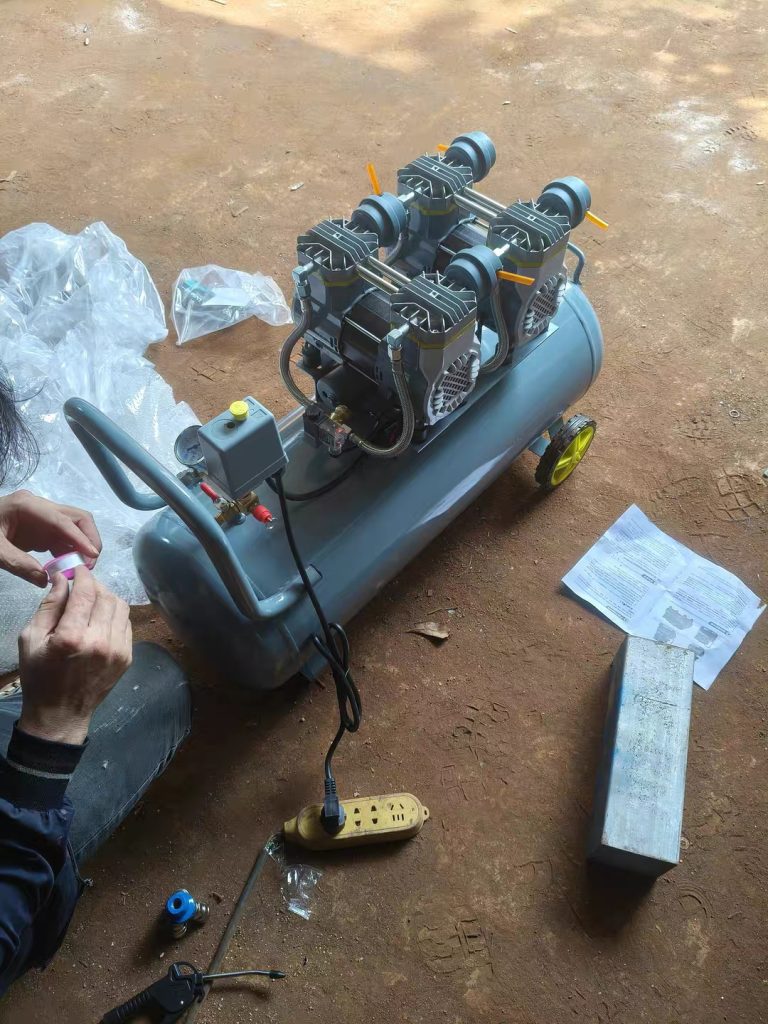
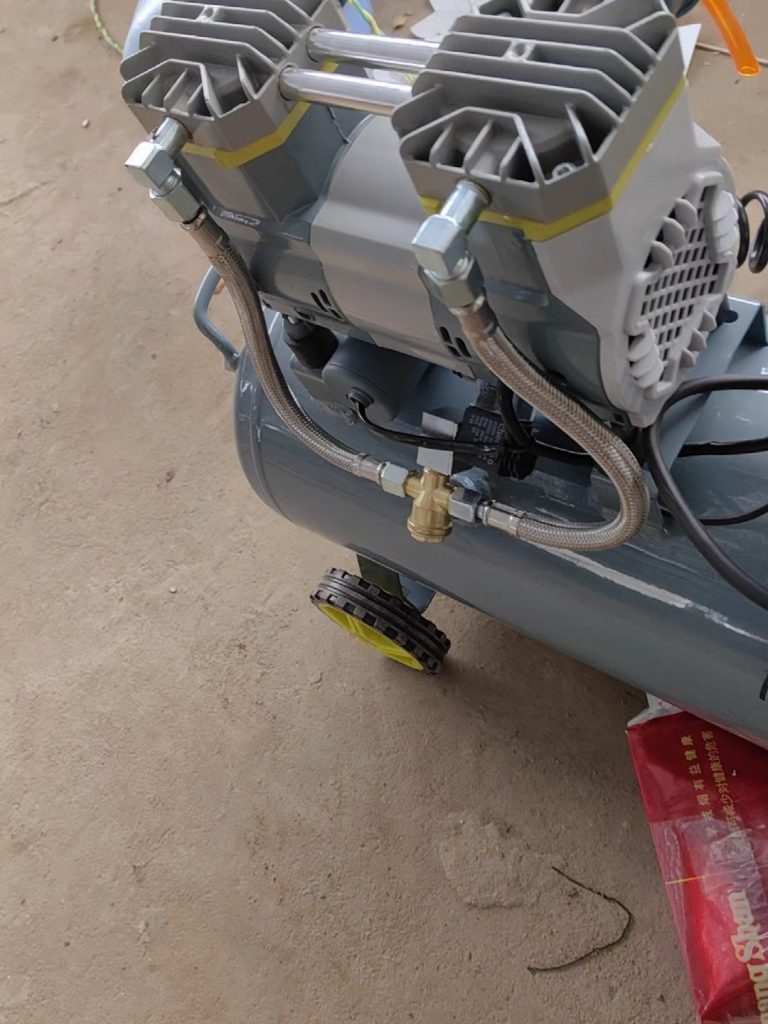
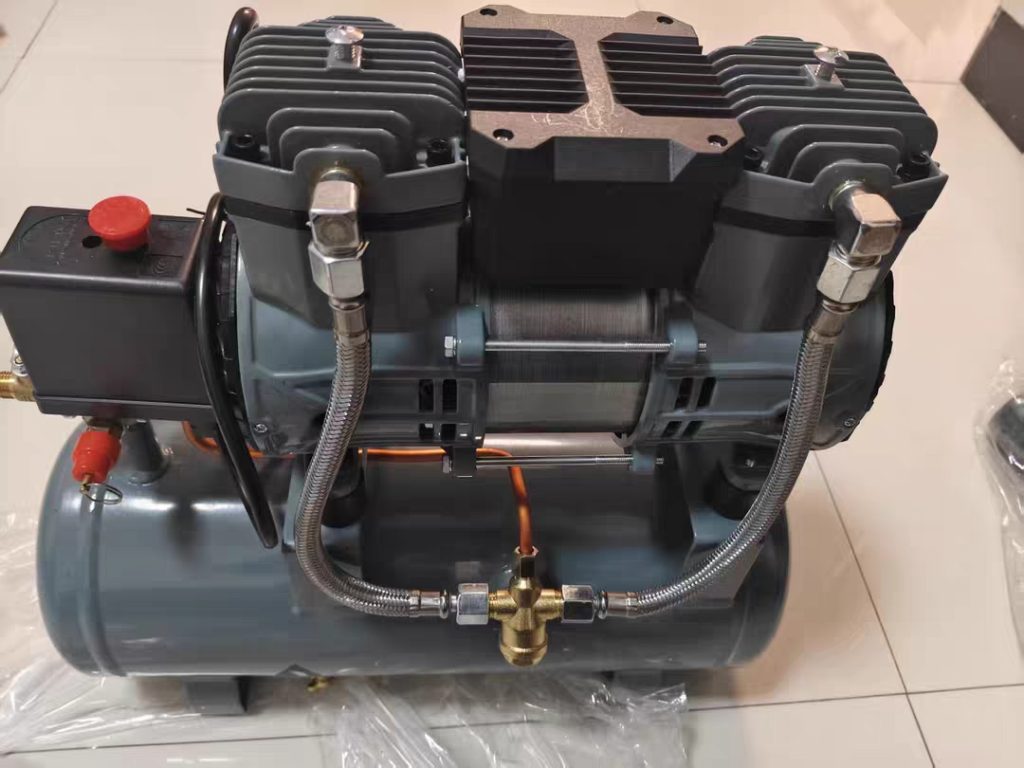
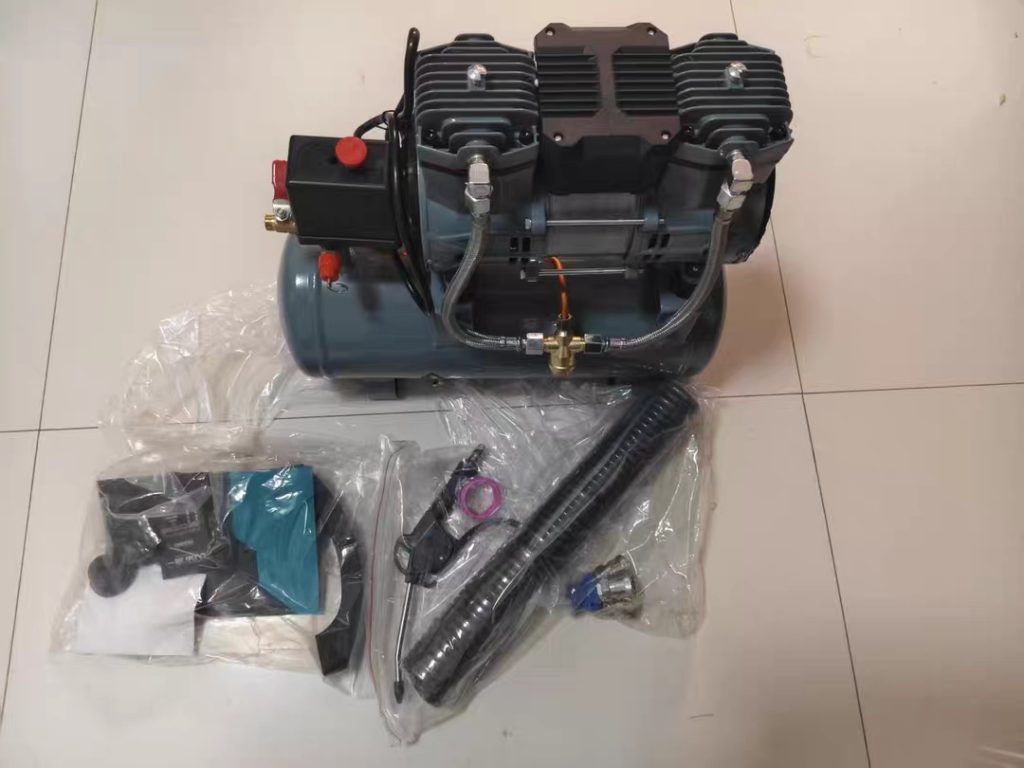
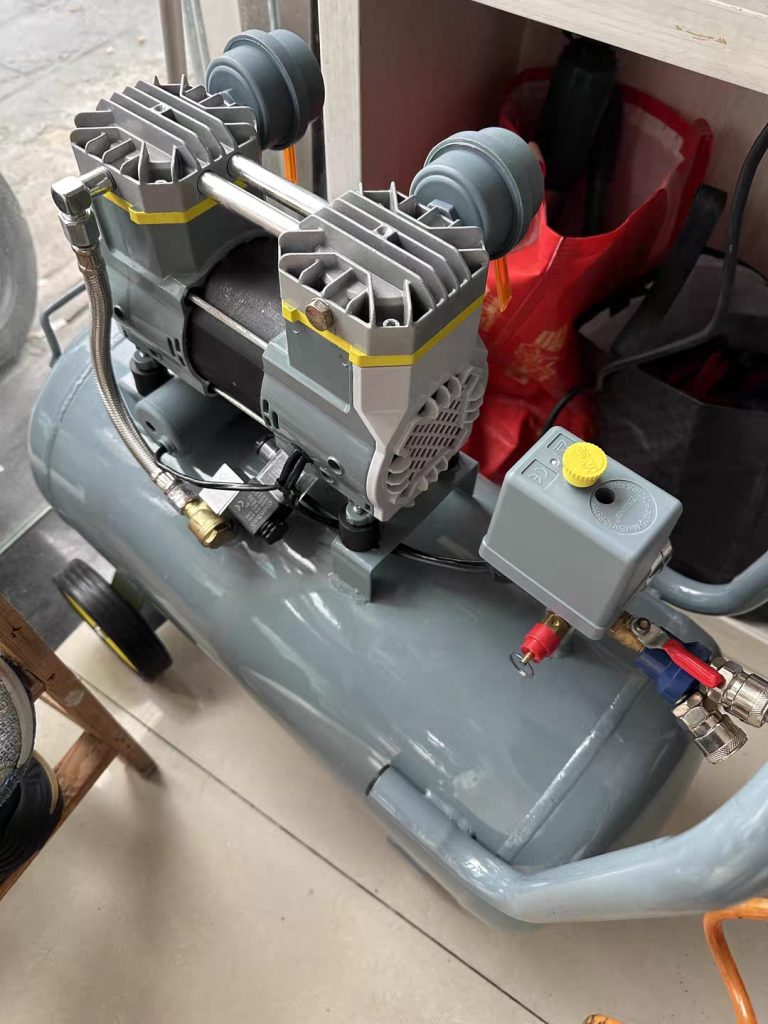
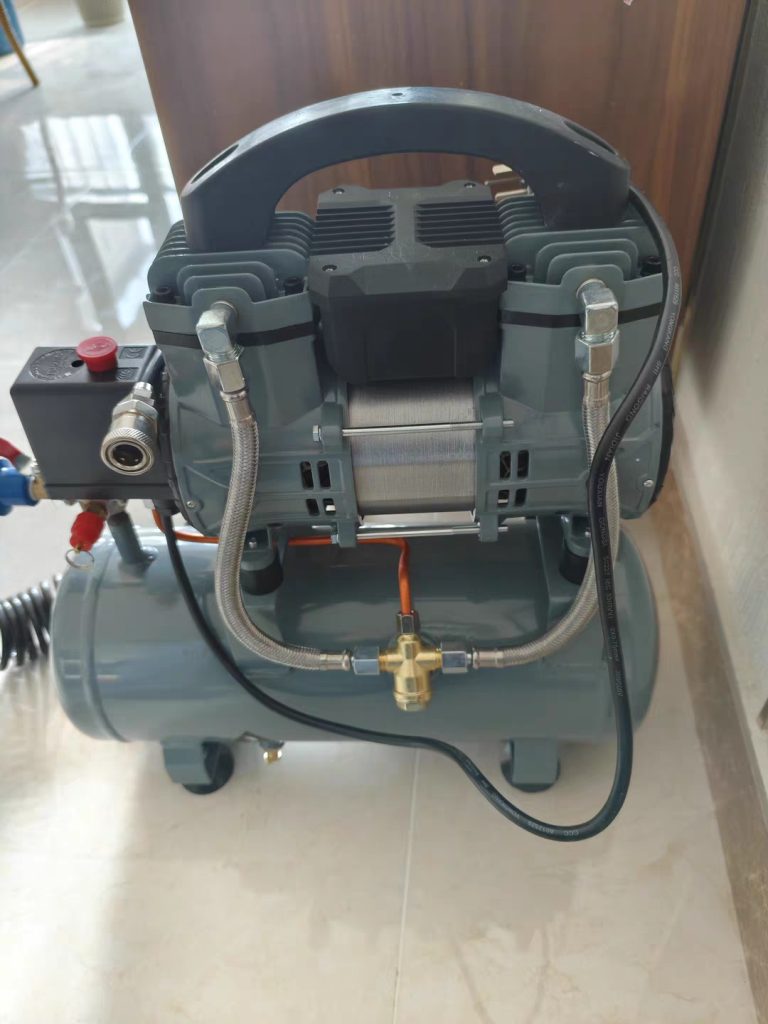
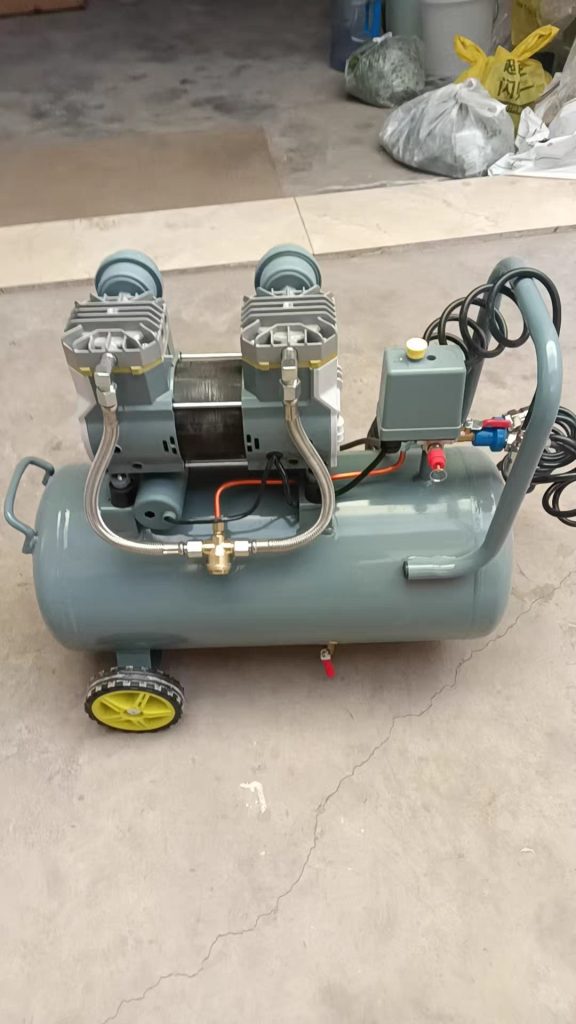
Proper maintenance is essential to maximize the lifespan and efficiency of industrial air compressors. Neglecting maintenance can lead to energy waste, costly repairs, and unexpected downtime. This comprehensive guide provides practical tips, schedules, and best practices to help factories, workshops, and industrial facilities keep their air compressors running smoothly for years.
1. Why Maintenance Matters
Industrial air compressors are complex machines operating under high pressure and temperature. Without proper care:
- Energy consumption increases
- Components wear faster
- Production downtime may occur
- Unexpected failures can be costly
Factories that implement routine maintenance can extend compressor lifespan by 30–50% while reducing electricity costs.
2. Daily Maintenance Tips
-
Check Oil Levels (if oil-lubricated)
- Keep oil at proper level to lubricate moving parts
- Replace oil according to manufacturer guidelines
-
Drain Moisture from Tanks
- Condensation accumulates inside the tank
- Draining prevents rust and protects tools connected to the compressor
-
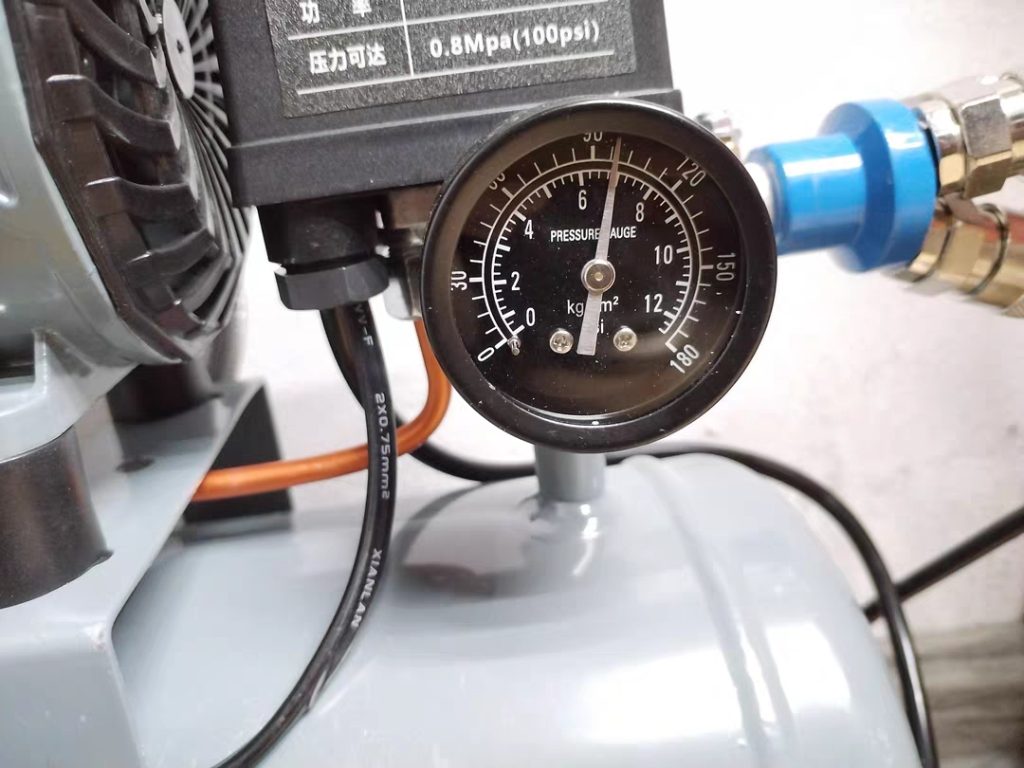
Inspect Pressure Gauges and Safety Valves
- Ensure accurate readings
- Verify safety valves function correctly to prevent overpressure
-
Check for Unusual Noise or Vibrations
- Early detection of mechanical issues prevents larger problems
3. Weekly Maintenance
-
Clean or Replace Air Filters
- Dirty filters reduce airflow and increase energy consumption
- Replace if airflow is restricted
-
Inspect Belts and Couplings
- Look for wear or misalignment
- Adjust tension to manufacturer specifications
-
Check Hoses and Connections
- Ensure no air leaks
- Leaks increase energy use and reduce efficiency
4. Monthly Maintenance
-
Inspect Electrical Components
- Check wiring, switches, and motor connections
- Ensure proper grounding and safe operation
-
Clean Heat Exchangers and Cooling Fins
- Prevent overheating
- Maintain energy efficiency
-
Test Compressor Controls
- Verify pressure settings, timers, and automatic shutdown functions
5. Quarterly Maintenance
-
Change Oil and Lubricants
- Use manufacturer-recommended oils
- Replace filters at the same time
-
Inspect Internal Components
- Check rotors, bearings, valves, and tanks
- Early detection of wear prevents major repairs
-
Check for Corrosion
- Apply rust protection if necessary
- Especially important in humid environments
6. Annual Maintenance
-
Full System Inspection
- Conduct a detailed check of all components
- Include safety devices, electrical, and mechanical systems
-
Performance Testing
- Measure airflow, pressure, and energy efficiency
- Identify any drop in performance
-
Professional Servicing
- Schedule certified technician service
- Replace worn-out components to prevent breakdowns
7. Common Problems and Prevention
| Problem | Cause | Prevention |
|---|---|---|
| Overheating | Poor ventilation, clogged filters | Regular cleaning, proper placement |
| Low Airflow | Dirty filters, leaks, worn valves | Replace filters, fix leaks, check valves |
| Excessive Noise | Loose components, worn bearings | Tighten, lubricate, replace bearings |
| Oil Contamination | Worn seals or improper oil | Regular oil changes, check seals |
| Pressure Drops | Leaks, worn compressor parts | Inspect connections, replace parts |
8. Energy-Saving Maintenance Tips
- Fix Leaks Promptly – Air leaks can waste 20–30% of energy
- Use VSD Compressors – Variable speed drives reduce electricity use
- Maintain Proper Pressure – Avoid overpressurizing to save energy
- Regularly Clean Heat Exchangers – Improves efficiency
- Monitor Usage Patterns – Adjust operation times to match demand
Small maintenance steps can save thousands of dollars annually in energy and repair costs.
9. Safety Tips During Maintenance
- Always turn off and depressurize the compressor before servicing
- Wear protective gear: gloves, goggles, ear protection
- Follow manufacturer guidelines for all procedures
- Avoid bypassing safety devices or valves
- Document maintenance schedules and inspections
10. Tools and Accessories for Easy Maintenance
- Oil drain tanks and funnels
- Digital pressure gauges
- Air filters and replacement kits
- Leak detection sprays
- Lubricants and specialty oils
Using the right tools ensures maintenance is efficient and effective.
11. Conclusion & Call to Action
Regular maintenance of industrial air compressors is essential to ensure long-term performance, energy efficiency, and reduced downtime. By following daily, weekly, monthly, and annual maintenance schedules, factories can extend the life of their equipment and reduce operational costs.
✅ Protect your investment and boost production efficiency—contact us today for expert advice and high-quality industrial air compressors!
⭐ Customer Reviews (Example)
- ⭐ USA – John R. “After following proper maintenance schedules recommended by the supplier, our compressors last years longer than expected.”
- ⭐ Germany – Klaus F. “Energy consumption dropped after we implemented regular inspections and filter replacements.”
- ⭐ India – Priya S. “The guidance on maintenance helped our workshop reduce downtime and keep production smooth.”


No reply content