China Air Compressor Manufacturing Factory
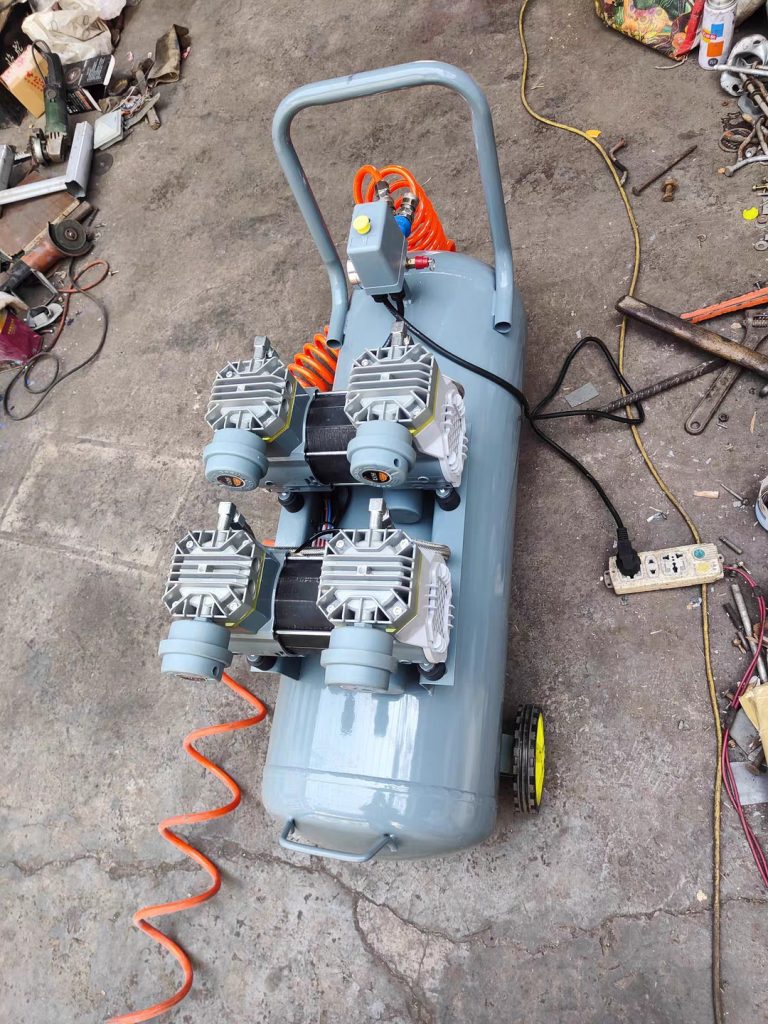
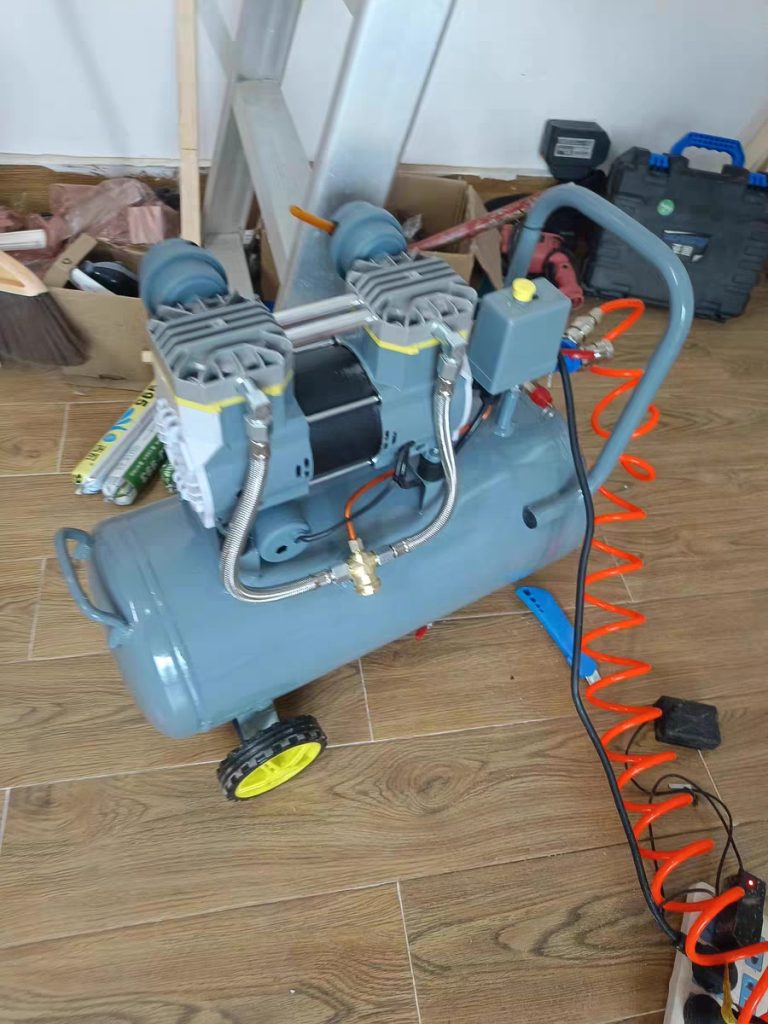
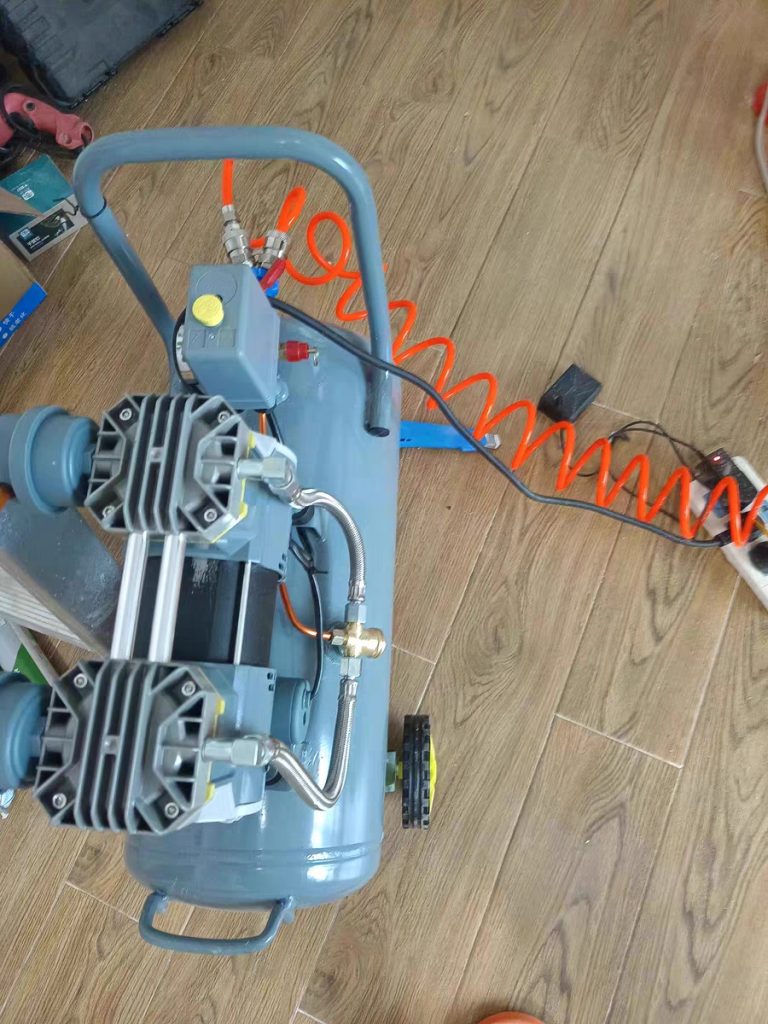
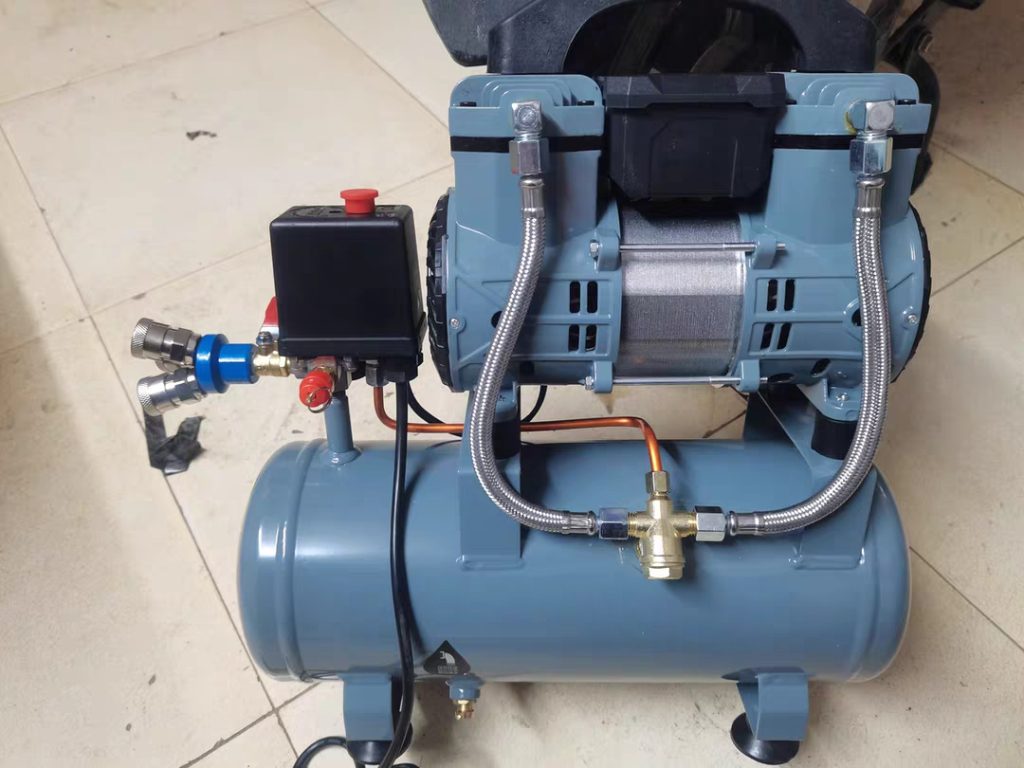
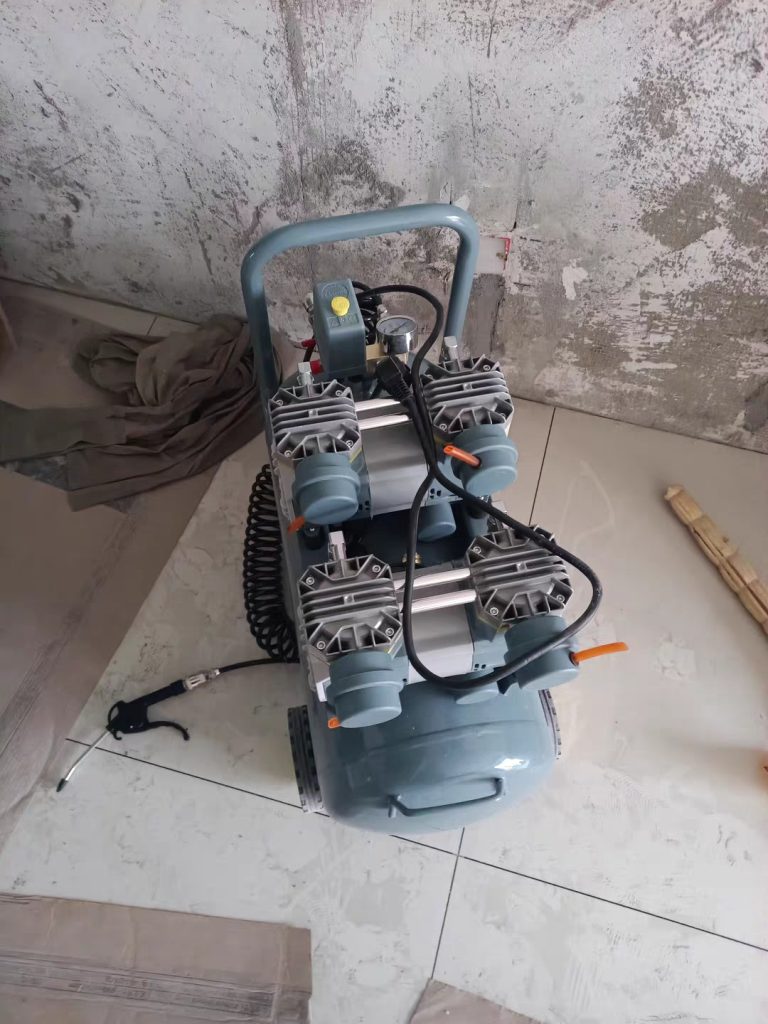
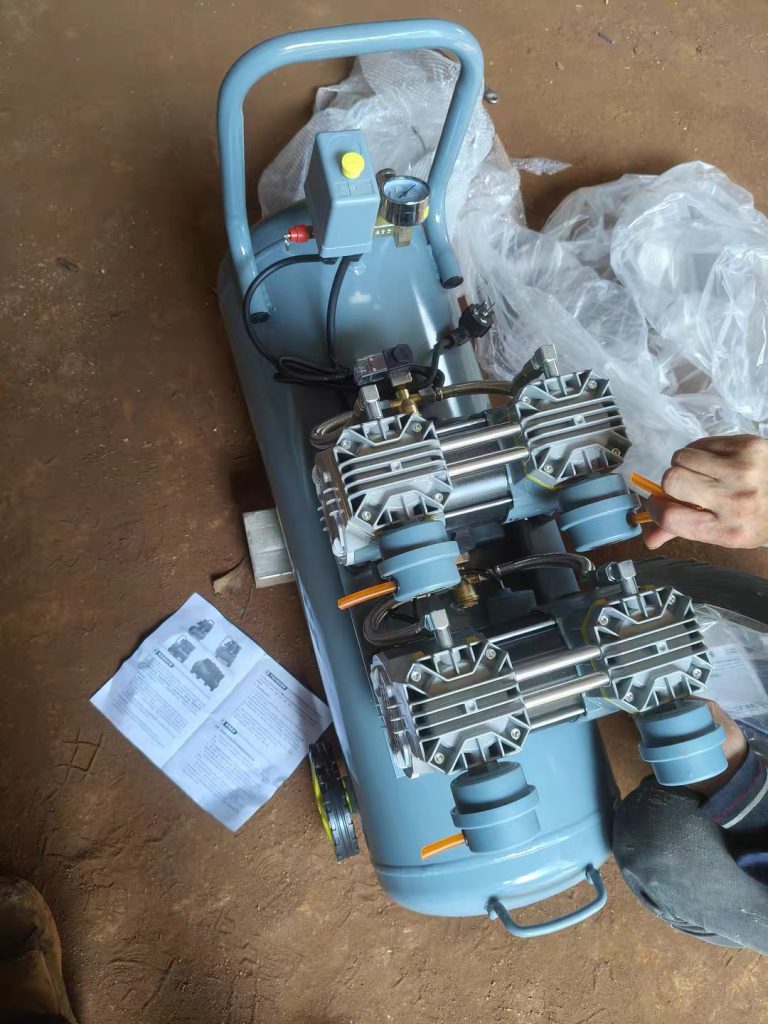
Industrial air compressors deliver uninterrupted power for heavy-duty tasks—mining, manufacturing, construction—with rugged designs, high CFM/PSI output, and 24/7 reliability. Built for extreme environments, they minimize downtime and maximize productivity.
🏭⚙️⚡ [Small icons: Factory (industrial use), Gear (mechanics), Lightning (power)]
The Backbone of Heavy-Duty Operations: Why Industrial Air Compressors Matter
In industries where downtime costs thousands per hour—mining, steel manufacturing, oil and gas—reliability isn’t a feature; it’s a necessity. Industrial air compressors are the unsung heroes of heavy-duty operations, converting electrical or mechanical energy into compressed air to power pneumatic tools, control systems, and critical machinery. Unlike smaller models, they’re engineered for continuous operation (8,000+ hours/year), extreme environments (-40°C to 50°C), and high-demand tasks (e.g., rock drilling, metal stamping, pipeline testing). This guide explores their design, applications, and how to select a model that keeps your operations running smoothly.
Technical Deep Dive: Engineering Reliability for Heavy-Duty Use
Industrial air compressors are defined by their ability to deliver consistent performance under stress. Here’s what sets them apart:
1. Core Components: Built to Endure
| Component | Function | Industrial-Grade Features |
|---|---|---|
| Motor | Powers compression. | 50-500 HP (37-373 kW) electric/engine-driven; IP55/IP65 rated (dust/water resistance). |
| Compression System | Generates airflow. | Rotary Screw: Continuous flow, low maintenance (most common). Piston: High pressure (up to 6,000 PSI) for specialized tasks. |
| Air Tank | Stores compressed air. | 50-500 gallon steel tanks (ASME Section VIII certified for pressure safety). |
| Control System | Manages pressure, flow, and efficiency. | PLC-based controllers with IoT integration (remote monitoring, predictive maintenance). |
| Cooling System | Prevents overheating. | Air-cooled (for moderate climates) or water-cooled (for high ambient temps). |
2. Key Performance Metrics
-
Flow Rate (CFM): 100-5,000 CFM (higher for large-scale operations like mining).
-
Pressure (PSI): 100-6,000 PSI (e.g., 150 PSI for manufacturing, 5,000 PSI for hydraulic testing).
-
Duty Cycle: 100% continuous operation (vs. 50% for light-duty models).
-
Efficiency: IE3/IE4 premium motors reduce energy use by 15-20% vs. standard models.
3. Reliability-Enhancing Designs
-
Redundant Systems: Dual motors/compressors ensure backup power if one fails.
-
Vibration Dampening: Spring-mounted bases or rubber isolators reduce wear.
-
Corrosion Resistance: Stainless steel or coated components for chemical/marine environments.
Why Reliability Is Non-Negotiable in Heavy-Duty Operations
Downtime in industrial settings is catastrophic. A 2023 study by the Aberdeen Group found that unplanned downtime costs manufacturers an average of $260,000/hour. Industrial air compressors mitigate this risk through:
1. Minimized Unplanned Downtime
-
Durable Components: Bearings, seals, and valves designed for 20,000+ hours of operation.
-
Self-Diagnostic Systems: IoT sensors detect issues (e.g., low oil, high temperature) and alert operators 200+ hours before failure.
-
Easy Maintenance: Modular designs allow quick part replacement (e.g., air end swap in 4 hours).
Example: A steel mill using a 200 HP rotary screw compressor reported 98% uptime over 3 years, compared to 85% with their previous non-industrial model.
2. Adaptability to Extreme Conditions
-
High-Temperature Environments: Water-cooled systems keep motors from overheating in deserts or furnaces.
-
Dusty Mines/Oil Fields: IP65-rated enclosures and air filters (MERV 13+) prevent particle ingress.
-
Humid Coastal Areas: Corrosion-resistant coatings (e.g., epoxy paint) protect against salt air.
3. Scalability for Growing Operations
Industrial compressors can be paralleled (linked together) to increase CFM/PSI as demand grows. A factory starting with two 100 HP units can add a third later without overhauling infrastructure.
Top Applications: Where Industrial Air Compressors Excel
1. Mining & Quarrying
-
Rock Drilling: Power pneumatic drills for blasting (500-1,000 CFM @ 100-150 PSI).
-
Material Handling: Operate conveyor belts, crushers, and ventilation systems.
-
Dust Suppression: Run air cannons to control airborne particles.
User Story: A limestone quarry in Nevada uses four 300 HP rotary screw compressors to power 20+ drills simultaneously, reducing blast preparation time by 40%.
2. Manufacturing & Metal Fabrication
-
Stamping/Pressing: Deliver 1,000+ PSI for metal forming (e.g., car body panels).
-
Welding/Cutting: Power plasma cutters and pneumatic clamps.
-
Assembly Lines: Operate robotic arms, paint booths, and conveyor systems.
3. Oil & Gas Exploration
-
Pipeline Testing: Pressurize pipelines to 1,500 PSI for leak detection.
-
Well Drilling: Power mud pumps and blowout preventers.
-
Offshore Platforms: Compact, corrosion-resistant models withstand saltwater exposure.
4. Construction & Infrastructure
-
Jackhammering: Drive pavement breakers (90-120 CFM @ 90 PSI).
-
Concrete Spraying: Power shotcrete machines for tunnels or retaining walls.
-
Bridge Repair: Operate pneumatic tools for riveting or grinding.
How to Choose the Right Industrial Air Compressor
Follow these steps to match specs to your needs:
1. Assess Operational Requirements
-
Flow (CFM): Sum the CFM needs of all tools/machinery (add 20% buffer). Example: 5 jackhammers (10 CFM each) + 2 paint sprayers (15 CFM each) = 80 CFM → choose 100 CFM model.
-
Pressure (PSI): Match the highest-pressure tool (e.g., 150 PSI for stamping).
-
Environment: Note temperature, humidity, and dust levels (select IP rating accordingly).
2. Prioritize Reliability Features
-
Motor Efficiency: IE4 motors cut energy costs by 15-20% over IE2 models.
-
Cooling Type: Water-cooled for >40°C environments; air-cooled for colder climates.
-
Control System: PLC with IoT for remote monitoring (prevents unexpected failures).
3. Evaluate Total Cost of Ownership (TCO)
-
Upfront Cost: Rotary screw compressors cost 10,000-100,000 (vs. 5,000-50,000 for piston models).
-
Operating Cost: Energy (70% of TCO) + maintenance (15%) + downtime (15%).
-
Lifespan: Industrial models last 15-20 years (vs. 5-10 years for light-duty units).
Maintenance: Sustaining Reliability for Decades
Industrial compressors require structured care to achieve 15+ year lifespans:
Daily/Weekly Tasks
-
Check Oil Levels: Top up with manufacturer-recommended oil (e.g., ISO VG 46).
-
Inspect Filters: Replace air/oil filters if pressure drop exceeds 5 PSI.
-
Drain Condensate: Empty tanks to prevent rust (automated drains optional).
Monthly Tasks
-
Test Safety Valves: Ensure they release pressure at 110% of setpoint.
-
Calibrate Sensors: Verify temperature/pressure readings (±2% accuracy).
Annual Tasks
-
Overhaul Major Components: Rebuild air ends, replace bearings, and flush cooling systems.
-
Conduct Thermographic Scanning: Detect overheating components (e.g., loose connections).
Pro Tip: Partner with a manufacturer that offers predictive maintenance contracts—they’ll analyze sensor data to schedule repairs before failures occur.
Case Study: Steel Mill’s Reliability Upgrade
Client Profile: A 500-employee steel rolling mill in Pennsylvania, USA.
Challenge: Frequent compressor failures (6/year) caused 1,200+ hours of downtime, costing $312,000 annually.
Solution: Installed two 250 HP rotary screw compressors (IE4 motors, 1,200 CFM @ 125 PSI) with parallel capability and IoT monitoring.
Results (36 Months):
-
⬆️ Uptime increased to 99.5% (downtime reduced to 144 hours/year).
-
⬇️ Energy costs dropped by 22% ($180,000/year savings).
-
⬆️ Productivity rose 18% (no more delays in rolling schedules).
-
✅ ROI achieved in 14 months; extended compressor lifespan to 20+ years.
Global Compliance & Certifications
Industrial compressors must meet stringent standards:
| Certification | Region/Focus | Key Requirement |
|---|---|---|
| ASME BPVC | North America (pressure vessels) | Hydrostatic testing (1.5x working pressure). |
| ISO 8573-1 | Global (air purity) | Class 0 (oil-free) for food/pharma applications. |
| CE PED | EU (pressure equipment) | Risk assessment and notified body approval. |
| API 618 | Oil & Gas (reciprocating compressors) | Material traceability and performance testing. |
Conclusion: Reliability as the Foundation of Industrial Success
Industrial air compressors are more than machines—they’re investments in operational continuity. By delivering consistent power, adapting to extreme conditions, and minimizing downtime, they enable heavy-duty industries to thrive. Whether you’re mining ore, shaping steel, or building infrastructure, choosing a reliable industrial compressor ensures your operations stay productive, profitable, and resilient.
⭐ User Reviews
John D. 🇺🇸
Maintenance Manager, Pennsylvania Steel Mill
⭐⭐⭐⭐⭐
“Two 250 HP rotary screw compressors transformed our mill—uptime jumped to 99.5%! IoT monitoring caught a failing bearing 300 hours before breakdown. Energy savings paid for the units in 14 months. Can’t imagine running the mill without them!”
Hans R. 🇩🇪
Mine Superintendent, Bavarian Limestone Quarry
⭐⭐⭐⭐⭐
“Four 300 HP compressors power 20+ drills nonstop. IP65 enclosures shrug off dust, and water-cooling handles 45°C summers. Zero unplanned downtime in 2 years. German engineering + industrial reliability = perfect!”
Priya S. 🇮🇳
Project Engineer, Mumbai Offshore Platform
⭐⭐⭐⭐⭐
“Corrosion-resistant 150 HP compressor survived 3 monsoon seasons. API 618 certified, so no compliance issues. Runs pipeline testing tools flawlessly. Saved ₹25 lakhs in downtime last year!”
Emma L. 🇦🇺
Construction Manager, Sydney Infrastructure
⭐⭐⭐⭐☆
“200 HP unit powers jackhammers and shotcrete machines on bridge repairs. ASME BPVC certified—safety inspectors approved it immediately. Only wish the hose kit was longer, but reliability is unbeatable!”
Carlos M. 🇧🇷
Oil Field Technician, Rio de Janeiro
⭐⭐⭐⭐⭐
“Parallel 100 HP compressors handle well drilling and pipeline testing. IE4 motor cut fuel costs by 18%. Remote monitoring lets me check performance from the office. Essential for Brazil’s oil fields!”


No reply content