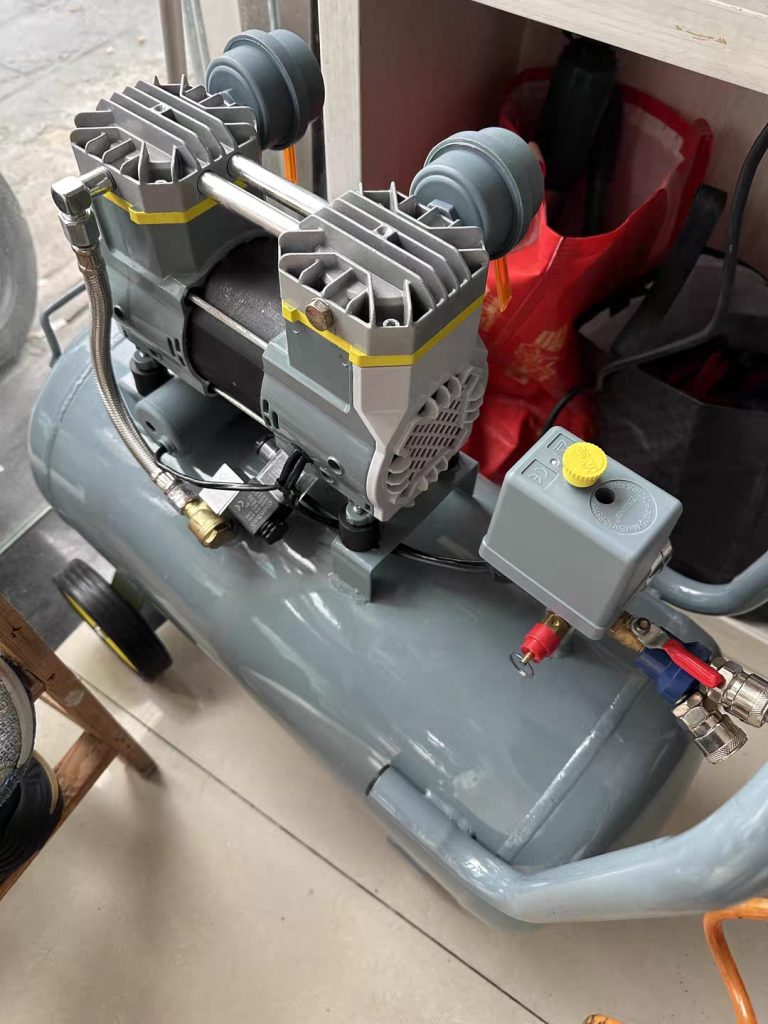
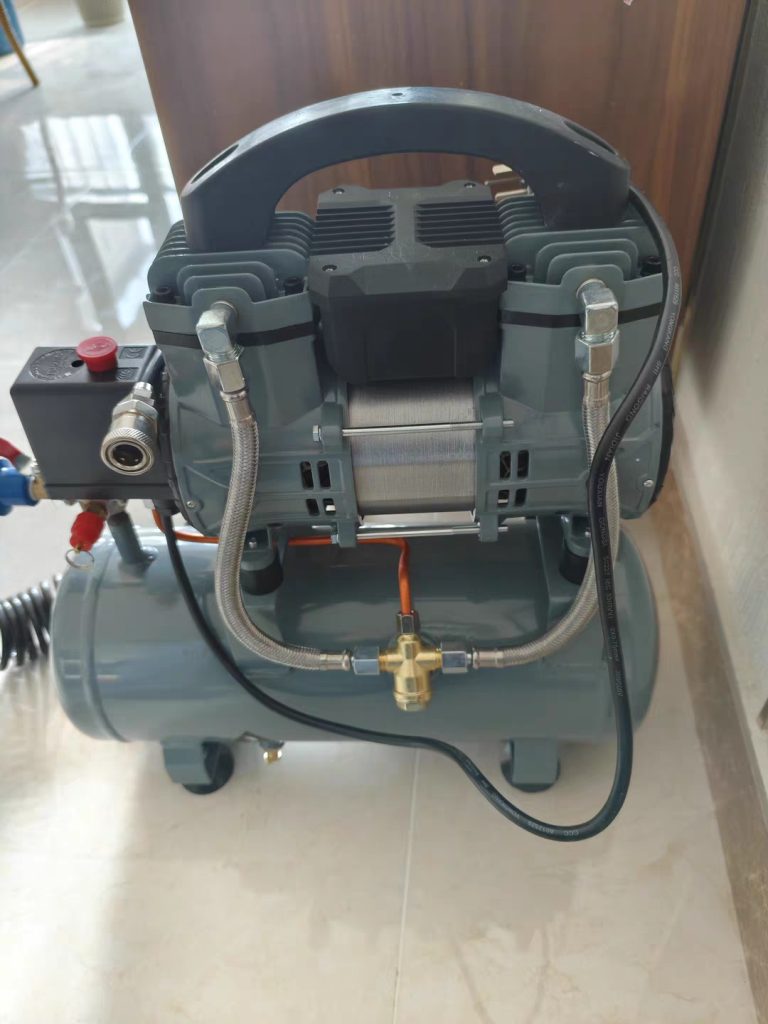
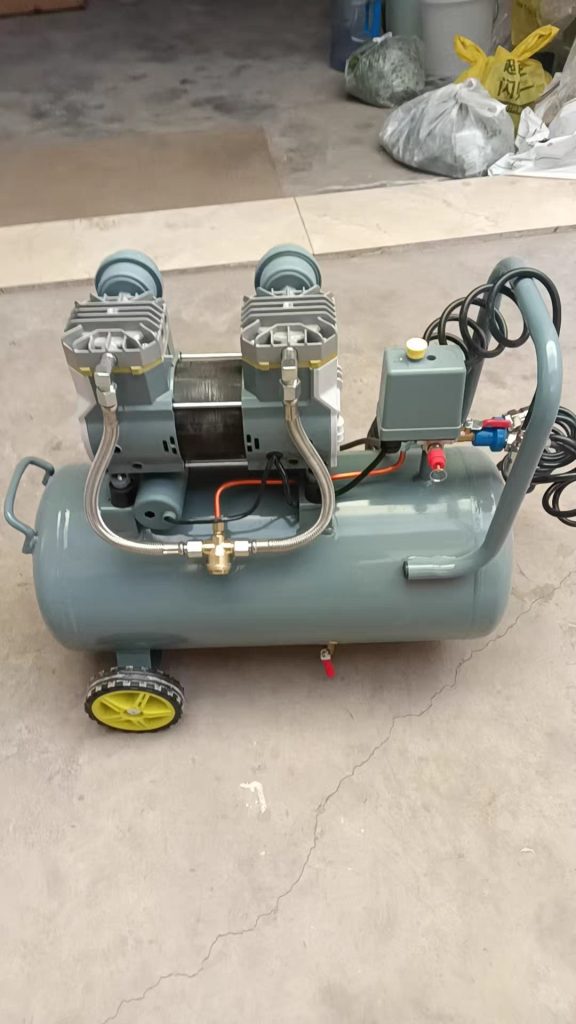
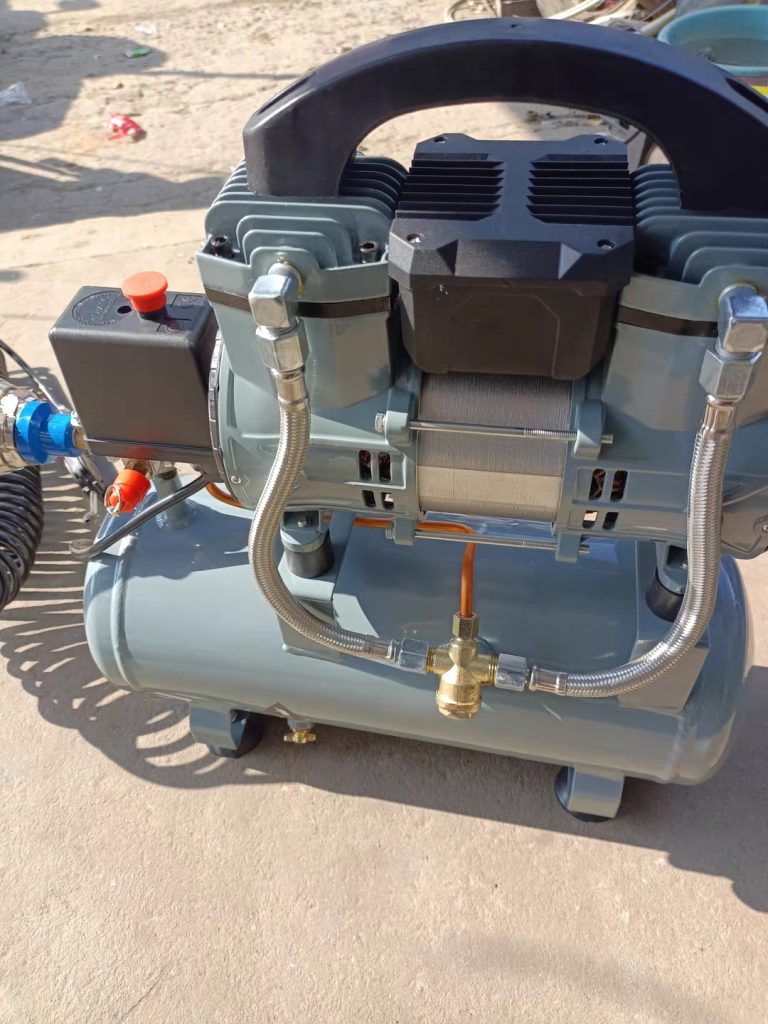
Experienced Air Compressor Manufacturer and Industrial Compressed Air System Integrator
We are a professional air compressor manufacturer and compressed air system solution provider with extensive experience in rotary screw compressor production, oil-free air technology engineering, variable frequency drive (VFD) optimization, permanent magnet motor integration, air dryer system design, and turnkey compressed air station construction.Our engineering team has supported factories across automotive, food processing, pharmaceutical, electronics, mining, textile, and heavy manufacturing industries. This comprehensive guide reflects real-world installation experience, energy audits, performance testing, and lifecycle maintenance practices. It follows E-E-A-T principles (Experience, Expertise, Authoritativeness, Trustworthiness) to help procurement managers, plant engineers, distributors, and industrial investors make informed decisions when selecting air compressor equipment.
High-Efficiency Industrial Air Compressor Equipment for Manufacturing, Processing, and Energy-Optimized Production Facilities
Compressed air is often called the “fourth utility” in industrial environments, alongside electricity, water, and gas. From powering pneumatic tools to operating automated production lines, compressed air systems are fundamental to modern industry.
If you are searching for:
- Industrial rotary screw air compressor manufacturer
- Oil-free compressed air system supplier
- Variable speed air compressor factory
- Permanent magnet VFD compressor exporter
- High-pressure piston air compressor provider
- Complete compressed air station turnkey contractor
This in-depth technical guide explores compressor types, core components, air treatment systems, energy-saving strategies, installation considerations, industry applications, maintenance planning, compliance standards, pricing factors, and future technological trends.
⚙️ 1. Main Types of Industrial Air Compressors
🔩 Rotary Screw Air Compressors
Rotary screw compressors are widely used in continuous industrial operations.
Key Characteristics:
- Continuous 24/7 operation capability
- Low vibration and stable airflow
- Oil-injected or oil-free design options
- High efficiency for medium to large factories
They are ideal for manufacturing plants with stable air demand.
🛠 Reciprocating (Piston) Air Compressors
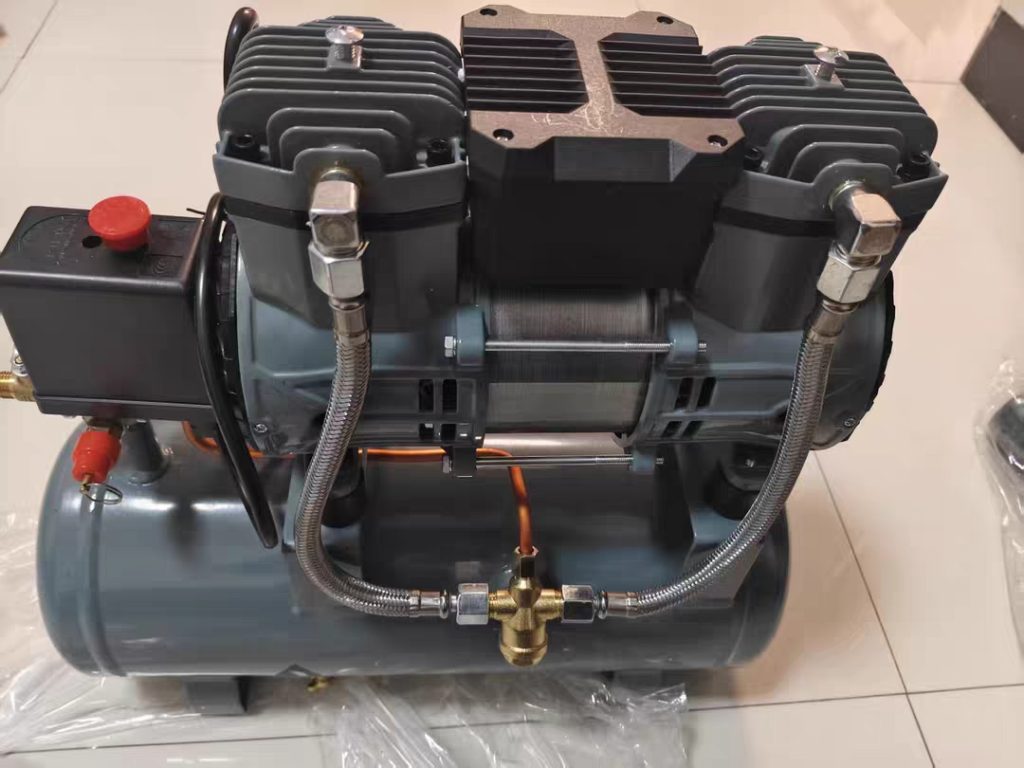
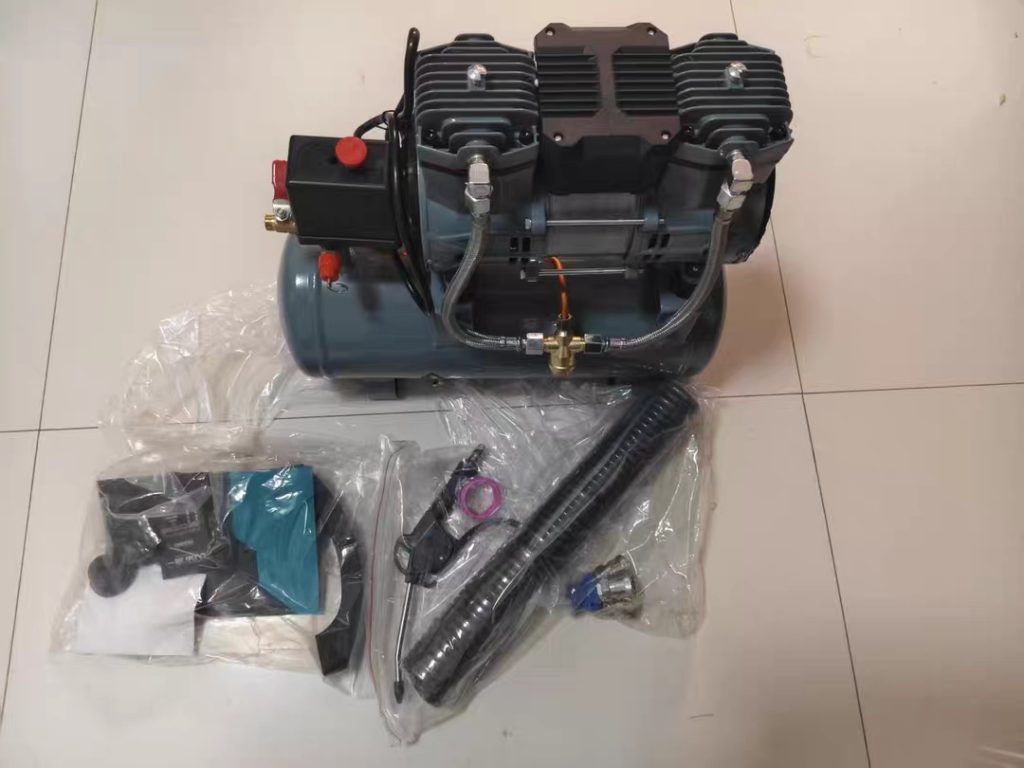
Piston compressors are suitable for intermittent use and high-pressure requirements.
Applications:
- Automotive workshops
- Small fabrication facilities
- High-pressure gas compression
- Laboratory applications
They are cost-effective for lower air consumption scenarios.
🌬 Oil-Free Air Compressors
Oil-free compressors deliver clean, contamination-free air.
Essential Industries:
- Food and beverage processing
- Pharmaceutical manufacturing
- Electronics assembly
- Medical facilities
Oil-free technology ensures compliance with strict air purity standards.
🔋 2. Energy-Efficient Variable Frequency Drive (VFD) Technology
Energy consumption accounts for up to 70% of an air compressor’s lifecycle cost.
Benefits of VFD Compressors:
- Adjust motor speed according to air demand
- Reduce energy waste during low load
- Lower starting current
- Maintain stable pressure output
Permanent magnet synchronous motors (PMSM) further enhance energy efficiency.
🧠 3. Core Components of Industrial Air Compressor Systems
Understanding system architecture improves purchasing decisions.
🔧 Airend (Compression Element)
The airend determines performance efficiency and durability. High-precision rotor machining improves compression ratio.
⚡ Motor System
- Induction motors
- Permanent magnet motors
- IE3 / IE4 high-efficiency motors
🌡 Cooling System
- Air-cooled systems
- Water-cooled systems
- Integrated heat exchangers
🧰 Intelligent Controller
- Touchscreen PLC interface
- Remote monitoring capability
- Fault diagnosis system
- IoT cloud integration
🏭 4. Complete Compressed Air Treatment Solutions
Raw compressed air contains moisture, oil vapor, and particulates.
Essential Treatment Equipment:
- Refrigerated air dryers
- Desiccant adsorption dryers
- Precision line filters
- Activated carbon filters
- Air receiver tanks
Proper air treatment protects downstream machinery.
📊 5. Compressed Air System Design and Sizing
Incorrect sizing leads to inefficiency and pressure instability.
Key Design Considerations:
- Required airflow (CFM or m³/min)
- Working pressure (bar or PSI)
- Peak demand fluctuation
- Pipe diameter and layout
- Future expansion capacity
Professional system audits improve performance and reduce operating cost.
🏗 6. Industrial Applications of Air Compressors
🚗 Automotive Manufacturing
- Robotic assembly lines
- Spray painting systems
- Pneumatic tool operation
🧴 Food and Beverage Industry
- Packaging automation
- Bottle blowing systems
- Pneumatic conveyors
💊 Pharmaceutical Production
- Cleanroom air supply
- Tablet pressing equipment
- Sterile packaging systems
🏗 Construction and Mining
- Drilling equipment
- Sandblasting
- Heavy pneumatic tools
Each industry has unique airflow and purity requirements.
🔍 7. Installation and Commissioning Process
Professional installation includes:
- Foundation preparation
- Vibration isolation placement
- Electrical wiring connection
- Air pipeline installation
- Dryer and filter integration
- Pressure testing
- Trial operation and parameter adjustment
Improper installation can reduce efficiency and lifespan.
🔐 8. Compliance and Certification Standards
Industrial compressors must meet international regulations.
Common Certifications:
- CE certification
- ISO 9001 manufacturing standards
- ASME pressure vessel compliance
- RoHS environmental compliance
Food and pharmaceutical industries may require ISO 8573 air purity standards.
💰 9. Cost Structure and Investment Considerations
Air compressor pricing depends on:
- Capacity and pressure rating
- Motor type
- Oil-free vs oil-injected design
- Integrated air dryer inclusion
- Smart controller options
- Brand reputation
- Service support availability
Although oil-free systems have higher initial costs, they reduce contamination risks and maintenance expenses.
🔧 10. Preventive Maintenance and Lifecycle Management
Regular maintenance ensures reliability.
Routine Maintenance Tasks:
- Air filter replacement
- Oil and separator replacement (oil-injected models)
- Belt inspection
- Cooling system cleaning
- Pressure valve testing
Predictive maintenance systems reduce unexpected downtime.
🌱 11. Energy Saving Strategies for Compressed Air Systems
Energy optimization improves profitability.
Effective Measures:
- Leak detection and repair
- Proper pipe sizing
- Heat recovery system installation
- Pressure optimization
- Centralized monitoring
Heat recovery systems can reuse compressor waste heat for water heating.
📈 12. Emerging Trends in Air Compressor Technology
The future of compressed air includes:
- IoT-enabled smart monitoring
- AI-based predictive diagnostics
- Oil-free magnetic bearing compressors
- Carbon-neutral manufacturing integration
- High-efficiency centrifugal compressor systems
Digitalization improves reliability and transparency.
🏢 13. Choosing a Reliable Air Compressor Manufacturer
Selecting the right supplier requires evaluating:
- Production capacity
- Engineering expertise
- Spare parts availability
- Global service network
- Technical documentation quality
- After-sales support responsiveness
Professional manufacturers provide customized system solutions rather than just standalone equipment.
🔄 14. Turnkey Compressed Air Station Projects
Large factories often require integrated systems.
Turnkey Services Include:
- Load analysis
- System design
- Equipment supply
- Installation supervision
- Performance testing
- Energy efficiency audit
- Long-term service contracts
Turnkey solutions reduce risk and simplify project management.
❓ FAQ – Industrial Air Compressor Systems
1. What is the difference between oil-free and oil-injected compressors?
Oil-injected compressors use lubricating oil inside the compression chamber, while oil-free compressors avoid oil contact, ensuring clean air suitable for sensitive industries.
2. How do I determine the correct compressor size?
You must calculate total airflow demand (CFM or m³/min), working pressure, and future expansion needs. A professional air audit is recommended.
3. How often should maintenance be performed?
Routine inspections should be conducted monthly, with major servicing based on operating hours (typically every 2,000–4,000 hours).
4. Are VFD compressors worth the investment?
Yes. Variable speed compressors significantly reduce energy consumption, especially in facilities with fluctuating air demand.
5. Can compressed air systems be upgraded later?
Yes. Modular design allows adding compressors, upgrading dryers, and integrating smart monitoring systems as demand increases.
Conclusion: Reliable, Energy-Efficient, and Industry-Optimized Compressed Air Solutions
Industrial air compressors are critical infrastructure in modern production environments. From rotary screw compressors to oil-free systems and intelligent VFD solutions, selecting the right equipment requires technical understanding, lifecycle cost evaluation, and professional system design.
By partnering with an experienced air compressor manufacturer and compressed air system integrator, businesses gain:
- Optimized energy performance
- Reliable long-term operation
- Compliance with international standards
- Customizable industrial solutions
- Professional after-sales support
For a customized quotation and system proposal, please provide:
- Required airflow (CFM or m³/min)
- Working pressure (bar or PSI)
- Industry application
- Daily operating hours
- Installation country
- Budget range
Our engineering team will design a tailored compressed air solution aligned with your operational efficiency and long-term sustainability goals.


No reply content