
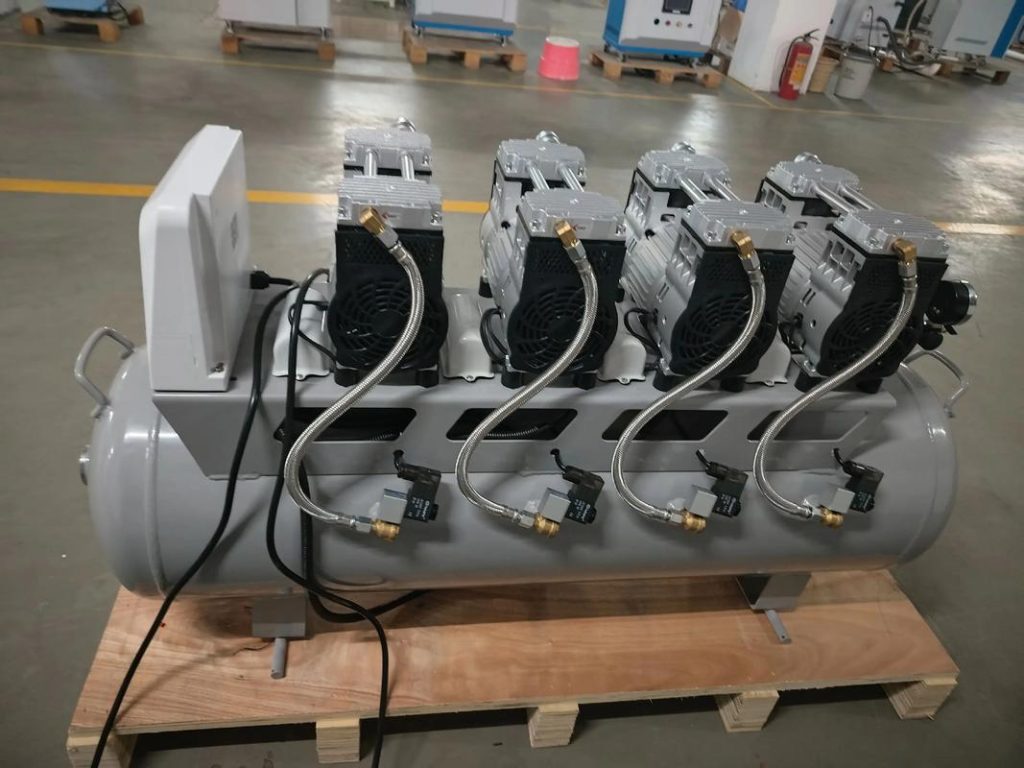
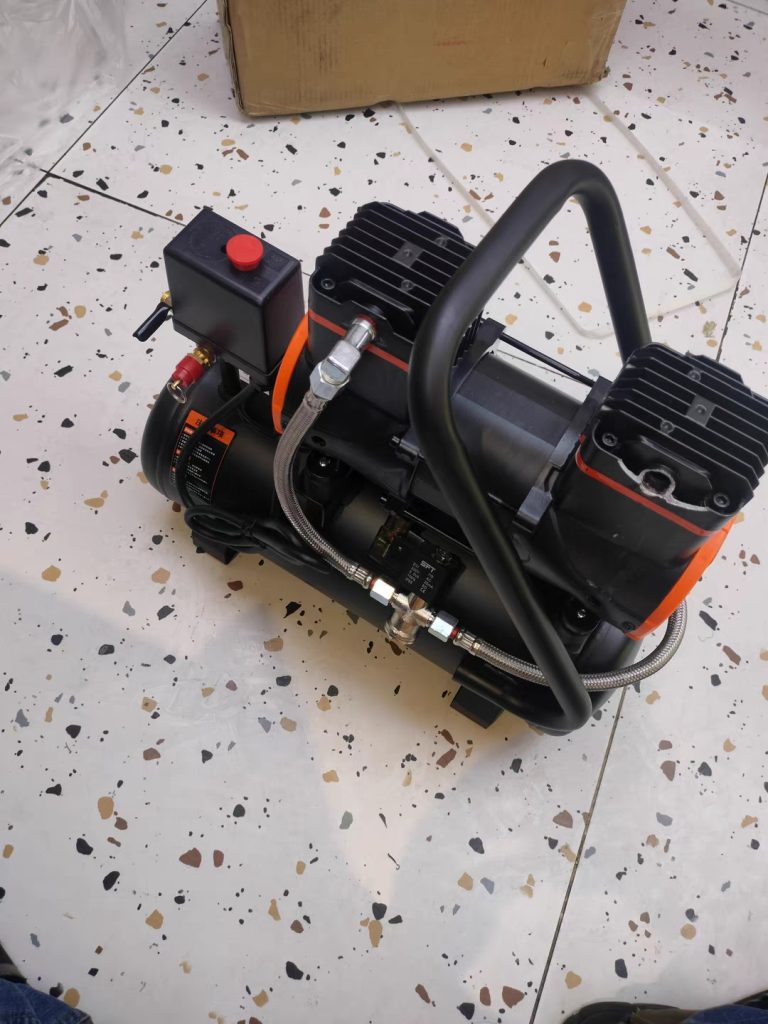
Compressed air powers modern manufacturing. Choosing the right supplier requires evaluating technical expertise, production experience, quality assurance systems, and after-sales support for long-term operational efficiency.
Introduction: The Critical Role of Compressed Air
Compressed air is the unseen engine behind automation, robotics, packaging, and production lines. Many industrial buyers focus on upfront cost, overlooking long-term efficiency and reliability. This human-written guide provides a structured approach to selecting air compressor suppliers, applying E-E-A-T principles—Experience, Expertise, Authoritativeness, and Trustworthiness—to guide strategic decisions.
Section 1: Understanding Industrial Air Compressor Types
Industrial air compressors are categorized by operation and application:
Rotary Screw Compressors
- Continuous operation, stable airflow
- High energy efficiency
- Widely used in automotive, electronics, and assembly lines
Oil-Free Compressors
- Essential for sensitive applications (pharmaceuticals, food, electronics)
- Deliver contaminant-free air
- Require high manufacturing precision
Piston/Reciprocating Compressors
- Suitable for intermittent or low-volume operations
- Cost-effective for workshops and small-scale factories
- Less efficient for continuous industrial use
Portable Diesel Compressors
- Designed for outdoor use and construction
- Durable and mobile
- Ideal for temporary industrial projects
Knowing these types ensures supplier selection matches operational requirements.
Section 2: Experience – The Foundation of Reliability
Experience goes beyond years; it reflects real-world problem-solving and iterative improvement.
Indicators of experienced suppliers:
- 10+ years of industrial compressor production
- Multiple generations of product improvement
- Case studies in diverse industrial conditions
- Lessons learned from operational challenges
Experienced suppliers refine rotor profiles, cooling channels, oil separation, and vibration/noise reduction systems. Real-world experience guarantees long-term reliability.
Section 3: Expertise – Engineering Depth
Expertise differentiates suppliers that simply assemble from those that engineer optimized solutions.
Airend Design
- Rotor precision and alignment
- Surface durability treatment
- Bearing load distribution and balancing
- Pressure-flow optimization
Energy Efficiency
- Specific power reduction (kW/m³/min)
- Variable frequency drive integration
- Idle-loss reduction and demand-based load management
Cooling System Design
- Optimized airflow and heat dissipation
- Oil and air temperature stability
- Adaptation to high temperature and humidity
Suppliers with strong expertise provide quantitative performance data, not just marketing claims.
Section 4: Authoritativeness – Standards and Structured Management
Authoritative suppliers demonstrate structured management:
- ISO 9001 or equivalent quality systems
- Pressure vessel and electrical compliance
- Standard operating procedures (SOPs) with full traceability
- Production documentation for audits
Structured management ensures consistent manufacturing quality.
Section 5: Trustworthiness – Transparency and Quality Control
Trustworthy suppliers are transparent:
- Technical documentation and performance reports
- Noise and energy testing results
- Continuous load and endurance tests
- Clear warranty and service policies
Quality control workflow:
- Material inspection
- CNC verification
- Assembly calibration
- Leak testing
- Full-load performance check
- Endurance testing
- Final inspection and documentation
- Export packaging
Virtual or third-party audits enhance trust.
Section 6: Lifecycle Cost Considerations
Total cost of ownership includes:
- Energy consumption
- Maintenance and service intervals
- Spare parts replacement
- Downtime and lost productivity
- Efficiency degradation over time
Energy-efficient, reliable compressors reduce operational expenses and maximize ROI.
Section 7: After-Sales Support
Strong after-sales infrastructure ensures continuous operations:
- Spare parts inventory
- Technical manuals and documentation
- Remote diagnostics
- Clear warranty and service response times
Reliable support minimizes downtime and protects industrial investment.
Section 8: Customization and Operational Flexibility
Top-tier suppliers offer tailored solutions:
- Voltage/frequency customization
- Climate-specific configurations
- Control panel language localization
- Energy-saving integration
- Remote monitoring and diagnostics
Flexibility reflects engineering depth and operational maturity.
Section 9: Risk Assessment
Professional buyers watch for:
- Vague or inconsistent technical specifications
- Limited performance or energy data
- Poor spare parts availability
- Weak communication and support
- Unclear warranty policies
Identifying risks early reduces operational and financial exposure.
Section 10: Structured Supplier Evaluation
Objective evaluation uses a scoring system:
| Category | Weight | Key Metrics |
|---|---|---|
| Experience | 20% | Years, operational case studies |
| Expertise | 25% | Engineering depth, airend performance |
| Compliance | 15% | ISO certification, SOPs |
| Quality Control | 20% | Testing transparency, documentation |
| After-Sales Support | 10% | Spare parts, response time |
| Energy Efficiency | 10% | Specific power, operational stability |
This ensures data-driven supplier selection.
Section 11: Insights from Industrial Buyers
Industrial buyers value:
- Stable air pressure and flow
- Low noise and vibration
- Predictable maintenance schedules
- Reliable spare parts supply
- Transparent technical communication
Consistency and reliability are the best indicators of supplier value.
Conclusion: Ensuring Long-Term Industrial Success
Selecting an air compressor supplier is a strategic, long-term industrial decision. Reliable suppliers demonstrate:
- Proven industrial experience
- Deep technical expertise
- Structured management and quality systems
- Transparent documentation
- Robust after-sales support
Final Insight: Using E-E-A-T principles and focusing on lifecycle performance ensures efficient, reliable, and cost-effective industrial operations. Strategic supplier selection protects investments and drives sustainable growth.
FAQ
Q1: Why prioritize engineering expertise over cost?
Technical depth ensures efficiency, reliability, and lower lifecycle costs.
Q2: What defines a trustworthy supplier?
Transparent documentation, testing, and clear warranty policies indicate credibility.
Q3: Should lifecycle cost guide supplier choice?
Yes. Energy, maintenance, and downtime often outweigh initial purchase price.
Q4: Are factory inspections necessary?
Yes. Physical or virtual audits validate manufacturing and quality control.
Q5: How to evaluate technical depth?
Request airend specs, performance curves, cooling system data, and quantitative explanations.


No reply content