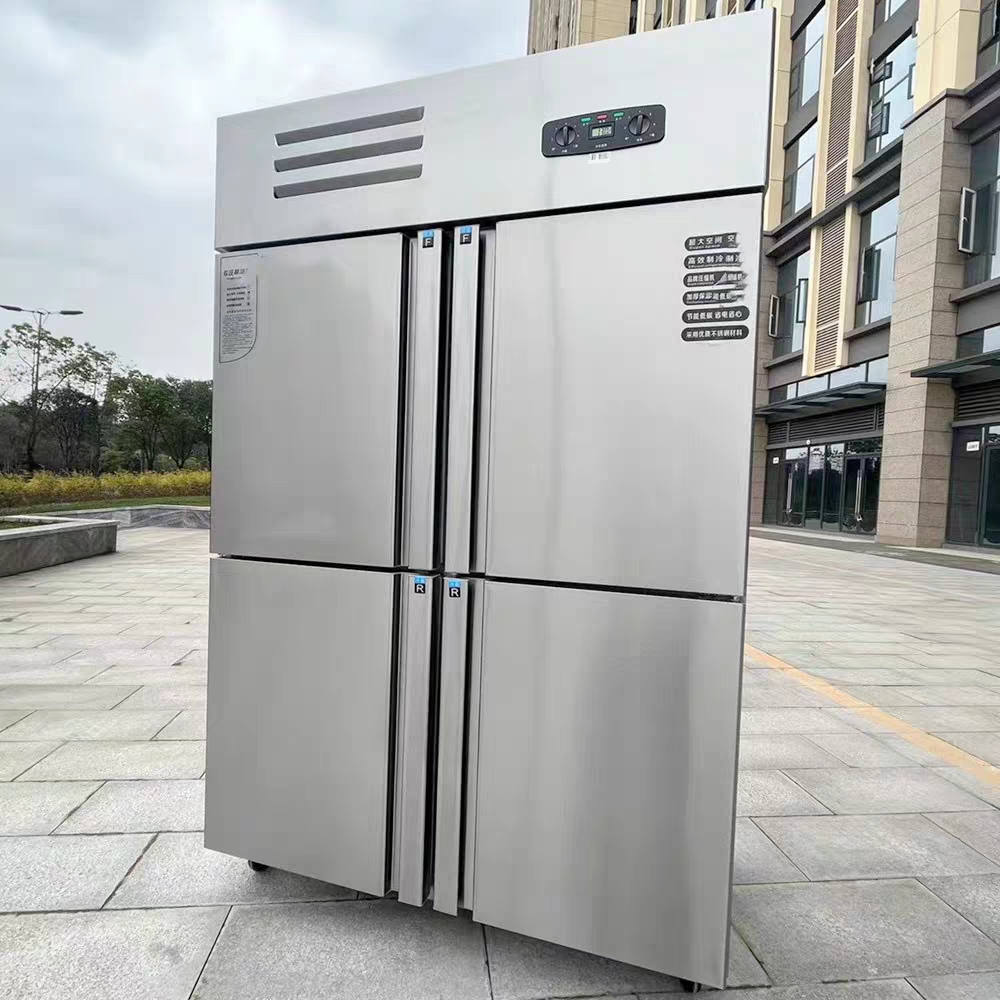
📦 Professional Cold Storage Freezer Solutions for Global Buyers
Commercial freezers play a critical role in modern food supply chains. From supermarkets and restaurants to seafood exporters and frozen food distributors, reliable cold storage ensures product freshness, food safety, and long-term preservation. As a professional manufacturer with years of engineering and manufacturing experience, we design high-efficiency commercial freezers that meet the demands of high-volume storage, energy efficiency, and stable low-temperature operation.This comprehensive guide explains how commercial freezers work, what features professional buyers should consider, and how to choose the right model for different industries. The content is written according to E-E-A-T standards (Experience, Expertise, Authoritativeness, Trustworthiness) to provide practical, trustworthy information for wholesalers, distributors, and global importers looking for long-term freezer suppliers.
🧊 Why Commercial Freezers Are Essential in Modern Food Storage
In today’s global food supply chain, maintaining product quality is one of the most important challenges. Fresh food, seafood, meat, vegetables, and frozen products all require stable low-temperature environments during storage and transportation.
Commercial freezers are designed specifically to handle these demanding conditions. Unlike household freezers, industrial and commercial units are built for continuous operation, heavy loads, and precise temperature control.
Key benefits include:
✔ Long-term preservation of frozen foods
✔ Stable low-temperature storage for seafood and meat
✔ Compliance with food safety standards
✔ High storage capacity for commercial environments
✔ Energy-efficient refrigeration technology
Businesses that rely on frozen storage—such as supermarkets, food factories, cold chain logistics companies, and restaurants—depend on reliable freezer equipment to operate efficiently.
❄ Types of Commercial Freezers for Different Industries
Commercial freezers come in several different designs, each suited for specific applications.
🏪 Chest Freezers
Chest freezers are one of the most common types used in restaurants and small supermarkets. Their horizontal design allows large volumes of frozen goods to be stored efficiently.
Advantages include:
• High storage capacity
• Excellent insulation performance
• Low energy consumption
• Ideal for frozen food bulk storage
These models are widely used for frozen meat, seafood, dumplings, ice cream, and frozen vegetables.
🛒 Upright Display Freezers
Upright display freezers are commonly used in supermarkets and convenience stores where product visibility is important.
Benefits include:
• Glass door display
• Easy product access
• Attractive retail presentation
• Organized shelving system
These units are perfect for selling frozen products directly to customers.
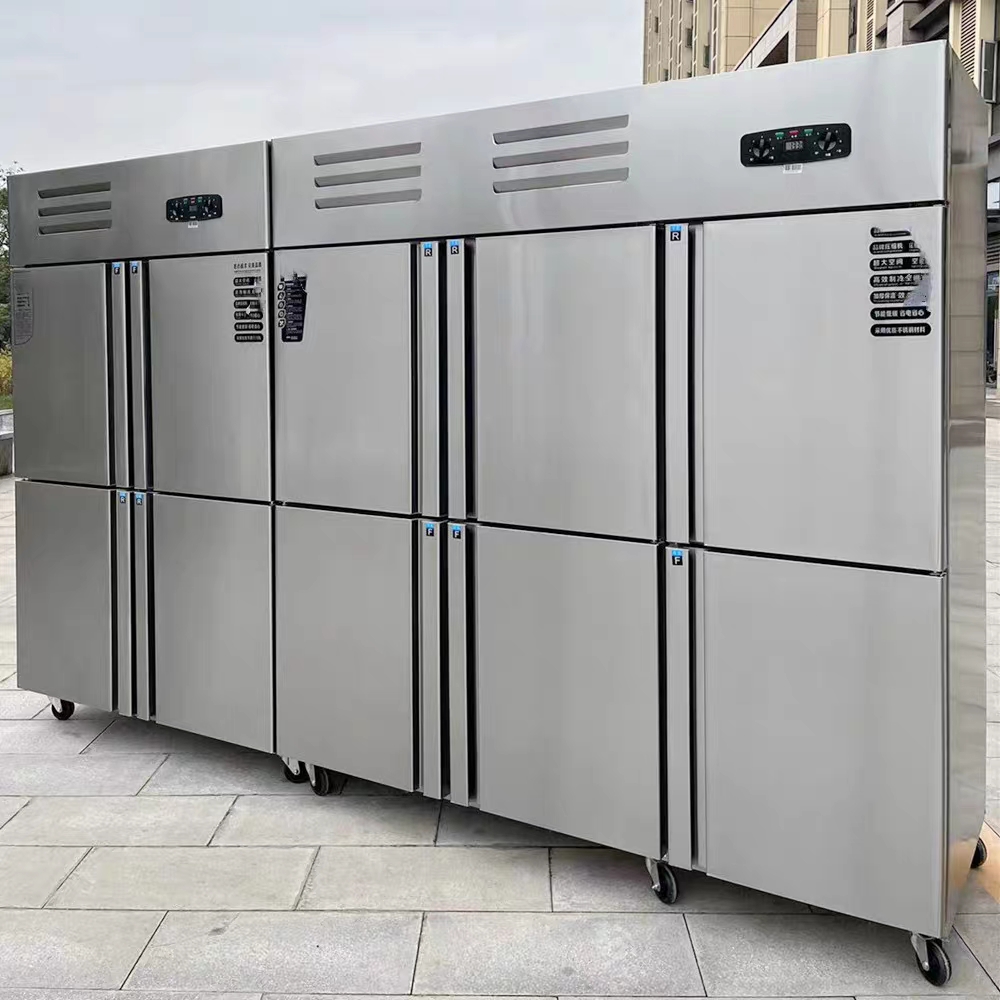
🏭 Industrial Cold Storage Freezers
Large-scale industrial freezers are designed for food processing plants, cold chain logistics companies, and wholesale frozen food distributors.
Key features include:
• Extremely large storage capacity
• Heavy-duty compressor systems
• Advanced temperature control
• Long-term industrial durability
These systems are often integrated into large cold storage facilities.
⚙ Key Components of a High-Quality Commercial Freezer
A reliable freezer depends on several critical components working together.
🧊 Compressor System
The compressor is the heart of the refrigeration system. High-quality compressors ensure stable cooling performance and long operating life.
Professional freezers typically use energy-efficient compressors designed for continuous operation.
🌡 Temperature Control System
Modern freezers use digital temperature controllers that allow operators to monitor and adjust internal temperatures precisely.
Typical temperature ranges:
• Standard freezer: -18°C to -25°C
• Deep freezer: -25°C to -40°C
• Ultra-low temperature freezer: below -40°C
Stable temperature control is essential for food safety and product quality.
🧱 High-Density Insulation
Insulation materials play a crucial role in energy efficiency.
Commercial freezers use high-density polyurethane foam insulation to minimize temperature loss and reduce electricity consumption.
Better insulation means:
• Lower operating costs
• More stable cooling performance
• Longer compressor life
🛠 Durable Cabinet Construction
The outer structure of a commercial freezer must withstand heavy daily use.
Common materials include:
• Stainless steel
• Powder-coated steel
• Aluminum interior panels
These materials provide corrosion resistance, durability, and easy cleaning.
📦 Applications of Commercial Freezers
Commercial freezers are used across many industries.
🍤 Seafood Processing
Seafood exporters rely on deep freezers to maintain freshness during storage and transportation.
Proper freezing preserves:
• texture
• flavor
• nutritional value
🍖 Meat Processing Plants
Meat processing facilities require large freezer rooms to store products before distribution.
Industrial freezers help maintain strict food safety standards.
🛒 Supermarkets
Supermarkets use display freezers to store frozen food products while allowing customers to easily view and select items.
🍽 Restaurants & Hotels
Restaurants rely on freezers to store bulk ingredients and prepared frozen foods.
Reliable refrigeration ensures consistent kitchen operations.
🌍 Choosing the Right Commercial Freezer Supplier
Selecting the right supplier is essential for long-term business success.
Professional buyers should evaluate:
✔ Manufacturing experience
✔ Product quality certifications
✔ Customization capabilities
✔ After-sales service
✔ Production capacity
Reliable suppliers offer consistent quality and stable delivery times.
🧠 Expert Tips for Importers Buying Commercial Freezers
Buyers importing freezer equipment should consider several important factors.
Power Compatibility
Different countries use different voltage standards.
Common options include:
• 110V
• 220V
• 240V
• 380V industrial systems
Ensure the freezer matches your local electrical system.
Climate Conditions
In tropical regions, ambient temperatures can be very high. Freezers used in these climates require stronger cooling systems.
High-temperature environments require:
• stronger compressors
• better insulation
• improved ventilation systems
Energy Efficiency
Electricity consumption is a major operating cost.
Energy-efficient freezers can reduce long-term operational expenses significantly.
📊 Global Demand for Commercial Freezers
Demand for commercial refrigeration equipment continues to grow worldwide due to:
• expansion of supermarket chains
• growth of frozen food markets
• increasing cold chain logistics
• global seafood trade
Countries investing in modern food infrastructure require large quantities of refrigeration equipment.
This trend creates strong opportunities for global freezer manufacturers and exporters.
🧊 Custom Commercial Freezer Manufacturing
Many international buyers require customized freezer solutions.
Customization options may include:
• custom freezer size
• brand logo printing
• special voltage configurations
• temperature range customization
• stainless steel interiors
• glass display doors
OEM and ODM services allow distributors to build their own refrigeration brands.
❓ FAQ – Commercial Freezer Manufacturing & Export
Can you manufacture customized commercial freezers?
Yes. Professional manufacturers can produce customized freezer models according to client specifications.
Customization options include:
• cabinet size
• compressor configuration
• voltage and plug types
• logo branding
• display design
• temperature range
OEM and ODM orders are widely supported for distributors and brand owners.
What is the minimum order quantity (MOQ)?
The minimum order quantity typically depends on the model and customization level.
Typical MOQ examples:
• Standard models: 10–30 units
• Customized models: 30–100 units
Large distributors may place container-level orders.
What is the production lead time?
Production time usually ranges between:
15–35 days
Lead time depends on:
• order quantity
• customization requirements
• production schedule
Bulk orders may require additional manufacturing time.
Do you have products in stock?
Many manufacturers maintain inventory of popular models.
Standard freezer models are often available for quick shipment.
However, customized orders normally require production before shipment.
🏭 Final Thoughts
Commercial freezers are one of the most important pieces of equipment in the global food supply chain. From supermarkets and seafood exporters to restaurants and cold storage warehouses, reliable freezing technology ensures that food remains safe, fresh, and ready for distribution.
Choosing a professional manufacturer with strong engineering capabilities and reliable production capacity is essential for buyers looking to build long-term supply relationships.
With continuous innovation in refrigeration technology, energy efficiency, and cold chain logistics, the commercial freezer industry will continue to play a vital role in the future of global food storage.


No reply content