
Dongguan Plastic Manufacturing Plant
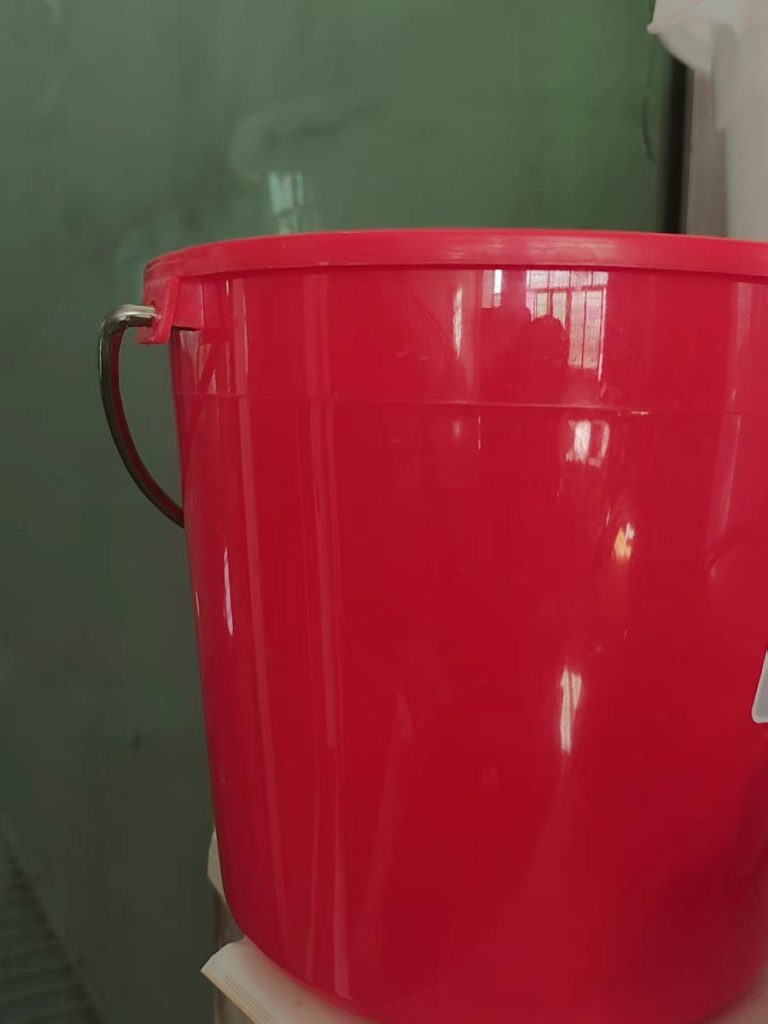
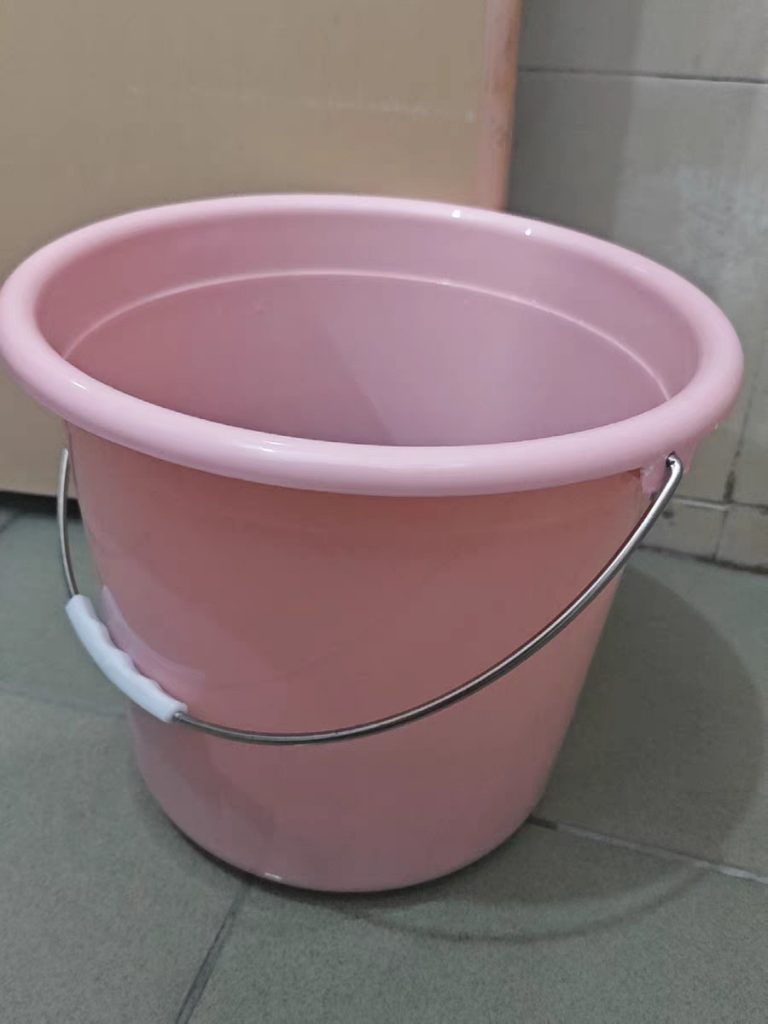
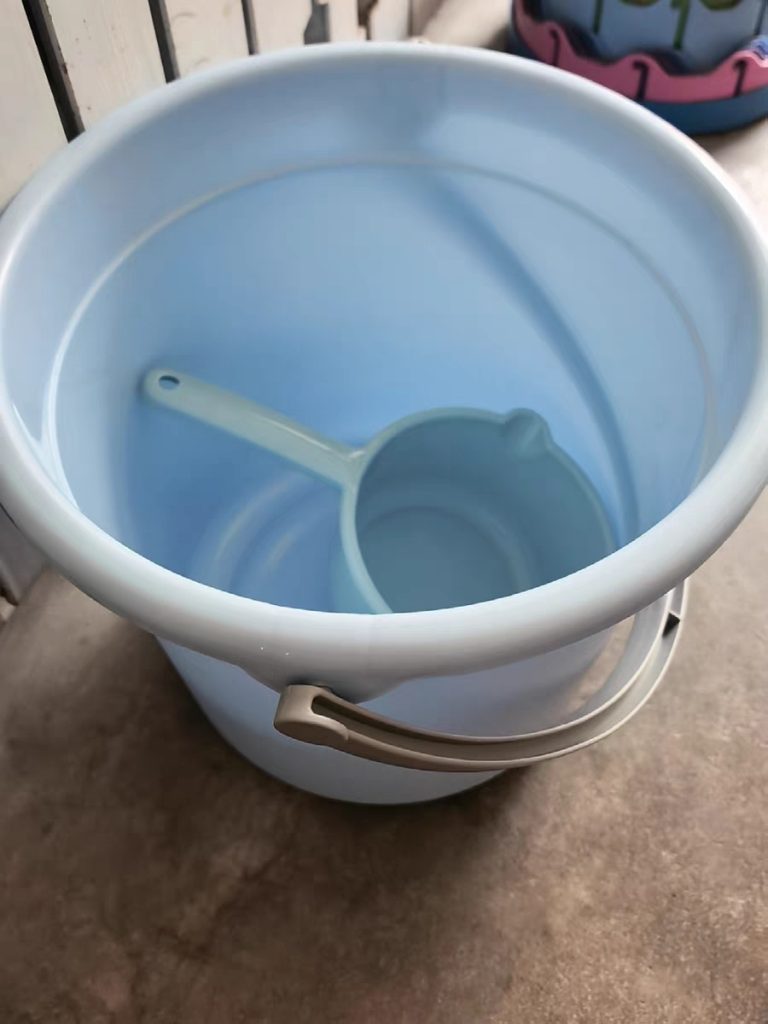
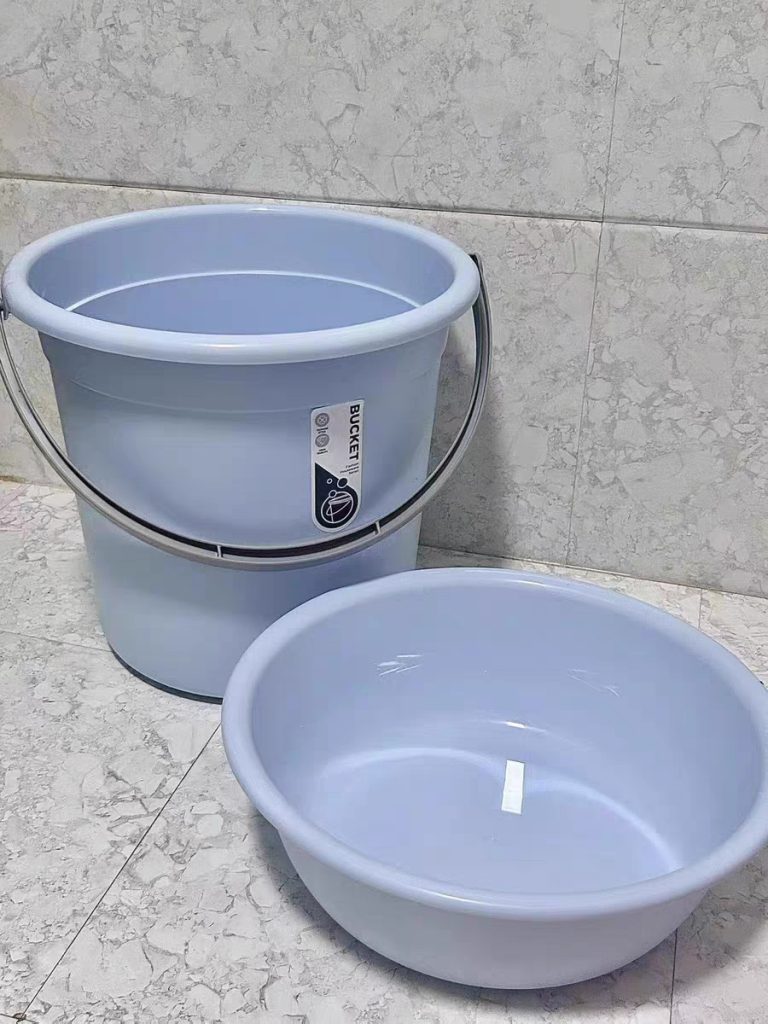
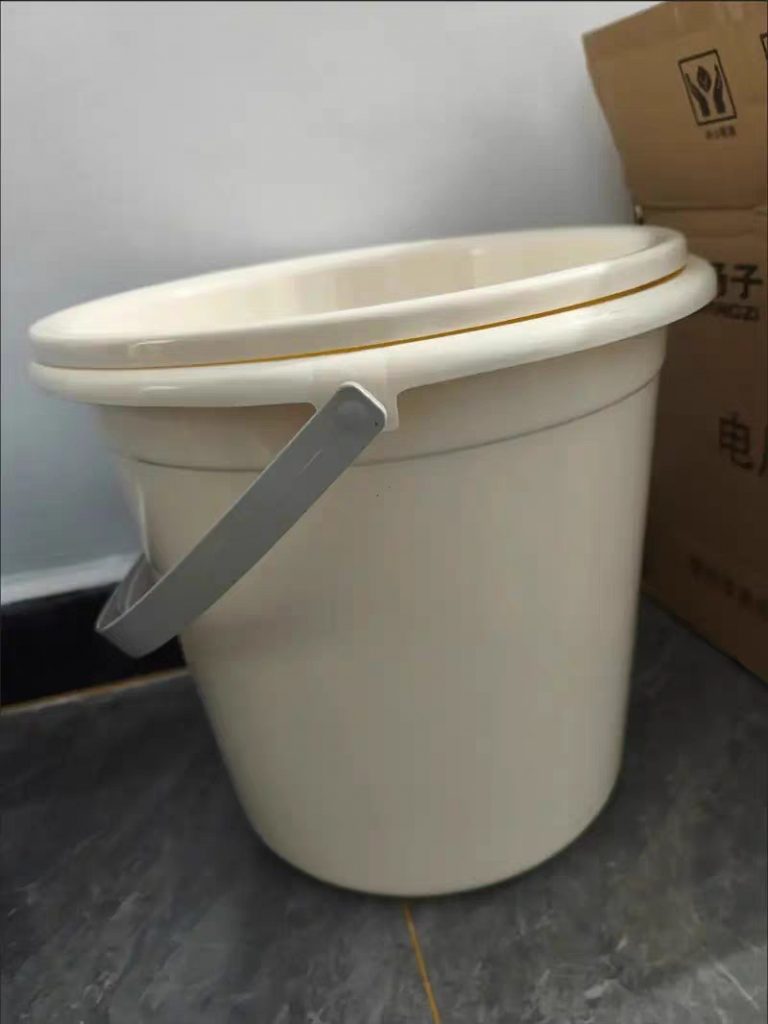
This guide is designed to help you navigate the world of industrial plastic drums, from material selection to regulatory compliance. All information is based on industry standards and expert insights to ensure E-E-A-T (Expertise, Authoritativeness, Trustworthiness) in your decision-making process.
Why Choose Industrial Plastic Drums? A Quick Overview
Plastic drums have become the backbone of modern storage and transport systems across industries. Unlike traditional metal alternatives, they offer unmatched chemical resistance, lightweight design, and cost efficiency. From storing hazardous chemicals to transporting food-grade ingredients, their versatility makes them indispensable.
Key Benefits at a Glance:
-
🌡️ Temperature Resistance: Withstands -40°C to 80°C (with some models up to 120°C).
-
⚖️ Lightweight: 30% lighter than steel drums, reducing shipping costs.
-
🧪 Chemical Inertness: Resists acids, bases, and solvents (e.g., HDPE for aggressive substances).
-
♻️ Sustainability: Recyclable and often made from post-consumer resin (PCR).
“The global industrial plastic drum market is projected to reach $4.2 billion by 2027, driven by demand in chemical, pharmaceutical, and food sectors.” — Global Market Insights
1. Material Science: Decoding HDPE, LDPE, and Beyond
The performance of a plastic drum hinges on its material. Here’s a breakdown of the most common types:
HDPE (High-Density Polyethylene)
-
Icon: 🔬
-
Properties: Rigid, high tensile strength, excellent chemical resistance.
-
Best For: Storing acids, alkalis, oils, and industrial chemicals.
-
Standards: Complies with FDA 21 CFR 177.1520 (food contact) and UN RIC (hazardous materials).
LDPE (Low-Density Polyethylene)
-
Icon: 🧴
-
Properties: Flexible, impact-resistant, low moisture permeability.
-
Best For: Non-hazardous liquids, agricultural products, and consumer goods.
Lined Drums (Phenolic, Epoxy, or Viton®)
-
Icon: 🛡️
-
Purpose: Add an extra layer of protection for highly reactive substances (e.g., strong oxidizers).
-
Example: Viton-lined drums prevent permeation of aggressive solvents like acetone.
Pro Tip: Always check the Material Safety Data Sheet (MSDS) of your product to match it with the right drum material!
2. Applications Across Industries: From Chemical Plants to Farms
Plastic drums are not one-size-fits-all. Their design adapts to specific use cases:
A. Chemical & Petrochemical Industry
-
UN-Certified Drums: Mandatory for transporting Class 3 (flammable liquids) and Class 8 (corrosives) materials.
-
Bung Holes: 2-inch and ¾-inch NPT bungs for easy dispensing.
-
Case Study: A leading chemical manufacturer reduced spillage by 60% after switching to double-walled HDPE drums.
B. Food & Beverage Sector
-
Food-Grade Certification: Look for “FDA Approved” or “EU 10/2011” labels.
-
Hygienic Design: Smooth interiors prevent bacterial growth; some models are autoclavable.
-
Example: Olive oil producers use 55-gallon food-grade drums to maintain freshness during export.
C. Agriculture & Pesticides
-
UV-Stabilized Drums: Prevent degradation from sunlight exposure.
-
Ventilation Options: Breather caps for volatile pesticides.
Icon Insertion:
-
Chemical: ⚗️
-
Food: 🍎
-
Agriculture: 🌾
3. Sizing Up Your Needs: 15L to 220L and Beyond
Choosing the right capacity is critical to avoid overfilling or underutilization.
| Capacity | Common Use | Weight (Empty) |
|---|---|---|
| 15L | Small-batch chemicals | 1.2 kg |
| 30L | Laboratory samples | 2.0 kg |
| 55L (15 gal) | Most industrial applications | 3.5 kg |
| 220L (55 gal) | Bulk transport/storage | 9.0 kg |
Note: 220L drums are the global standard for bulk liquid handling, but always consider stackability—taller drums may be less stable.
4. Regulatory Compliance: Don’t Get Caught Unprepared
Non-compliance can lead to fines, product loss, or even legal action. Key regulations include:
-
UN Markings: Indicate drop, stacking, and leak tests (e.g., “UN1H1/Y1.8/100”).
-
DOT (U.S.) & ADR (EU): Govern road/rail transport of dangerous goods.
-
OSHA: Requires proper labeling and secondary containment for hazardous materials.
Checklist for Compliance:
✅ Verify UN certification for hazardous products.
✅ Ensure bungs are tightened to 20-25 Nm (use a torque wrench).
✅ Store drums in well-ventilated areas away from direct heat.
5. Maintenance & Longevity: Extend Your Drum’s Life
Proper care can double a drum’s lifespan. Follow these steps:
-
Cleaning: Rinse with water first, then use a mild detergent. Avoid abrasive tools.
-
Inspection: Check for cracks, dents, or discoloration monthly.
-
Storage: Stack horizontally (max 3 layers) with pallets to prevent ground moisture.
Icon: 🔧 (for maintenance tools)
6. Sustainability: Eco-Friendly Choices Matter
With growing environmental awareness, opt for:
-
Recycled Content: Drums made with 30%+ PCR reduce carbon footprint by 25%.
-
Reusable Designs: Collapsible drums save space when empty.
-
End-of-Life Recycling: Partner with certified recyclers (look for RIC codes on the drum).
FAQs: Your Burning Questions Answered
Q1: Can I store flammable liquids in plastic drums?
A: Yes, but only if the drum is UN-certified for Class 3 flammables (e.g., HDPE with static dissipative additives). Never use non-certified drums for gasoline or solvents.
Q2: How do I clean a drum that held pesticides?
A: Use a triple-rinse method: fill 10% with water, drain, repeat twice. Dispose of rinse water as per local hazardous waste rules.
Q3: Are plastic drums suitable for hot liquids (>80°C)?
A: Standard HDPE drums handle up to 80°C. For higher temps, choose PP (polypropylene) drums (up to 120°C) or stainless steel liners.
Q4: What’s the difference between open-head and tight-head drums?
A: Open-head drums have removable lids (easy access), while tight-head drums have fixed tops with bung holes (better for transport).
Q5: How many times can a plastic drum be reused?
A: Typically 5-7 times for non-hazardous use, 2-3 times for chemicals. Inspect for wear each time.
Q6: Do plastic drums need grounding to prevent static?
A: Yes, for flammable liquids. Use conductive gaskets or grounding wires.
Q7: Can I stack 220L drums on top of each other?
A: Only if they’re designed for stacking (check the bottom ribbing). Max 2 layers for standard drums.
Q8: What’s the best way to label a plastic drum?
A: Use permanent markers or adhesive labels resistant to water/solvents. Include product name, hazard symbols, and date.
Q9: Are there child-resistant options?
A: Yes, some drums feature tamper-evident caps or locking mechanisms (common in pharmaceuticals).
Q10: Where can I buy UN-certified plastic drums?
A: Reputable suppliers like Mauser, Schütz, or Greif provide certification documents. Request a sample test report before bulk purchase.
Ready to Optimize Your Storage? Let’s Connect!
Whether you need 50 drums for a pilot project or 10,000 for a new facility, we’re here to help. Our team of experts will:
-
Match you with the right material (HDPE/LDPE/lined) and size.
-
Provide UN/DOT compliance documentation.
-
Offer volume discounts and custom branding options.


No reply content