Dongguan PremiumGift BoxPackaging
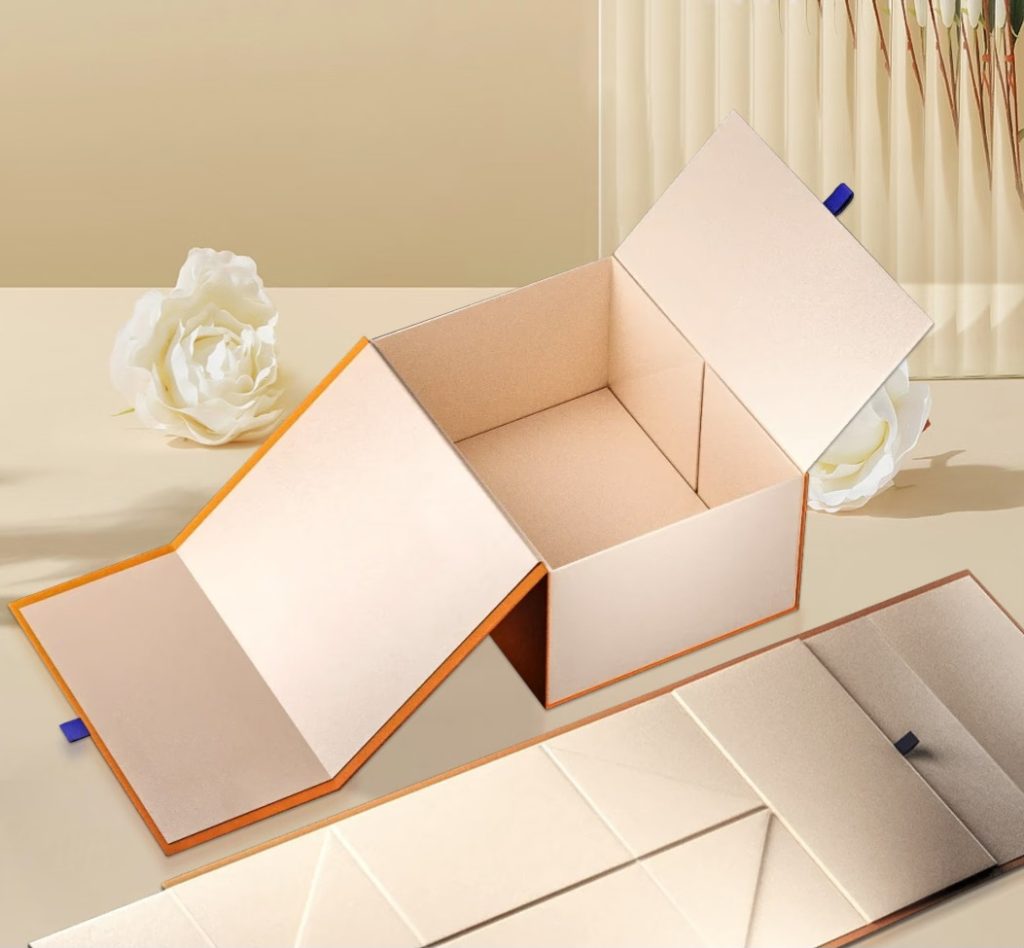
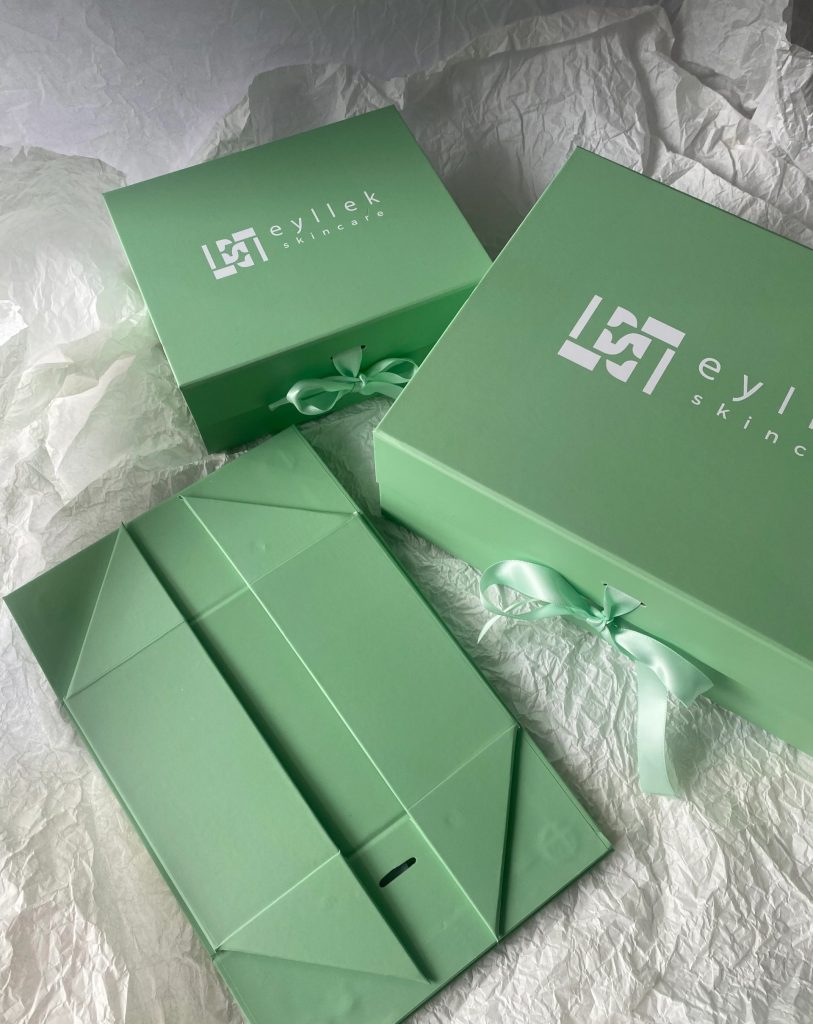
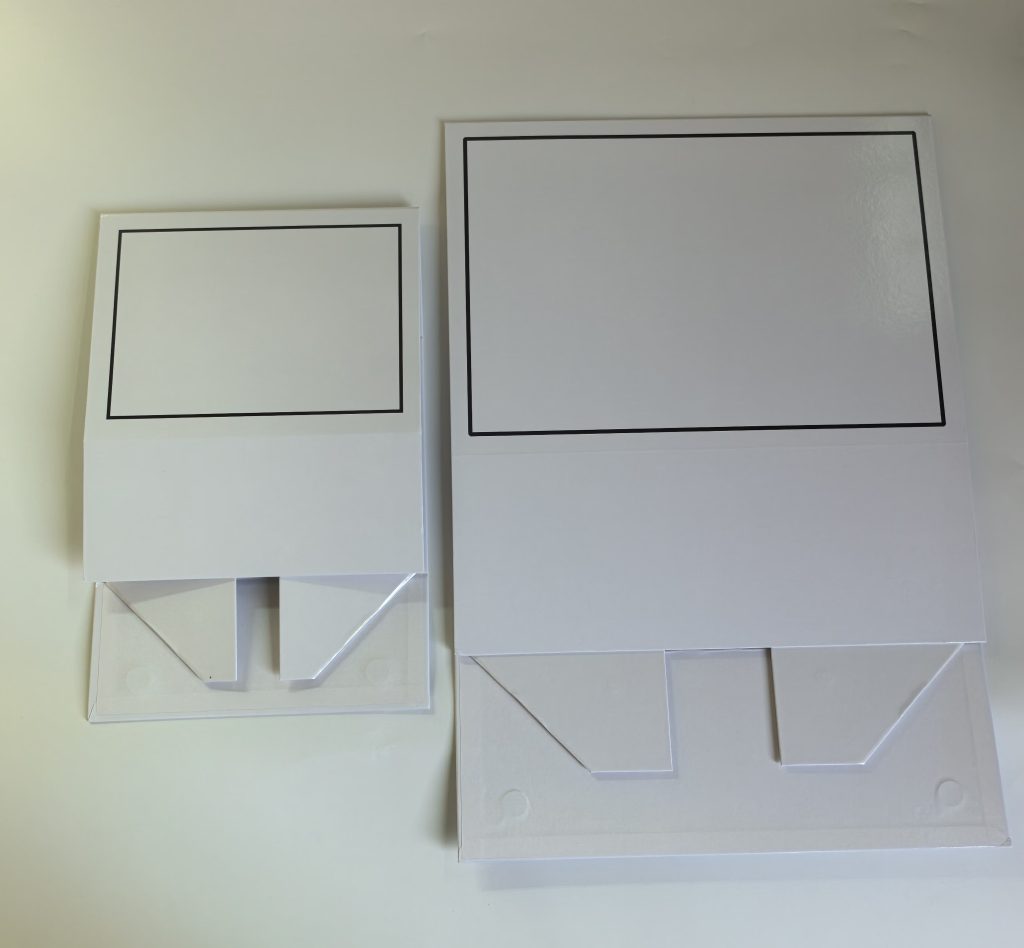
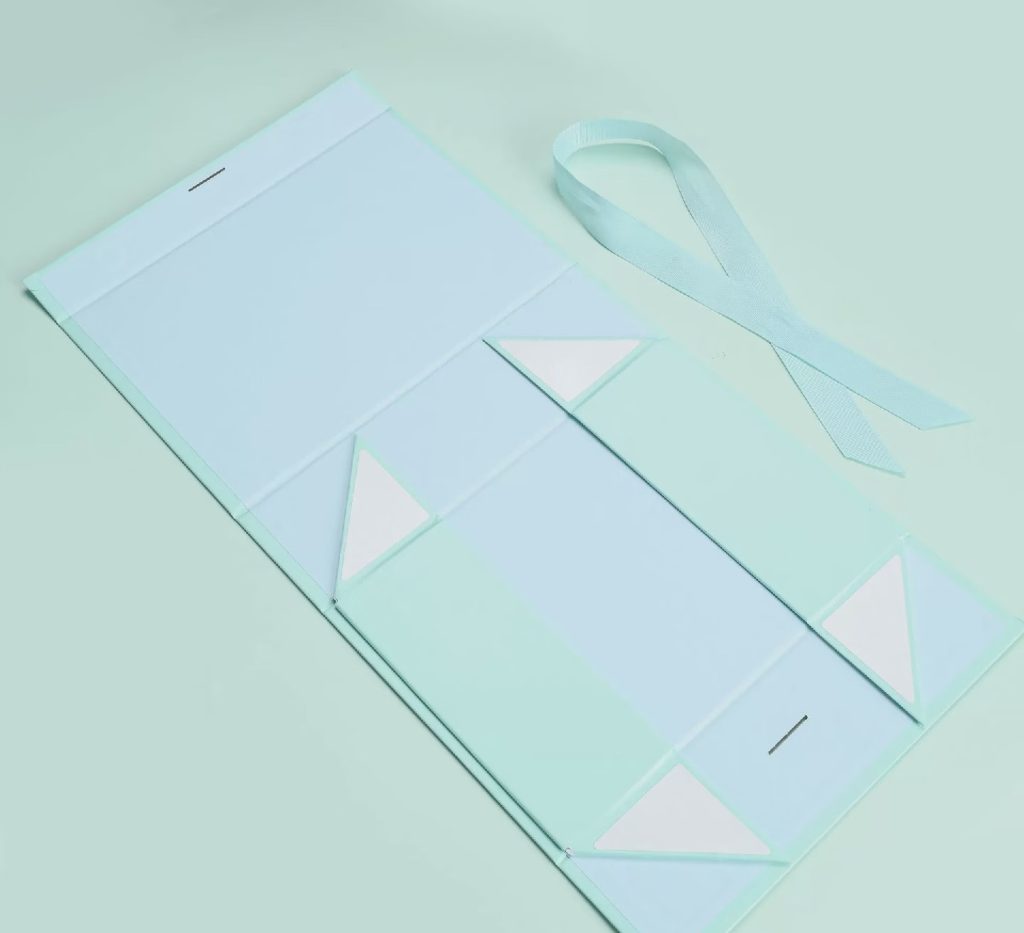
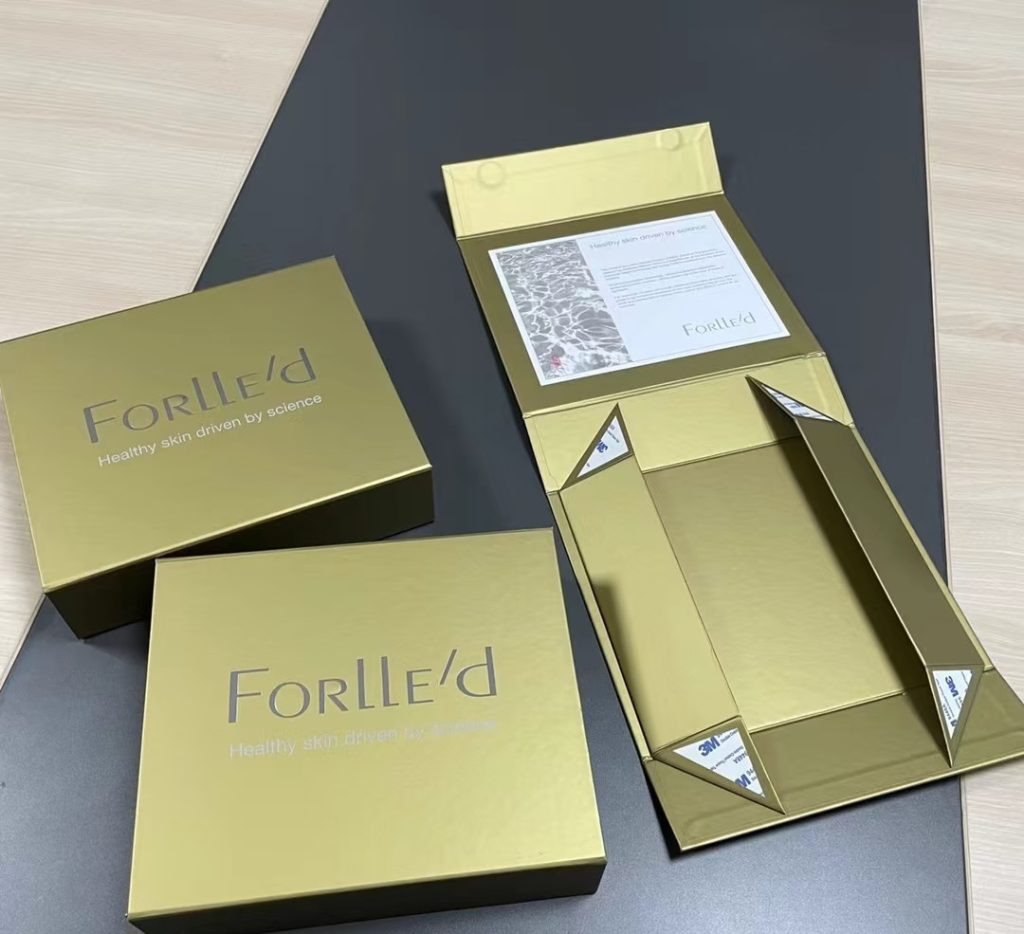
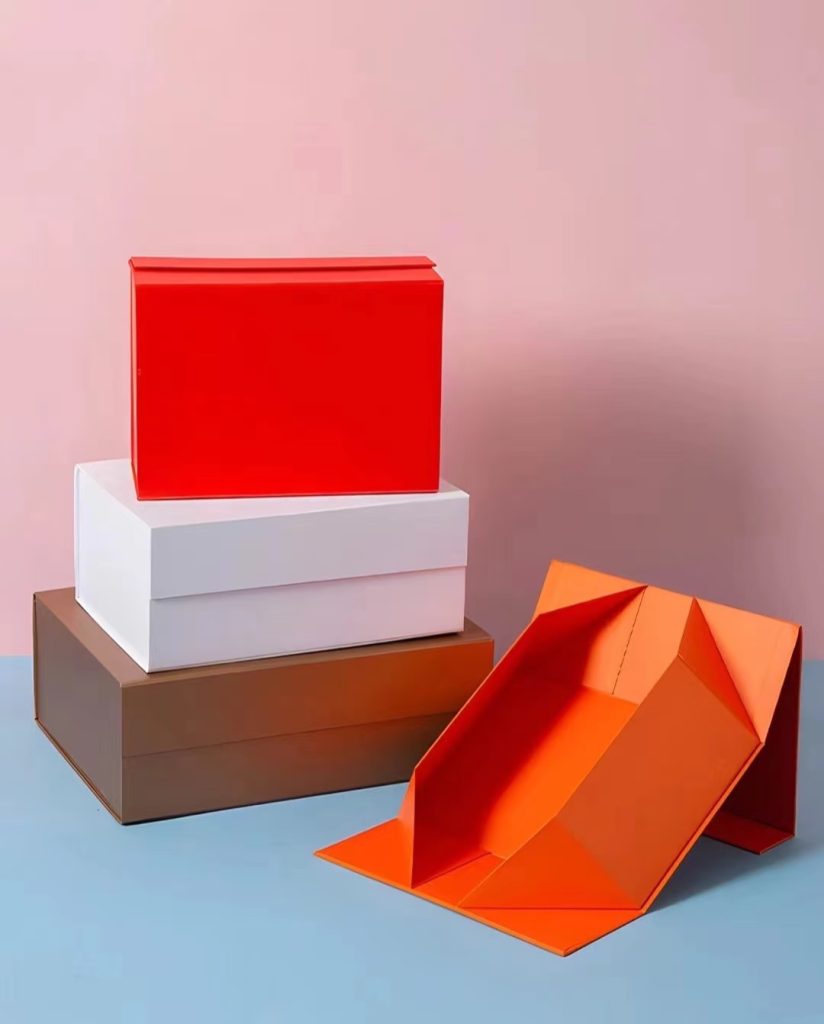
In a sunlit Parisian gallery, a curator pauses before a rectangular box resting on a silk cushion. Its surface is not glossy lacquer or metallic foil, but a whisper-thin layer of handmade Xuan paper, stained with the soft gradients of ink wash—a distant mountain peak fading into mist, a lone crane’s wing brushing the edge. When she lifts the lid, the scent of aged paper and sandalwood wafts out, and inside, a porcelain teacup sits on a bed of dried lotus petals. This is no ordinary gift box. It is a vessel of xieyi , the Chinese ink wash painting philosophy that values (artistic conception) over literal representation—a bridge between 5,000 years of brush-and-ink tradition and the modern longing for meaningful connection.
I. The Soul of Ink Wash: Why Ancient Aesthetics Resonate Today
To understand the power of these boxes, one must first enter the world of Chinese ink wash painting, an art form that has shaped East Asian aesthetics for millennia. Unlike Western realism, which seeks to replicate nature exactly, ink wash painting distills it to its essence: a few deft strokes capturing a mountain’s majesty, a splash of ink suggesting a stormy sea,留白 (empty space) inviting the viewer’s imagination to complete the scene.
This philosophy is rooted in Taoist and Buddhist thought. The Dao De Jing teaches that “the great image has no form,” and Chan (Zen) Buddhism emphasizes mu (emptiness) as the source of all potential. Ink wash painters channel this by using only black ink (in varying concentrations) and water, rejecting color as a distraction from the subject’s spirit. A 12th-century master like Liang Kai could paint a fisherman with three strokes—yet the figure feels alive, his solitude palpable.
For modern audiences weary of sensory overload, this minimalism is revolutionary. In an era of 4K visuals and hyper-detailed graphics, the ink wash box offers a return to quiet contemplation. Its beauty lies not in what is shown, but in what is felt: the calm of a misty lake, the resilience of a gnarled pine, the freedom of a bird in flight.
II. Translating Brushstrokes into Boxes: The Art of Material and Form
Turning ink wash paintings into gift boxes is a delicate dance between tradition and innovation. It requires reimagining 2D art as a 3D experience, where every material and seam echoes the original’s spirit.
A. The Canvas: Paper as Skin
The foundation is the paper. Unlike commercial cardboard, these boxes use Xuan paper—a mulberry-bark paper prized for its absorbency and durability. Artisans select batches with subtle imperfections: a faint fiber, a natural watermark, as if the paper itself has a story. The surface is treated with a thin layer of rice glue, making it strong enough to hold its shape yet soft enough to mimic the texture of a painter’s scroll.
Some boxes take this further by using shouzhi (寿纸), a handmade paper aged for decades, which develops a warm, cream-colored patina over time. “A new box smells of fresh mulberry,” says Li Wei, a third-generation papermaker in Anhui, “but an old one smells of time—of the hands that made it, the seasons it’s seen.”
B. The Ink: From Brush to Press
Replicating ink wash gradients is a technical challenge. Traditional ink is made by grinding soot (from pine or oil) with animal glue, creating a liquid that ranges from pale gray to deep black. To apply this to cardboard, artisans use a combination of digital printing and hand-painting:
-
Digital Prepress: High-resolution scans of original paintings are adjusted to account for the box’s curvature, ensuring the mountain peak doesn’t warp at the edges.
-
Hand-Finishing: A master painter uses a fine-tipped brush to add feibai (飞白, “flying white”)—delicate streaks of uninked paper that mimic the texture of a dry brush. This step is irreplaceable; no machine can replicate the spontaneity of a human hand.
-
Layering: For depth, multiple thin layers of ink are applied, allowing the base color to show through. A distant hill might be 10% ink, a foreground tree 80%—a technique called cunfa (皴法, “texturing method”).
The result is a design that shifts in the light: in bright sun, the ink appears sharp; in dim light, the gradients blur, evoking the misty mountains of a Song dynasty painting.
C. The Structure: Emptiness as Design
Ink wash’s emphasis on留白 is translated into the box’s structure. Instead of solid walls, some designs feature perforated panels that cast lace-like shadows, or sliding doors that reveal the gift gradually, like a scroll unrolling. The interior is often unlined, with the gift resting directly on the Xuan paper—its texture part of the presentation.
A popular style mimics the juan (卷, scroll) format: the box unfolds horizontally, with the painting divided into sections. The recipient “reads” the story as they open it—first a lone tree, then a stream, then a mountain peak, culminating in the gift at the center.
III. The Unboxing: A Meditation in Motion
The true magic of the ink wash box lies in the unboxing experience, which is designed to be a slow, sensory journey.
A. The Sound of Anticipation
Unlike the crinkle of plastic or the tear of glossy paper, opening an ink wash box is a study in subtlety. The lid, hinged with silk thread, lifts with a soft swoosh—the sound of a page turning. If the box has sliding panels, they glide smoothly, guided by tiny bamboo pegs. Artisans avoid metal clasps, which clang; instead, a loop of raw silk tied in a simple knot secures the box, its frayed edges a sign of handcraft.
B. The Scent of Memory
Xuan paper retains scents. Some boxes are stored with dried osmanthus flowers, infusing the paper with a sweet, floral aroma. Others use cedar shavings, evoking the scent of old libraries. A Shanghai-based artisan even experiments with mo (墨, ink) scented with sandalwood, so the box carries the same fragrance as a calligrapher’s studio.
C. The Touch of Time
Running a finger over the box’s surface reveals its texture: the slight bump of the hand-painted strokes, the roughness of the unbleached paper, the smoothness of the silk tie. Unlike glossy surfaces that repel touch, Xuan paper invites it—it feels alive, as if the mountain and crane on its surface might shift with enough pressure.
One recipient, a retired professor in London, described the experience: “When I touched the box, I didn’t feel cardboard. I felt the mountains, the mist, the patience of the person who painted it. It was like shaking hands with a 1,000-year-old artist.”
IV. Stories in Ink: The Box as a Narrative Vessel
Every ink wash box tells a story—sometimes the artist’s, sometimes the giver’s, sometimes the recipient’s.
A. The Artist’s Vision: A Lake of Solitude
Zhang Mei, a painter from Hangzhou, created a box for a solo exhibition. The design shows a solitary boat on West Lake, with willow branches hanging low. “The boat is empty,” she explains, “because the real journey is the one the viewer takes in their mind.” The box contained a set of her brushes, and many buyers kept the empty box, using it to store letters or dried flowers.
B. The Giver’s Heart: A Pine for Resilience
A man in Toronto commissioned a box for his sister, a cancer survivor. The design features a pine tree, a symbol of endurance in Chinese culture, with ink washes suggesting scars on its trunk. “I wanted her to know that even the broken parts of her story are beautiful,” he said. Inside, he placed a journal and a set of watercolor paints.
C. The Recipient’s Imagination: A Crane’s Flight
A young girl in Sydney received a box with a crane in flight. The artist had left the background blank, and the girl, inspired, drew her own sunset with crayons. Years later, she returned the box to the artisan, now filled with pressed flowers and a note: “The crane took me to places I’d never been.”
V. Sustainability: Ink Wash as an Eco-Philosophy
Ink wash painting’s reverence for nature aligns perfectly with modern sustainability goals.
A. Natural Materials
All components are biodegradable: Xuan paper decomposes in soil, silk thread breaks down into amino acids, and bamboo pegs return to the earth. Even the glue is made from rice starch, avoiding synthetic chemicals.
B. Zero-Waste Production
Artisans use every part of the paper: scraps become decorative strips, ink runoff is collected to dye other materials. Some workshops partner with local farmers to source mulberry bark, supporting rural economies.
C. The “Second Life” Project
Many artisans offer to refill empty boxes with new gifts, or transform them into small storage containers. A box that once held a teacup might later store sewing supplies, its painting now a backdrop for spools of thread.
VI. The Global Appeal: Why the World Craves Ink Wash
Ink wash boxes are finding fans far beyond China. In New York, a gallery sells them as “contemplative art objects”; in Berlin, a design fair features them in a section on “slow luxury.” This global appeal stems from a shared human longing: to connect with something deeper than the material.
A French designer summed it up: “Western packaging shouts ‘Look at me!’ But the ink wash box whispers ‘See yourself.’ It doesn’t tell you what to feel—it gives you space to feel it.”
Conclusion: The Unfolding of a Dream
The Chinese ink wash painting-inspired gift box is more than packaging. It is a conversation between past and present, East and West, artist and audience. It proves that in a world of speed and noise, the quietest objects can make the loudest impact.
When a box arrives, its ink-stained surface a window to a mountain mist, it does not just hold a gift. It holds a moment—a chance to pause, to breathe, to remember that beauty is not in what we have, but in how we see. As the ink fades and the paper yellows, the box becomes a diary of the hands that have held it, the eyes that have admired it, the stories it has carried.
In the end, the greatest gift of all is not the one inside the box. It is the box itself—a piece of art that teaches us to look closer, to wait longer, to find the universe in a single drop of ink.


No reply content