As society becomes more mobile and lifestyles continue to evolve, traditional housing is often no longer sufficient. People increasingly seek homes that are adaptable, sustainable, and stylish. Mobile homes, pod-style cabins, and container houses have emerged as practical solutions that meet these modern demands. These modular homes provide a blend of mobility, comfort, and innovative design, opening new possibilities for residential, commercial, and tourism applications.
This article explores the unique features, benefits, and future potential of these innovative living spaces, highlighting how modular homes are redefining modern living.
1. The Shift Toward Modular Living
Urbanization, remote work, tourism, and environmental concerns have accelerated the need for flexible housing. Unlike traditional buildings, modular homes can be transported, expanded, or customized to meet diverse needs.
Why Modular Homes Are Growing in Popularity
- Quick Construction: Factory production allows homes to be built faster than conventional methods.
- Mobility: Homes can be relocated as needed.
- Cost Efficiency: Lower labor and material costs than traditional construction.
- Sustainability: Minimal construction waste and environmental impact.
- Customization: Homes can be designed to fit specific residential or commercial purposes.
Modular housing is no longer a temporary solution; it is a long-term approach that combines convenience, sustainability, and modern design.
2. Mobile Homes: Comfort That Moves with You
Mobile homes provide the comforts of traditional housing while offering flexibility and mobility. They are ideal for families, businesses, and individuals requiring temporary or relocatable housing solutions.
Structural Advantages
- Steel Frame Construction: Ensures durability and stability during transportation.
- Insulated Walls and Roofs: Maintain indoor comfort throughout the year.
- Weatherproof Exteriors: Protect against rain, wind, and sunlight.
- Stabilized Base: Provides safety on uneven terrain or temporary installation sites.
Interior Design
Smart space utilization makes mobile homes practical and comfortable:
- Compact bedrooms with multifunctional furniture
- Fully equipped kitchenettes
- Modern bathrooms with space-saving layouts
- Living and dining areas optimized for daily use
- Integrated storage solutions
Applications
- Tourist rental cabins
- Temporary housing for work sites
- Seasonal or weekend homes
- Emergency or disaster relief housing
- Countryside retreats
Mobile homes combine practicality with aesthetics, delivering comfort in diverse environments.
3. Pod Houses: Futuristic Design in Compact Spaces
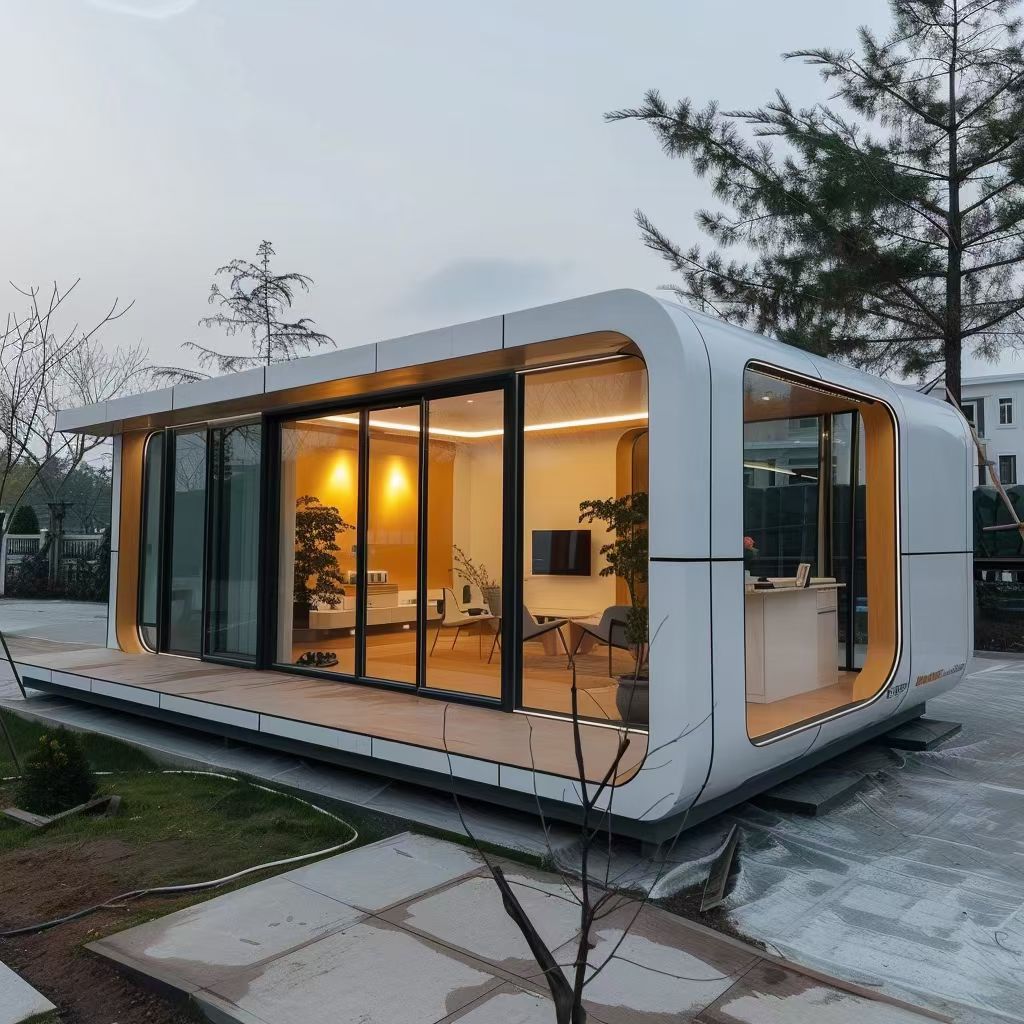
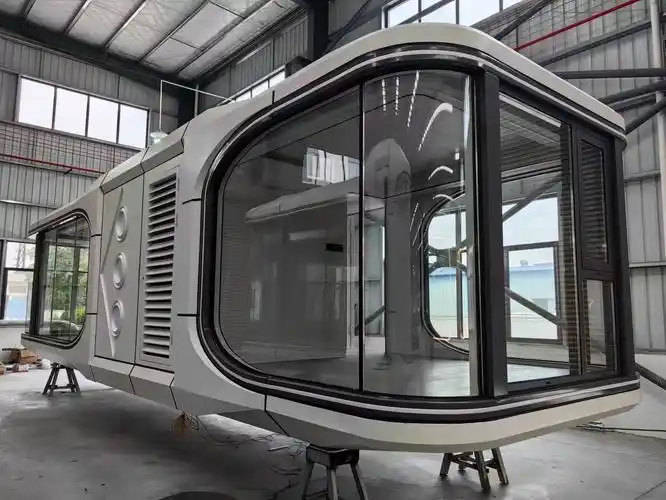
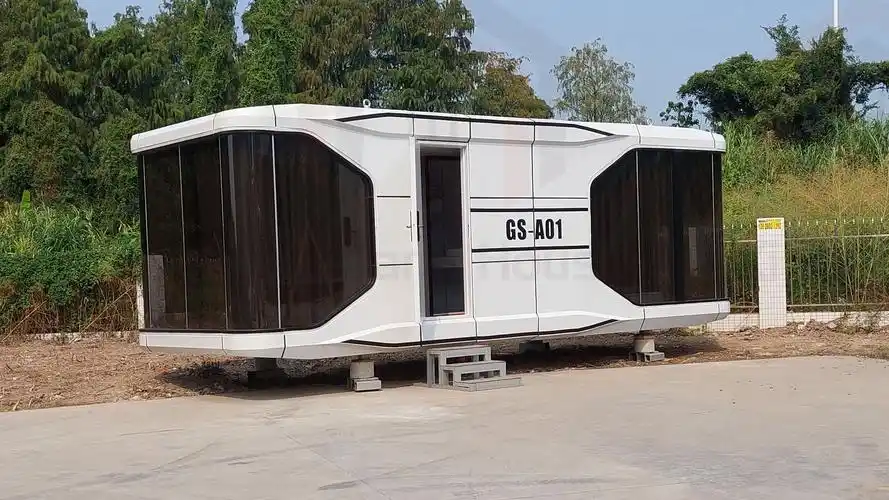
Pod-style houses are inspired by futuristic architecture and are designed for compact, efficient living. Their rounded forms and creative layouts make them ideal for residential, commercial, or leisure applications.
Key Features
- Curved Exterior Shells: Provide a modern, visually appealing design while improving structural stability.
- Composite Materials: Lightweight yet strong, resistant to weather and corrosion.
- Large Windows: Bring in natural light and provide scenic views.
- Built-in Multifunctional Furniture: Optimizes interior space.
- Optional Smart Systems: Include climate control, automated lighting, and security features.
Applications
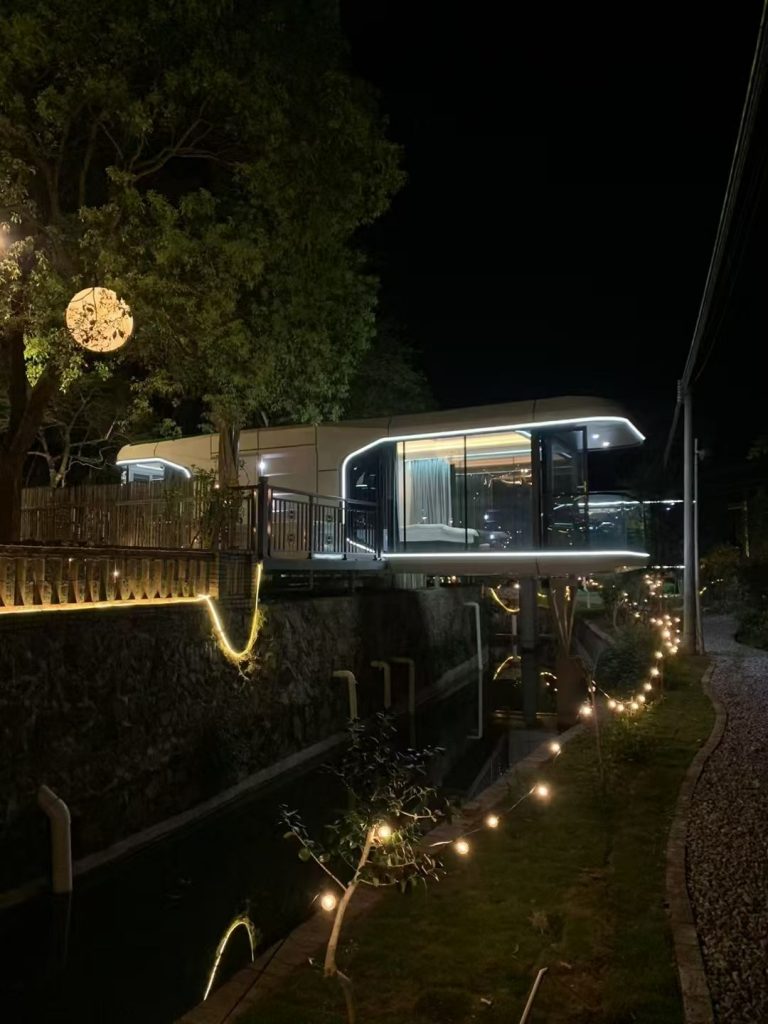
- Eco-tourism and glamping resorts
- Remote cabins for nature retreats
- Backyard guest houses or studios
- Creative workspaces for freelancers
- Off-grid living solutions
Pod houses combine innovation, style, and practicality, providing an immersive living experience.
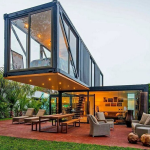
4. Container Houses: Strength and Versatility
Container houses offer durability, modularity, and adaptability. Shipping containers are repurposed into functional homes, retaining their industrial strength while offering modern living standards.
Structural Advantages
- Strong steel construction for long-term durability
- Stackable and modular for multi-level buildings
- Quick assembly and easy relocation
- Insulated walls for energy efficiency
- Flexible layouts suitable for living, commercial, or mixed-use applications
Interior Features
- Functional kitchens and bathrooms
- Comfortable sleeping and living areas
- Space-saving built-in furniture
- Optional integration with smart home technologies
Applications
- Workforce housing and dormitories
- Temporary offices or field facilities
- Student accommodations
- Retail pop-ups or small commercial units
- Emergency shelters
Container homes offer a unique combination of industrial strength and modern comfort, making them suitable for diverse applications.
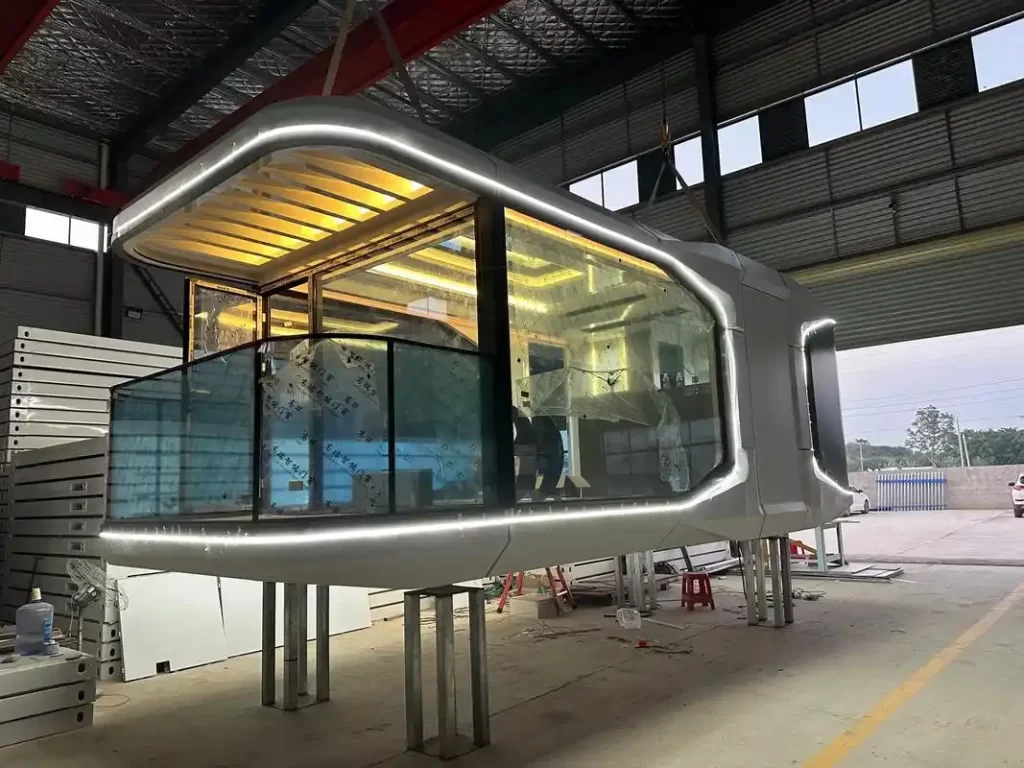
5. Manufacturing and Quality Assurance
High-quality modular homes require precise engineering, skilled craftsmanship, and meticulous quality control.
Production Process
- Steel Frame Fabrication: Welded and treated to prevent corrosion.
- Panel Installation: Walls and roofs are insulated and fitted.
- Mechanical, Electrical, and Plumbing Integration: Pre-installed for rapid assembly.
- Interior Fit-Out: Flooring, cabinetry, furniture, and fixtures installed.
- Exterior Finishing: Weatherproofing and protective coatings applied.
- Quality Testing: Units are tested for safety, durability, and performance.
This process ensures that every modular home is durable, functional, and ready for use.
6. Environmental and Economic Advantages
Modular housing provides benefits for both the environment and cost-conscious buyers.
Environmental Advantages
- Reduced construction waste
- Minimal site disturbance
- Use of sustainable and recyclable materials
- Compatibility with solar and off-grid systems
Economic Advantages
- Lower labor and construction costs
- Faster deployment and quicker return on investment
- Flexibility for relocation or resale
- Long-term durability reducing maintenance expenses
These advantages make modular homes a practical and environmentally responsible choice.
7. Customization Options
Modular homes can be fully tailored to meet client requirements. Options include:
- Exterior colors and finishes
- Window sizes and placements
- Interior layouts and furniture
- Smart home technologies
- Energy efficiency features
- Outdoor decks or terraces
Customization ensures that each modular home fits the specific needs and preferences of its users.
8. The Future of Modular Housing
Modular housing is evolving with new materials, technology, and design trends. Emerging trends include:
- Lightweight, high-strength materials
- Expandable and foldable modular units
- Integration with renewable energy solutions
- Smart home automation
- Climate-adaptive construction materials
- Multifunctional interior layouts
As technology and design continue to advance, modular homes will become increasingly versatile, sustainable, and suited to modern lifestyles.
Conclusion
Mobile homes, pod houses, and container houses are reshaping modern living. They provide mobility, sustainability, efficiency, and contemporary design, making them suitable for residential, commercial, and tourism applications.
By embracing modular construction, manufacturers and homeowners can create practical, adaptable, and future-ready living spaces that meet the evolving needs of society. Modular homes represent a new era of flexible, stylish, and sustainable living.


No reply content